 GreenNest
Hydroponic Growing
Common Hydroponic Mistakes Beginners Must Avoid
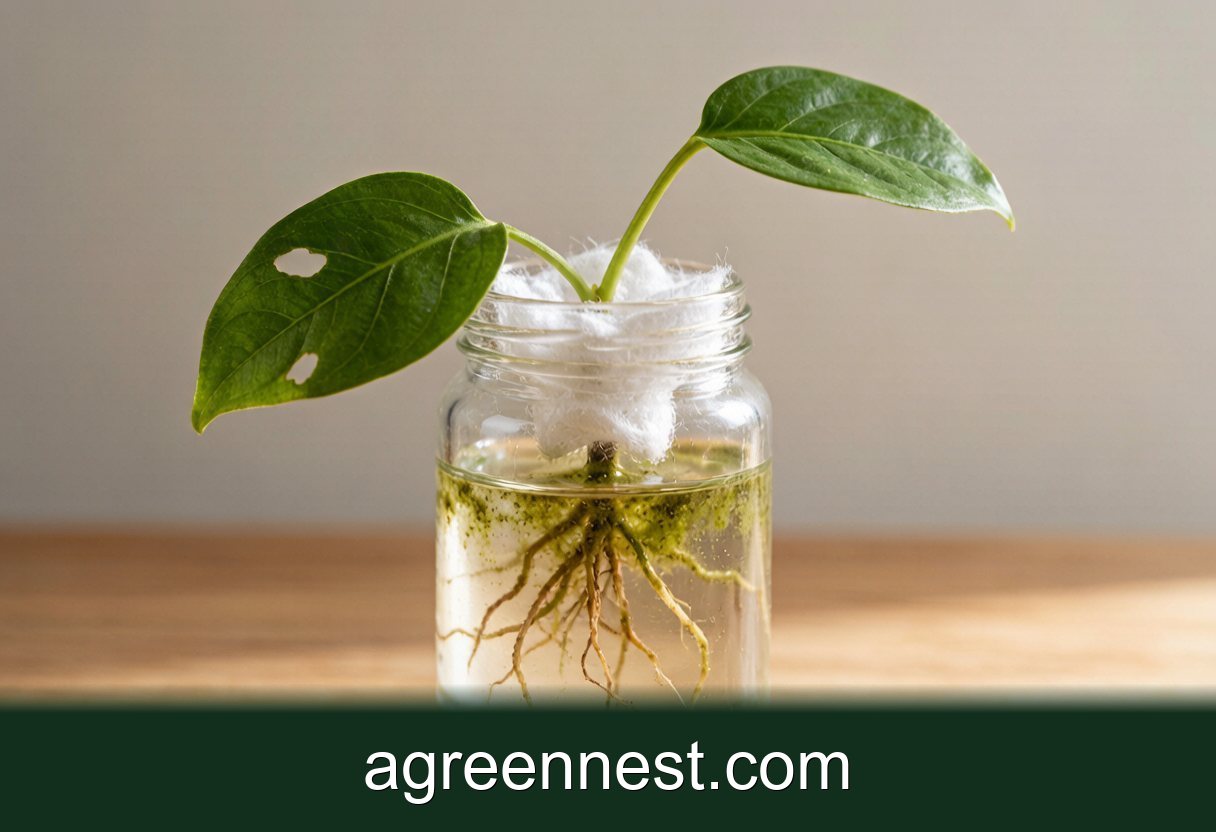
Hydroponics rewards beginners quickly, but a handful of repeat mistakes sink more gardens than pests ever do. Learn the big errors now and your soil-free plants will thrive from day one.
Mistake 1: Skipping Aeration
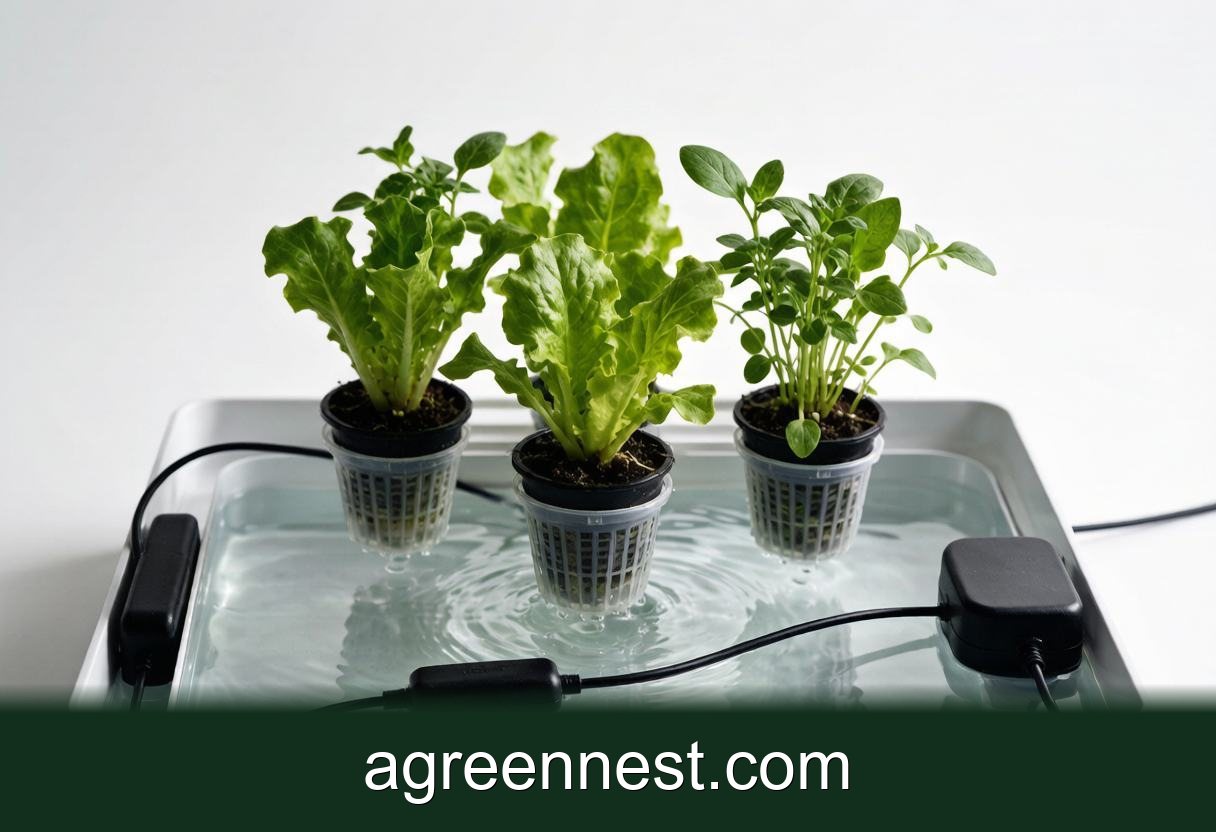
Roots need oxygen as much as water. Many newcomers drop plants into a deep tub and assume the liquid alone is enough, then wonder why growth stalls and smells turn foul.
In deep water culture, still water loses dissolved oxygen fast, especially in warm rooms. Without an air pump and air stone, roots suffocate and bacteria take hold.
- Add a small air pump with a stone for any reservoir deeper than a few inches.
- Shallow Kratky jars are an exception because the air gap does the work.
- Keep water cooler than 70°F so it holds more oxygen naturally.
- Listen for a steady gentle bubble; silence means a clogged stone.
Aeration is cheap insurance. A $15 pump prevents the slow decline that frustrates so many first-time growers.
Mistake 2: Getting the pH Wrong
pH is the gatekeeper of nutrient uptake. Even a perfect nutrient mix fails if the pH drifts outside the plant's comfort zone, because key minerals lock out and become unavailable.
Most hydroponic crops, including lettuce and herbs, want a pH between 5.5 and 6.5. Above or below that, iron, calcium, and magnesium stop reaching the roots.
- Test pH at setup and at least once a week after.
- Keep pH up and down bottles handy for quick corrections.
- Aim for stability; small swings are fine, big drifts are not.
- Watch for pale new growth, a classic sign of pH-locked iron.
Many beginners never test pH at all, then blame the nutrients. A $10 meter resolves more failures than any fertilizer change.
Mistake 3: Algae From Light in the Water
Algae is the silent thief of home hydroponics. It blooms when light touches the nutrient solution, then competes with your plants for food and oxygen while fouling the reservoir.
Clear containers on a sunny shelf are the usual culprit. The water turns green, roots get slimy, and growth quietly suffers.
- Use opaque containers or wrap clear ones in tape or paint.
- Cover every opening so no light reaches the liquid.
- Clean any green film immediately with a soft cloth.
- Move systems out of direct sun; bright indirect light is plenty.
Algae is almost always a lighting problem, not a water problem. Block the light and it disappears without chemicals.
Mistake 4: Overfeeding and Nutrient Burn
More food does not mean more growth. The single most common feeding error is mixing nutrients too strong, which burns roots and scorches leaf tips brown.
Seedlings are especially sensitive and need roughly half-strength solution until established. Chasing faster growth with a heavier dose backfires every time.
- Follow label rates and start at the low end for leafy greens.
- Target about 0.8 to 1.4 EC for herbs and lettuce, not higher.
- Dilute to half strength for seedlings, then raise gradually.
- Flush with plain pH-balanced water if tips brown from excess.
Nutrient burn shows as crispy brown leaf edges and stunted new growth. Catch it early, dilute the reservoir, and plants usually recover within a week.
Mistake 5: Root Rot in Water
Root rot is the nightmare every hydroponic beginner fears, and it usually arrives through warm, dark, stagnant water. Affected roots turn brown, slimy, and smelly, and the plant wilts despite plenty of liquid.
The causes stack up: no aeration, light in the reservoir, and water above 70°F. Any one of these invites the bacteria and fungi behind rot.
- Keep reservoirs cool and out of direct light.
- Run an air stone in deeper systems for constant oxygen.
- Remove and rinse affected roots, then trim the worst sections.
- Switch to fresh nutrient solution after cleaning the container.
Healthy roots are white and firm. Make that your baseline, and any brown or mushy change becomes obvious at a glance during routine checks.
How to Build Good Habits
Avoiding these five mistakes comes down to a short routine rather than constant worry.
- Glance at roots every few days; white is good, brown is a warning.
- Test pH weekly and log the number so drift is easy to spot.
- Keep light off the water with opaque, covered containers.
- Feed light, especially for seedlings, and resist overdoing it.
- Aerate deeper reservoirs and keep the room comfortably cool.
Ten minutes of weekly attention prevents almost every failure on this list. Hydroponics is forgiving once these basics are in place.
Mistake 6: Ignoring Plant Choice
A final quiet mistake is planting the wrong crop for the setup. Beginners often try tomatoes or peppers in a passive jar, then watch them starve and quit.
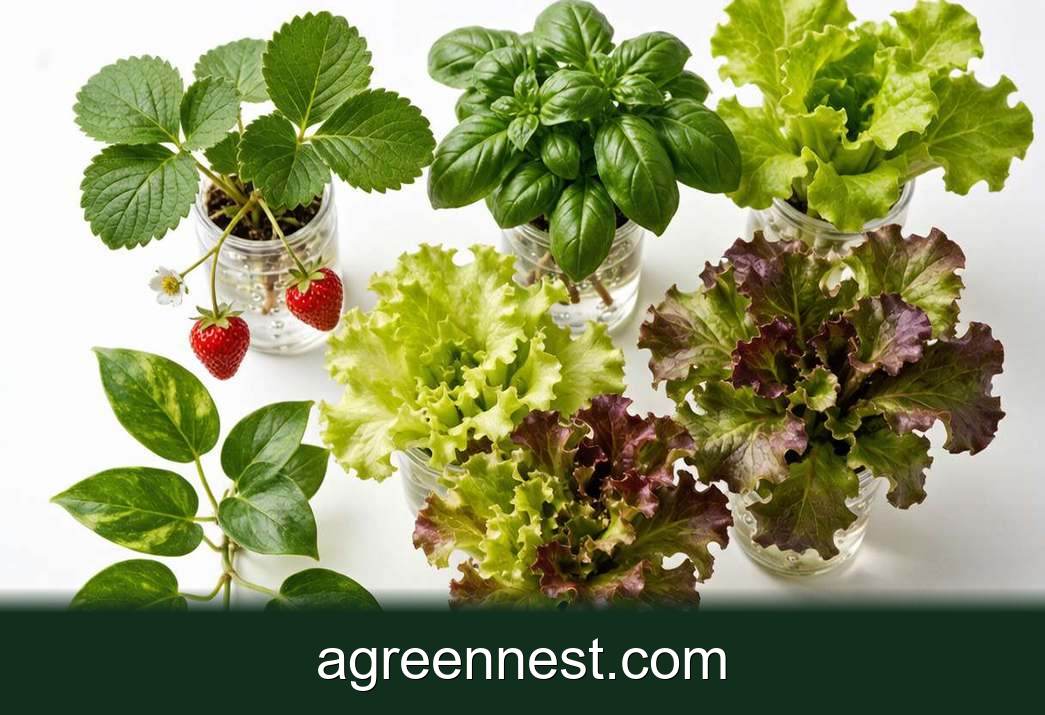
Match the plant to the method. Leafy greens and herbs suit simple passive systems, while heavy feeders need active, well-aerated, nutrient-rich setups.
- Start with lettuce, basil, mint, or spinach for easy wins.
- Save tomatoes and peppers for a pumped, larger system.
- Read the crop's light and feed needs before you commit.
- Celebrate small successes; confidence builds with each harvest.
Right plant, right system removes half the stress of learning hydroponics.
Frequently Asked Questions
Q: Do all hydroponic systems need an air pump?
A:
No, shallow Kratky jars use an air gap, but deeper reservoirs need a pump to keep roots oxygenated.
Q: What pH should my nutrient water be?
A:
Keep it between 5.5 and 6.5 so plants can absorb nutrients; test weekly to stay in range.
Q: Why is my hydroponic water turning green?
A:
Light is reaching the solution and growing algae; use opaque, covered containers to stop it.
Q: How do I know if I overfed my plants?
A:
Brown, crispy leaf tips and stunted new growth signal nutrient burn; dilute the solution.
Q: Can root rot be fixed in water culture?
A:
Yes, trim rotted roots, clean the container, refresh solution, and improve aeration and light control.
Q: What is the easiest plant to avoid mistakes with?
A:
Loose-leaf lettuce and basil are forgiving and ideal for learning the basics safely.
Most hydroponic failures trace back to a short list of avoidable errors, and now you know each one and its fix. Build the simple weekly habits above and your soil-free garden will reward you with steady harvests. For a full setup walkthrough, visit our beginner hydroponics guide and grow with GreenNest confidence.
Comments
Share your experience or ask a question. Comments are stored locally in your browser for this demo.