 GreenNest
Hydroponic Growing
Grow Pothos in Water: A Beginner's Care Guide
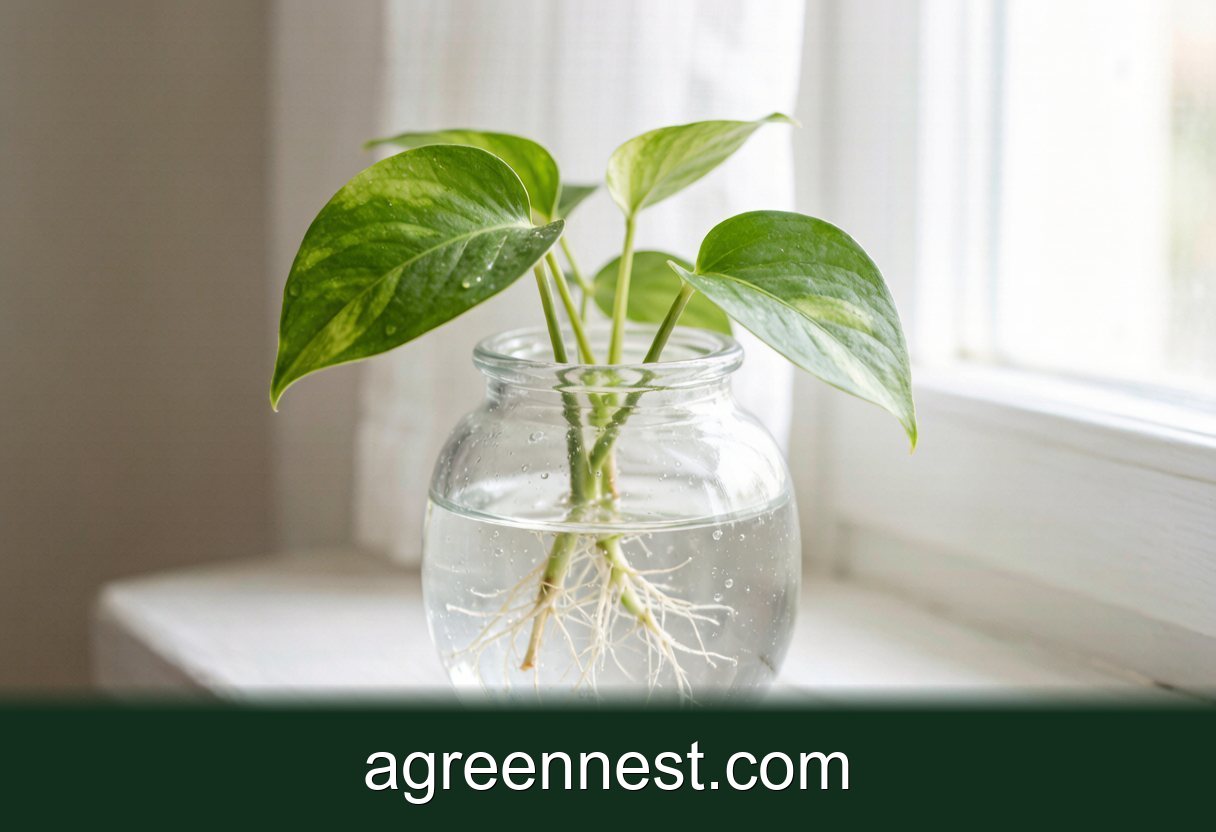
Pothos is the friendly pioneer of water gardening. A single cutting dropped in a glass of water will sprout roots in weeks, making it the perfect first step into soil-free growing.
Why Pothos Loves Water
Pothos, also called devil's ivy, is a tropical vine that naturally climbs trees and trails along humid forest floors. Its roots adapt beautifully to water because they stay consistently moist without the risk of drying out. Unlike many houseplants, pothos does not demand a soil buffer to survive.
The result is a plant that is nearly impossible to kill by neglect. As long as the water is reasonably fresh and the light is decent, your cutting will keep growing. That resilience is exactly why GreenNest recommends pothos as a gateway to hydroponics.
Propagating From a Cutting
Starting new plants from an existing pothos is simple and satisfying. You only need a healthy mother plant, clean scissors, and a clear jar.
- Find a vine with at least four leaves and cut just below a node, the bump where leaves meet the stem.
- Remove the lowest leaf so no foliage sits underwater.
- Place the cutting in a jar of room-temperature water, covering one or two nodes.
- Set it in bright, indirect light and wait. Roots usually appear in two to three weeks.
Change the water once a week at first to keep oxygen high and prevent slimy roots. Within a month you will have a rooted cutting ready to display or share with a friend.
Setting Up a Long-Term Water Jar
A cutting can live in water far beyond the rooting stage. Many GreenNest readers keep pothos in vases for years, treating them as permanent living decor. The trick is moving from "just water" to a lightly fed solution.
Choose a vessel that supports the stem without letting leaves dunk in. A narrow-neck vase works well, or use a net cup and pebbles in a wider jar. Keep the water level stable so the roots stay submerged but the stem stays dry.
Changing and Topping Up Water
Even a permanent water pothos needs fresh water. Stagnant water loses oxygen and can grow bacteria that turn roots brown and mushy. A weekly top-up plus a full change every two to three weeks keeps things healthy.
When you change the water, rinse the roots gently under lukewarm tap water to wash away any film. Let tap water sit out for a few hours first so chlorine can dissipate, or use filtered water. Cloudy water is a signal to change immediately rather than wait.
Adding a Tiny Nutrient Dose
Plain water alone will keep pothos alive but not thriving. After the first month, leaves may look smaller or paler as the cutting exhausts its stored energy. A light dose of hydroponic nutrients makes a visible difference.
Use about one-quarter of the strength recommended for leafy greens, because pothos is a light feeder. Mix it into fresh water during your regular change, and you will notice fuller leaves and faster vine growth. Too much fertilizer, though, will scorch the tips, so when in doubt, go weaker.
When to Move to Soil
Some growers wonder whether a water pothos should eventually move to a pot. The honest answer is: only if you want to. Pothos can live indefinitely in water with the right care.
Move it to soil if the plant outgrows its jar, if you want bushier growth, or if roots look weak despite good care. To transition, pot it in a well-draining mix and keep the soil lightly moist for the first two weeks so water-trained roots can adjust. Expect a brief sulk as it adapts, then fresh growth will resume.
Common Problems in Water
Even easy plants hit snags. Here are the usual suspects and quick fixes.
- Yellow leaves: often normal for the oldest leaf, but widespread yellowing means too little light or nutrient.
- Brown mushy roots: a sign of rot; trim them and change water more often.
- Cloudy or smelly water: bacteria buildup; rinse roots and sterilize the jar.
- Algae on glass: too much sun; move to indirect light or wrap the jar.
A clean jar and a weekly water habit solve almost every issue before it spreads.
Frequently Asked Questions
Q: Can you grow plants in just water?
A:
Yes, pothos is one of the easiest plants to grow and keep alive long term in nothing but water and light.
Q: How long can pothos live in water?
A:
Indefinitely. With weekly water changes and a light nutrient dose, pothos can thrive in water for years.
Q: Do I need fertilizer for pothos in water?
A:
Not at first, but a weak hydroponic nutrient dose after a month keeps leaves full and growth strong.
Q: Why are my pothos roots turning brown?
A:
Brown mushy roots usually mean rot from stale water; trim them and change the water more frequently.
Q: Should I move my water pothos to soil?
A:
Only if you want bushier growth or it outgrows the jar; otherwise it can stay in water permanently.
Q: How much light does a water pothos need?
A:
Bright, indirect light is ideal. Low light slows growth but the plant will still survive.
Growing pothos in water is the gentlest introduction to soil-free gardening you will find. It costs almost nothing, looks lovely on a shelf, and teaches the core habits every hydroponic grower needs. Ready to branch out? Explore our beginner hydroponics guide for systems that grow food, not just foliage.
Comments
Share your experience or ask a question. Comments are stored locally in your browser for this demo.