 GreenNest
Hydroponic Growing
Aeroponics for Beginners: Mist Your Roots
Aeroponics grows plants with their roots suspended in air and misted with nutrient solution. This soil-free method gives roots maximum oxygen, which can produce faster, cleaner growth than any flooded system.
How Aeroponics Works
In an aeroponic system, the plant sits in a collar above a sealed chamber. A pump pushes nutrient solution through misting nozzles that spray the bare roots several times per minute.
Roots hang in humid, oxygen-rich air between mists instead of sitting in water. Because roots never fully submerge, they absorb oxygen freely while taking up water and nutrients from the fine droplets.
This constant access to air is why aeroponic plants often outgrow drip or deep water systems. The trade-off is that roots dry out fast if the mist stops, so reliability matters.
Low-Pressure vs High-Pressure Systems
Low-pressure aeroponics uses a standard pond pump and ordinary spray nozzles. It is cheap and beginner-friendly, producing droplets around 50 to 100 microns that still coat roots well.
High-pressure aeroponics (HPA) uses a 60 to 100+ PSI pump and special misting heads. It creates a true ~5 micron fog that clings evenly to every root hair for the fastest growth.
For home beginners, low-pressure setups are the smarter start. High-pressure systems cost more and need precise nozzles, but they deliver unmatched root coverage for serious growers.
Pros of Aeroponics
The headline benefit is oxygen. Roots bathed in mist stay bright white and fibrous, which supports rapid nutrient uptake and strong, healthy plants.
Growth speed is noticeable. Leafy greens and herbs often reach harvest a week or two sooner than in other hydroponic styles because nothing limits their breathing room.
Aeroponics also uses very little solution. The closed chamber recycles almost all mist, so you save water and nutrient compared with runoff drip systems.
Cons to Consider
Clog risk is the main weakness. Tiny nozzles block easily if your nutrient mix has sediment or if you skip filtering, which can starve roots within minutes.
Pump dependence is real. Unlike Kratky jars, an aeroponic garden fails quickly without power, so a backup battery pump is wise for long outages.
Setup is slightly more fiddly than a bucket system. You must seal the chamber, aim nozzles, and tune mist timing, though a starter kit simplifies the build.
A Simple Mason-Jar Aeroponic Setup
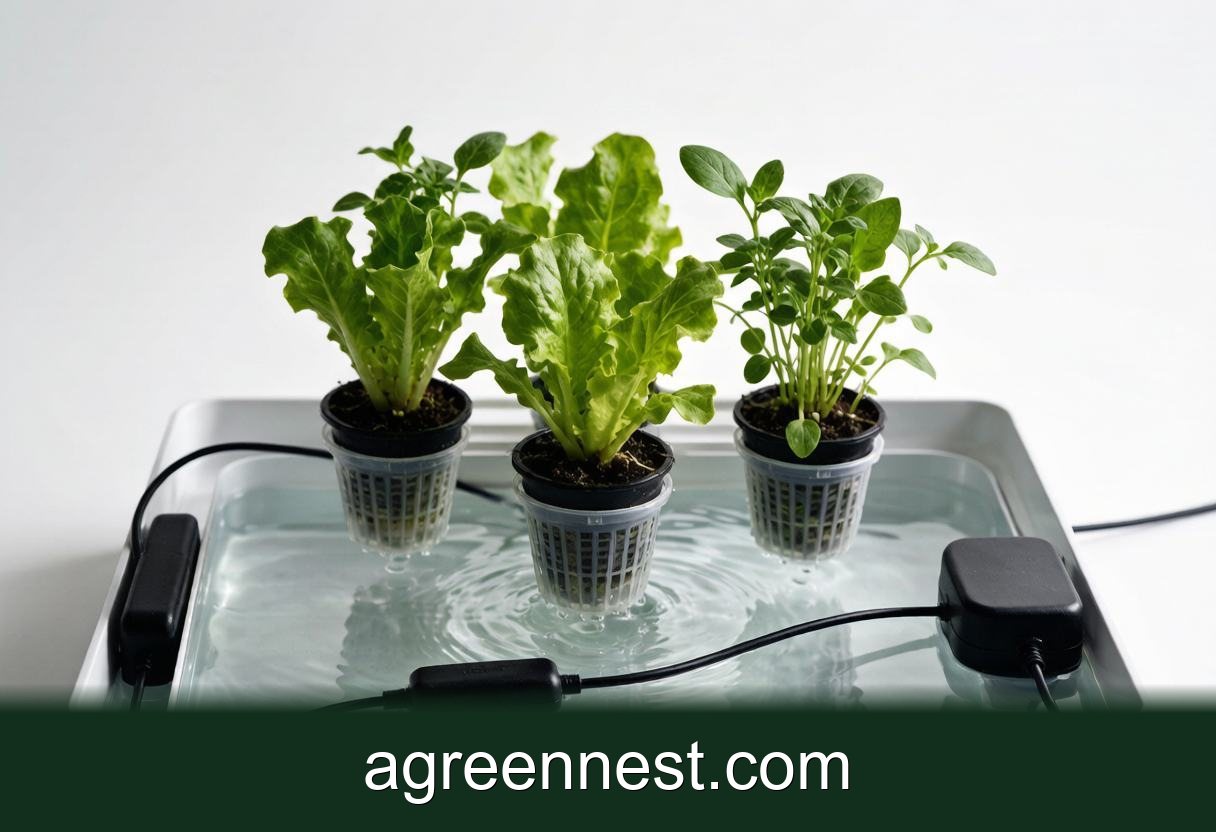
You can build a tiny aeroponic unit from a wide-mouth mason jar and a small fountain pump. Cut a hole in the lid for a net pot and route a thin tube to a single misting nozzle inside.
Fill the jar with nutrient solution and secure the plant in the collar so roots dangle into the chamber. Run the pump on a timer for 1 to 2 minutes every 5 minutes during light hours.
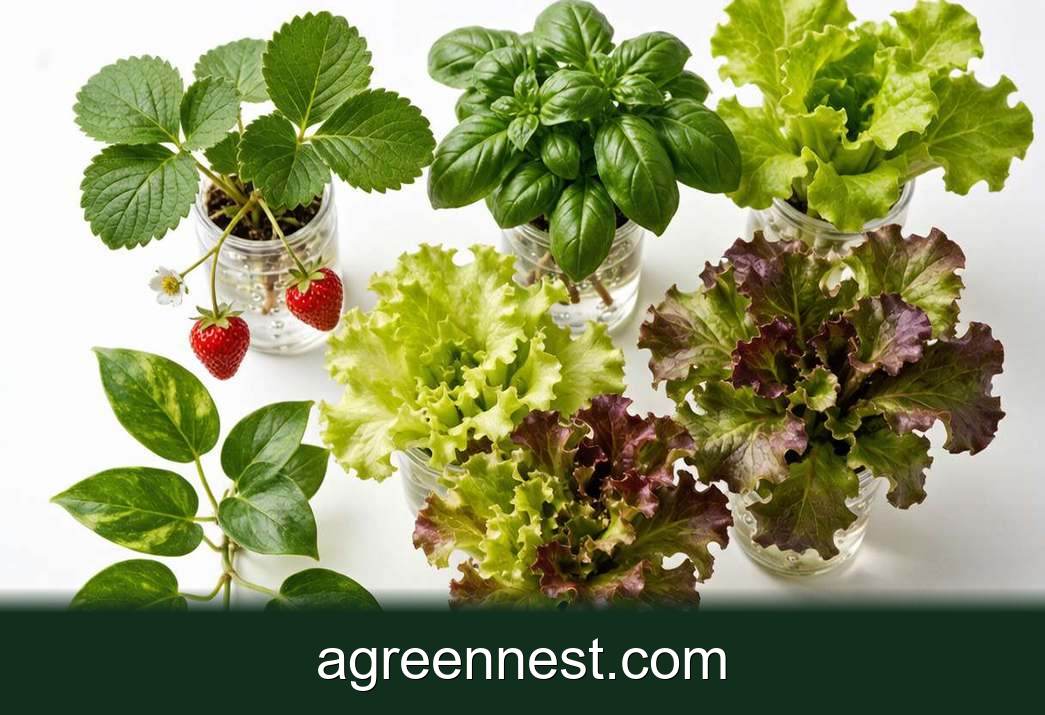
This mini rig is perfect for herbs like basil (Ocimum basilicum) or lettuce (Lactuca sativa). It teaches misting timing before you scale to a multi-plant tower.
Use a quality liquid nutrient formula and keep the jar out of direct sun so algae does not cloud the solution. A small air stone in the jar adds backup oxygen during pump pauses.
EC and pH Targets
Aeroponic roots are efficient, so you can run slightly lean. Aim for EC 1.2 to 2.0 mS/cm for leafy greens and up to 2.4 mS/cm for light fruiting crops.
Keep pH between 5.5 and 6.0, a touch more acidic than many systems because misting exposes roots fully to the solution. Check pH daily since small volumes shift faster than big reservoirs.
Hold the chamber solution near 65 to 70°F (18-21°C). Cool, oxygen-rich mist keeps roots white and prevents the slimy buildup that warm stagnant air encourages.
Scaling Beyond the Jar
Once your mason-jar rig thrives, move to a multi-site tower with a shared reservoir and several misters. A 5 to 10 gallon tub supports 6 to 12 plants using one low-pressure pump.
Group fast-growing herbs together so mist timing stays simple. Keep lettuce (Lactuca sativa) and basil (Ocimum basilicum) in one chamber rather than mixing slow and fast drinkers.
Label your timer schedule and log EC, pH, and mist minutes weekly. A short notebook turns trial and error into repeatable success as your aeroponic garden grows.
Frequently Asked Questions
Q: What is aeroponics in simple terms?
A:
Aeroponics mists plant roots with nutrient solution while they hang in air, giving roots high oxygen for fast, clean growth.
Q: What is the difference between low and high pressure aeroponics?
A:
Low-pressure uses a pond pump with coarse spray, while high-pressure uses 60-100+ PSI to create a fine ~5 micron mist.
Q: What EC and pH should aeroponics use?
A:
Use EC 1.2 to 2.4 mS/cm and pH 5.5 to 6.0, checking pH daily because small mist chambers shift quickly.
Q: Can I build aeroponics from a mason jar?
A:
Yes, a wide-mouth jar, small pump, net pot, and one nozzle make a simple herb rig that teaches misting timing cheaply.
Q: Why are aeroponic nozzles prone to clogging?
A:
Tiny misting holes block on sediment or algae, so filter nutrients and flush nozzles to keep roots from drying out.
Q: How often should the mist pump run?
A:
Mist 1 to 2 minutes every 5 minutes in light hours for a jar rig, shortening intervals if roots look dry.
Aeroponics is a fun, high-oxygen way to grow herbs and greens right on your counter. Pair your build with feeding details in our beginner hydroponics guide at nutrient guide to keep roots white and productive.
Comments
Share your experience or ask a question. Comments are stored locally in your browser for this demo.