 GreenNest
Hydroponic Growing
DIY Drip Hydroponic System for Beginners
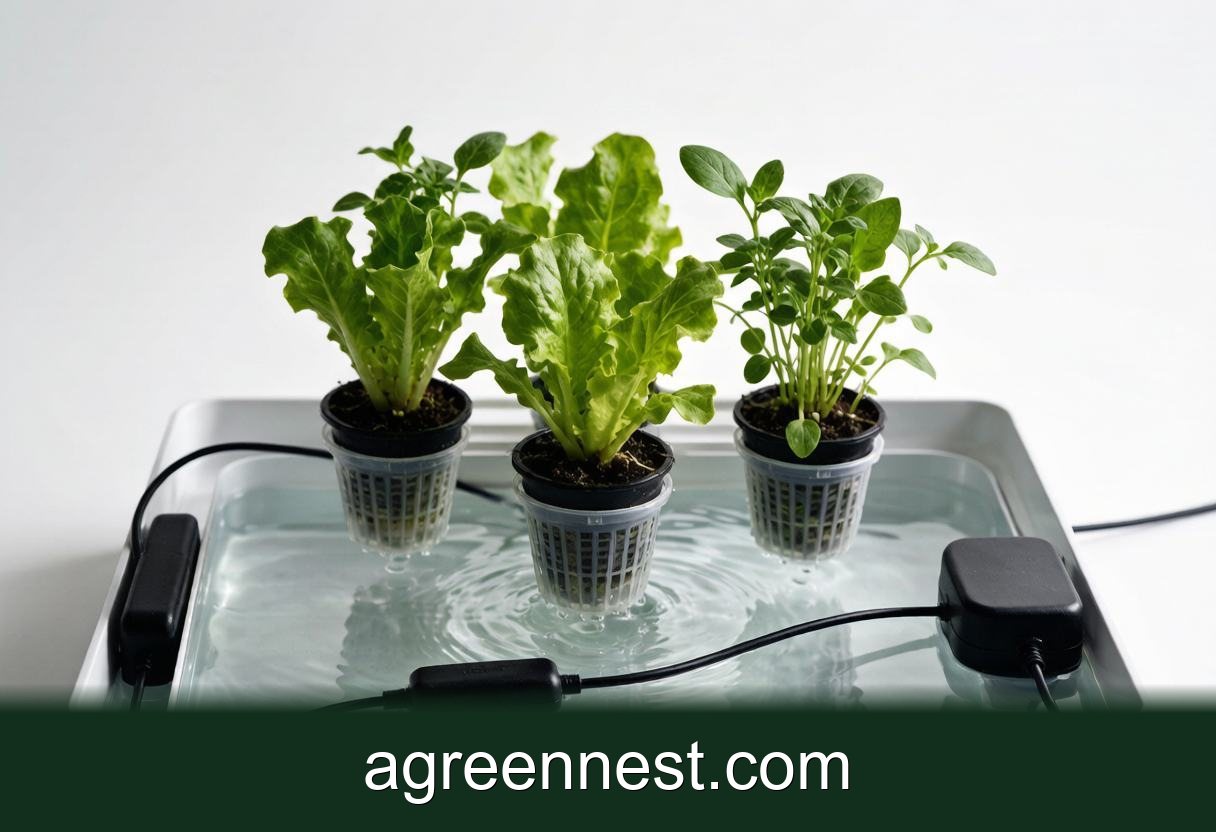
A DIY drip hydroponic system delivers nutrient solution straight to each plant on a timer. It is one of the most forgiving setups for beginners because roots never sit fully submerged and recovery from mistakes is gentle.
How a Drip System Works
Drip hydroponics uses a pump to push nutrient solution through small tubes to emitters above each plant. The solution drips onto the grow medium, feeds the roots, and the excess drains back to the reservoir.
This recirculating loop keeps plants evenly hydrated without drowning them. Because only the root zone stays moist, oxygen reaches the roots between cycles and growth stays vigorous.
Parts List
You will need a short, specific list of hardware to get started. Most of it is available at hardware stores or in a complete hydroponic kit.
- Reservoir: a 5 to 20 gallon food-grade tub holds the nutrient solution.
- Submersible pump: 120 to 250 GPH suits small home systems.
- Drip emitters: 1 to 2 GPH pressure-compensating emitters per plant.
- Tubing: 1/2 inch main line with 1/4 inch feeder lines.
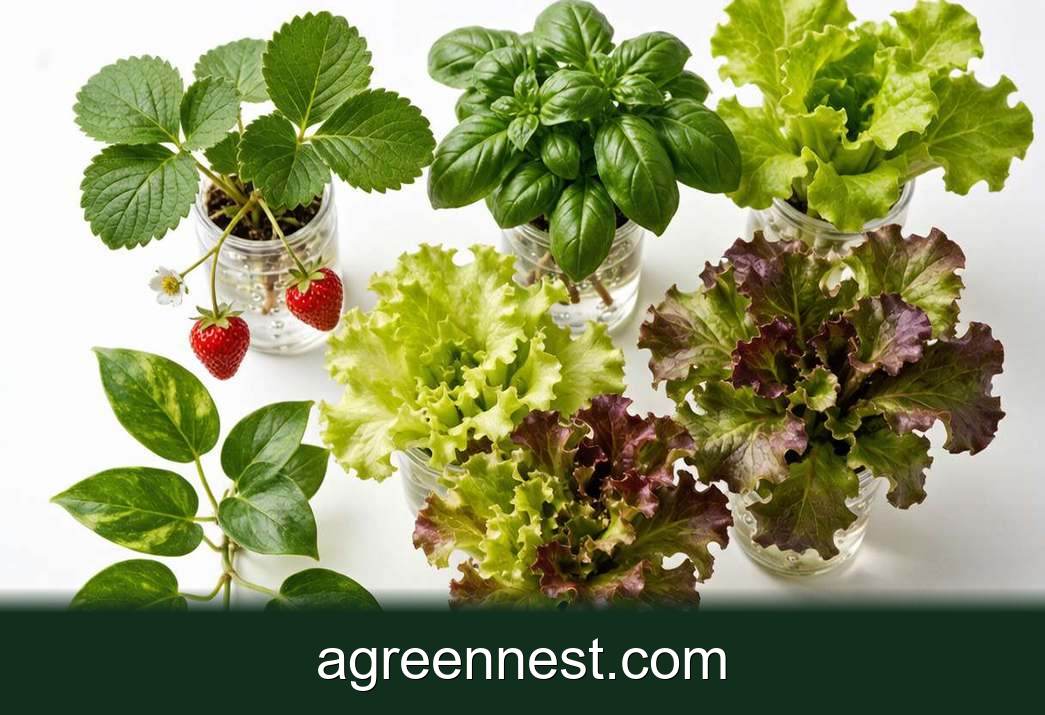
- Grow medium: coco coir, perlite, or clay pebbles (LECA) in net pots.
- Timer: a digital timer to cycle the pump several times daily.
- Air stone and pump: keeps reservoir oxygen high between feeds.
Quality nutrients matter as much as plumbing. A balanced liquid nutrient set with separate grow and bloom formulas keeps EC and pH easy to manage.
Step-by-Step Setup
Start by placing the reservoir below your plant tray so gravity returns drained solution. Drill a drain hole in the tray and route it back into the tub to close the loop.
Next, lay the 1/2 inch main tube from the pump across the tray. Connect 1/4 inch feeder lines to each net pot location and cap them with drip emitters pointed at the medium.
Fill net pots with coco coir or clay pebbles and set seedlings in place. Mix nutrient solution to an EC of 1.2 to 2.4 mS/cm for leafy crops, or 2.0 to 3.5 mS/cm for fruiting crops, and set pH to 5.5-6.5.
Program the timer to run the pump 5 to 10 minutes every 2 to 3 hours during daylight. Add the air stone to the reservoir and confirm the pump refills the tray without overflowing.
Run Times and Tuning
A good starting schedule is 5 to 10 minutes of pumping every 2 to 3 hours. In hot rooms or with large plants, run closer to 10 minutes and tighten the interval to every 2 hours.
Watch the medium between cycles. It should feel lightly moist, not soaking, and never fully dry. Adjust run minutes up or down by a minute at a time rather than big jumps.
Reservoir temperature should stay near 65 to 72°F (18-22°C). Warm solution above 75°F (24°C) loses oxygen fast and invites root rot, so shade the tub if needed.
Pros and Cons
The biggest advantage is reliability. Drip systems tolerate pump failures better than DWC because roots are not fully submerged, buying you time to fix issues.
They also scale easily from 4 to 40 plants by adding emitters and a larger reservoir. Maintenance is simple: top off water, check EC, and clean lines monthly.
On the downside, emitters can clog with mineral buildup if you skip filter or maintenance steps. The setup also has more tubing and fittings than a simple Kratky jar, so initial assembly takes an hour or two.
Maintenance Routine
Check EC and pH every 1 to 2 days and top off the reservoir with plain water as plants drink. A full nutrient change every 1 to 2 weeks keeps salt levels balanced.
Flush emitter lines with dilute vinegar or a line cleaner monthly to prevent clogs. Inspect roots for white, healthy color and trim any brown mushy sections promptly.
Sanitize the reservoir between crop cycles with a 10% bleach rinse, then rinse twice with clean water. Clean gear now means fewer disease problems later.
Frequently Asked Questions
Q: How long should a drip hydroponic pump run?
A:
Run the pump 5 to 10 minutes every 2 to 3 hours during the day, lengthening cycles for hot rooms or large plants.
Q: What EC and pH work for a drip system?
A:
Use EC 1.2 to 2.4 mS/cm for greens or 2.0 to 3.5 for fruiting plants, with pH held at 5.5 to 6.5.
Q: Can drip emitters clog easily?
A:
Yes, mineral buildup can clog emitters, so use a filter and flush lines with a cleaner every month to keep flow steady.
Q: Is a drip system good for beginners?
A:
It is very beginner-friendly because roots are not fully submerged, so small mistakes are easy to correct without losing plants.
Q: What reservoir temperature is best?
A:
Keep nutrient water near 65 to 72°F (18-22°C) so roots stay oxygenated and root rot stays away.
Q: How often should I change the nutrient solution?
A:
Fully replace the solution every 1 to 2 weeks and top off with water between changes to keep salt balance stable.
A DIY drip system is a low-stress entry into soil-free gardening that grows with you. Browse more setups and feeding schedules in our beginner hydroponics guide at our beginner hydroponics guide to keep your garden thriving.
Comments
Share your experience or ask a question. Comments are stored locally in your browser for this demo.