 GreenNest
Hydroponic Growing
Hydroponic Bell Peppers: A Beginner's Grow Guide
Growing bell peppers (Capsicum annuum) without soil is easier than most beginners expect. With the right nutrient balance, strong light, and a little support, a single hydroponic plant can produce a steady supply of crisp, sweet peppers.
Choosing Your Hydroponic System
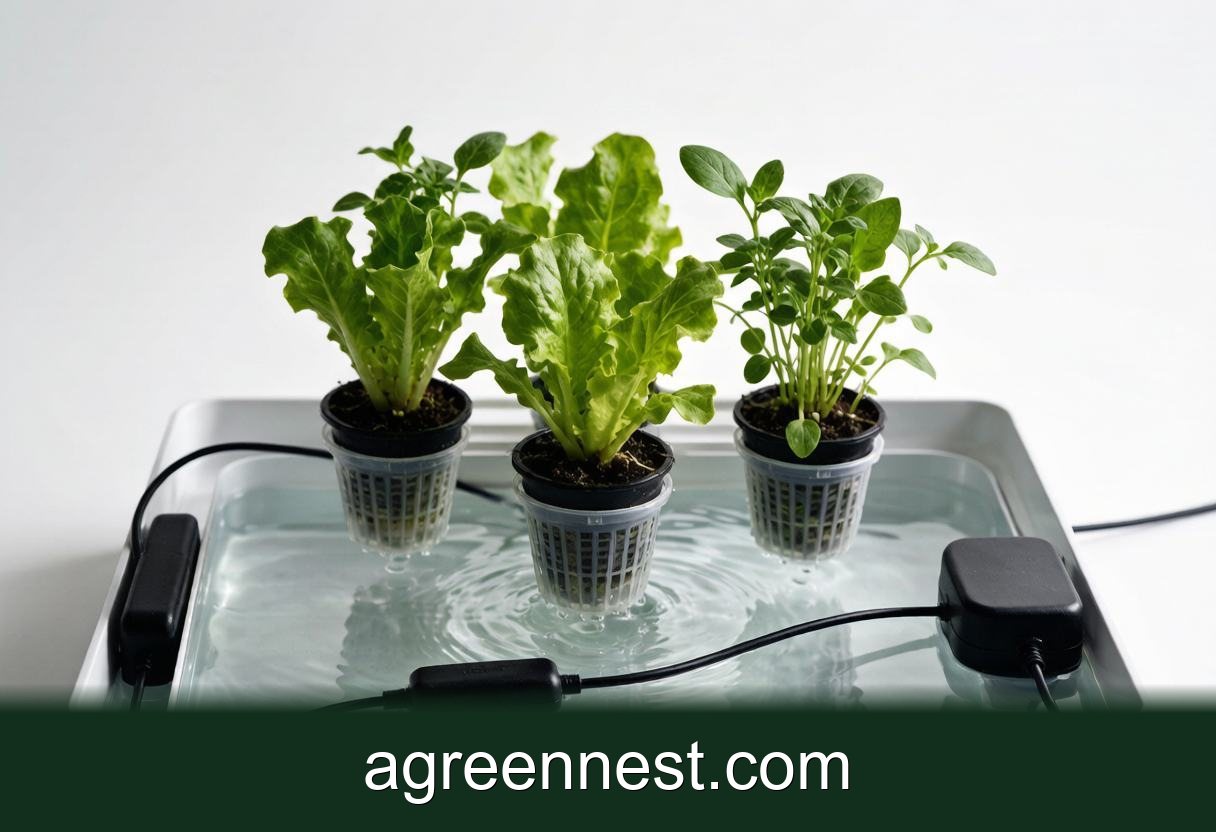
Not every hydroponic setup suits a tall, fruiting crop like peppers. Deep water culture (DWC) and drip systems are the two friendliest choices for Capsicum annuum because they hold a large reservoir and keep roots consistently fed.
Ebb and flow tables also work, but peppers prefer steady moisture over wet-dry cycling. If you are just starting out, a simple bucket-based DWC or a recirculating drip system gives the most predictable results.
For a compact indoor garden, consider a complete starter setup such as a ready-made hydroponic kit, which bundles the reservoir, pump, and net pots you need. These kits remove guesswork and let you focus on tuning the nutrient recipe.
Nutrient Strength and pH Targets
Bell peppers are moderate to heavy feeders, so your electrical conductivity (EC) matters. Aim for an EC of 2.0 to 3.5 mS/cm, starting near 2.0 mS/cm for young plants and climbing toward 3.5 mS/cm once fruits set.
Keep the nutrient solution slightly acidic. A pH between 5.8 and 6.3 lets peppers absorb calcium, magnesium, and iron without lockout. Test pH daily with a calibrated pen and adjust using pH up or down solutions.
Reservoir temperature is another quiet key to success. Hold the nutrient water between 65 and 72°F (18-22°C) so roots stay oxygenated and pathogens stay away. A small aquarium heater or chiller keeps the range steady through the seasons.
Lighting for Fruiting Peppers
Peppers need long, intense light to move from flowers to fruit. Provide 14 to 16 hours of strong light per day using full-spectrum LEDs rated around 30-40 watts per square foot.
During the seedling stage you can run 16-18 hours, then settle into a steady 14-16 hour cycle for mature plants. A timer keeps the photoperiod consistent, which prevents flower drop and uneven ripening.
If growth looks stretchy or pale, increase light intensity before adding more nutrients. Light, not fertilizer, is usually the missing ingredient for indoor peppers.
Support, Trellising, and Pollination
A loaded pepper plant gets top-heavy fast. Install a stake, cage, or vertical trellis string at transplant so stems never snap under fruit weight.
Good airflow matters for pollination too. Gently shake flowering stems once a day or run a small fan to move pollen between blossoms. In enclosed indoor rooms, a soft paintbrush works as a handy manual pollinator.
Watch for blossom-end rot, a calcium issue signaled by dark sunken spots on fruit. Stable pH and a calcium-rich nutrient mix prevent most cases before they start.
Choosing Pepper Varieties
Not all Capsicum annuum varieties behave the same in water. Compact types like 'California Wonder' and 'Yolo Wonder' are dependable bell peppers that stay manageable under a trellis indoors.
If space is tight, try smaller-fruited cultivars such as 'Cubanelle' or mini sweet peppers. They set fruit faster and need less support than the largest blocky bells.
Start seeds in rockwool cubes at 75-80°F (24-27°C) for strong germination. Transplant into your system once seedlings show 4 to 6 true leaves and roots peek from the cube.
Common Problems and Fixes
Yellow lower leaves often signal nitrogen shortage or overwatering warmth. Confirm EC stays above 2.0 mS/cm and reservoir temperature stays below 72°F (22°C).
Aphids and spider mites love warm indoor pepper patches. Wipe leaves with a damp cloth and release ladybugs, or use a gentle insecticidal spray at the first sign of pests.
Slow fruit set in summer usually means heat above 85°F (29°C) is sterilizing pollen. Cool the room or add airflow so flowers fertilize and peppers swell.
Harvest Timing and Yield
Most bell pepper varieties reach harvest about 60 to 90 days after transplant. Peppers are edible green, but leaving them on the plant 2-3 weeks longer turns them red, yellow, or orange with sweeter flavor.
Cut fruits with pruners rather than pulling, which protects the brittle branches. A healthy hydroponic plant can yield 8 to 12 peppers per season indoors, often more with strong light.
Successive harvesting encourages the plant to keep producing. Pick regularly so energy flows into new flowers instead of ripening old ones.
Frequently Asked Questions
Q: What EC should I use for hydroponic bell peppers?
A:
Target an EC of 2.0 to 3.5 mS/cm, beginning near 2.0 for young plants and rising to 3.5 once fruits form.
Q: What pH is best for hydroponic peppers?
A:
Keep nutrient solution pH between 5.8 and 6.3 to avoid nutrient lockout and support steady calcium uptake.
Q: How many hours of light do peppers need indoors?
A:
Provide 14 to 16 hours of strong full-spectrum light daily to trigger flowering and fruit set.
Q: How long until I can harvest hydroponic peppers?
A:
Expect to harvest roughly 60 to 90 days after transplant, with green fruit ready earliest and colored fruit a few weeks later.
Q: Do hydroponic peppers need hand pollination?
A:
In still indoor air, gently shake stems or use a small fan daily so pollen reaches each blossom and fruits develop.
Q: Why are my pepper fruits getting black spots?
A:
Dark sunken spots are blossom-end rot from calcium shortage; stabilize pH near 6.0 and keep nutrients consistent.
Hydroponic bell peppers reward patience with sweet, pesticide-free harvests right on your counter. For deeper setup help, explore our beginner hydroponics guide at our beginner hydroponics guide and keep your nutrient mix dialed in with a good liquid feed.
Comments
Share your experience or ask a question. Comments are stored locally in your browser for this demo.