 GreenNest
Hydroponic Growing
Hydroponics for Beginners: Soil-Free Plant Care
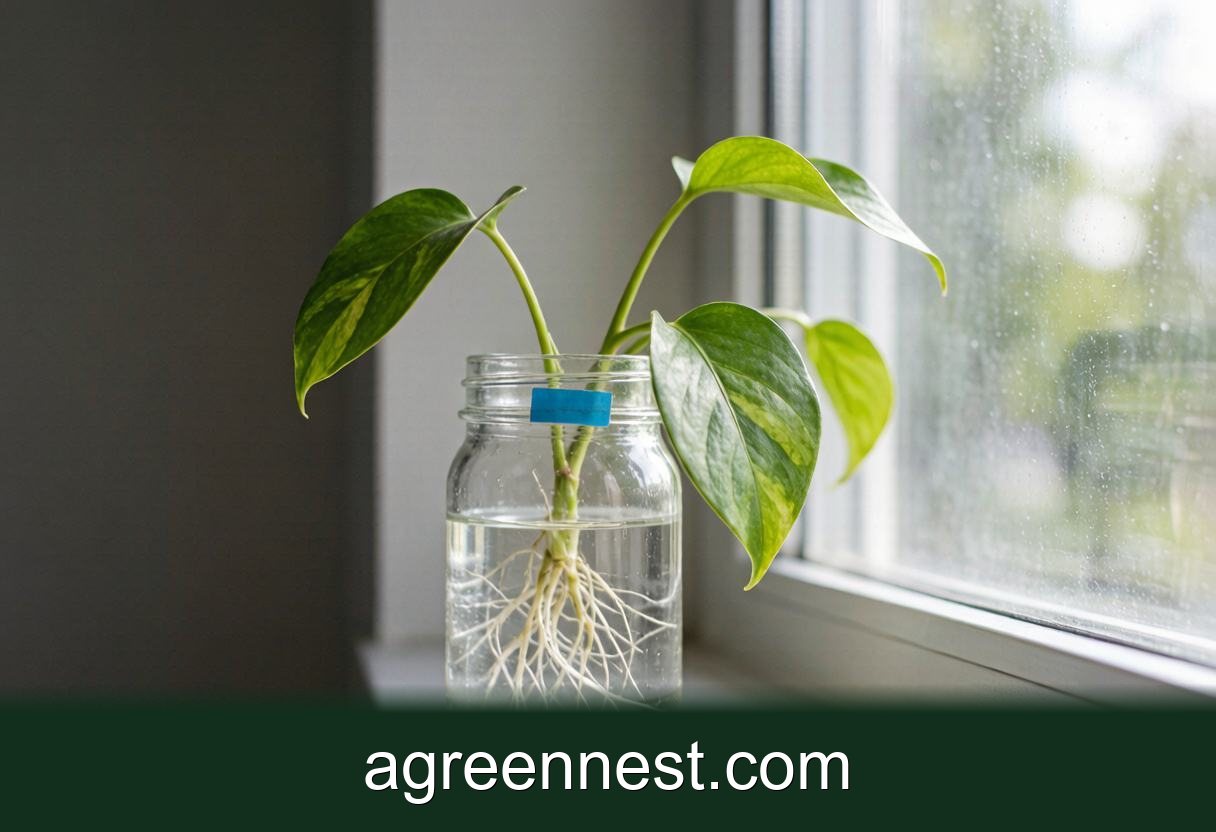
Hydroponics sounds like a high-tech hobby, but at its heart it simply means growing plants in water instead of soil. If you can keep a houseplant alive, you can absolutely grow food and greenery with this soil-free method.
What Is Hydroponics, Anyway?
Hydroponics is a way of growing plants by delivering nutrients directly through water. Instead of roots searching through dirt for food, the roots sit in a nutrient solution that feeds them everything they need. The plant spends less energy foraging and more energy growing leaves, flowers, and fruit.
There are many fancy systems out there, from vertical towers to automated greenhouses. The good news for beginners is that you do not need any of that. Some of the most reliable methods use nothing more than a jar, a bucket, and a bottle of liquid fertilizer.
Why Grow Without Soil?
Soil does three jobs in a traditional pot: it holds the plant up, stores water, and slowly releases nutrients. In hydroponics we replace those jobs with a support medium and a mixed nutrient solution. That swap brings a few real advantages for home growers.
- Faster growth because roots get food on demand.
- Fewer pests like fungus gnats that live in damp soil.
- Clean indoor growing with no muddy spills.
- Precise control over what your plant eats.
For a tidy home or a small apartment, soil-free growing is also just less messy. A jar of basil on the kitchen counter looks intentional rather than accidental.
The Easiest Systems for Beginners
You do not have to choose between ten complicated setups. Two methods cover almost every first-timer's needs, and both can be built from items you may already own.
The Kratky Jar Method
The Kratky method is the simplest hydroponic system ever invented. You place a plant in a container of nutrient water and let the water level slowly drop as the plant drinks. No pump, no electricity, no moving parts.
Start with a wide-mouth mason jar, a net cup that sits in the lid, and some clay pebbles to hold the plant. Fill the jar with nutrient solution, drop the plant in, and walk away. As the level falls, an air gap forms above the roots so they can breathe. It is perfect for a single lettuce, herb, or pothos cutting.
Deep Water Culture (DWC) Bucket
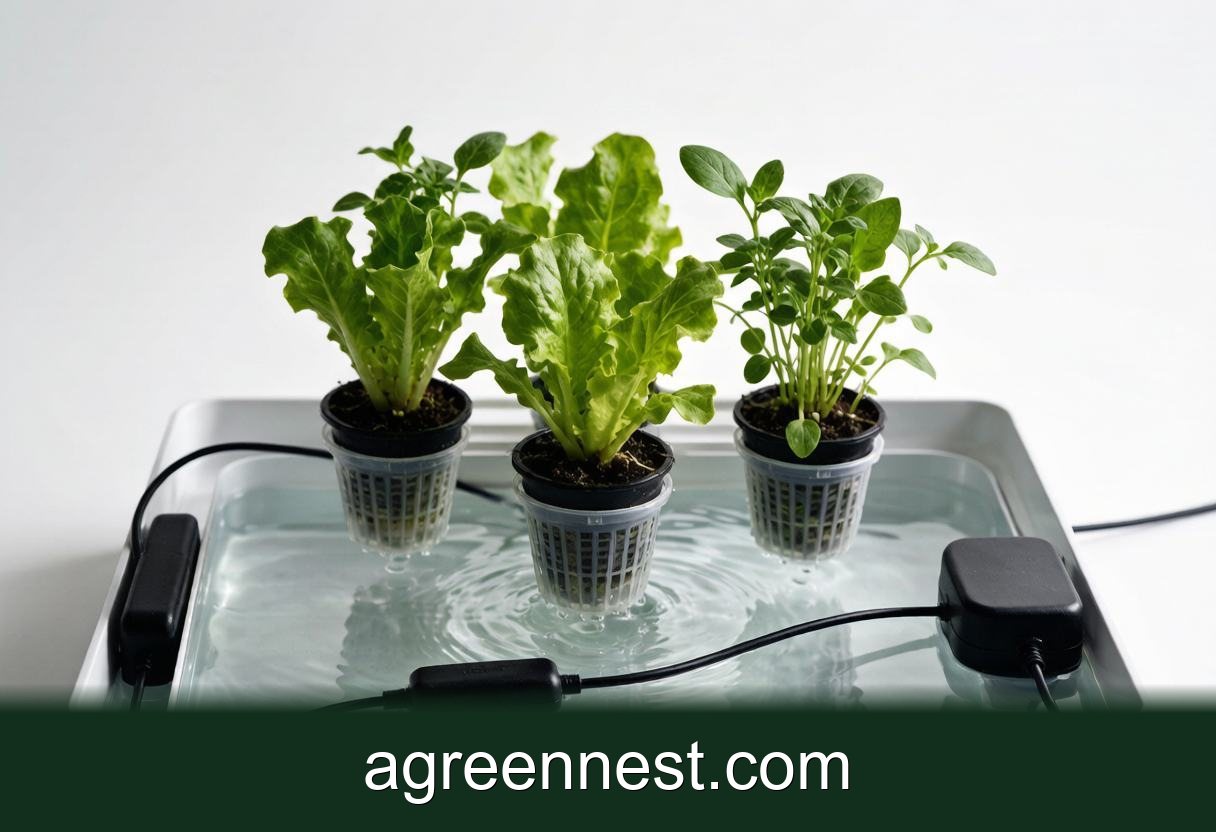
Deep water culture steps things up a notch. A plant sits in a lid on top of a bucket filled with nutrient solution, and a small air pump pushes bubbles through an air stone to keep the roots oxygenated. This method supports bigger plants and faster growth.
A five-gallon bucket, an air pump, tubing, and an air stone are the only hardware you need. DWC is the classic "bubbler" system you may have seen online, and it is still one of the most forgiving ways to grow leafy greens at home.
What You Need to Get Started
Before your first setup, gather a short shopping list. Most of it is cheap and reusable.
- A container: mason jar, food-safe bucket, or small tub.
- Net pots or a lid insert to hold the plant.
- Clay pebbles or perlite as a clean root support.
- A hydroponic nutrient mix (never use regular fertilizer).
- A pH test kit or digital pH pen.
- For DWC only: an air pump, tubing, and air stone.
Skip the temptation to grab garden fertilizer from the shed. Plants in water need a balanced mineral formula designed for hydroponics, because they have no soil to buffer mistakes.
Step-by-Step: Your First Setup
Let me walk you through a basic Kratky jar, which is the fastest win for a first-timer.
- Mix your nutrient solution using room-temperature water and the bottle's dilution chart.
- Check the pH and aim for a range of 5.5 to 6.5 using pH up or down drops.
- Fill the jar almost to the top with the solution.
- Rinse your clay pebbles and place the plant's roots gently into the net cup, surrounding them with pebbles.
- Set the net cup into the jar lid so roots touch the water but the stem stays dry.
- Put the jar in bright, indirect light and top up the solution as it drops.
Within a week you should see new root growth, and within a month you will have a visibly happier plant. That early success is what keeps beginners hooked.
How Much Does It Cost?
One of the best parts of starting with hydroponics is the low entry price. A single Kratky jar setup can cost under ten dollars if you reuse a jar from the kitchen. A full DWC bucket kit, including the air pump and stone, usually lands between twenty and forty dollars.
The only recurring cost is nutrient solution, and a single bottle lasts most home growers several months. Compared with buying fresh herbs every week, a small water garden often pays for itself in a single season.
Common Beginner Mistakes
Even simple systems fail for predictable reasons. Watch out for these.
- Using tap water straight from the tap without letting chlorine evaporate.
- Letting the stem or leaves sit in water, which invites rot.
- Forgetting to check pH, which locks out nutrients even when they are present.
- Adding too much fertilizer, causing nutrient burn on the tips.
Algae is another common surprise. If your clear jar turns green, move it to a darker spot or wrap the container in foil. Light plus nutrient water equals algae, so keep the reservoir shaded.
Frequently Asked Questions
Q: Can you grow plants in just water?
A:
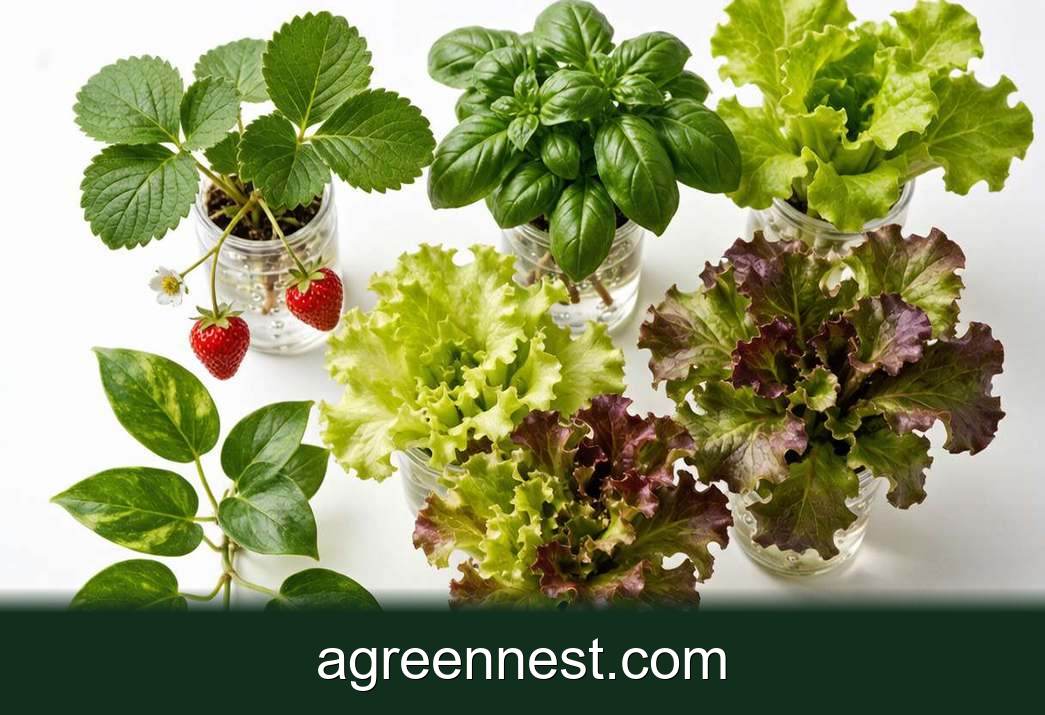
Yes. Many plants thrive in plain water with a balanced hydroponic nutrient mix, including lettuce, herbs, and pothos.
Q: Do I need electricity for hydroponics?
A:
No. The Kratky method uses no power at all, while deep water culture only needs a small air pump.
Q: What pH should my nutrient water be?
A:
Aim for 5.5 to 6.5. Outside that range, plants struggle to absorb nutrients even in a perfect mix.
Q: Is hydroponic food safe to eat?
A:
Absolutely. Plants grown in clean, food-safe containers with proper nutrients are just as safe as soil-grown ones.
Q: How often should I change the water?
A:
For Kratky jars, top up as needed and do a full change every two to three weeks to keep things fresh.
Q: Can I use garden soil fertilizer in water?
A:
No. Use a formula made for hydroponics, because soil fertilizers can clog systems and harm roots.
Hydroponics is far less intimidating than it looks, and a single jar of basil is the perfect place to start. Once you see those white roots shoot out, you will understand why so many GreenNest readers fall in love with soil-free growing. For your next step, browse our beginner hydroponics guide to pick the system that fits your space.
Comments
Share your experience or ask a question. Comments are stored locally in your browser for this demo.