 GreenNest
Hydroponic Growing
Kratky Method: The Easiest Soil-Free Way to Grow
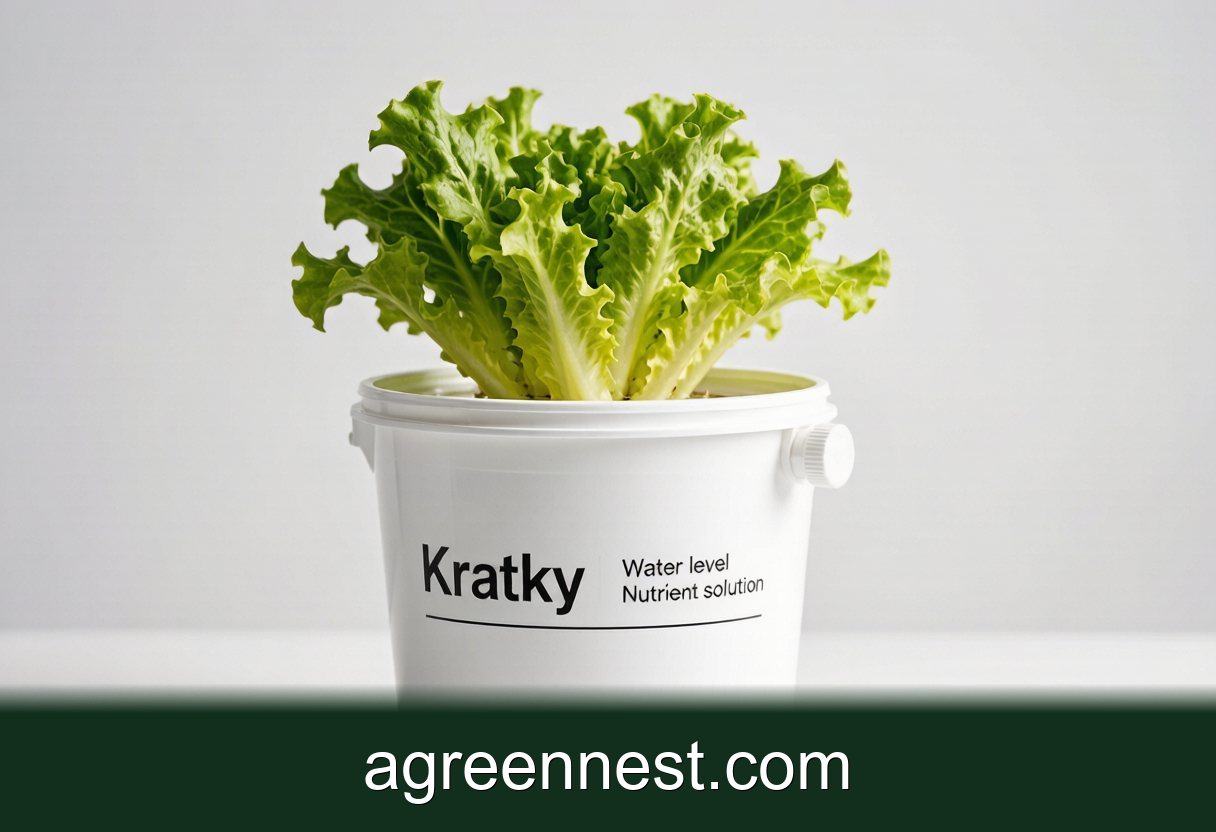
The Kratky method is the simplest way to grow plants without soil, and it powers itself with zero pumps or electricity. If you can fill a jar with water and nutrients, you can grow crisp lettuce on a shelf.
What Is the Kratky Method?
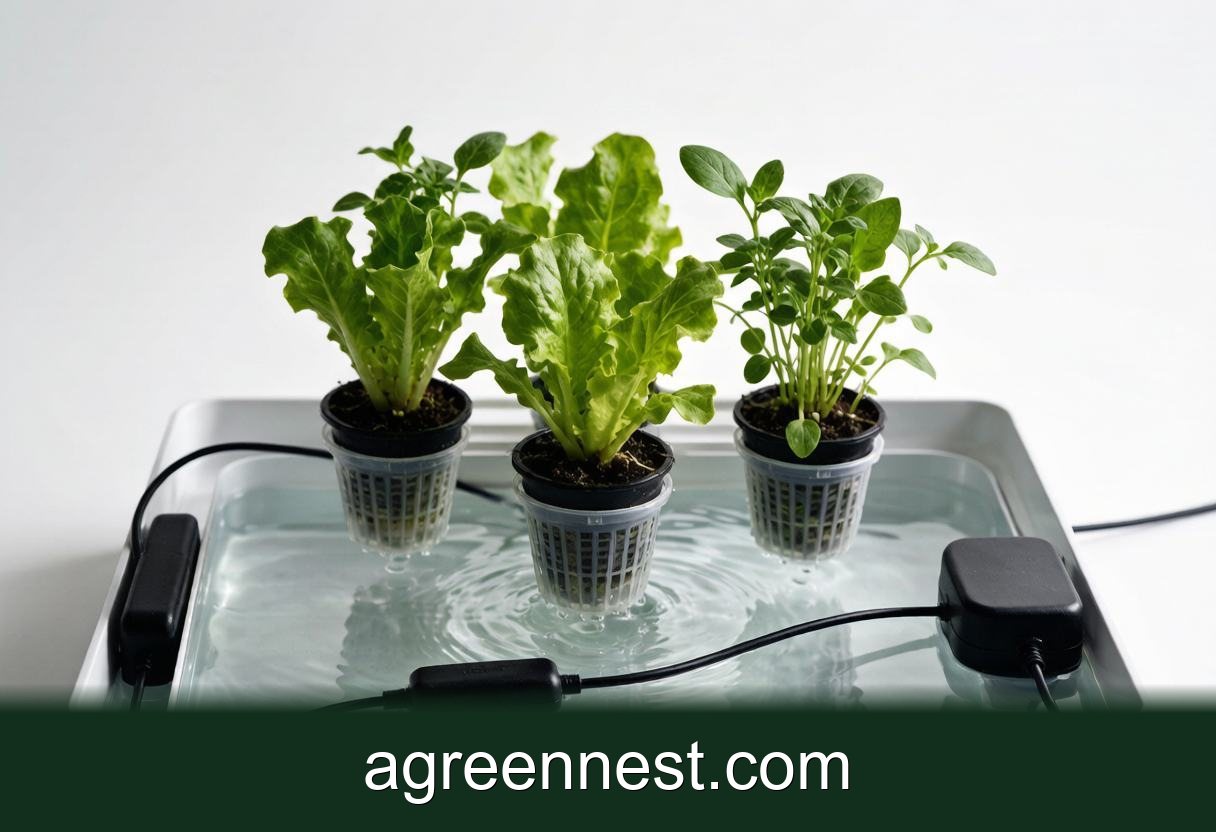
The Kratky method is a passive hydroponic technique named after Dr. Bernard Kratky of the University of Hawaii. Unlike active systems that bubble air through the roots, Kratky lets the plant sit above a still nutrient reservoir. As the water level drops, an air gap forms above the roots, giving them the oxygen they need.
There are no moving parts, no timers, and no cords. That makes it the most beginner-friendly entry point into soil-free gardening and a favorite for classrooms, apartments, and busy households.
Why It's the Easiest Home Method
Most hydroponic setups scare newcomers with air pumps, tubing, and constant monitoring. The Kratky method strips all of that away. You set it up once, walk away, and return to harvest.
- No electricity required, so it costs nothing to run.
- No pump or air stone to clog, fail, or hum through the night.
- Perfect for a sunny windowsill, balcony, or spare shelf.
- Great for teaching kids how plants actually drink and breathe.
- Scales from a single mason jar to a row of buckets.
The trade-off is that Kratky suits short-lived leafy crops best. Long fruiting plants like tomatoes eventually outgrow a passive reservoir, but lettuce, herbs, and greens thrive.
What You Need to Get Started
The supply list is short and cheap. Most items are already in your kitchen.
- An opaque container: a mason jar, plastic tub, or 5-liter bucket.
- A net pot or a foam collar to hold the plant.
- A lid or cover to block light from the water.
- Hydroponic nutrient solution made for leafy greens.
- A seedling started in rockwool, clay pebbles, or a sponge.
- pH test drops or a small meter, plus pH up or down.
Opaque containers matter more than people expect. Light in the reservoir grows algae, which competes with your plant and fouls the water. A dark bucket or a jar wrapped in tape does the job.
Step-by-Step Setup
Follow these steps and you will have a working Kratky garden in fifteen minutes.
1. Start a Healthy Seedling
Begin with a seedling that already has a few true leaves and a small root tail. Lettuce, basil, and mint all transplant well. Start seeds in rockwool cubes or a damp paper towel, then move them once roots appear.
2. Fill the Reservoir
Mix nutrient solution with plain water at the strength your bottle recommends, usually around 0.8 to 1.2 EC for greens. Check the pH and aim for 5.5 to 6.5, the sweet spot where roots absorb nutrients best.
3. Position the Plant in a Net Pot
Set the seedling in a net pot filled with clay pebbles for support. The cube or root should sit just above the water so only the very bottom touches the liquid at first. The pebbles wick a little moisture while holding the stem steady.
4. Leave the Air Gap
This is the heart of the method. Do not fill the container to the brim. Leave a gap of a few inches between the water surface and the net pot so the lower roots sit in liquid while upper roots hang in humid air.
5. Place It in Light
Give your container 12 to 16 hours of bright light daily. A sunny window works for some crops, but a small LED grow light delivers more reliable results, especially in winter.
Best Plants for the Kratky Method
Leafy greens are the undisputed winners here because they are light feeders and finish fast.
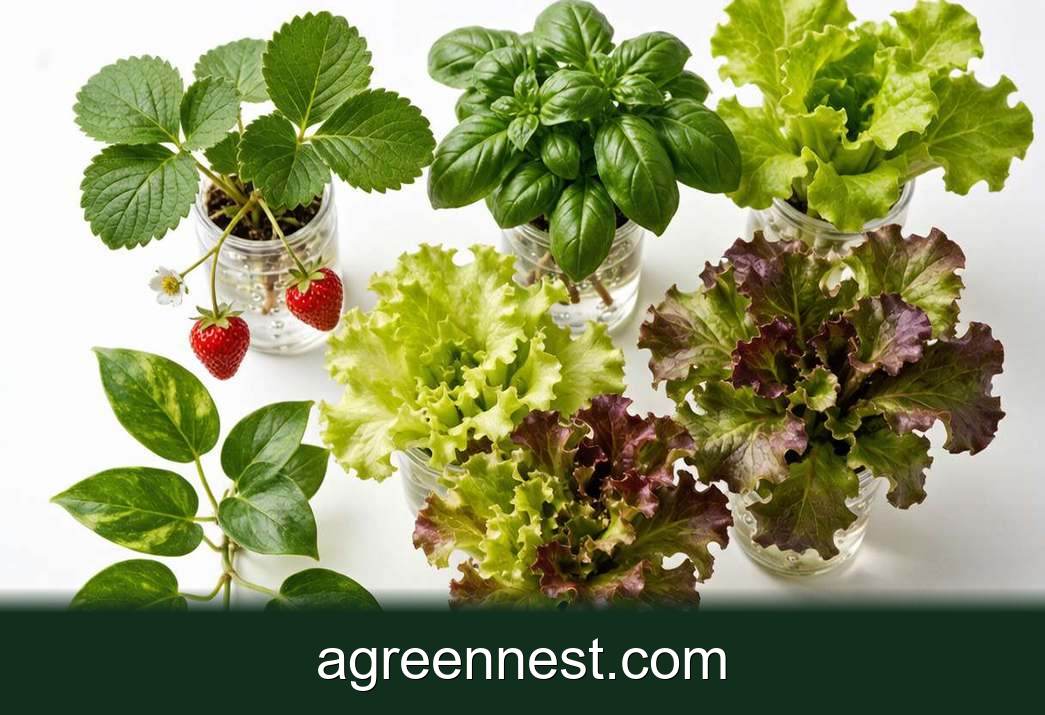
- Lettuce: loose-leaf types give weeks of cut-and-come-again leaves.
- Spinach and Swiss chard: steady growers with big nutritious leaves.
- Basil and mint: aromatic herbs that love the warm humid air.
- Bok choy and kale: sturdy greens that handle a passive system well.
- Strawberries: possible in a larger bucket, though they need more feed.
Skip heavy feeders like tomatoes and peppers for your first attempt. They drink faster than a still reservoir can supply and demand more nutrients than the simple method comfortably delivers.
Topping Up and Maintenance
One of the beauties of Kratky is that you rarely top up. The plant drinks the reservoir down to the end of its life, then you harvest and restart. For longer crops, you may need to refill once.
- Add plain pH-balanced water, not full-strength nutrients, when topping up.
- Keep the water line below the net pot so roots keep their air gap.
- Wipe any green film inside clear containers immediately.
- Replace the whole solution every three to four weeks if growth slows.
Watch the roots, not the calendar. White and firm is healthy. Brown, slimy, or smelly roots mean trouble, usually from heat or light in the water.
Common Failures and Quick Fixes
Even the easiest method has pitfalls. Here is how to dodge the big ones.
- Algae growth: caused by light hitting the water. Use an opaque container and tight lid.
- Root rot: from warm, light-exposed water. Keep the reservoir cool and dark.
- Nutrient burn: from mixing solution too strong. Follow label rates for leafy greens.
- Stunted growth: usually low light. Move to a brighter spot or add a grow light.
- pH drift: check weekly and correct so nutrients stay available to roots.
None of these are disasters if you catch them early. A thirty-second glance every few days keeps your Kratky garden on track.
Frequently Asked Questions
Q: Do you need an air pump for the Kratky method?
A:
No. The air gap above the dropping water line supplies oxygen, so no pump or air stone is required.
Q: What is the best plant to start with?
A:
Loose-leaf lettuce is ideal because it grows fast, feeds lightly, and tolerates a passive setup.
Q: How long can a Kratky plant go without refilling?
A:
A single lettuce in a liter of solution can reach harvest with no refill at all in cool conditions.
Q: Why is my Kratky water turning green?
A:
Light is reaching the reservoir and growing algae. Switch to an opaque container and cover the top.
Q: Can I use tap water for Kratky?
A:
Yes, but let chlorine dissipate for a day and always balance nutrients and pH before planting.
Q: Is the Kratky method truly organic?
A:
The technique is; whether it is organic depends on the nutrient solution you choose to use.
The Kratky method proves that great home-grown food does not need gadgets, pumps, or a big budget. Start with one jar of lettuce and you will quickly see why GreenNest calls it the friendliest way into hydroponics. For more crop ideas and setups, visit our beginner hydroponics guide and keep growing with confidence.
Comments
Share your experience or ask a question. Comments are stored locally in your browser for this demo.