 AGreenNest
Succulent Care
Aloe Vera Indoor Care: Grow a Healing Houseplant
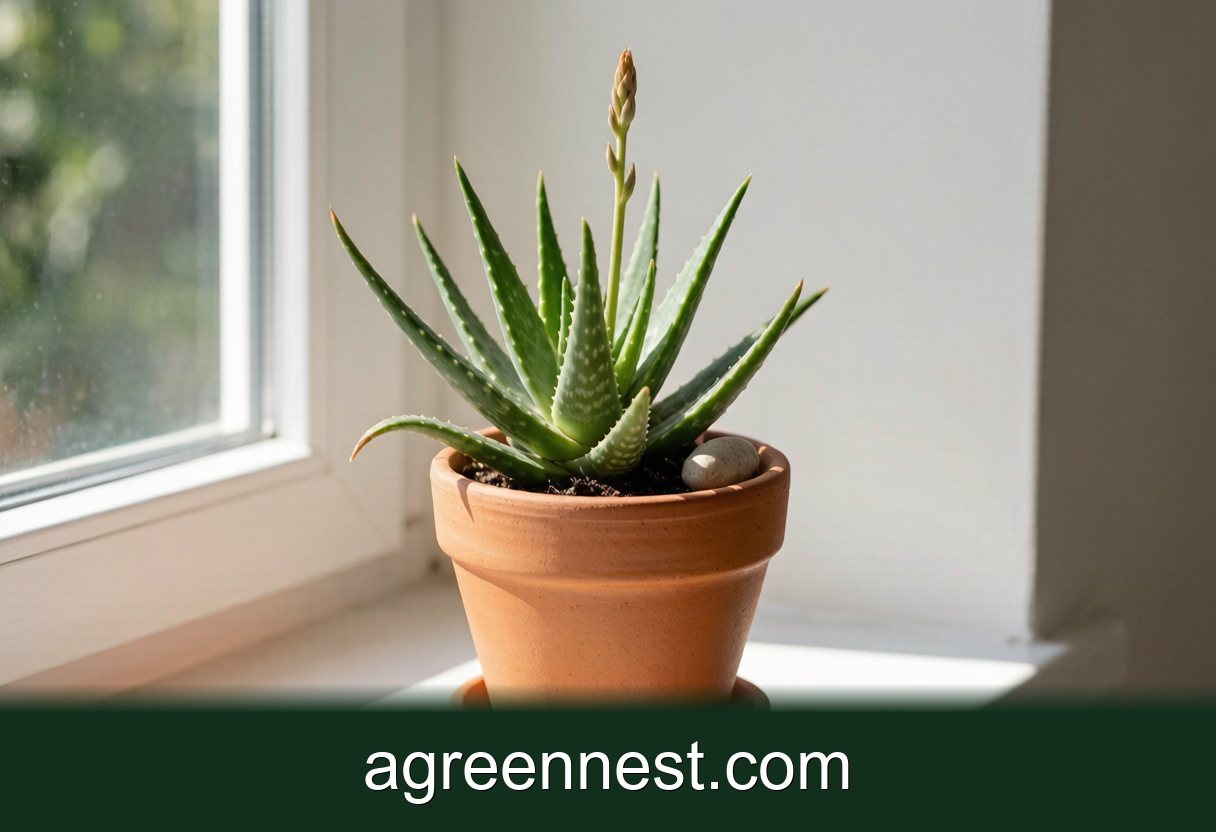
Aloe vera is more than a pretty succulent — it is a living first-aid kit on your windowsill. With simple aloe vera indoor care, you get a tough plant that soothes burns and quietly cleans your air.
Why Grow Aloe Vera Indoors
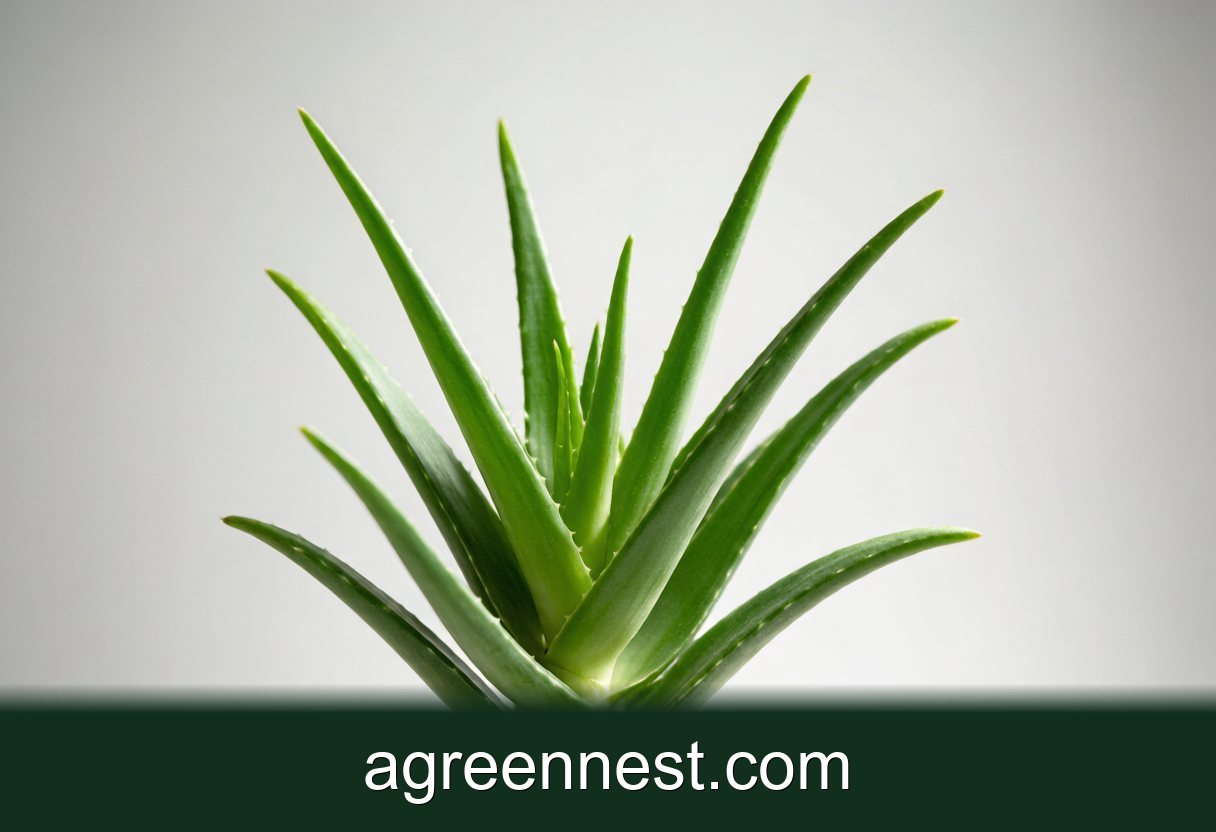
Aloe vera (Aloe barbadensis) is a stemless succulent with spiky, gel-filled leaves that has been used for skin care for thousands of years. Beyond the famous burn gel, it is nearly indestructible, forgives missed waterings, and looks sculptural on a shelf.
A mature plant reaches 1–2 feet tall and spreads by producing pups. It asks for little and gives back a lot, which is why every AGreenNest beginner should own one.
Light: Bright but Not Blasting
Aloe wants bright indirect light for at least 6 hours a day. A south or west window filtered through a sheer curtain is perfect. Direct afternoon sun can scorch the leaves, while too little light makes the plant lean and lose its upright form.
If your home is dim, a grow light 12 inches above the plant for 10–12 hours keeps it compact and green. Rotate the pot weekly so all sides grow evenly.
Reading the Light
- Leaves turning thin and stretched? It needs more light.
- Leaves going red or brown at the tips? Too much direct sun.
- Leaves flat and even? You have the light just right.
Watering: Deep and Infrequent
The golden rule of aloe vera indoor care is deep, infrequent watering. Soak the soil until water runs from the drainage hole, then wait until the top 2 inches are completely dry before the next drink.
In summer this is roughly every 2–3 weeks; in winter, every 3–4 weeks. Aloe stores water in its leaves, so it would rather be a little dry than a little wet. Overwatering is the only real way to kill it.
Signs of Thirst
- The leaves look slightly concave or less plump.
- The pot is noticeably light.
- The leaf tips may brown just a touch.
Soil and Pots
Aloe needs sharply draining soil to avoid rot. Use a cactus or succulent mix amended with extra perlite, or blend 50% potting soil with 50% sand and perlite. Heavy, moisture-holding soil is a death sentence.
Terracotta pots are the best choice because their porous walls pull excess water from the soil and help prevent soggy roots. Always use a pot with a drainage hole, and choose one only slightly larger than the root ball so the soil dries evenly.
Uses: Gel and Cleaner Air
The clear gel inside aloe leaves is a classic remedy for minor burns and skin irritation. Snap a lower leaf, split it open, and apply the gel directly to the skin for cooling relief.
Aloe also earns its place through air-cleaning studies showing it filters common indoor pollutants. While no plant replaces ventilation, a few aloes quietly improve a room's feel.
Repotting and Dividing Pups
Aloe grows pups — small offshoots that appear at the base of the mother plant. Once a pup is 3–4 inches tall with its own roots, you can separate it for a free new plant.
Repot mature aloe every 2–3 years in spring. Gently lift it, shake off old soil, place it in a pot one size up, and wait 5–7 days before watering so damaged roots heal. Divide pups at the same time by cutting the connecting root with a clean knife.
Common Problems
Mushy, Yellow Leaves
This is overwatering rot. Unpot the plant, trim soft leaves and roots, let it dry for a day, and replant in dry gritty soil.
Brown Leaf Tips
Usually low humidity or too much sun. Move to gentler light and mist occasionally; the tips will not recover but new growth will be healthy.
Leaning, Pale Plant
Not enough light. Move closer to a bright window or add a grow light for 10–12 hours daily.
Frequently Asked Questions
Q: How often should I water aloe vera indoors?
A:
Water deeply every 2–3 weeks in summer and every 3–4 weeks in winter, only after the top 2 inches of soil are dry.
Q: How much light does aloe vera need?
A:
Aloe vera needs at least 6 hours of bright indirect light daily; too much direct sun scorches the leaves.
Q: Can I use aloe vera gel from my plant on burns?
A:
Yes, the gel from a snapped leaf soothes minor burns and skin irritation, but avoid deep or open wounds.
Q: When should I repot my aloe vera?
A:
Repot every 2–3 years in spring, or when pups crowd the pot and roots fill the drainage holes.
Q: Why are my aloe leaves turning brown at the tips?
A:
Brown tips usually mean too much direct sun or dry air. Move to indirect light and raise humidity slightly.
Q: Is aloe vera safe around pets?
A:
No, aloe vera is mildly toxic to cats and dogs if ingested, so keep it out of reach of pets.
Aloe vera indoor care is among the easiest plant projects you can start. Use our free light calculator to place it in the brightest safe spot, and read our succulent ebook for propagation and repotting timelines.
Recommended Tools for Succulent Care
Free, no-signup helpers matched to this guide.
Free Ebooks to Explore
Downloadable handbooks — no email required.
Free Ebook
The AGreenNest Succulent Care Handbook
The complete, beginner-to-confident guide to growing fat, happy succulents — 10 chapters and a 20-plant directory.
Join the Conversation
Have a tip or a question about Aloe Vera Indoor Care: Grow a Healing Houseplant? Share it below — comments are saved on our server.