 GreenNest
Low-Light Indoor Plants
10 Best Low-Light Houseplants for 2026
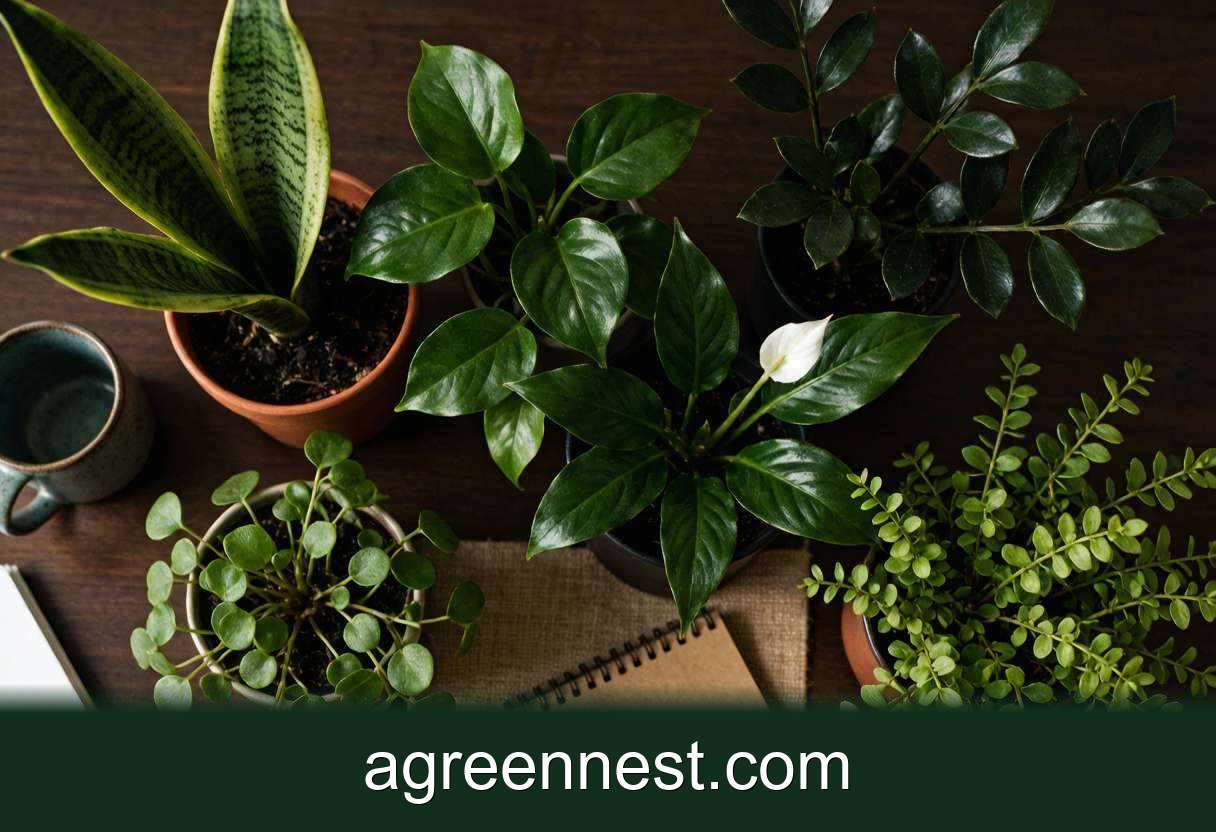
Not every home has sunny south-facing windows, and that is perfectly fine. Plenty of beautiful houseplants evolved to thrive in the dappled shade of forest floors, which makes them ideal for dim apartments and offices.
Below is GreenNest's curated list of 10 genuinely low-light tolerant houseplants for 2026. We focused on plants that survive at 25–250 foot-candles, not just "tolerant of indirect light." A quick-care table follows so you can compare at a glance.
How We Chose These Plants
We ranked each plant on three beginner-friendly traits: light tolerance, watering forgiveness, and overall difficulty. Every pick on this list can live in a north-window room or a few feet from an east window without special gear.
If your corner is darker than that, a small grow light makes any of these easier. We cover that option near the end.
The 10 Best Low-Light Houseplants
1. Snake Plant (Sansevieria)
The gold standard of forgiving plants. Upright, architectural, and happy in 50–150 foot-candles. Water every 2–3 weeks.
2. ZZ Plant (Zamioculcas)
Glossy, slow, and nearly indestructible. Tolerates down to 25 foot-candles. Water every 2–4 weeks. Note: toxic to pets.
3. Pothos (Epipremnum)
Trailing and fast-growing in brighter low light. Great for shelves and hanging baskets. Water when the top inch is dry.
4. Peace Lily (Spathiphyllum)
One of the few low-light plants that actually flowers. Droops dramatically when thirsty, so it tells you when to water.
5. Chinese Evergreen (Aglaonema)
Colorful, patterned leaves that brighten a dim room. Very forgiving and slow-growing. Water every 1–2 weeks.
6. Cast Iron Plant (Aspidistra)
True to its name, it survives neglect, drafts, and low light that defeats most plants. Water every 2–3 weeks.
7. Philodendron (Heartleaf)
A classic vining plant with heart-shaped leaves. Tolerates 50–150 foot-candles and bounces back from dryness.
8. Spider Plant (Chlorophytum)
Not a deep-shade plant, but it handles bright indirect and fluorescent office light well. Easy to propagate from babies.
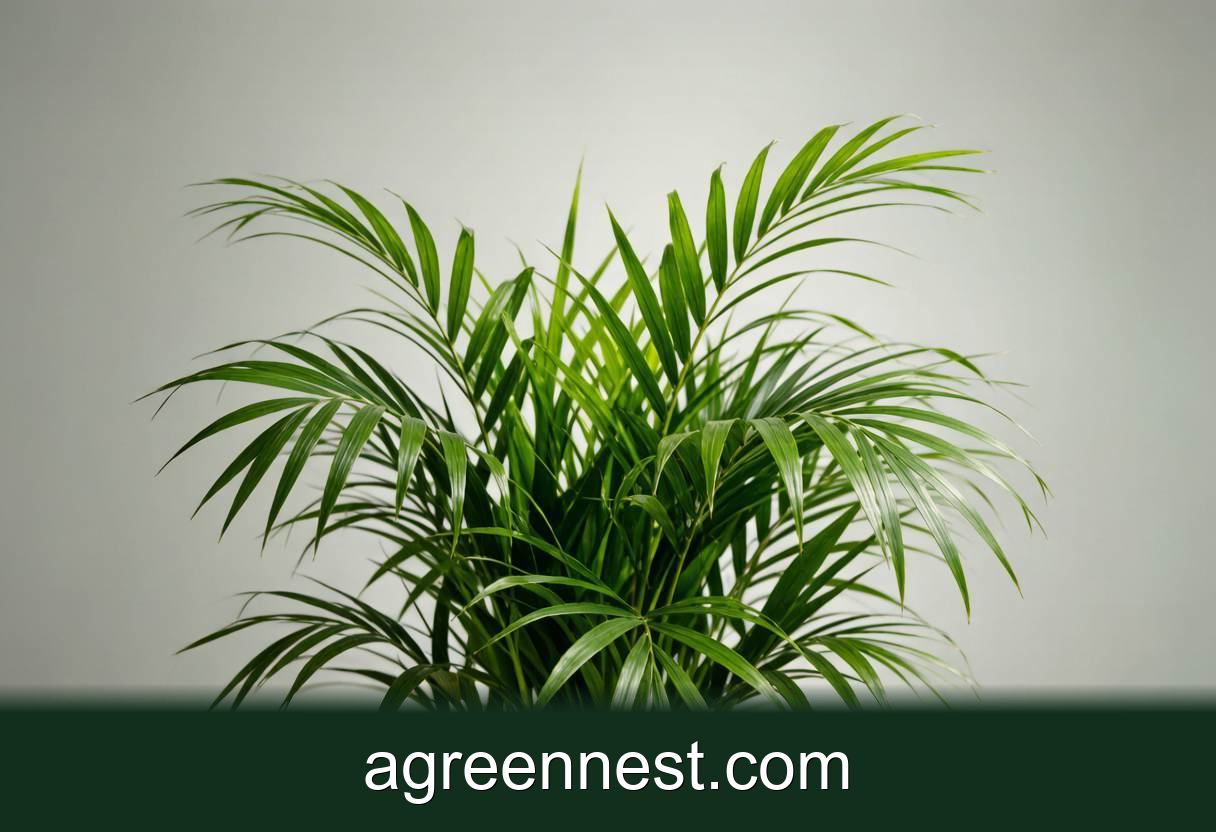
9. Parlor Palm (Chamaedorea)
A petite palm that brings a tropical feel to low light. Slow-growing and pest-resistant. Keep soil lightly moist.
10. Dracaena (Corn Plant)
Tall, striking, and tolerant of dim corners. Water every 1–2 weeks and keep it away from direct sun.
Quick-Care Comparison Table
| Plant | Light (foot-candles) | Watering | Difficulty |
|---|---|---|---|
| Snake Plant | 50–150 | Every 2–3 wks | Easy |
| ZZ Plant | 25–150 | Every 2–4 wks | Easy |
| Pothos | 50–250 | Top inch dry | Easy |
| Peace Lily | 50–150 | When drooping | Easy |
| Chinese Evergreen | 50–200 | Every 1–2 wks | Easy |
| Cast Iron Plant | 25–150 | Every 2–3 wks | Easy |
| Heartleaf Philodendron | 50–150 | Top inch dry | Easy |
| Spider Plant | 100–300 | Every 1–2 wks | Easy |
| Parlor Palm | 50–200 | Lightly moist | Medium |
| Dracaena | 50–250 | Every 1–2 wks | Easy |
Matching Plants to Your Space
Different dark corners call for different plants. Here is a quick map.
Bathrooms with a small window
Peace Lily and Chinese Evergreen love the humidity and modest light. The Peace Lily's droop signal is perfect if you forget to water.
Bedrooms
Snake plants release oxygen at night, making them a calm, safe choice for a nightstand. Keep them out of pet reach if you share the room with a cat.
Offices under fluorescent lights
ZZ plants and Pothos handle artificial light with ease. A trailing pothos on a shelf softens the workspace without demanding attention.
Hallways and stairwells
Cast Iron Plants shrug off the cool, dim, drafty conditions that stress other plants. They are the ultimate "set and forget" option.
When to Add a Grow Light
Even low-light plants grow better with a little more light. If your chosen spot is below 25 foot-candles—think a room with tiny windows or no natural light—a full-spectrum LED grow light changes everything.
A clip-on model aimed at the plant for 8–10 hours a day can double growth rate and keep variegated leaves vivid. It is a small investment that unlocks the darkest corners of your home.
Beginner Mistakes to Avoid
- Overwatering in low light: Soil stays wet longer. Always check before watering.
- Assuming "low light" means "no light": Every plant needs some. A readable room is the floor.
- Ignoring pet toxicity: ZZ, pothos, peace lily, and philodendron are toxic if chewed. Place them high.
Frequently Asked Questions
Q: What is the easiest low-light plant for beginners?
A:
The snake plant or ZZ plant. Both tolerate dim rooms and infrequent watering, making them nearly impossible to kill.
Q: Can low-light plants grow with no windows?
A:
They can survive under steady fluorescent or LED light, but true darkness stalls them. A grow light helps in windowless rooms.
Q: How do I know if my room is too dark?
A:
If you can read a book there by daylight without a lamp, most low-light plants will manage. Below that, add a grow light.
Q: Which low-light plants are safe for pets?
A:
The Cast Iron Plant and Parlor Palm are non-toxic. Many favorites like pothos and ZZ are toxic, so place them out of reach.
Q: How often should I water low-light houseplants?
A:
Less than you think—usually every 1–3 weeks. Low light slows drying, so always test the soil first.
Q: Do low-light plants need fertilizer?
A:
Lightly. A half-strength feed in spring and summer is enough. Overfeeding pushes weak growth that struggles in dim rooms.
The right low-light indoor plants turn a dim home into a lush one without a single sunny window. Start with a snake plant care guide or a ZZ plant, and if your corner is especially dark, run our free light calculator before you buy a grow light.

Comments
Share your experience or ask a question. Comments are stored locally in your browser for this demo.