 GreenNest
Succulent Care
Best Soil for Succulents: DIY Gritty Mix Recipe
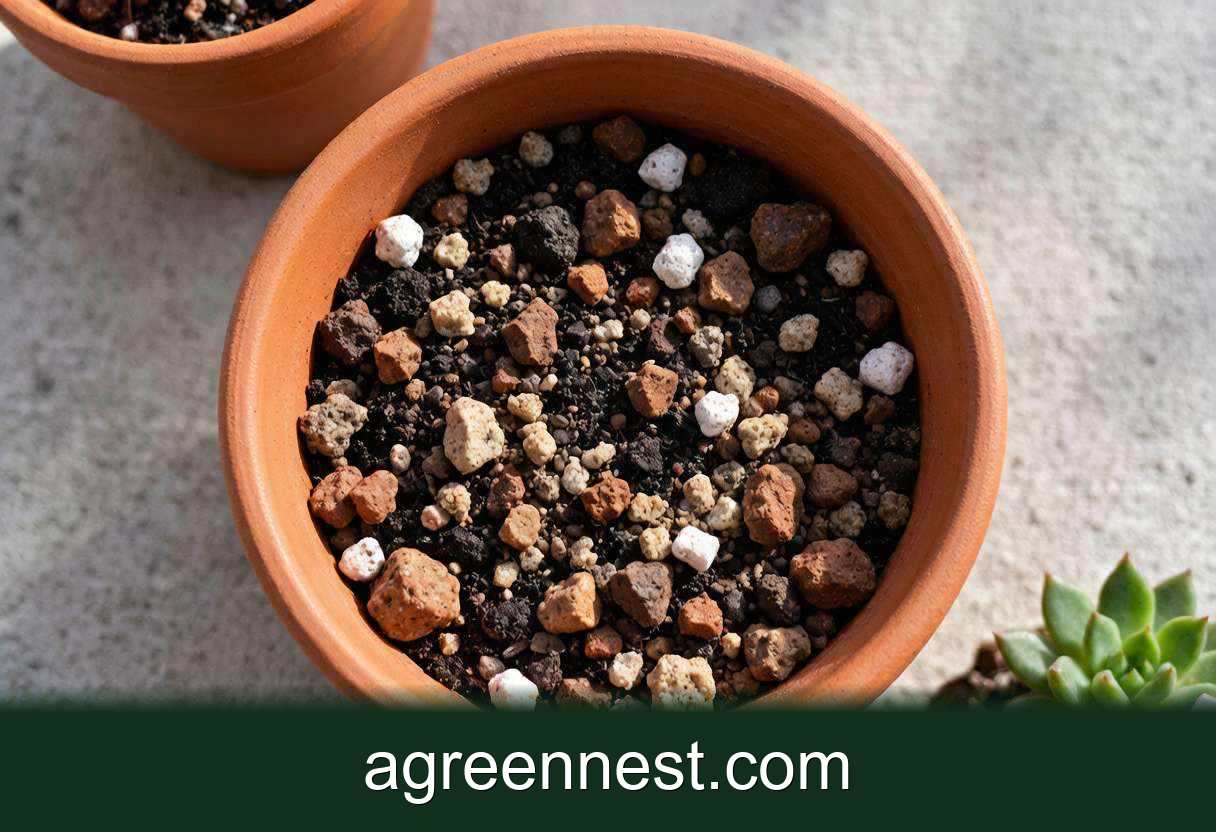
Walk down any garden aisle and you will see bags labeled "potting soil" — and almost every one of them will quietly kill your succulents. The best soil for succulents is nothing like the fluffy stuff meant for ferns and tomatoes.
Why Regular Potting Soil Kills Succulents
Standard potting soil is designed to hold water. It is full of peat and fine compost that stay damp for days. Succulents, with their shallow roots and water-storing leaves, rot in that sponge-like environment.
The result is root rot: roots turn black, the plant wobbles, and leaves go mushy from the bottom up. The fix is not less water alone — it is the right soil that drains in minutes, not hours.
What a Gritty Mix Actually Contains
A proper succulent mix is mostly inorganic grit with a little organic matter for nutrients. The goal is air pockets around the roots and fast drainage.
Key ingredients:
- Coarse sand or horticultural grit — improves drainage and weight.
- Perlite or pumice — white volcanic bits that hold air, not water.
- Small crushed gravel or turface — keeps structure stable.
- A little cactus soil — for a small nutrient base.
The mix should feel loose and crunchy, never clumpy or muddy when wet.
The GreenNest DIY Recipe
Here is our go-to blend, easy to mix in a bucket:
- 3 parts coarse sand or horticultural grit
- 3 parts perlite or pumice
- 2 parts cactus/succulent soil
- 2 parts small crushed gravel (optional but great)
That is roughly a 40/40/20 split of grit, mineral, and soil. For extra-dry lovers like Lithops or Haworthia, push to 50% grit and 50% perlite with almost no soil.
Mixing Tips
- Use coarse builder's sand, never fine play sand that compacts.
- Rinse gravel to remove dust that clogs pores.
- Store extra mix in a dry bin; it lasts for years.
Drainage: The Non-Negotiable
Soil is only half the battle. Your pot must also drain. Always use a container with a drainage hole, and avoid decorative pots without one unless you nest a plastic pot inside.
Terracotta is the champion here. Its porous walls pull moisture out of the soil, speeding drying and protecting roots. Pair gritty soil with a terracotta pot and you have solved 90% of succulent problems.
Signs Your Soil Is Wrong
- Soil stays wet more than 4–5 days after watering.
- A musty smell rises from the pot.
- Lower leaves yellow and drop while the soil feels damp.
- White crust (salt buildup) forms on the surface.
Any of these means your mix is too rich or too dense. Repot into gritty soil immediately.
How to Repot Correctly
Repotting is simple and refreshes the plant:
- Water the plant 2 days before so roots loosen easily.
- Slide it out and gently shake off old soil.
- Inspect roots; trim any black, mushy ones with clean scissors.
- Place in the new pot with fresh gritty mix, leaving the crown above soil.
- Wait 3–5 days before the first light watering to let roots settle.
Repot in spring or early summer when the plant is actively growing. Avoid repotting during winter dormancy.
Store-Bought vs. Homemade
Good commercial cactus mixes exist, but many still hold too much moisture for true desert types. If you buy one, cut it with 50% extra perlite. Homemade gives you full control and costs a fraction of pre-made bags.
Top Dressing and Finishing Touches
A top dressing of small gravel, crushed granite, or decorative grit does more than look nice. It keeps the lowest leaves off damp soil, reducing rot and pest hiding spots, and it slows surface evaporation so the mix dries evenly.
Spread a half-inch layer after potting, avoiding the plant's crown. This also stops soil from splashing onto leaves during watering — a common cause of marks and mildew on Echeveria. For a clean look, match the grit color to your decor; function stays the same.
Frequently Asked Questions
Q: Can I use regular potting soil for succulents?
A:
No. Regular potting soil holds too much water and causes root rot; always use a gritty, fast-draining succulent mix.
Q: What is the best DIY succulent soil recipe?
A:
Mix 3 parts coarse grit, 3 parts perlite, 2 parts cactus soil, and 2 parts gravel for a fast-draining 40/40/20 blend.
Q: Do succulents need a drainage hole?
A:
Yes. A drainage hole is essential; pair gritty soil with a terracotta pot to keep roots dry and healthy.
Q: How often should I repot my succulent?
A:
Repot every 1–2 years in spring to refresh soil, or sooner if the mix stays wet too long or roots outgrow the pot.
Q: Is perlite or pumice better for succulent soil?
A:
Both work well; pumice lasts longer and does not float, while perlite is cheaper — use either for airy drainage.
Q: Why does my succulent soil smell bad?
A:
A musty smell means soggy, rotting mix; repot into dry gritty soil and trim any black roots right away.
Great soil is the foundation of every healthy succulent. Grab our free light calculator to pair the right spot with the right mix, and read our succulent ebook for a complete repotting checklist.
Comments
Share your experience or ask a question. Comments are stored locally in your browser for this demo.