 AGreenNest
Plant Pests & Diseases
Black Leaf Coating? Sooty Mold 48-Hour Fix
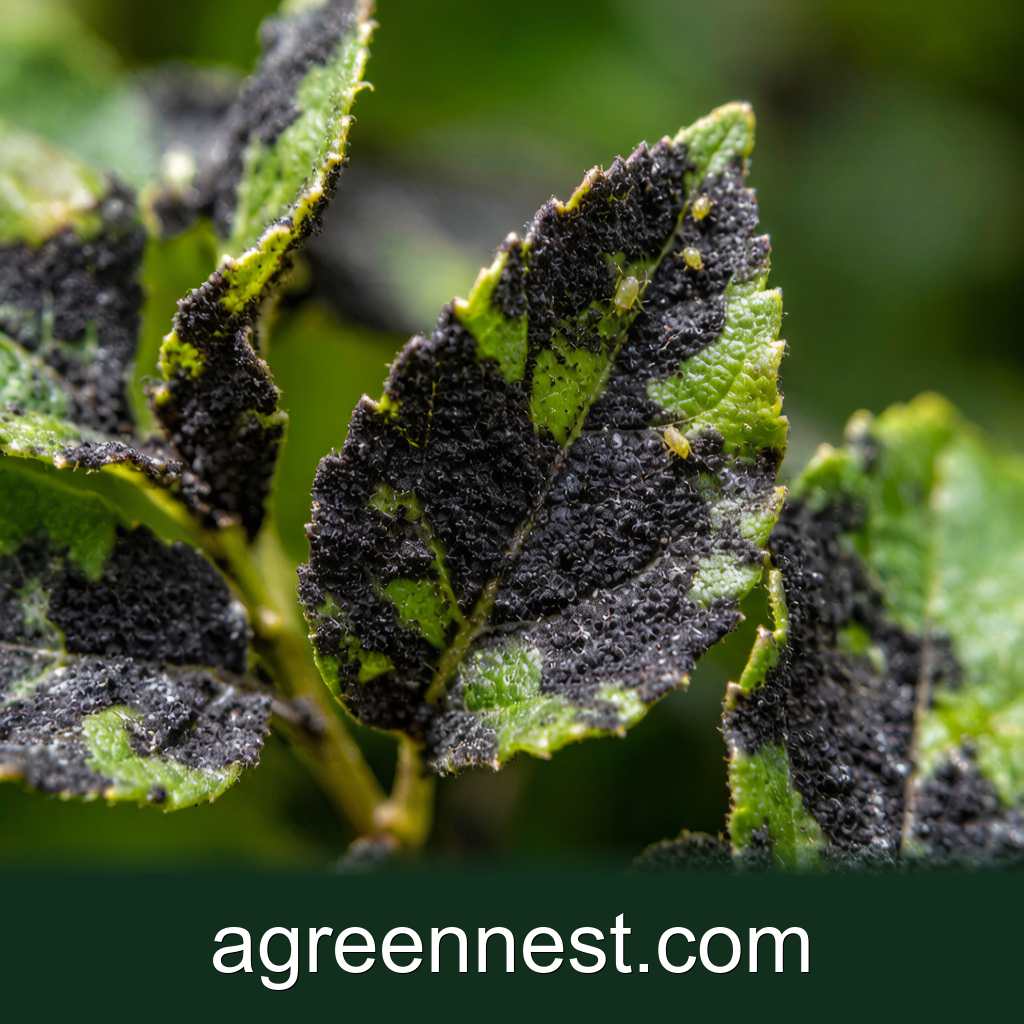
What Sooty Mold Actually Looks Like
A few weeks ago my potted citrus started showing a thin, flat black film across the upper leaves. It wiped off with a finger, leaving a greasy smudge, which is the giveaway. Sooty mold is not a true parasite that bites into leaf tissue. It is a surface growth of dark fungi in the genera Capnodium, Fumago, and Scorias that feeds on sugar-rich secretions. The coating blocks sunlight the way a dirty window blocks a view, and a badly covered leaf photosynthesizes at maybe 30 to 40 percent of normal.
The black layer sits on top of the cuticle. You can usually rub it away, and the green leaf underneath looks healthy at first. Left alone for two or three weeks it thickens, turns crusty, and the plant starts dropping yellow leaves because it cannot make enough food.
The Real Culprit: Honeydew and Sap-Suckers
Sooty mold never appears on its own. Behind every black leaf is a pest pumping plant sap and dripping clear, sticky honeydew. The usual suspects are the green peach aphid (Myzus persicae), the citrus mealybug (Planococcus citri), soft scale such as Coccus hesperidum, and the greenhouse whitefly (Trialeurodes vaporariorum). I checked under the leaves of my citrus and found clusters of soft brown scale no bigger than 2 mm.
These insects insert stylets and drink phloem sap, which is mostly water and sugar. They excrete the excess as honeydew, and the mold spores landing on that sugar bloom within 24 to 48 hours in still, warm air above 20 °C (68 °F). If you treat the black coating but leave the bugs, the mold returns within days. That is why the link between the two problems matters: fix the insect, and the mold starves.
Why Killing the Pest Comes First
I made this mistake once. I scrubbed every leaf, felt pleased, and woke up to fresh black patches a week later because the scale were still feeding. Treat the underlying pest before you worry about the cosmetic layer. For aphids and whitefly start with a strong jet of water and a manual wipe. For scale and mealybugs, an oil spray works because it smothers the waxy bodies.
This is where a quality neem oil treatment fits into the routine, but dose it right: mix 5 ml of concentrated neem oil with 1 litre of water plus a few drops of dish soap as an emulsifier, and spray to runoff every 5 to 7 days for three weeks. If you are dealing with aphids, mealybugs, scale insects, or whitefly, the same underlying pest-control logic applies, and our pest identifier tool helps you name the exact insect before you spray.
Your 48-Hour Cleanup Plan
Here is the sequence I use, and it fits inside a weekend.
Hour 0 to 2: Inspect every plant in the room, not just the sick one. Move infested pots away from healthy ones by at least 60 cm. Wipe the worst leaves with a cloth dipped in dilute soapy water, 1 teaspoon of mild dish soap per litre. This removes both honeydew and the mold film.
Hour 2 to 24: Apply the pest treatment. For soft-bodied pests, an insecticidal soap at 2 percent concentration knocks down 80 to 90 percent of adults on contact, though it misses eggs. For scale, the neem or horticultural oil above is the better call. Keep the plant out of direct sun for a day after oil sprays so leaves do not scorch.
Hour 24 to 48: Improve airflow. A small fan on low, moving air at roughly 0.5 m/s across the canopy, slows mold regrowth and discourages flying whitefly. Wipe any new honeydew you see. By hour 48 the black should be gone and the pest count should be falling.
Keeping It From Coming Back
Sooty mold is a symptom, so the long game is pest prevention. Check new plants for two weeks in quarantine, since most infestations walk in on a fresh purchase. Sticky cards near the top of the canopy catch adult whitefly and winged aphids, giving you an early warning. And keep leaves dry: overhead misting in a still room is the fastest way to invite both mold and pests.
If the same plant keeps reinfecting, look at crowding. I give my citrus about 30 cm of clear space on every side so air moves and I can see the undersides during my weekly check.
Frequently Asked Questions
Q: Is sooty mold harmful to the plant or just ugly?
A:
The mold itself does not infect tissue, but a heavy coating can cut photosynthesis by half and lead to yellow, dropping leaves. The real damage comes from the sap-sucking pest underneath.
Q: Can I just wash the black off and skip the pest treatment?
A:
You can wipe it, but it returns within days if honeydew keeps dripping. Treat the insect first, then clean, for a result that lasts.
Q: Will sooty mold spread to my other plants by itself?
A:
The fungal spores are airborne, yet they only grow where there is honeydew. If your other plants have no sap-sucking pests, the mold will not establish on them.
Q: Is the black film safe to touch?
A:
Yes, it is non-toxic to people and pets, though it stains fingers. Wash up after wiping, since you may also have handled the pest honeydew.
Q: How do I know which pest is causing the honeydew?
A:
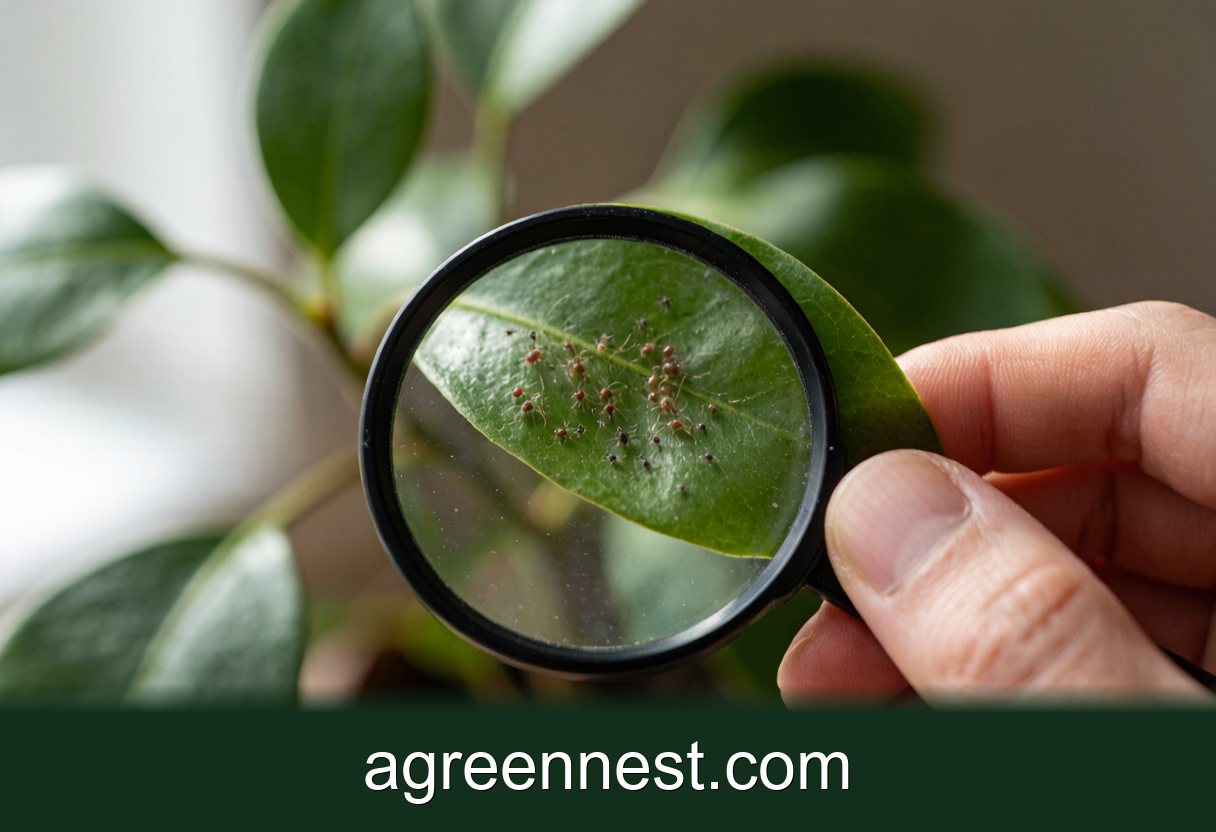
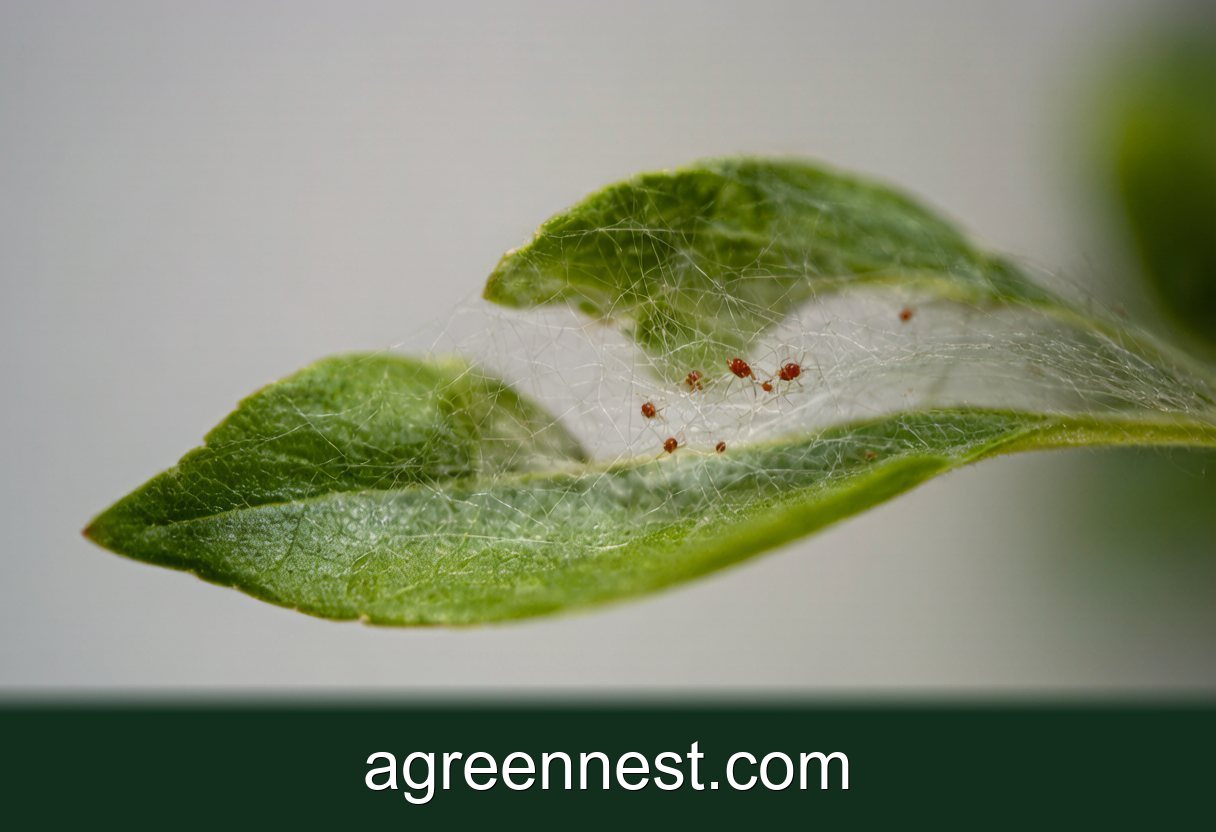
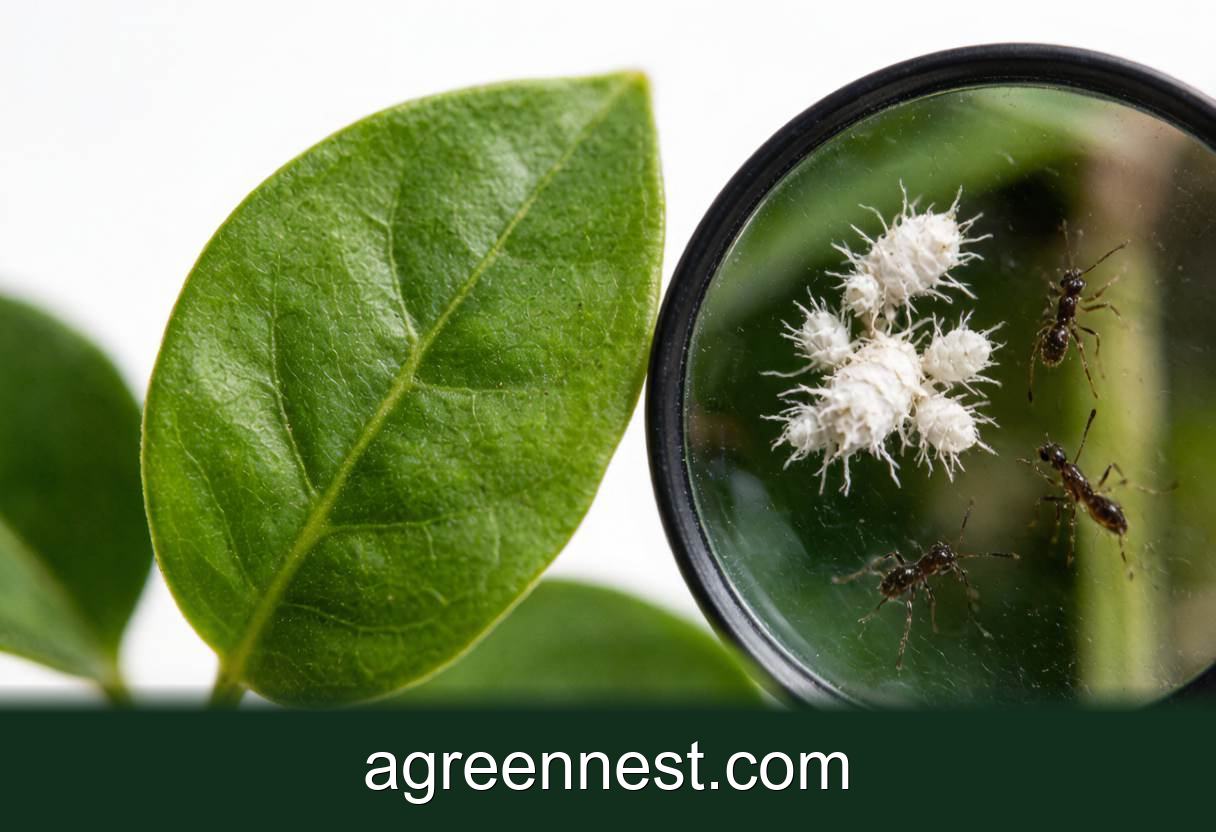
Check leaf undersides and stem joints with a magnifier. Scale look like small fixed brown bumps, mealybugs leave white cottony tufts, aphids are tiny soft bodies, and whitefly fly up in a cloud when disturbed. Our pest identifier tool walks you through the same check.
Sooty mold looks alarming, but it is a messenger, not the disease. Find the sap-sucker, treat it on a 5 to 7 day cycle, and wipe the leaves, and most plants recover their shine within a week. For naming the exact insect before you spray, try our pest identifier tool.
Recommended Tools for Plant Pests & Diseases Care
Free, no-signup helpers matched to this guide.
🔍 Free Tool
Pest & Problem Identifier
Pick the symptoms you see and get the likely culprit plus a fix.
Free Ebooks to Explore
Downloadable handbooks — no email required.
Free Ebook
The AGreenNest Succulent Care Handbook
The complete, beginner-to-confident guide to growing fat, happy succulents — 10 chapters and a 20-plant directory.
Free Ebook
Haworthia & Haworthiopsis Care Handbook
A focused guide to the striped, forgiving Haworthia clan.
Join the Conversation
Have a tip or a question about Black Leaf Coating? Sooty Mold 48-Hour Fix? Share it below — comments are saved on our server.