 AGreenNest
Plant Pests & Diseases
Houseplant Pests: The Complete Identification & Treatment Manual
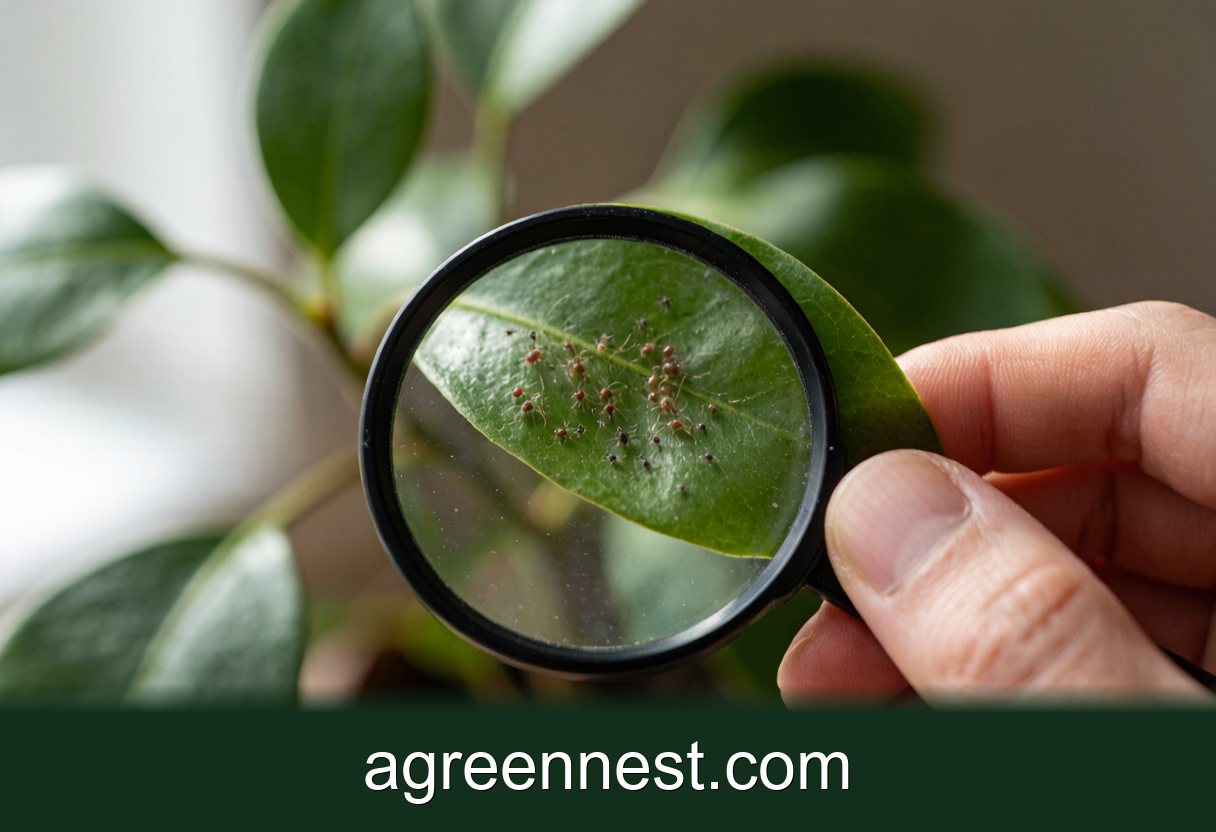
Most pest advice tells you to spray something. That fails because people spray the wrong thing, or spray once and call it done. This guide is the map: identify first, then treat the specific pest, then change the routine so it does not return.
What is inside
A fast identification table, then a treatment page for each pest, then the two habits — early ID and quarantine — that actually keep a collection clean.
Identify first: the 60-second table
| You see | Likely pest | Where | Tell-tale sign |
|---|---|---|---|
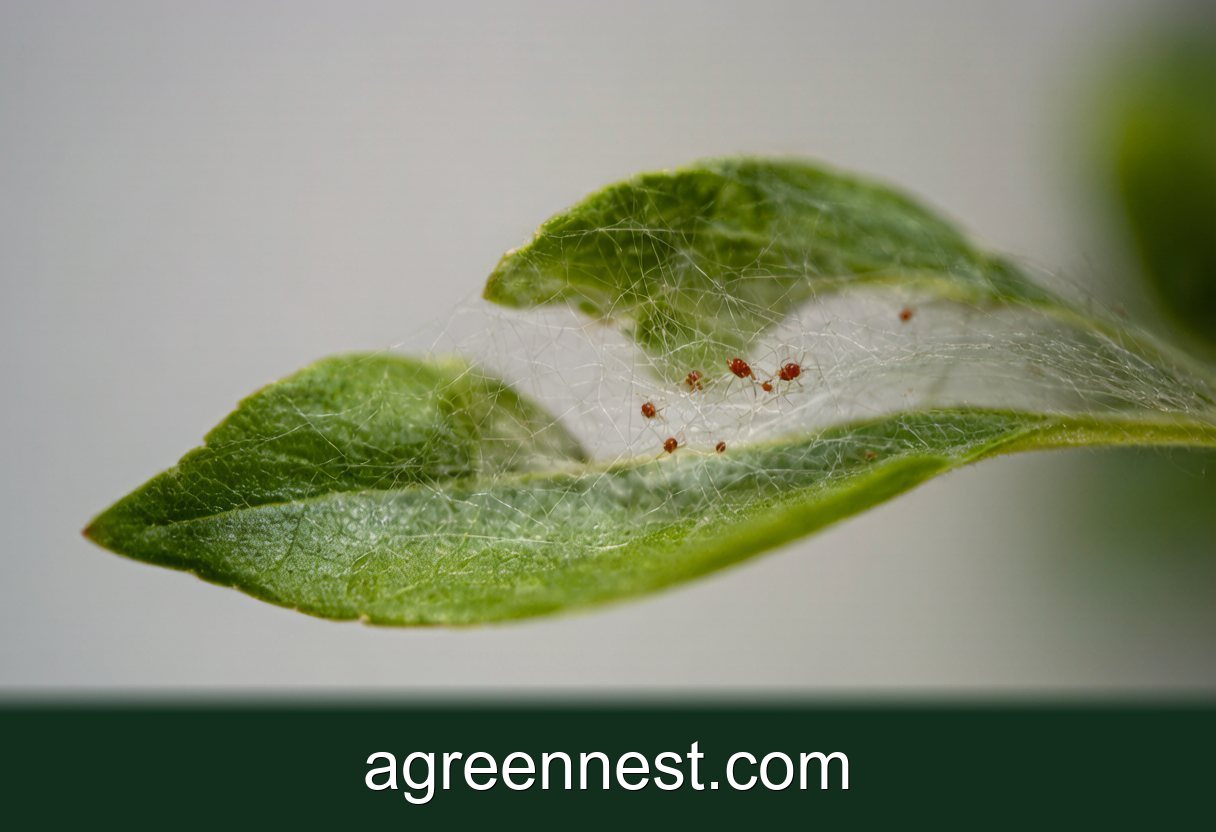
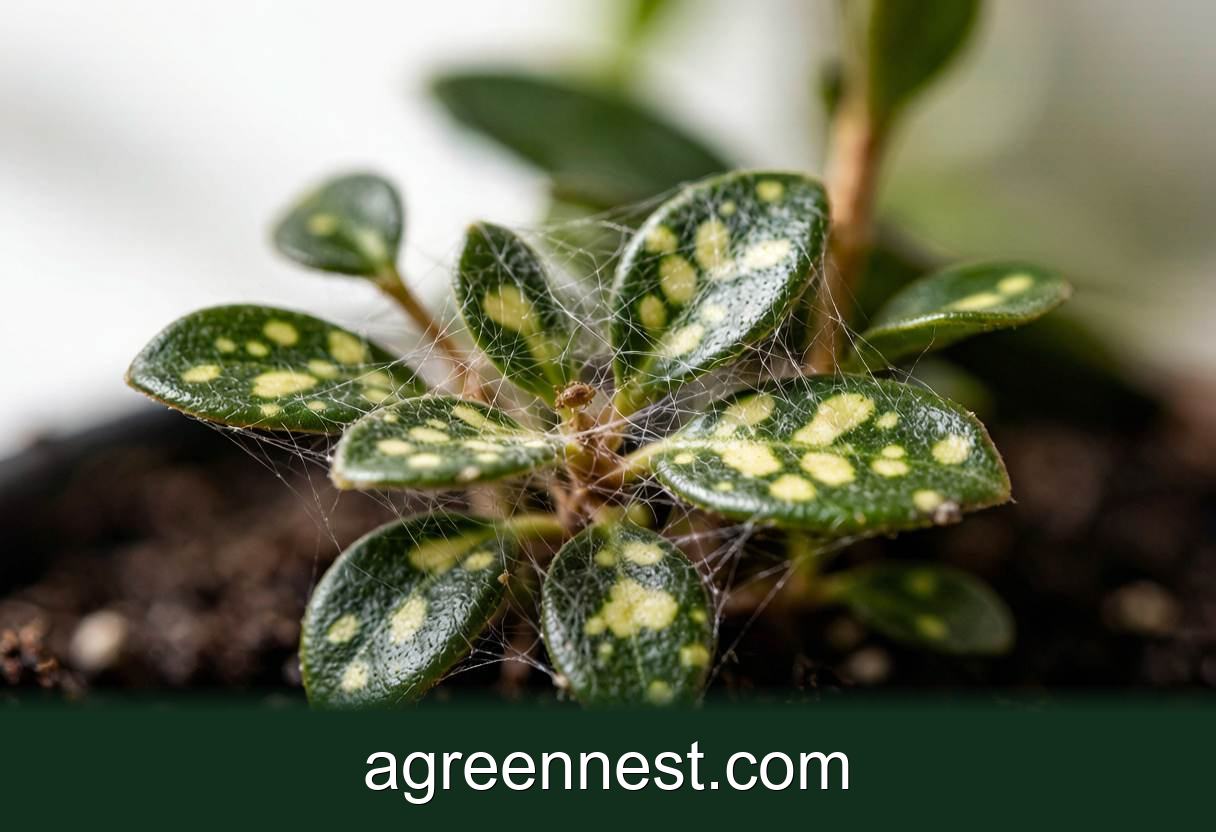
| Fine webbing, tiny specs | Spider mites | Undersides of leaves | Leaves look dusted, then bronze |
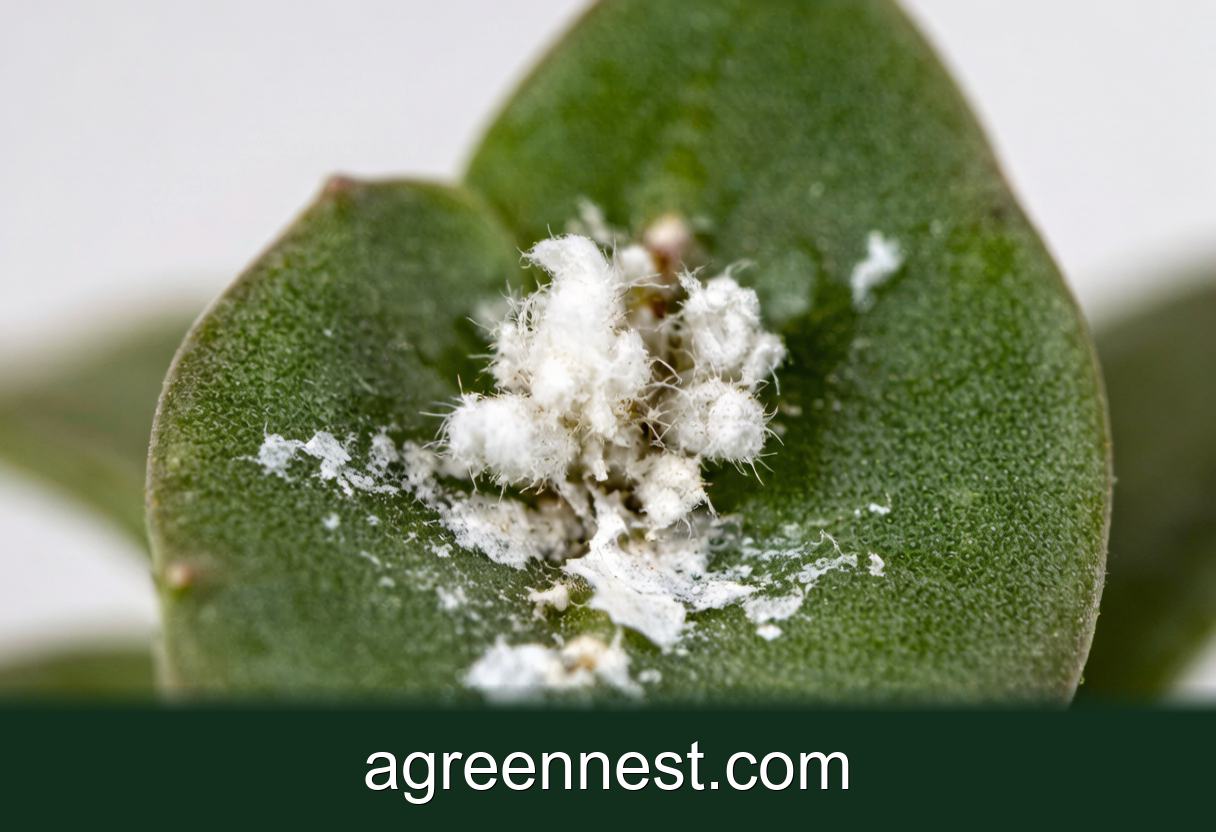
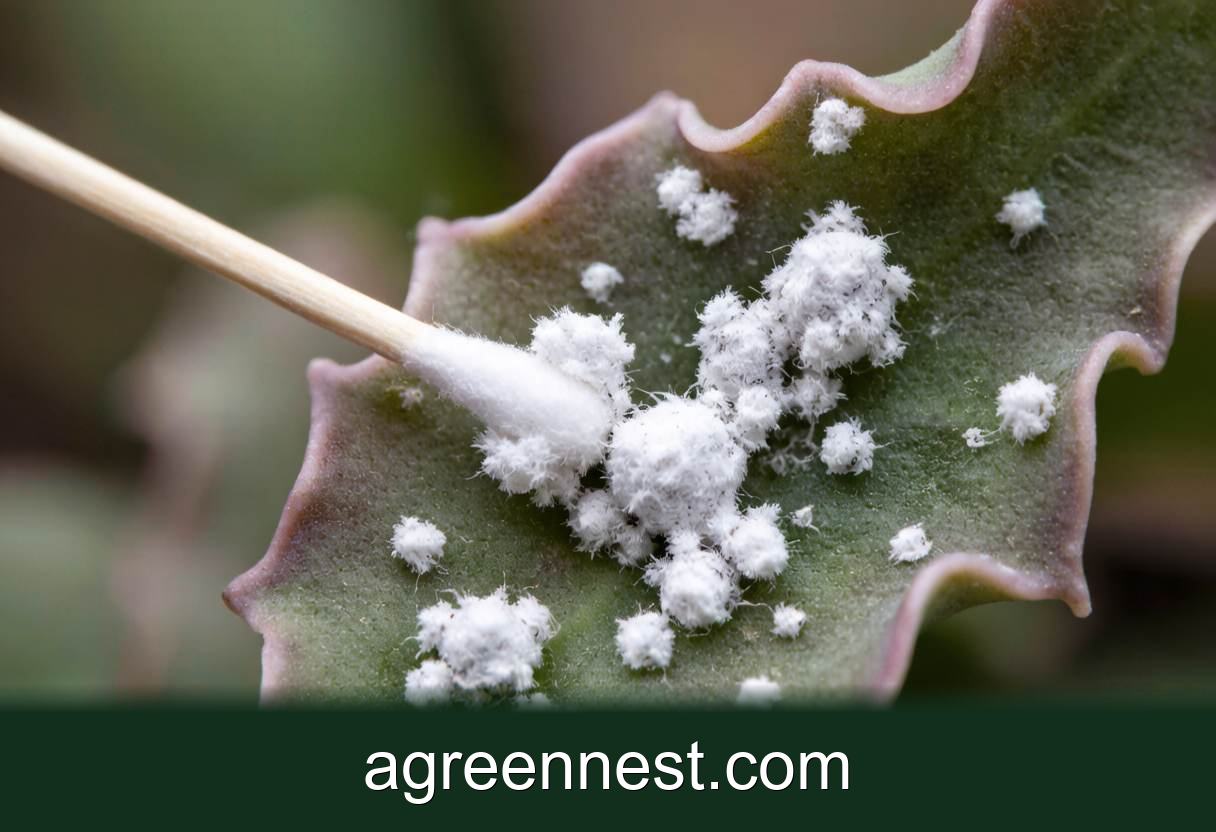
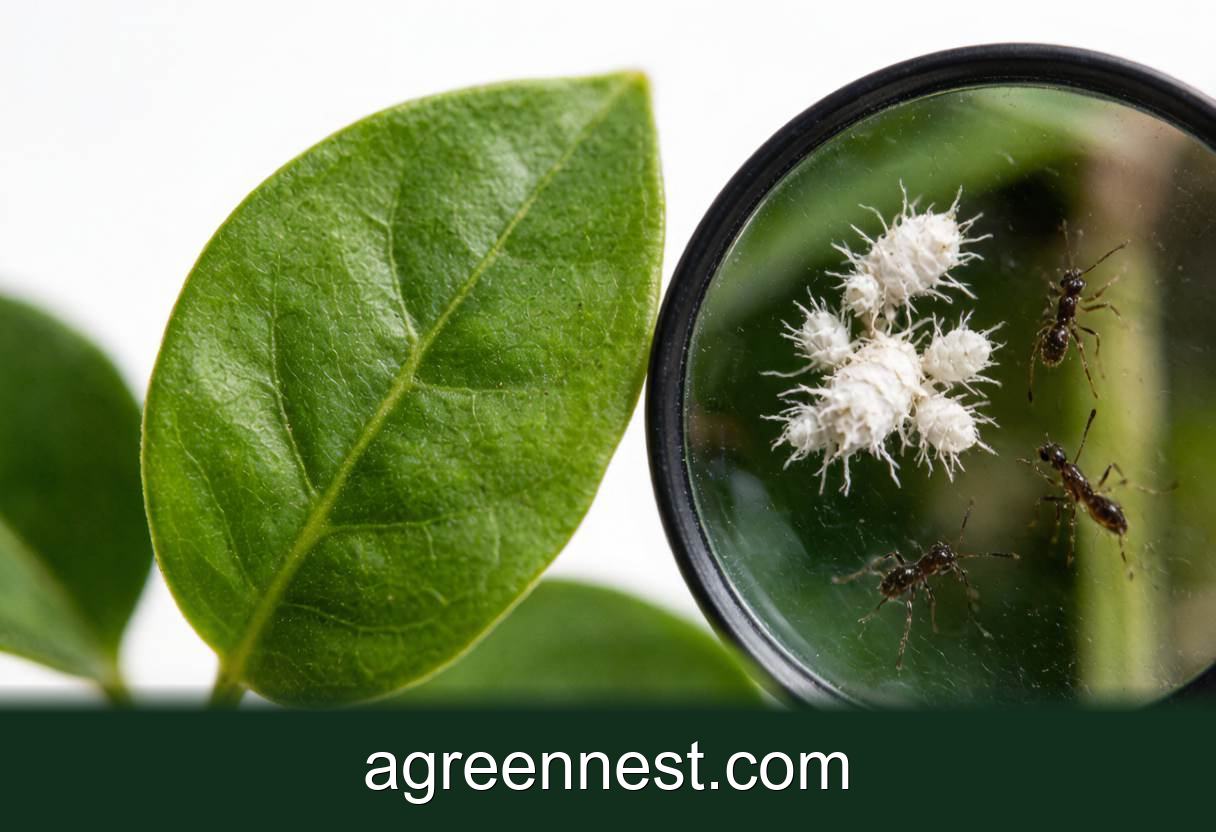
| White cotton clumps | Mealybugs | Leaf joints, roots | Sticky + sooty mold |
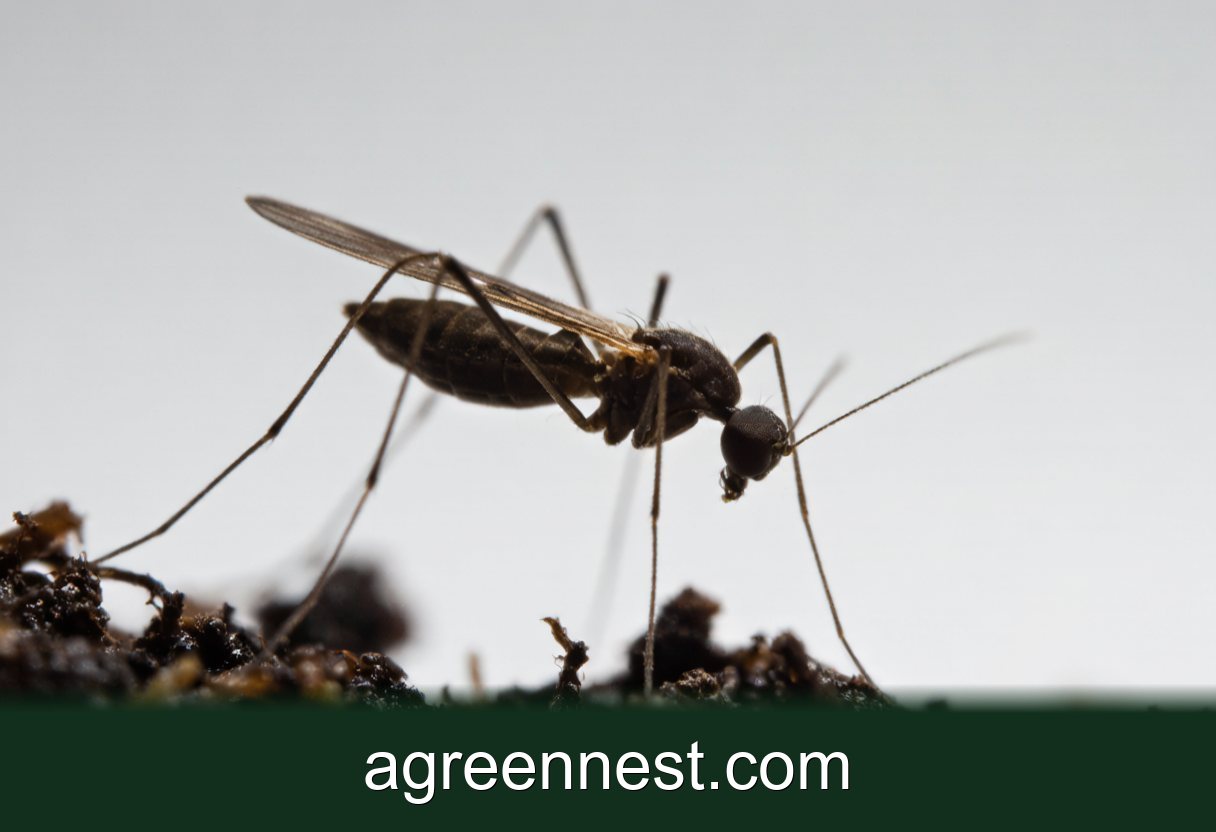
| Tiny flies at soil | Fungus gnats | Soil surface | They fly up when you water |
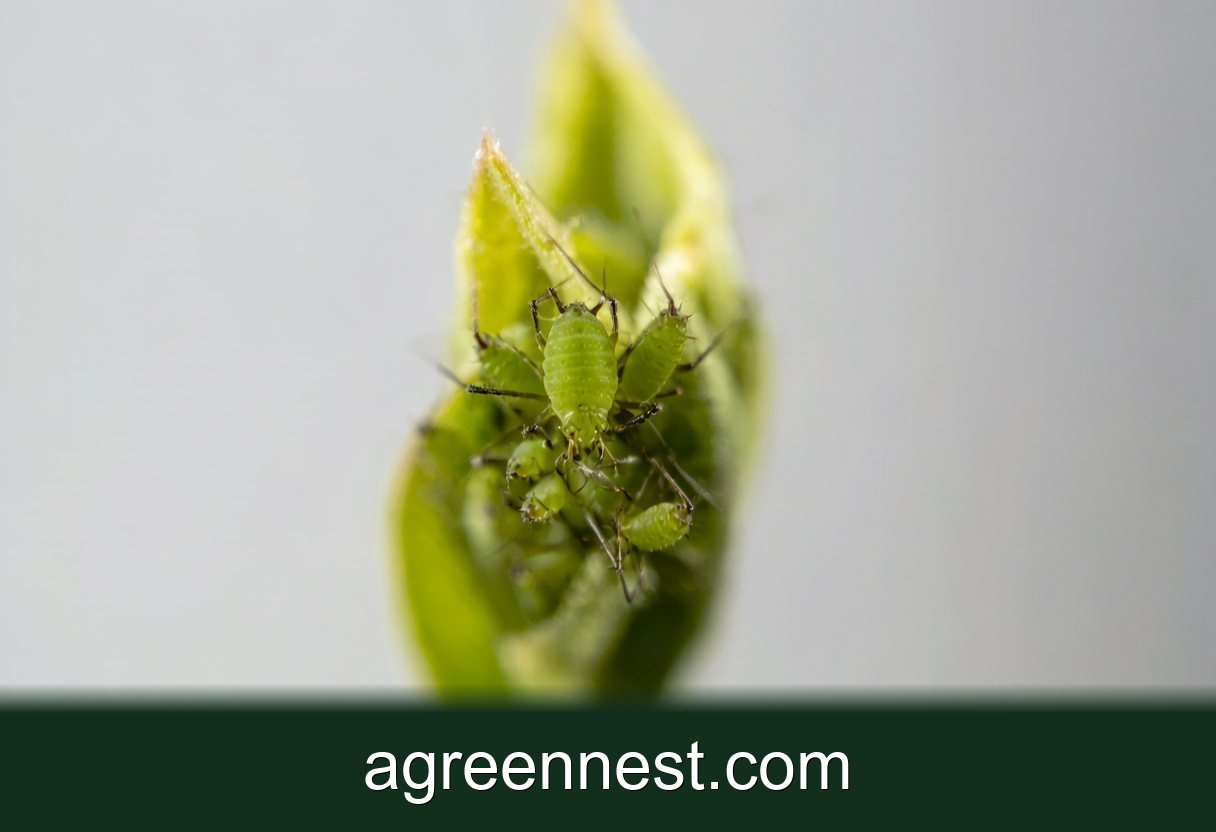
| Cluster on new growth | Aphids | Soft tips | Curled, shiny leaves |
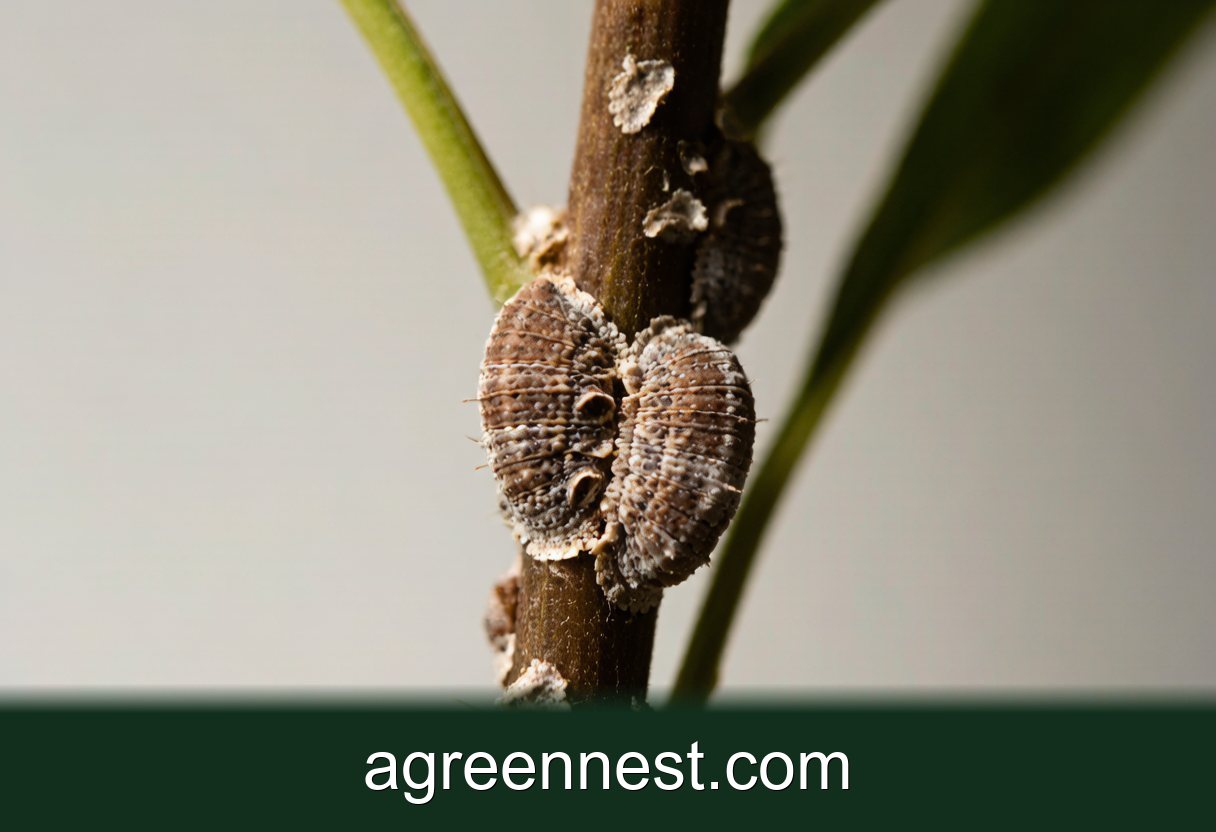
| Small brown bumps | Scale | Stems, leaf veins | Scrape off like a scab |
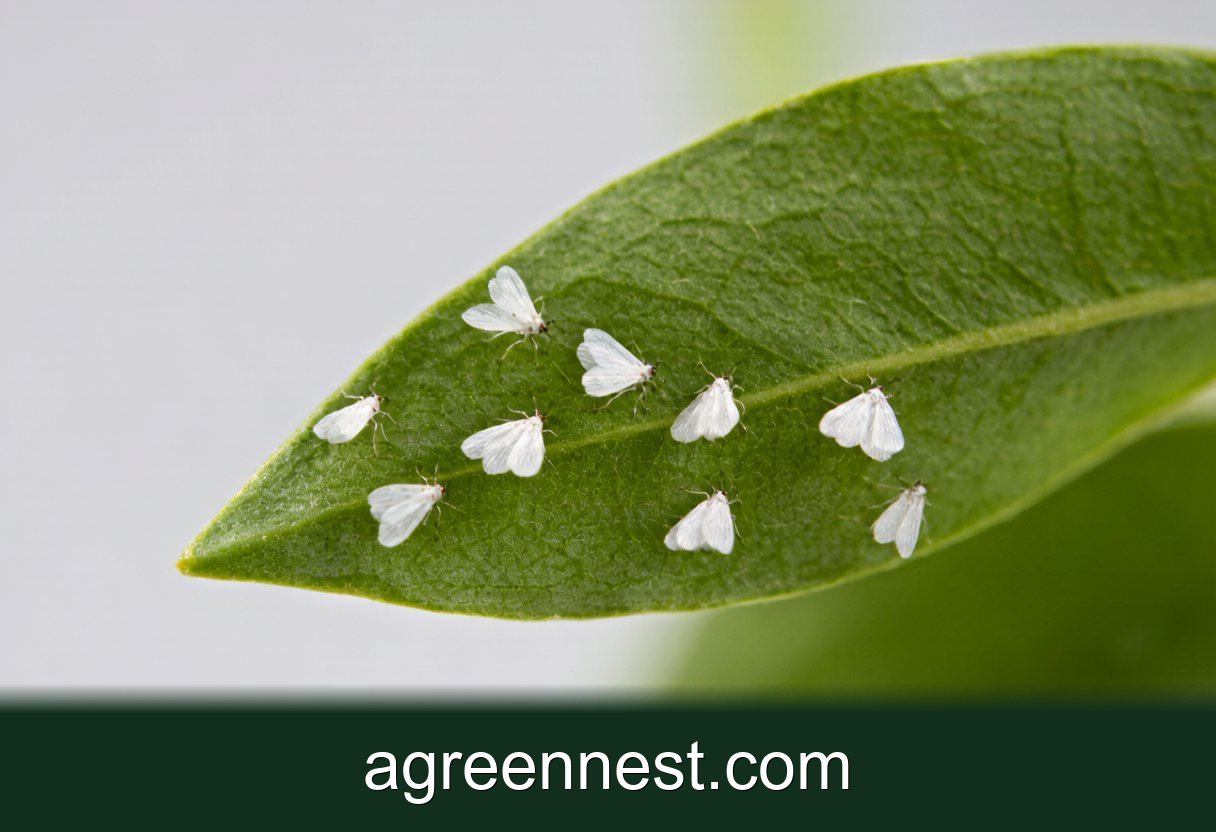
| Tiny white moths | Whitefly | Underside, fly when disturbed | Sticky residue |
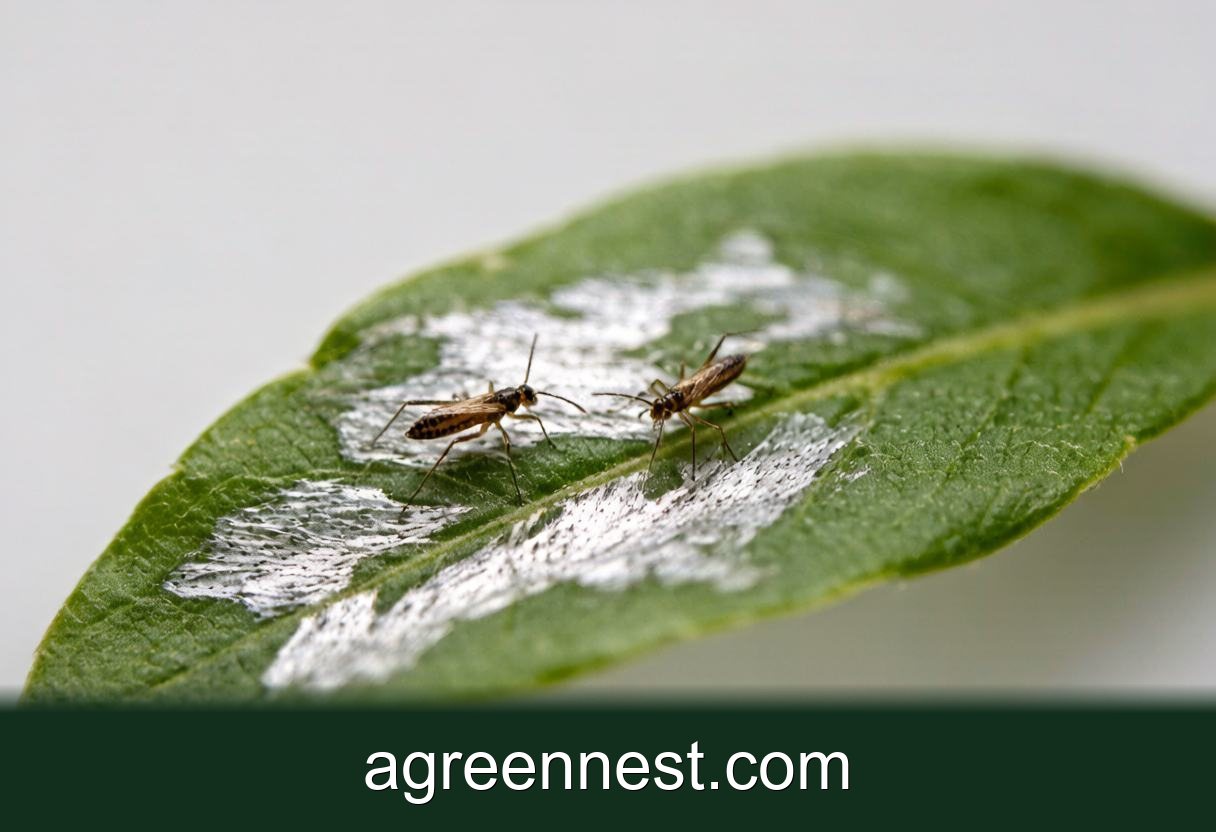
| Thin black dashes | Thrips | Flowers, new leaves | Silver streaks + scars |
If the leaves are yellow but you see no bug, read why leaves turn yellow before reaching for spray — it is often water, not a pest.
The treatment that actually works
Every pest above responds to the same three-step loop, with one pest-specific tool:
- Isolate. Move the plant away from every other plant the day you spot a bug.
- Physically remove. Wipe, rinse, or prune. You cannot spray your way out of a heavy infestation; you have to cut the numbers down first.
- Treat on a schedule, not once. Most products kill adults but not eggs. Repeat every 5–7 days for 3 weeks.
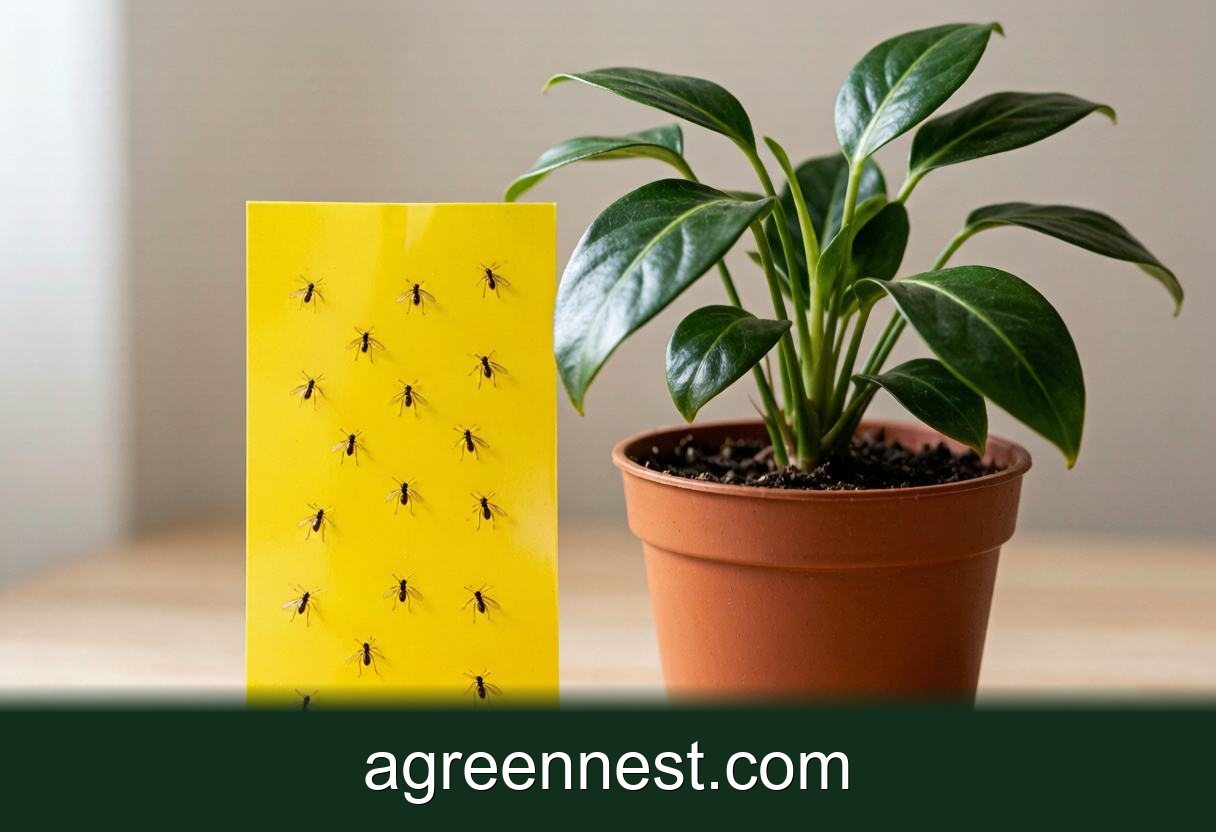
The tool: - Spider mites hate humidity and drown easily — rinse the undersides daily plus a miticide, because standard insecticide misses them. - Mealybugs need a swab of isopropyl alcohol on each clump, then neem. - Fungus gnats are a soil problem — let the top 2–3 cm dry and use sticky traps + a soil drench. - Aphids, scale, whitefly, thrips all respond to neem oil or insecticidal soap, repeated.
Safe products, and what to avoid
I keep two things on the shelf: a neem oil mix and a box of yellow sticky traps. Both are pet-safe when used as directed, which matters because most "systemic" granules are not.
Skip the broad-spectrum bug bomb. It kills the few predatory insects you want and leaves residue on leaves you touch. For a homemade option, the insecticidal soap recipe is genuinely effective on soft-bodied pests.
The routine that prevents the next outbreak
Two habits do 90% of the work:
- Quarantine every new plant for 2–3 weeks in a separate room. Most infestations trace back to a new plant walked in the door.
- Inspect weekly. Lift a leaf, look at the underside, run a finger along a stem. Catching pests early turns a 3-week war into a 5-minute wipe.
Good light and not overwatering also matter more than people admit — weak, overwatered plants are the ones pests actually finish off.
When to give up on the plant
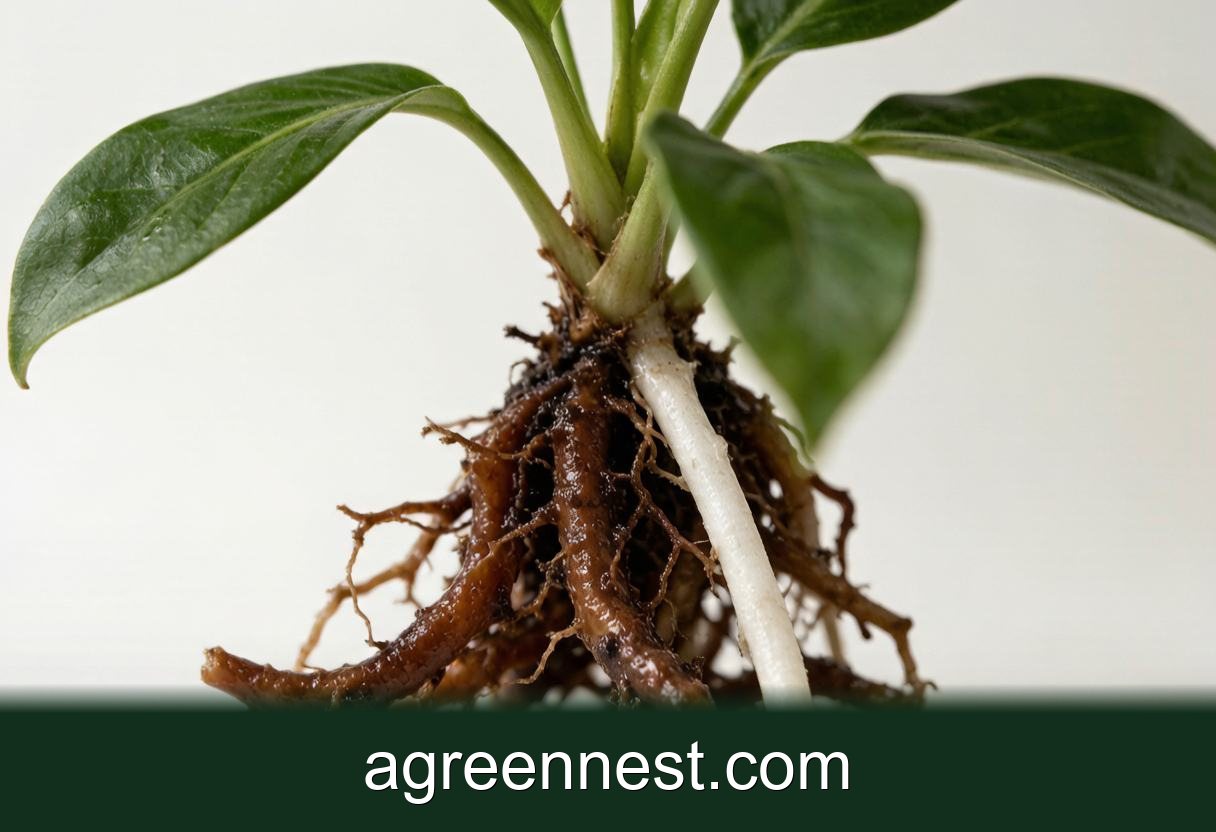
Sometimes the kindest move is to bin it. The guide on when to throw a plant away is blunt but useful: if roots are mush and the stem collapses, you are saving a corpse. Toss the soil, sterilize the pot, and start clean.
The single habit that changed my collection was quarantining new plants — it ended the cycle of one plant infecting the next. Pair that with weekly 30-second inspections and you will rarely need the treatments at all. When you do, pick the right tool from the table above rather than the nearest spray bottle.
Recommended Tools for Plant Pests & Diseases Care
Free, no-signup helpers matched to this guide.
🔍 Free Tool
Pest & Problem Identifier
Pick the symptoms you see and get the likely culprit plus a fix.
Free Ebooks to Explore
Downloadable handbooks — no email required.
Free Ebook
The AGreenNest Succulent Care Handbook
The complete, beginner-to-confident guide to growing fat, happy succulents — 10 chapters and a 20-plant directory.
Free Ebook
Haworthia & Haworthiopsis Care Handbook
A focused guide to the striped, forgiving Haworthia clan.
Join the Conversation
Have a tip or a question about Houseplant Pests: The Complete Identification & Treatment Manual? Share it below — comments are saved on our server.