 GreenNest
Plant Pests & Diseases
How to Eliminate Fungus Gnats for Good
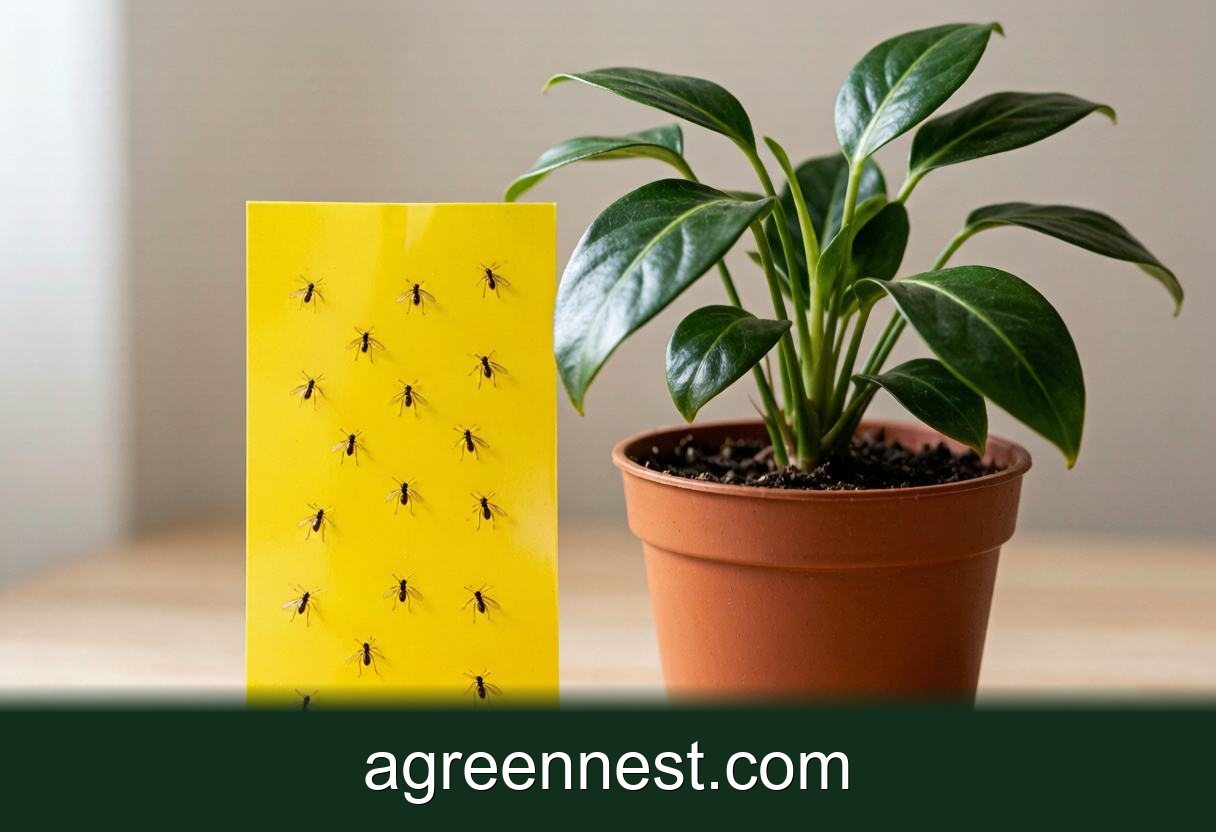
Fungus gnats are those tiny black flies that drift up from your pots every time you water. They are more annoying than dangerous, but their larvae can damage roots, so it pays to break the cycle quickly.
Why Fungus Gnats Appear
Fungus gnats are drawn to one thing above all: constantly wet soil. The adult flies are harmless, but they lay eggs in moist potting mix where the larvae feed on fungi, algae, and tender roots.
Overwatering is almost always the root cause. A pot that stays soggy for days creates the perfect nursery for the next generation.
The Gnat Life Cycle
Understanding the cycle is the key to beating them:
- Eggs: Laid in the top layer of damp soil, hatching in about three days.
- Larvae: Tiny white worms with black heads feed for roughly two weeks.
- Pupae: They rest in the soil for a few days before emerging.
- Adults: Live about a week, mating and laying more eggs.
Because the whole cycle takes only three to four weeks, a small problem multiplies fast if you keep the soil wet.
Step 1: Stop Overwatering
The single most effective change is letting the top two inches of soil dry out between waterings. Gnats cannot breed in dry soil, so you remove their nursery.
A moisture meter takes the guesswork out of this. Insert it near the edge of the pot and only water when the reading shows the top layer is dry. This one habit alone stops most infestations from returning.
Step 2: Use Sticky Traps
Yellow sticky traps catch the adult flies and reveal how bad the problem is. The bright yellow color attracts gnats, and the adhesive holds them.
Treatment Steps:
- Place one or two traps horizontally on the soil surface of each affected pot.
- Add a vertical trap near the plant to catch fliers.
- Check traps every few days and replace when covered.
- Keep using traps for a full month to catch late emergers.
Traps do not kill larvae, but they cut down the breeding adults so your other methods can work.
Step 3: Hydrogen Peroxide Soil Drench
To kill larvae in the soil, use a hydrogen peroxide drench. The fizzing action oxygenates the root zone while the solution destroys larvae and eggs on contact.
Mix one part 3% hydrogen peroxide with four parts water and water the plant as usual. You will see it bubble at the surface, which is normal and safe for roots when diluted correctly.
Repeat the drench once a week for three weeks. This breaks the larval stage without harsh chemicals and is safe around most houseplants.
Step 4: Switch to Bottom Watering
Bottom watering means placing the pot in a tray of water and letting it soak up from below. The top layer of soil stays dry, which gnats hate.
Let the plant sit in the tray for twenty to thirty minutes, then drain. Over time the dry surface becomes a barrier that discourages egg laying.
Extra Larval Controls
If the problem persists, you can add a thin layer of sand or fine gravel on top of the soil. Larvae struggle to move through it, and adults find it hard to lay eggs there.
Beneficial nematodes or Bacillus thuringiensis israelensis (BTI) granules are another option. They target gnat larvae specifically and are safe for people and pets.
Quarantine New Plants
New plants often arrive with gnat eggs in the soil. Keep any newcomer isolated for two weeks and watch for fliers before mixing it into your collection.
This simple step prevents most future outbreaks and protects the plants you already trust.
Prevention Tips
- Water only when the topsoil is dry to the touch or by meter reading.
- Use well-draining potting mix and pots with drainage holes.
- Remove fallen leaves and debris from the soil surface.
- Avoid letting pots sit in standing water for long periods.
- Keep sticky traps in high-risk plants as an early warning.
Pet and Child Safety
Hydrogen peroxide at the diluted strength is low risk, but store the bottle away from children. Sticky traps should be placed where curious pets cannot pull them into fur, and BTI products are considered safe for edible and ornamental plants alike.
Frequently Asked Questions
Q: Are fungus gnats harmful to humans?
A:
Fungus gnats do not bite or spread disease to people, though the adult flies are a nuisance and larvae can harm delicate roots.
Q: How do I know if I have fungus gnats?
A:
Small black flies rising from the soil when you water, plus tiny white larvae in the topsoil, are the classic signs.
Q: Will letting soil dry out kill the gnats?
A:
Drying the top layer stops new eggs from surviving and eventually breaks the breeding cycle within a few weeks.
Q: Is hydrogen peroxide safe for my plants?
A:
Diluted 3% peroxide at a one-to-four ratio is safe for roots and helps kill larvae without toxic residue.
Q: Can fungus gnats damage houseplants?
A:
Heavy larval feeding on roots can stunt growth and yellow leaves, especially in seedlings and small plants.
Q: How long until fungus gnats are gone?
A:
With traps, drenches, and dry soil, most infestations clear in three to four weeks as the life cycle is broken.
Fungus gnats reward consistency more than any single product. Pair a moisture meter with dry-top watering habits and your plants will stay gnat-free for good.
Comments
Share your experience or ask a question. Comments are stored locally in your browser for this demo.