 GreenNest
Succulent Care
Haworthia Care Guide: The Perfect Low-Light Succulent
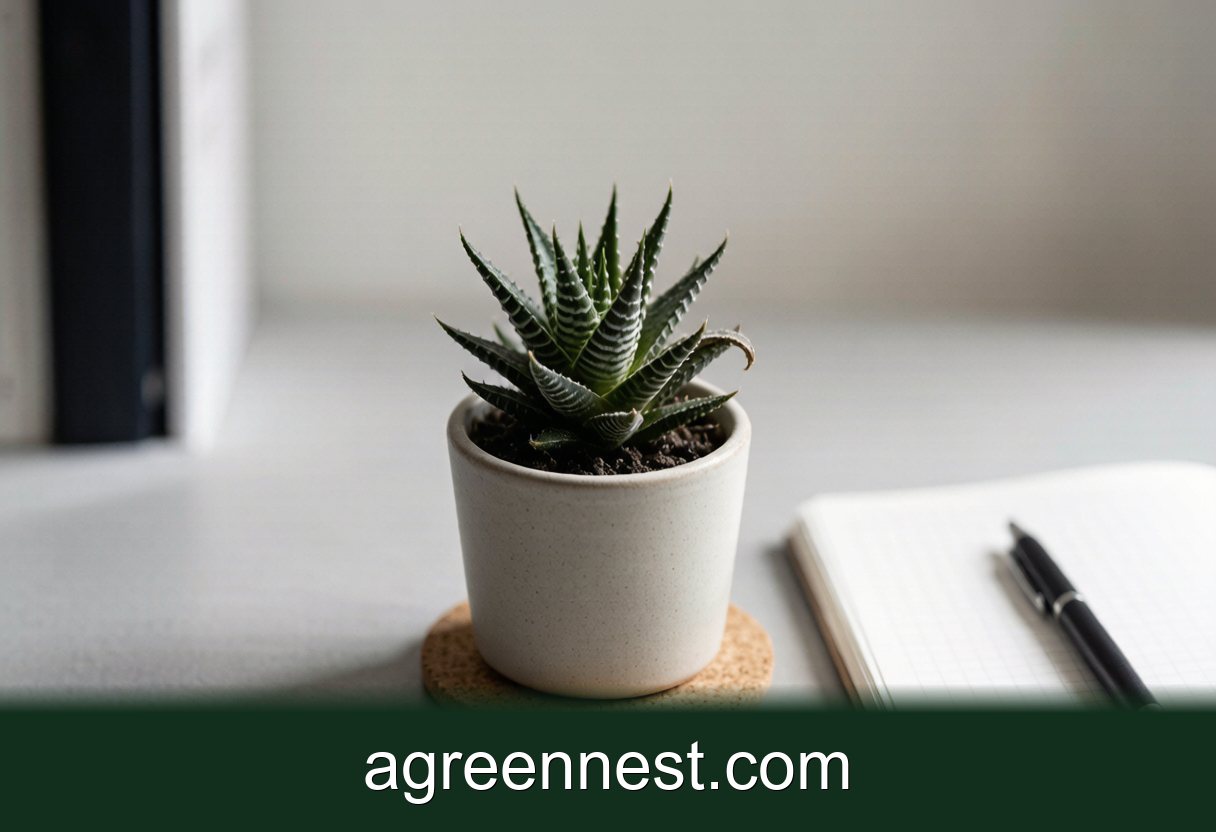
Haworthia, often called the zebra plant for its white striped leaves, is the friendliest succulent for beginners. If your home lacks bright sun, Haworthia care is refreshingly forgiving and rewards even a little neglect.
Why Haworthia Is a Beginner Favorite
Haworthia comes from the shady floors of South African scrub, so it evolved for filtered light rather than blasting sun. Popular types include Haworthia fasciata (the classic zebra plant), Haworthia cooperi with its translucent "window" tips, and the chunky Haworthia truncata.
These little plants stay under 6 inches tall, rarely need repotting, and shrug off the dry air of most homes. They are the succulent you give to a friend who claims they kill everything.
Light: Indirect and Easy
Unlike Echeveria, Haworthia hates harsh direct sun. Bright indirect light or even gentle morning sun is perfect. An east-facing window or a few feet back from a south window works beautifully.
Too much sun scorches the leaves into brown, papery patches. Too little light makes the plant grow slowly and lose its tight rosette shape, but it will not die — it simply waits for better conditions.
Best Spots in the Home
- A bathroom with a frosted window (humidity loves Haworthia).
- A desk lamp lit corner that gets a few hours of indirect sun.
- A north-facing windowsill that stays cool and shaded.
This flexibility is why Haworthia is the go-to succulent for offices and apartments.
Watering: Tiny Sips, Not Soaks
Haworthia stores water in its leaves and wants only a small drink. In spring and summer, water every 2–3 weeks using the soak-and-dry method. In fall and winter, stretch that to every 3–4 weeks.
The biggest risk is overwatering. Because the plant is small and slow, a single soggy pot can rot it within weeks. When in doubt, wait another few days.
How to Know It Is Thirsty
- The leaves look a touch less plump and slightly wrinkled.
- The pot is light when lifted.
- The soil is fully dry an inch down.
Soil and Pots
Haworthia needs gritty, fast-draining soil just like its sun-loving cousins. A mix of 50% cactus soil and 50% perlite or pumice keeps roots healthy. Never use dense garden soil or moisture-holding mixes.
Terracotta pots are ideal for Haworthia because their porous walls wick extra moisture away from the roots. Choose a snug pot with a drainage hole — these small plants prefer to be slightly root-bound and dislike sitting in wet soil.
Offset Pups: Free New Plants
One of the joys of Haworthia care is the pups. Mature plants send out small clones, called offsets, around their base. These tiny rosettes share the pot for a while, then can be separated.
To divide pups, wait until they are at least an inch wide. Gently tease them from the mother with a clean knife, let the cut dry for a day, then plant in their own gritty mix. Within weeks they root and start their own colony.
Why Haworthia Suits Desks and Bathrooms
Haworthia thrives where other succulents fail. Desks get a few hours of indirect light but no sun blast — ideal. Bathrooms offer the humidity Haworthia quietly enjoys, and the lower light is no problem.
Because it stays tiny and pest-resistant, it is also safe around pets and children. Place one by the sink or on a bookshelf and forget about it for weeks at a time.
Common Problems and Fixes
Brown Scorched Patches
Move the plant out of direct sun immediately. Trim badly burned leaves and resume bright indirect light.
Mushy, Yellow Base
This is rot from overwatering. Remove the plant, cut away soft tissue, let it dry, and replant in fresh dry soil.
Slow or No Growth
Normal in winter. If it persists in summer, give slightly more indirect light or a diluted cactus feed.
Frequently Asked Questions
Q: How much light does Haworthia need?
A:
Haworthia thrives in bright indirect light or gentle morning sun and tolerates lower light better than most succulents.
Q: How often should I water a Haworthia?
A:
Water every 2–3 weeks in summer and every 3–4 weeks in winter, always after the soil has fully dried.
Q: Is Haworthia safe for pets?
A:
Yes, Haworthia is non-toxic to cats and dogs, making it a safe choice for homes with curious pets.
Q: Why are my Haworthia leaves turning brown?
A:
Brown patches usually mean too much direct sun. Move the plant to bright indirect light to prevent further scorch.
Q: How do I propagate Haworthia pups?
A:
Separate offsets at least an inch wide from the mother, let the cut dry a day, then plant in gritty soil to root.
Q: Can Haworthia grow in a bathroom?
A:
Absolutely. Bathrooms offer indirect light and gentle humidity, two things Haworthia loves.
Haworthia proves you do not need a sunny home to grow succulents. Try our free light calculator to find the best low-light corner, and download our succulent ebook for month-by-month Haworthia care.
Comments
Share your experience or ask a question. Comments are stored locally in your browser for this demo.