 GreenNest
Plant Pests & Diseases
How to Get Rid of Mealybugs on Houseplants
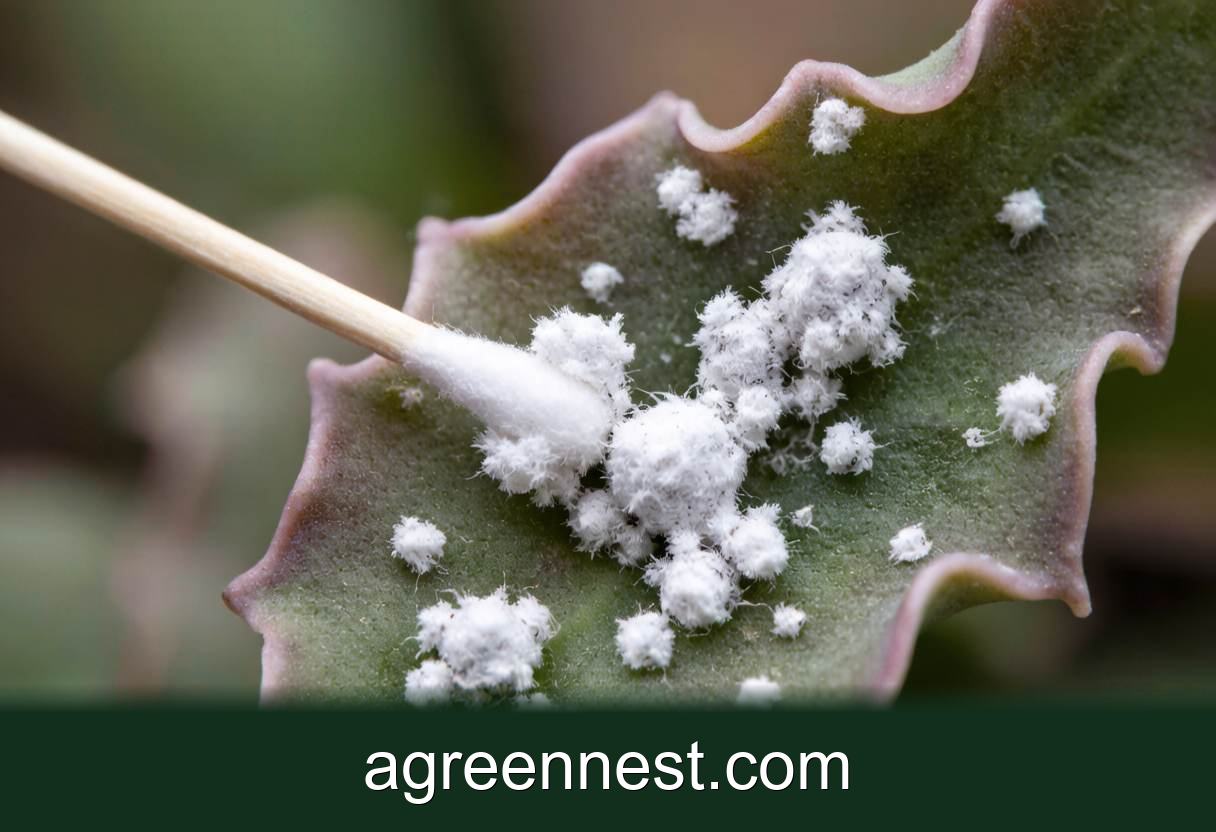
Mealybugs are among the most common indoor plant pests, and they spread fast if ignored. This guide walks you through spotting, isolating, and wiping them out before they damage your collection.
What Are Mealybugs?
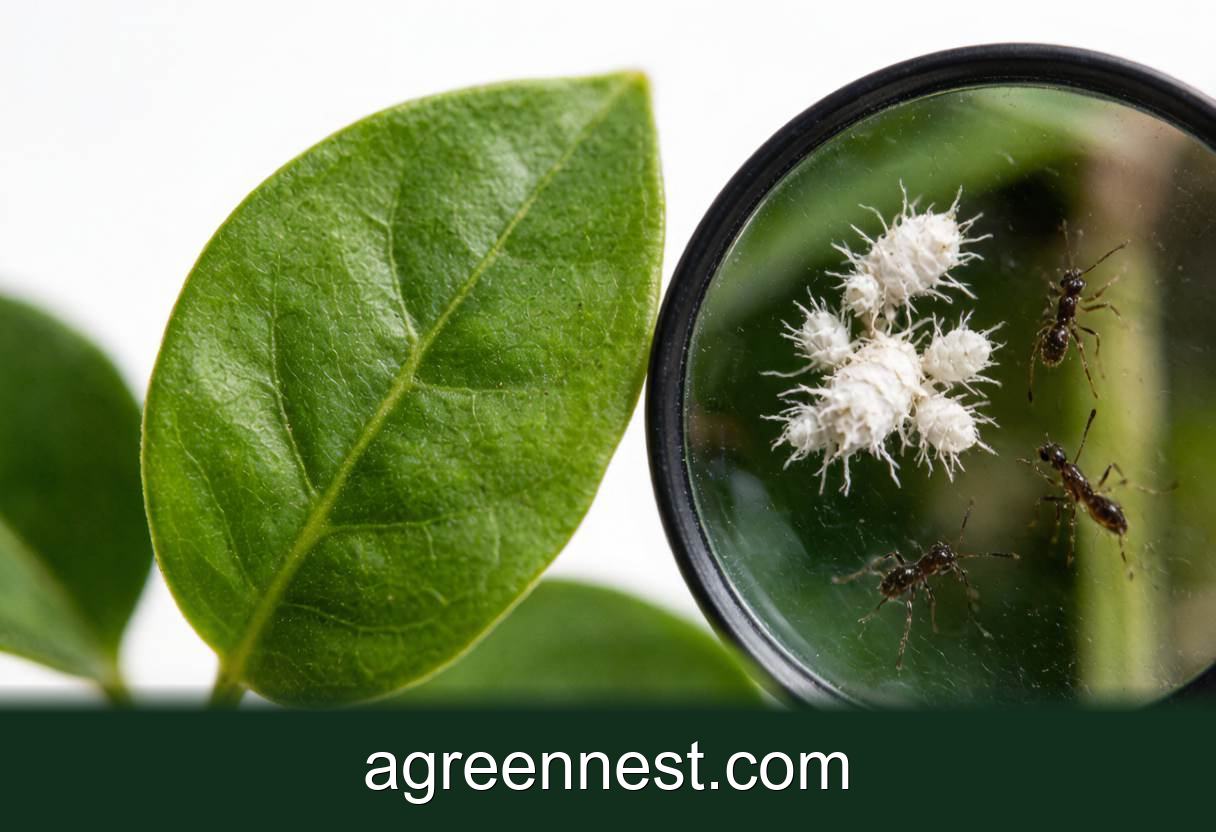
Mealybugs are small, soft-bodied insects that belong to the scale family. They look like tiny white blobs of cotton stuck to your plant's stems, leaves, and even the soil surface.
The white fuzz is actually a waxy coating the insect produces to protect itself. Underneath that fluff is a pale yellow or pink body that feeds by sucking plant sap.
How They Hide
Mealybugs love tight, sheltered spots where you might not look right away. Check these places first:
- Where leaves meet the stem (leaf axils)
- The undersides of leaves
- Crowded growth in the center of rosette plants
- The soil line and pot rim
- Inside curled or cupped leaves
Because they cluster in hidden areas, a small infestation can explode into a big one within a few weeks.
Signs of a Mealybug Infestation
Catching the problem early makes treatment far easier. Watch for these clues:
Signs:
- White, cottony masses on stems and leaf joints
- Sticky honeydew residue that makes leaves feel tacky
- Black sooty mold growing on the sticky film
- Yellowing, curling, or distorted new growth
- Stunted growth and wilting despite normal watering
Honeydew is the clear, sugary waste mealybugs excrete. Sooty mold follows, and both weaken the plant over time.
How Mealybugs Spread
A single female can produce hundreds of eggs in a cottony egg sac. The tiny crawling nymphs, called crawlers, wander to new parts of the plant or hitch a ride on your hands, tools, or other pots.
They move slowly, but a breeze from a fan or a watering can brushed against foliage is enough to relocate them. This is why isolation is step one.
Step 1: Isolate the Plant
The moment you suspect mealybugs, move the plant away from everything else. A distance of at least three feet from other plants is a good rule of thumb.
Do not water or handle nearby plants with the same tools until you have cleaned up. Wash your hands and disinfect pruning shears after working on the infected plant to avoid carrying crawlers elsewhere.
Step 2: Manual Removal
For light infestations, physical removal works surprisingly well. Dip a cotton swab in 70% isopropyl rubbing alcohol and dab each mealybug directly.
The alcohol dissolves their waxy coating and kills them on contact. Wipe the area with a clean cloth afterward to remove the bodies and honeydew.
Treatment Steps:
- Inspect the whole plant under good light.
- Touch each bug with an alcohol-soaked swab.
- Wipe down leaves, top and bottom, with a damp cloth.
- Repeat every two to three days for two weeks.
Manual removal is safe around pets and children, which makes it ideal for the first line of defense.
Step 3: Neem Oil Routine
After manual cleanup, a foliar spray helps kill lingering crawlers and prevents new eggs from hatching. Neem oil is a natural, plant-derived option that disrupts the pest's life cycle.
Mix a ready-to-use neem oil solution according to the label, usually a teaspoon of concentrate per quart of water with a few drops of mild dish soap as an emulsifier. Spray all plant surfaces until they glisten, then repeat every seven days for three to four weeks.
Why Neem Works
Neem contains azadirachtin, which interferes with insect hormones and feeding. It is not an instant killer, so consistency matters more than a single heavy application.
Spray in the early morning or evening to avoid leaf burn in direct light. Keep treated plants out of hot afternoon sun for a few hours.
Step 4: Insecticidal Soap
For stubborn spots, pair neem with insecticidal soap. This gentle, fatty-acid-based spray breaks down the soft bodies of mealybugs on contact.
Coat the affected areas thoroughly and rinse lightly after a couple of hours if the plant is sensitive. Use it every five to seven days alongside the neem schedule until no bugs appear for two straight weeks.
Systemic Options for Severe Cases
When the infestation is heavy or keeps returning, a systemic insecticide absorbed through the roots can protect the plant from the inside. These products move into the sap, so any mealybug that feeds dies.
Use systemics only on ornamental plants, never on anything you might eat, and always follow the label exactly. Keep treated plants away from pets and children during the application period.
Prevention Tips
The best cure is a plant that never gets bugs. Build these habits:
- Inspect new plants for two weeks in quarantine before introducing them.
- Avoid overcrowding pots so air and light reach every part.
- Wipe leaves monthly with a damp cloth to remove dust and pests.
- Do not over-fertilize, since soft new growth attracts mealybugs.
- Rotate neem oil sprays every month as a light preventative.
Pet and Child Safety
Rubbing alcohol swabs should be stored out of reach, as ingestion is harmful. Neem oil and insecticidal soap are low toxicity but can irritate skin or stomachs, so keep bottles locked away and let sprayed leaves dry before allowing contact.
Frequently Asked Questions
Q: Are mealybugs harmful to humans?
A:
Mealybugs do not bite or sting people, but the alcohol and sprays used to treat them should be kept away from skin and eyes.
Q: Can mealybugs live in the soil?
A:
Yes, some species hide near the soil line and root crown, which is why you should inspect the pot rim and topsoil during treatment.
Q: How long does it take to get rid of mealybugs?
A:
With consistent alcohol swabs, neem oil, and soap, most infestations clear in three to four weeks of repeated treatment.
Q: Will mealybugs kill my plant?
A:
Left untreated, heavy feeding causes yellowing, stunting, and eventual decline, but most plants recover fully with prompt action.
Q: Is neem oil safe for pets?
A:
Neem oil is low toxicity, but keep pets from licking treated leaves until the spray has fully dried to avoid stomach upset.
Q: Should I throw away an infested plant?
A:
Only as a last resort; isolation and a steady treatment routine saves the vast majority of houseplants.
Mealybugs are frustrating but very beatable with patience and a repeatable routine. For more help, browse our pest control tools and keep your GreenNest collection thriving.

Comments
Share your experience or ask a question. Comments are stored locally in your browser for this demo.