 GreenNest
Plant Pests & Diseases
How to Save a Plant With Root Rot
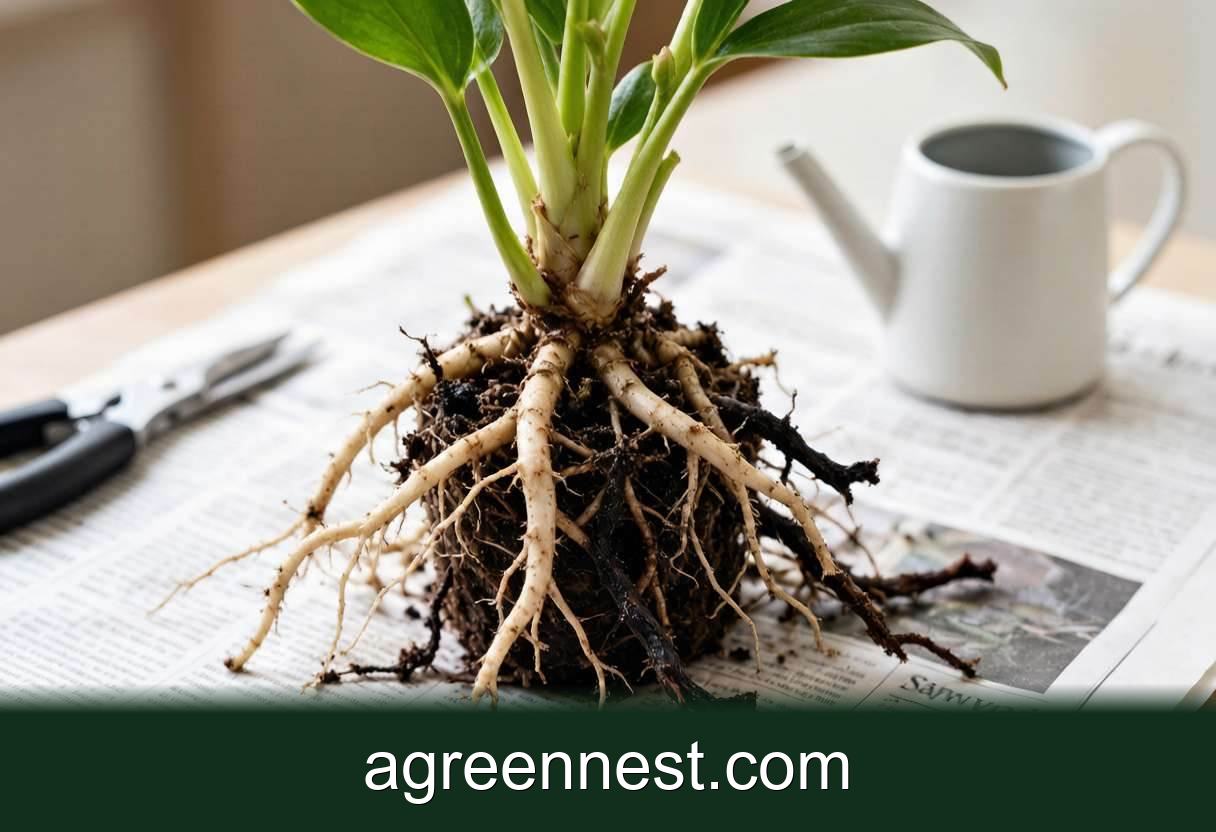
Root rot is the silent killer of houseplants, usually caused by too much water and too little air around the roots. The good news is that many rotting plants can be rescued if you act quickly.
What Causes Root Rot?
Root rot happens when roots sit in waterlogged soil and begin to decay from lack of oxygen. Healthy roots need air pockets in the mix, and constant moisture squeezes that air out.
The most common triggers are overwatering, pots without drainage holes, and dense soil that holds water like a sponge. Once roots rot, they cannot take up water, so the plant ironically looks thirsty.
The Role of Fungi
Decaying roots invite soil-borne fungi and bacteria that speed up the damage. These pathogens thrive in wet, compacted conditions and spread through the root system fast.
This is why fixing the environment matters as much as trimming the bad roots.
Symptoms to Watch For
Catching rot early improves your odds. Look for these warning signs:
Signs:
- Yellowing leaves that droop even when soil is wet
- A soft, mushy, or blackened stem base near the soil
- Roots that are brown, black, or slimy instead of white and firm
- A sour, musty smell from the potting mix
- Sudden leaf drop and stalled growth
Healthy roots should be light colored and snap cleanly. If they feel like wet string and smell foul, rot has set in.
Step 1: Unpot the Plant
Gently slide the plant out of its pot and shake off as much old soil as you can. Handle the stem carefully so you do not snap it.
Rinse the roots under lukewarm water to see their true condition. This also removes clinging fungus and old mix from the damaged areas.
Treatment Steps:
- Lay the plant on a clean towel and inspect the root ball.
- Identify firm, white roots versus soft, dark ones.
- Use clean scissors to cut away all rotted roots.
- Sterilize your tools with rubbing alcohol between cuts.
Only remove what is truly dead. Saving every healthy root gives the plant the best chance to recover.
Step 2: Trim the Rotted Roots
Cut back mushy, brown, or black roots until you reach firm, pale tissue. It is better to be thorough than to leave infected material behind.
If the stem base is also soft, trim it back to healthy tissue and let the cut callus for a day before repotting. For succulents, this drying step is especially important.
Step 3: Repot in Dry, Gritty Soil
Choose a fast-draining mix that lets air reach the roots. A gritty, well-aerated blend prevents the soggy conditions that caused the rot in the first place.
Pair that mix with a porous terracotta pot, which wicks excess moisture away from the soil. Terracotta helps keep the root zone from staying wet too long.
Repotting Steps:
- Select a pot only slightly larger than the remaining root ball.
- Add a layer of gritty mix at the bottom for drainage.
- Position the plant and fill around roots with fresh mix.
- Do not water for a few days to let cuts heal.
Avoid packing the soil tightly. Loose, airy mix is exactly what recovering roots need.
Step 4: Recovery Care
After repotting, place the plant in bright, indirect light and resist the urge to overwater. Wait until the top two inches of soil are dry before the next drink.
Hold off on fertilizer for at least a month, since feeding stressed roots can burn them. New white root tips and fresh leaves are signs your plant is bouncing back.
Prevention Tips
- Always use pots with drainage holes and a gritty mix.
- Water only when the topsoil is dry, not on a fixed schedule.
- Empty saucers of standing water after each watering.
- Choose terracotta for plants prone to overwatering.
- Repot every year or two to refresh compacted soil.
Pet and Child Safety
Root rot treatment uses no toxic chemicals, so it is safe around homes with pets and children. Keep pruning alcohol stored away, and wash hands after handling decaying plant material to avoid spreading pathogens.
Frequently Asked Questions
Q: Can a plant recover from root rot?
A:
Yes, if you remove the rotted roots and repot in dry, gritty soil, many plants regrow healthy roots within weeks.
Q: How do I know if roots are rotten?
A:
Rotted roots are brown, black, mushy, and often smell foul, while healthy roots are firm and pale.
Q: Should I water a plant with root rot right after repotting?
A:
Wait a few days so cut roots can heal, then water only when the topsoil is dry to the touch.
Q: Is terracotta better for preventing root rot?
A:
Terracotta is porous and draws moisture from the soil, helping keep roots drier than plastic or glazed pots.
Q: Can root rot spread to other plants?
A:
The pathogens can move through shared water or tools, so sterilize equipment and avoid cross-contamination.
Q: How long until my plant looks healthy again?
A:
With good care, new growth usually appears within three to six weeks as fresh roots establish.
Root rot is scary but very fixable with the right soil and pot. Browse our pest control tools for more ways to keep your GreenNest plants thriving.
Comments
Share your experience or ask a question. Comments are stored locally in your browser for this demo.