 GreenNest
Plant Pests & Diseases
Scale Insects on Houseplants: Identification and Treatment
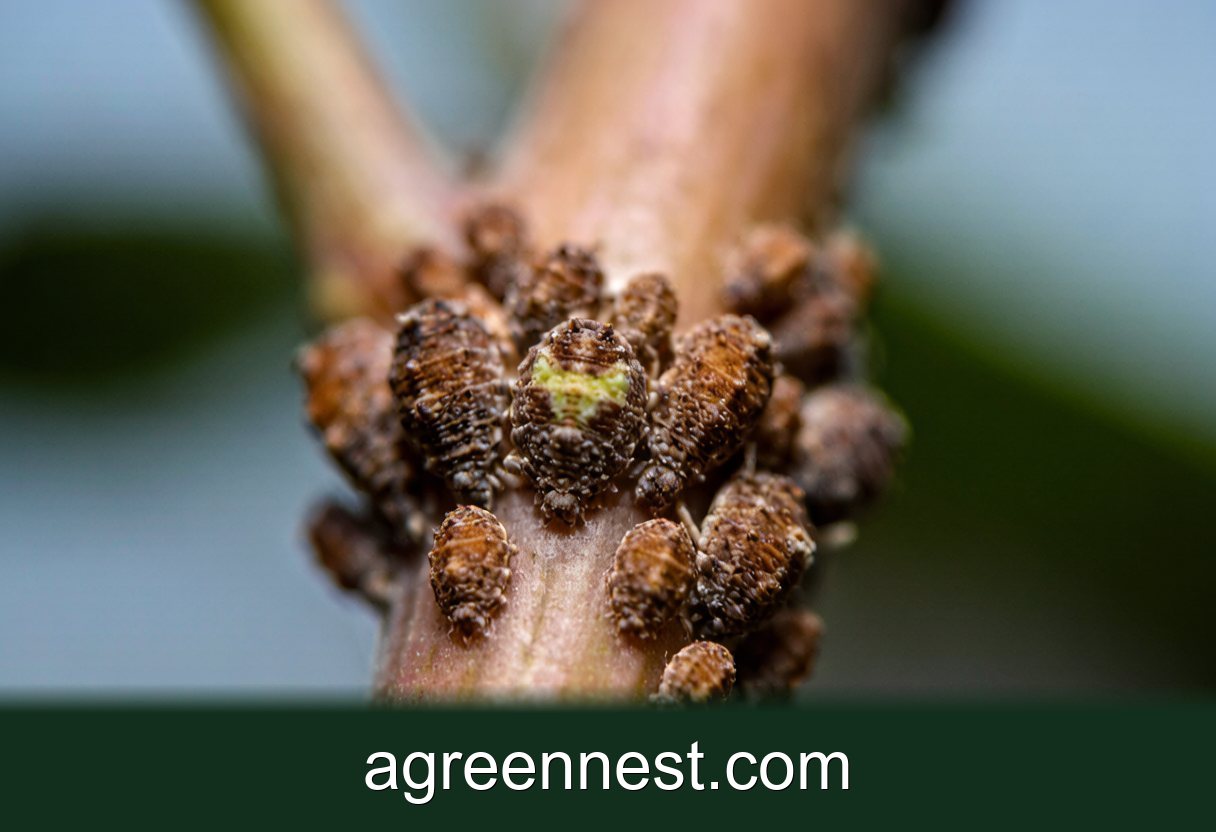
Scale insects are sneaky houseplant pests that look more like raised brown bumps than bugs. This GreenNest guide shows you how to spot them early and clear them for good.
What Are Scale Insects?
Scale insects are small, sap-sucking pests that attach themselves to stems and leaves and barely move once settled. They belong to the same broad family as mealybugs, but instead of cottony fluff they wear a hard or soft dome-shaped shell.
There are two main types indoor gardeners meet. Soft scale is rounded and often slightly shiny, while armored scale has a separate waxy cover you can pop off to reveal the tiny body underneath.
Why They Are Easy to Miss
Because adult scale does not crawl around in the open, many plant owners mistake them for natural growths, scabs, or dirt. A plant can host dozens before anyone notices the damage.
They also cluster on the undersides of leaves and along woody stems, exactly where your eye does not go first.
Signs of a Scale Infestation
Catching scale early is the difference between a quick wipe-down and a months-long battle. Watch for these clues:
- Small brown, tan, or gray bumps on stems, leaf veins, and the backs of leaves
- Leaves that feel sticky from excreted honeydew
- Black sooty mold growing on the sticky film
- Yellowing leaves, leaf drop, and slowed growth
- A general look of decline even with normal watering
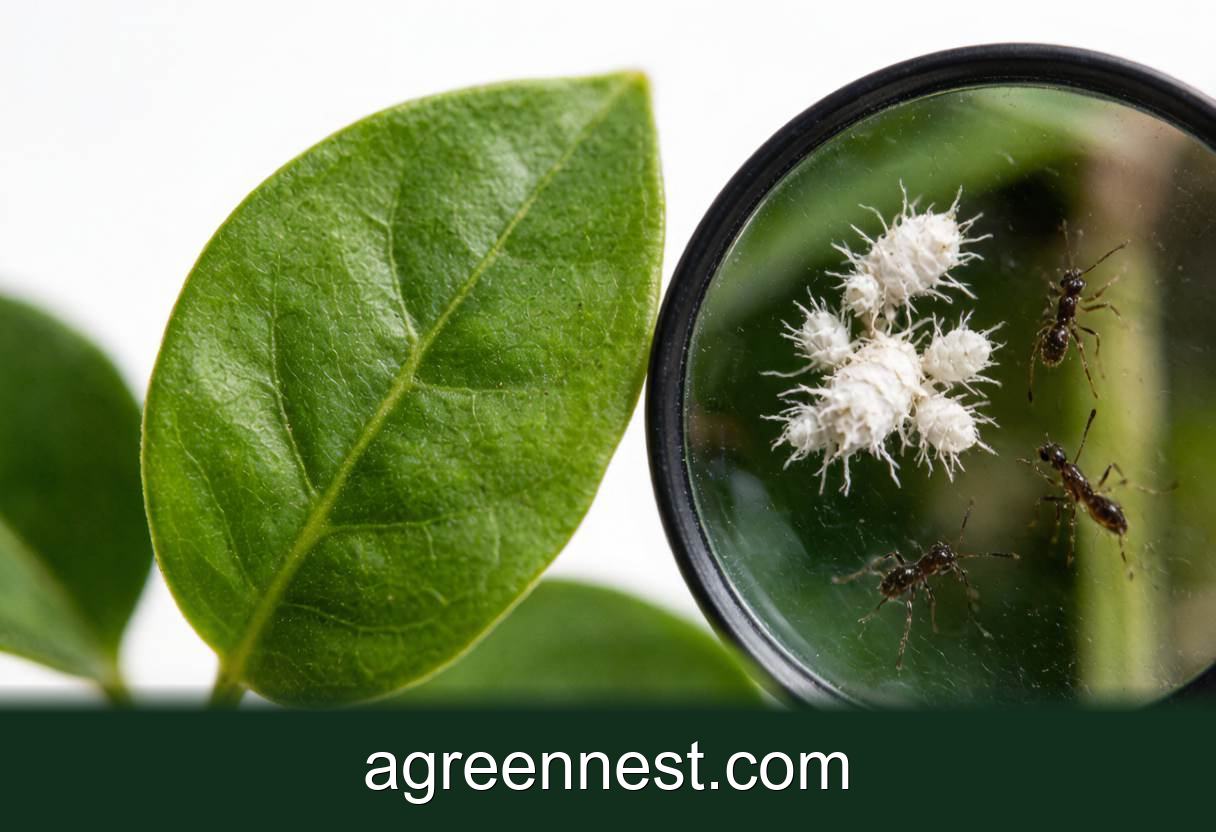
Honeydew is the clear, sugary waste scale pumps out while feeding. Ants may appear too, since they farm the honeydew for food.
How Scale Spreads
Female scale are often wingless and stay put, but they produce tiny crawling young called crawlers. These crawlers wander to fresh parts of the plant or drift to nearby pots on your hands, tools, or a watering can.
This mobile stage is the only time scale is easy to kill, which is why timing your treatment to the crawler phase matters so much.
Step 1: Isolate the Affected Plant
The instant you suspect scale, move the plant at least three feet from its neighbors. Scale crawlers travel short distances, but isolation stops them from reaching your other greenery.
Wash your hands and disinfect any pruners or cloths you used before touching another plant. A single crawler on your sleeve can start a new colony across the room.
Step 2: Manual Removal With Alcohol Swabs
For light infestations, rubbing alcohol is your best friend. Dip a cotton swab in 70 percent isopropyl alcohol and dab each scale bump directly.
The alcohol dissolves the protective shell and kills the insect on contact. After dabbing, wipe the area with a clean cloth to lift away dead bodies and honeydew.
How to Do It:
- Inspect the whole plant under bright light, top and bottom.
- Touch every bump with an alcohol-soaked swab.
- Wipe leaves and stems with a damp cloth.
- Repeat every two to three days for about two weeks.
This method is safe around pets and children once the alcohol is stored away, making it the ideal first strike.
Step 3: Horticultural Oil
Once you have removed what you can by hand, a horticultural oil smothers any survivors and their eggs. These lightweight oils coat the insect and block its breathing, with no toxic residue left behind.
Spray all surfaces until they glisten, paying attention to leaf undersides and stem joints. Apply in the early morning or evening so the oil does not trap heat against the leaf and cause burn.
Timing the Oil
Horticultural oil works best when crawlers are active, usually in warm, humid conditions. Repeat the spray every seven to ten days for three cycles to catch each new wave of young.
Step 4: Neem Oil for Ongoing Control
Neem oil is a plant-based option that disrupts the scale life cycle rather than only killing on contact. Its active compound interferes with insect hormones and feeding, so crawlers that hatch after spraying still fail to mature.
Mix a label-directed neem solution, typically a teaspoon of concentrate per quart of water with a drop of mild soap, and mist the plant thoroughly. Reapply every seven days for three to four weeks.
Step 5: Insecticidal Soap
For stubborn scale, pair your oil and neem routine with insecticidal soap. The fatty acids in the soap break down the soft bodies of any exposed crawlers on contact.
Coat affected areas well and rinse gently after a couple of hours if your plant is sensitive. Use it every five to seven days alongside the neem schedule until no new bumps appear for two straight weeks.
Systemic Granules for Heavy Cases
When scale keeps returning or covers the entire plant, a systemic granular insecticide absorbed through the roots offers inside-out protection. The active ingredient moves into the sap, so any scale that feeds dies from within.
Apply systemics only to ornamental plants, never to anything edible, and follow the label to the letter. Keep treated pots away from pets and children during the active period, and wash hands after handling the granules.
Prevention Tips
A plant that never gets scale is easier than one you have to cure. Build these habits:
- Quarantine every new plant for two weeks before mixing it with the collection.
- Dust leaves monthly with a damp cloth to spot pests early.
- Avoid overcrowding so air and light reach every stem.
- Do not over-fertilize, since soft new growth draws scale in.
- Rotate a light neem spray monthly as a low-effort preventative.
Pet and Child Safety
Rubbing alcohol must be capped and stored high, since ingestion is harmful. Horticultural oil, neem oil, and insecticidal soap are low toxicity but can irritate skin or stomachs, so keep bottles locked away and let leaves dry before allowing contact. Systemic granules should always be out of reach, as they are the highest-risk product in this routine.
Frequently Asked Questions
Q: Are scale insects harmful to humans?
A:
Scale do not bite or sting people, but the alcohol and sprays used to treat them should be kept away from skin and eyes.
Q: Can scale live on the soil surface?
A:
Yes, crawlers and some species settle near the soil line, so inspect the pot rim and topsoil during treatment.
Q: How long does it take to get rid of scale?
A:
With consistent swabbing, oil, and neem, most infestations clear in three to four weeks of repeated treatment.
Q: Will scale kill my houseplant?
A:
Left untreated, heavy feeding causes yellowing, leaf drop, and decline, but most plants recover with prompt action.
Q: Is neem oil safe around pets?
A:
Neem is low toxicity, but keep pets from licking treated leaves until the spray has fully dried.
Q: Should I throw away a scale-covered plant?
A:
Only as a last resort; isolation and a steady routine saves the vast majority of infested houseplants.
Scale insects are masters of disguise, but alcohol swabs, horticultural oil, and a patient schedule will win the day. For more help, visit our pest control hub and keep your GreenNest plants healthy.

Comments
Share your experience or ask a question. Comments are stored locally in your browser for this demo.