 GreenNest
Plant Pests & Diseases
Whiteflies on Houseplants: How to Get Rid of Them
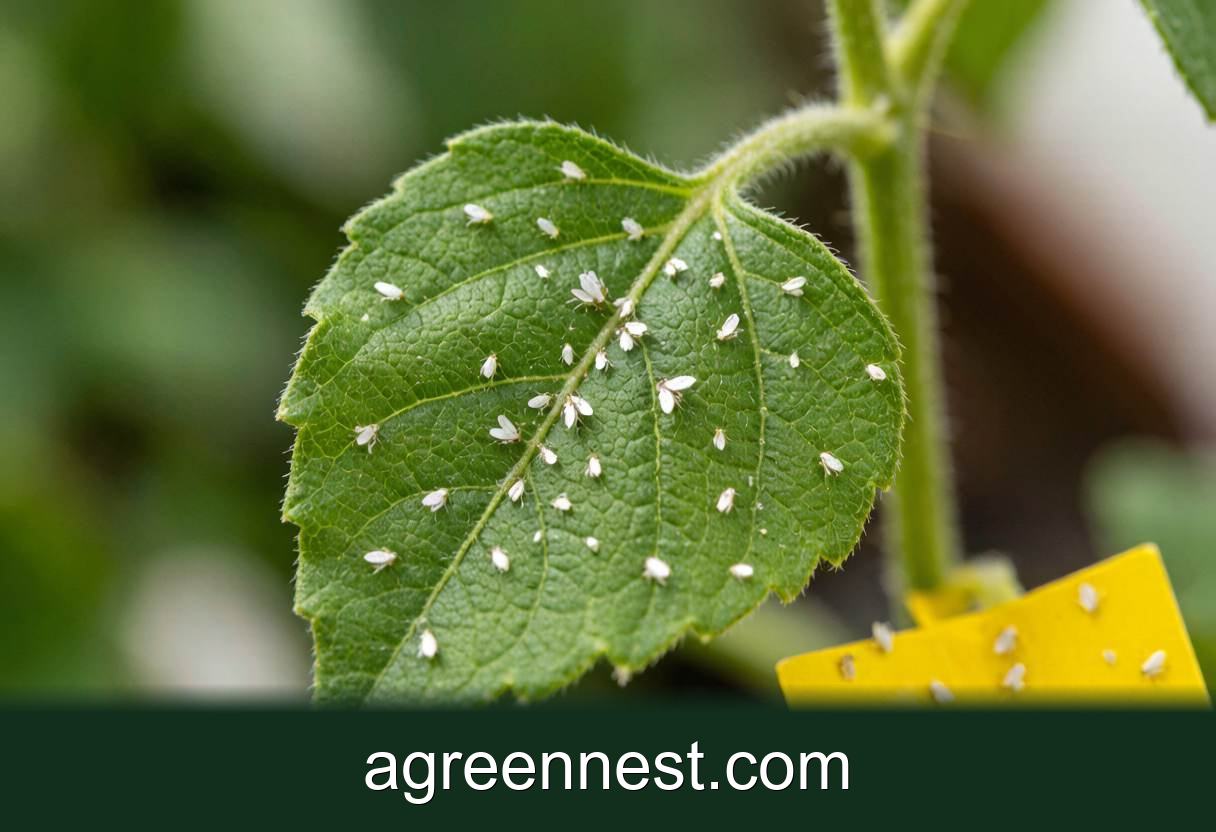
Whiteflies are tiny white flying insects that burst off your plant in a cloud when you touch it. This GreenNest guide explains how to spot them, break their life cycle, and reclaim your indoor garden.
What Are Whiteflies?
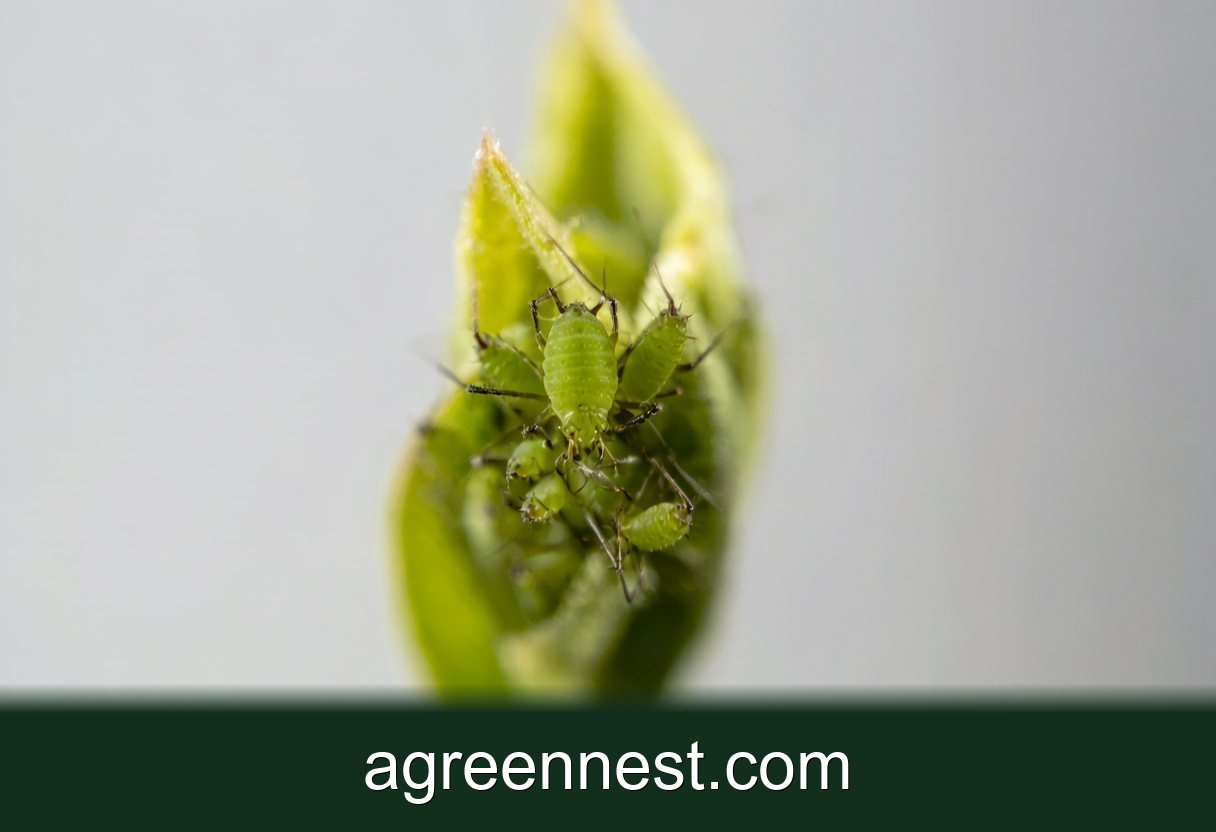
Whiteflies are small, winged relatives of aphids and scale that feed on plant sap from the undersides of leaves. Despite the name, they are not true flies but members of the hemipteran group of piercing insects.
Adults are about the size of a pinhead, powdery white, and quick to take flight. The immature stage, called a nymph, is flat, translucent, and glued to the leaf where it feeds.
Why They Love Indoors
Warm, still air and tender houseplant leaves create a perfect whitefly nursery. Greenhouses and sunrooms are classic hotspots, but any cozy room with overwatered, soft growth will do.
Because they reproduce fast, a few stray adults can become hundreds within a month if you do nothing.
Signs of a Whitefly Problem
Whiteflies announce themselves loudly, but the damage builds quietly. Look and feel for these clues:
- A cloud of tiny white insects when you brush the foliage
- Adults resting on the undersides of leaves
- Sticky honeydew and black sooty mold on upper leaves
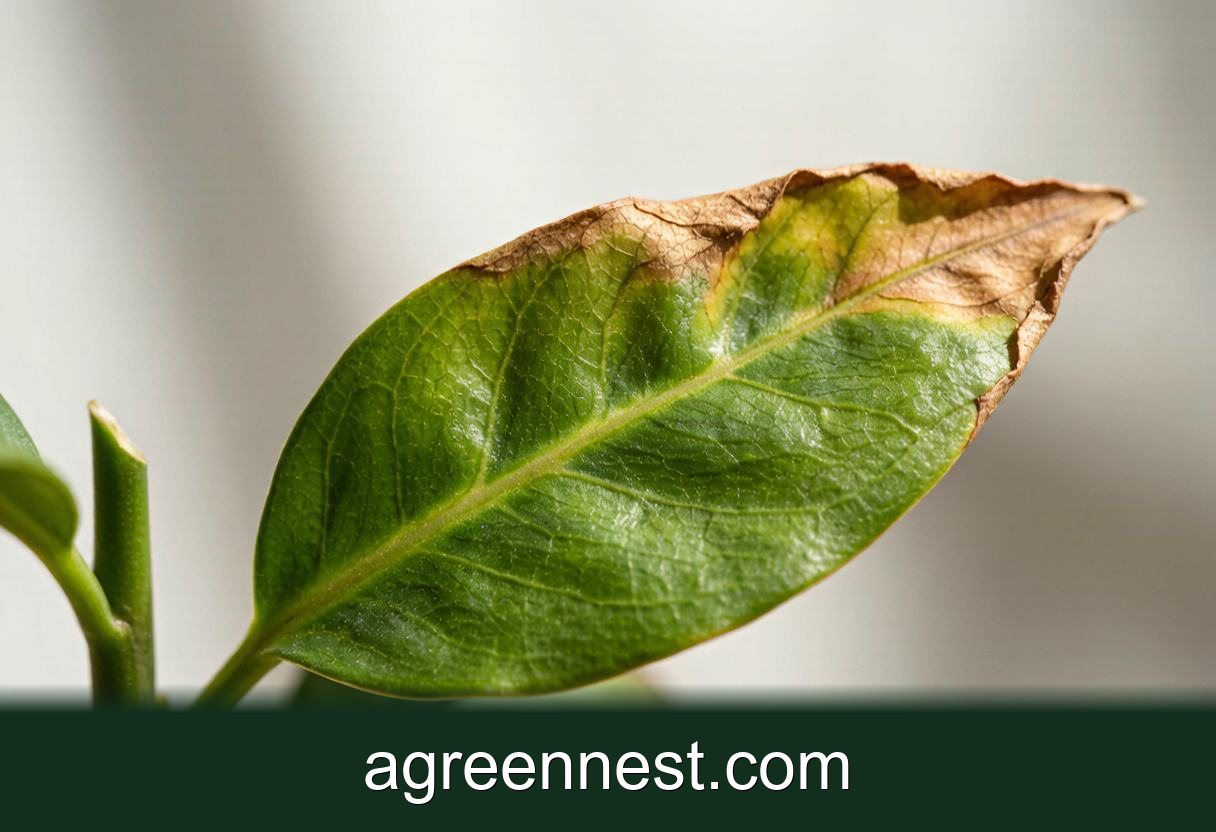
- Yellowing, wilting, or stunted new growth
- Leaves that look dry and curled despite moist soil
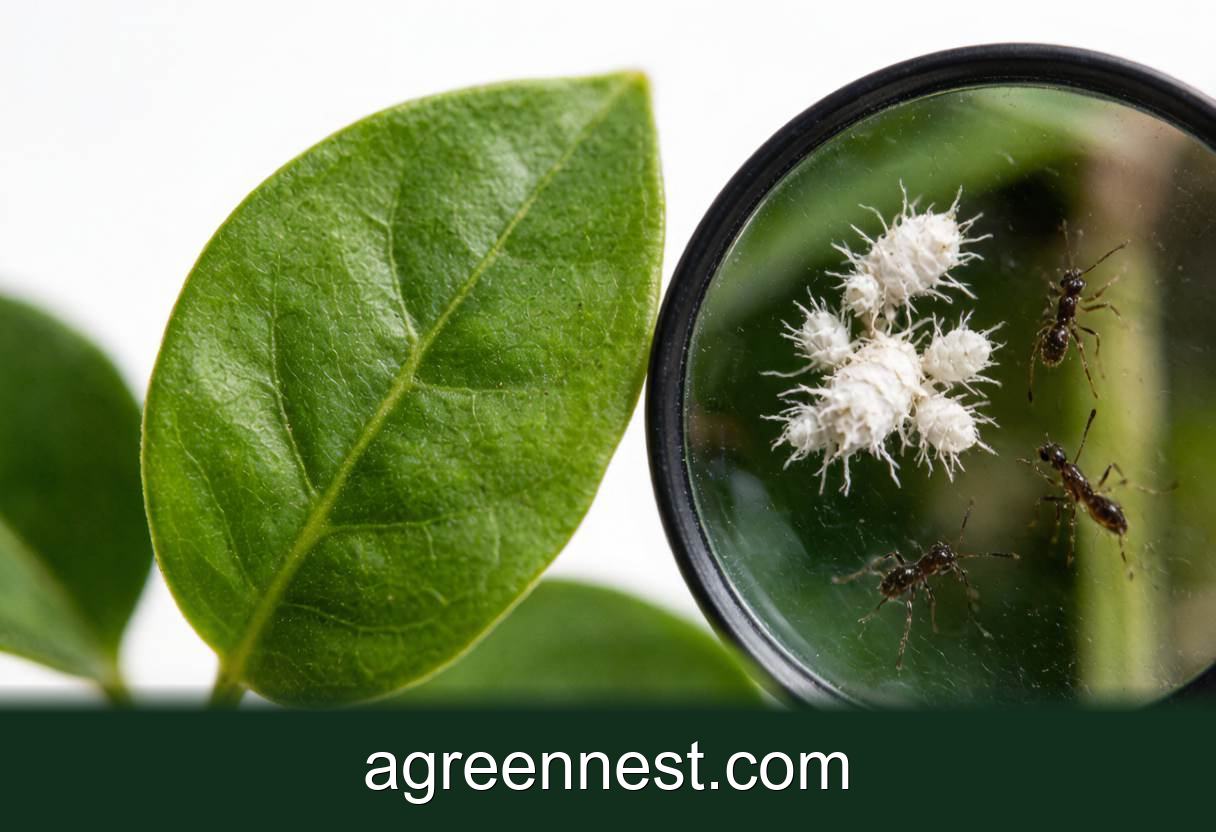
The honeydew they excrete attracts ants and feeds sooty mold, which blocks light and further weakens the plant.
How Whiteflies Spread
Adults flutter to nearby plants to lay eggs, usually in neat rings on leaf undersides. Each female can deposit hundreds of eggs, and warm homes let them hatch in about a week.
Newly hatched crawlers move a short distance, then settle and feed for weeks. Breaking this cycle means hitting every stage, not just the flying adults.
Step 1: Isolate the Plant Immediately
The moment you see a whitefly cloud, move the plant far from others, ideally into a separate room. Whiteflies fly, so distance and a closed door are your best barriers.
Do not bring the infected pot near healthy plants to water it, and wash your hands after handling it. A single adult can restart the problem on a neighbor.
Step 2: Yellow Sticky Traps
Yellow sticky traps are the simplest, chemical-free way to cut the adult population. Whiteflies are drawn to yellow and get stuck the instant they land.
Place one or two traps at the canopy level of the plant and nearby pots. Check them every few days and replace when covered.
Why Traps Work
Traps do not kill eggs or nymphs, but they intercept adults before they lay more eggs. Fewer egg-layers means the next generation shrinks instead of growing.
Use them continuously through treatment so you capture each new wave of fliers.
Step 3: Vacuum Them Up
A handheld vacuum is a surprisingly effective whitefly weapon. Gently suck the adults off the leaves, especially on calm mornings when they are less active.
Empty the vacuum canister outside right away so nothing escapes back indoors. Follow up by wiping leaf undersides with a damp cloth to remove settled nymphs.
Step 4: Insecticidal Soap
Insecticidal soap is the go-to spray for whitefly nymphs and adults. The fatty acids pierce their soft bodies on contact, with no lingering toxic residue.
Coat the undersides of leaves thoroughly, since that is where whiteflies live. Reapply every five to seven days for three to four weeks to catch newly hatched crawlers.
Spraying Tips
Spray in the early morning or evening to avoid leaf burn. Rinse sensitive plants lightly a couple of hours after application, and always test a single leaf first if you are unsure.
Step 5: Neem Oil for the Life Cycle
Neem oil complements soap by disrupting whitefly hormones and feeding, so eggs and crawlers that survive the soap still fail to mature. Its gentle, plant-derived action is safe for regular use.
Mix a label-directed solution and mist all leaf surfaces, focusing underneath. Repeat every seven days alongside the soap schedule until no adults appear for two weeks.
Breaking the Life Cycle
Whiteflies win when you treat once and walk away. Their strength is speed, so your strength must be consistency.
- Trap and vacuum adults weekly to stop new eggs.
- Soap and neem the foliage on a fixed seven-day beat.
- Keep the plant isolated until two clean weeks pass.
- Quarantine new plants so you never import them again.
This repeating routine starves each generation before it can reproduce, which is the only reliable way to end an infestation.
Prevention Tips
Stop whiteflies before they start with these simple habits:
- Inspect new plants for two weeks in quarantine.
- Use yellow sticky traps as an early-warning monitor.
- Avoid over-fertilizing, since lush soft growth draws whiteflies.
- Improve airflow with a small fan to discourage settling.
- Wipe leaves monthly to remove dust, eggs, and nymphs.
Pet and Child Safety
Insecticidal soap and neem oil are low toxicity but can irritate skin or stomachs, so store bottles out of reach and let sprayed leaves dry before contact. Sticky traps should be placed where curious pets and toddlers cannot pull them down or lick them. Keep the vacuum and traps away from play areas during treatment.
Frequently Asked Questions
Q: Are whiteflies harmful to humans?
A:
Whiteflies do not bite or sting people, but the sprays used to control them should be kept away from skin and eyes.
Q: Can whiteflies live without a plant?
A:
Adults survive only a short time without feeding, but eggs and nymphs need a live host, so remove the plant and they fade fast.
Q: How long does it take to eliminate whiteflies?
A:
With traps, vacuuming, soap, and neem on a steady schedule, most infestations clear in three to four weeks.
Q: Will whiteflies kill my houseplant?
A:
Heavy, untreated feeding causes yellowing and decline, but plants usually recover once the pest is controlled.
Q: Is neem oil safe around pets?
A:
Neem is low toxicity, but keep pets from licking treated leaves until the spray has fully dried.
Q: Should I throw away a whitefly-infested plant?
A:
Rarely; isolation and a consistent routine saves almost all houseplants without tossing them.
Whiteflies are annoying but beatable when you attack every life stage on a schedule. For more help, explore our pest control hub and keep your GreenNest indoor garden pest-free.
Comments
Share your experience or ask a question. Comments are stored locally in your browser for this demo.