 GreenNest
Low-Light Indoor Plants
ZZ Plant Care: The Unkillable Dark-Corner Plant
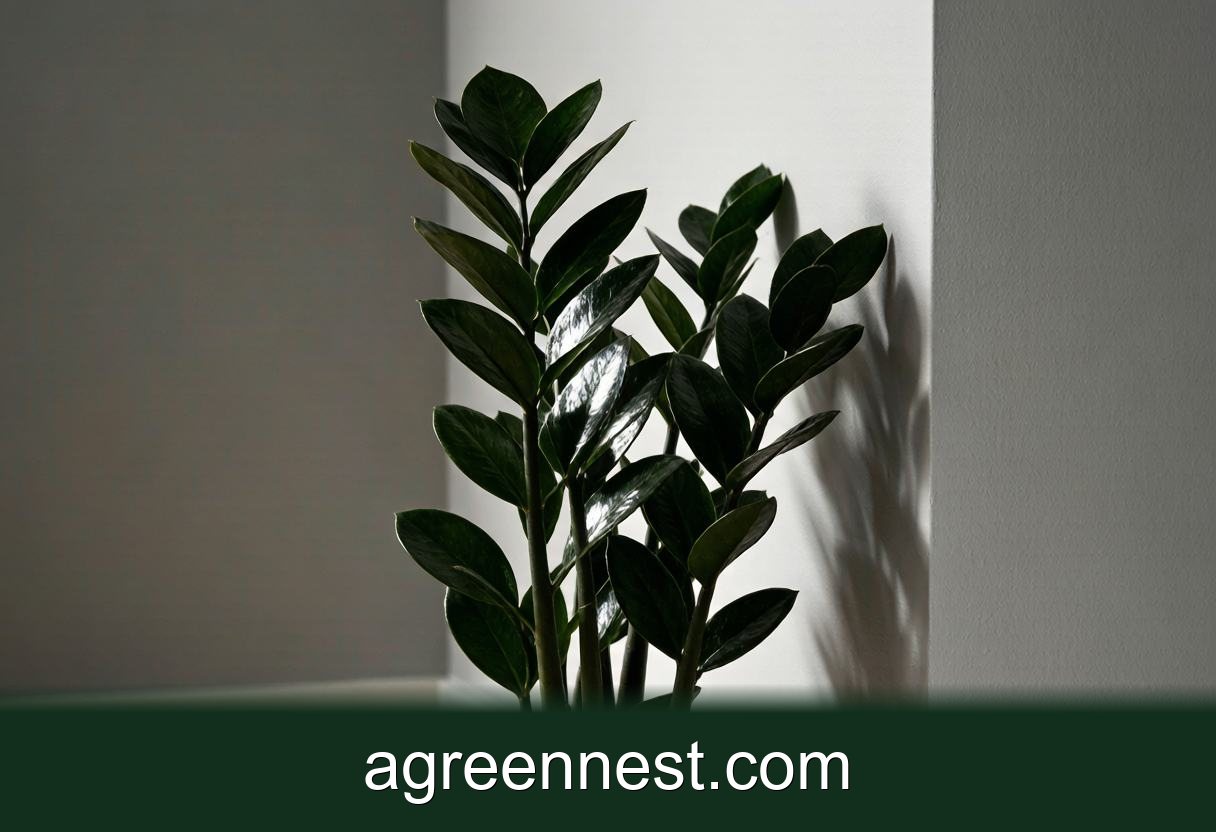
The ZZ plant (Zamioculcas zamiifolia) is the quiet champion of forgetful plant owners. With its glossy, arching stems and almost robotic tolerance for neglect, it turns the darkest corner of your home into a green statement.
In this guide we explain why the ZZ shrugs off low light, how to nail its unusual watering rhythm, how to care for its hidden rhizomes, and the toxicity warning every household should know.
Why the ZZ Plant Tolerates Dark Corners
The ZZ plant grows from thick underground rhizomes that store water and energy like natural batteries. That storage system lets it coast through weeks of low light and missed water without flinching.
It comfortably handles 25–150 foot-candles—dimmer than most plants tolerate. A spot across the room from a north window, a windowless hallway with a little ambient light, or a fluorescent-lit office all suit it.
Growth at low light
In very dim conditions the ZZ grows slowly, sometimes pushing just a few new stems a year. That is fine. Slow growth means fewer demands and almost no maintenance from you.
Avoid direct sun, though. Those waxy leaves scorch fast in hot windows, so bright indirect or low light is the sweet spot.
The ZZ Watering Rhythm
Because the rhizomes hoard moisture, the ZZ plant wants infrequent, deep drinks. Most owners water far too often.
In low light, water every 2–4 weeks in the growing season and every 4–6 weeks in winter. The plant will tell you when it is thirsty: the stems lose a little plumpness and the soil pulls away from the pot edge.
The dryness rule
Wait until the top 2–3 inches of soil are fully dry—and then wait one more day. When in doubt, skip the watering. A thirsty ZZ recovers in a day; an overwatered ZZ can rot from the rhizome up, which is harder to fix.
Always use a pot with a drainage hole. After watering, drain the saucer so the rhizomes never sit in water.
Caring for the Rhizomes
The rhizomes are the heart of the plant, and understanding them changes how you care for a ZZ. They look like small, rounded potatoes clustered under the soil.
What to watch for
Healthy rhizomes are firm and pale. If you repot and find soft, black, or smelly rhizomes, that is rot—cut away the damaged parts with a clean blade and let the healthy section dry for a day before replanting in fresh, dry mix.
Feed lightly. A half-strength balanced fertilizer once in spring and once in summer is plenty. Overfeeding pushes soft growth that struggles in low light.
Repotting the ZZ Plant
ZZ plants like to be slightly root-bound, so repot only when truly necessary—usually every 2–3 years.
When and how
Signs you need to repot: roots circling the surface, water running straight through without soaking, or the pot cracking from pressure. Choose a pot just one size larger; too much soil holds excess water.
Use a well-draining mix—cactus blend with extra perlite works well. Handle the rhizomes gently, as broken ones invite infection. After repotting, wait a week before the first watering so any tiny wounds heal.
Terracotta pots are a smart match for ZZ plants because the porous clay pulls extra moisture from the soil, adding a safety margin against overwatering.
Toxicity Warning: Pets and Children
This is the most important safety note for any ZZ owner. The ZZ plant is toxic if ingested.
All parts contain calcium oxalate crystals that cause immediate mouth and throat irritation, drooling, and stomach upset in cats, dogs, and children. The sap can also irritate sensitive skin, so wear gloves when dividing or repotting.
Keeping everyone safe
- Place the plant on a high shelf, plant stand, or in a room pets cannot reach.
- Teach toddlers that "plants are not food."
- If a pet chews the leaves and shows drooling or vomiting, call your vet promptly.
The toxicity does not make the plant dangerous to simply have around—just keep it out of mouths, as you would with most houseplants.
Troubleshooting
A few common ZZ issues and quick fixes:
- Yellowing lower stems: Classic overwatering. Let the soil dry fully and reduce frequency.
- Drooping, wrinkled stems: Underwatering. A deep soak usually revives them within a day.
- Brown leaf edges: Low humidity or fluoride in tap water. Use filtered water and mist occasionally.
- No new growth for months: Normal in low light and winter. Be patient; it is resting.
Frequently Asked Questions
Q: Can a ZZ plant live in a windowless room?
A:
It can survive under fluorescent or LED office lighting for a long time, thanks to its water-storing rhizomes. True darkness, though, will eventually weaken it.
Q: How often should I water my ZZ plant?
A:
Every 2–4 weeks in summer and 4–6 weeks in winter in low light. Wait until the top few inches of soil are fully dry.
Q: Is the ZZ plant poisonous to cats and dogs?
A:
Yes. It contains calcium oxalates that irritate the mouth and stomach. Keep it well out of reach of pets and children.
Q: Why are my ZZ plant leaves turning yellow?
A:
Almost always overwatering. Let the soil dry thoroughly and ensure the pot drains, then cut back on frequency.
Q: Should I mist my ZZ plant?
A:
Not necessary. ZZ plants tolerate dry air well. Misting helps only if leaf edges brown from very low humidity.
Q: When should I repot a ZZ plant?
A:
Only every 2–3 years, or when roots crowd the pot. Use a slightly larger pot and a fast-draining mix.
The ZZ plant earns its reputation as the most forgiving of all low-light indoor plants, but respect its toxicity if you share your home with pets. To round out a low-maintenance collection, see our snake plant guide or use our free light calculator to map out the shadiest spots worth planting.


Comments
Share your experience or ask a question. Comments are stored locally in your browser for this demo.