 AGreenNest
Plant Care Accessories
LED vs Fluorescent Grow Lights: 2026 Comparison
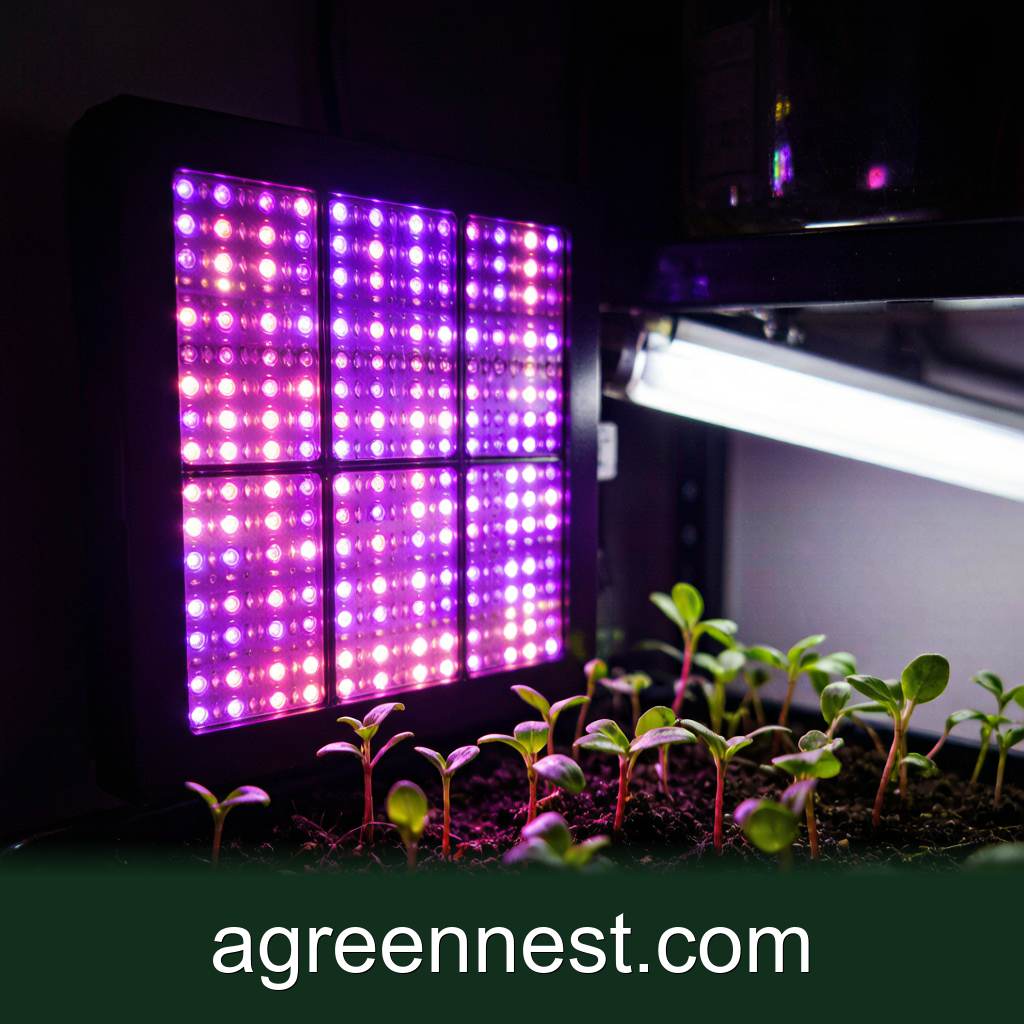
Two winters ago I ran a four-foot T5 shop light over my seedling tray, and my electricity bill told the rest of the story faster than the plants did. Since then I have owned both technologies, and the gap in 2026 is wider than most garden-center tags admit. Here is how they actually compare.
Efficiency, measured in usable light per watt
The number that matters is photosynthetic efficiency, expressed as micromoles per joule (µmol/J). A modern LED bar reaches 2.5 to 3.0 µmol/J. A good T5 high-output tube lands near 1.0 to 1.5 µmol/J. Put plainly, for the same electricity an LED delivers roughly twice the light your leaves can use. That difference is why a 30W LED can outgrow a 54W fluorescent over a 60cm shelf.
If you are still deciding on a fixture, our 2026 grow light roundup lists the exact models that hit those efficiency figures.
Heat output and how close you can place them
Fluorescent tubes shed real warmth. A 54W T5 runs hot enough that you must keep it 15 to 20cm above the canopy or you will scorch tender seedlings. LEDs stay cooler at the board, and 8 to 12cm above the plants is usually safe, though the driver behind the panel can still warm a small room. Less heat also means less watering, since hot air dries the soil faster.
Spectrum control is where LEDs pull ahead
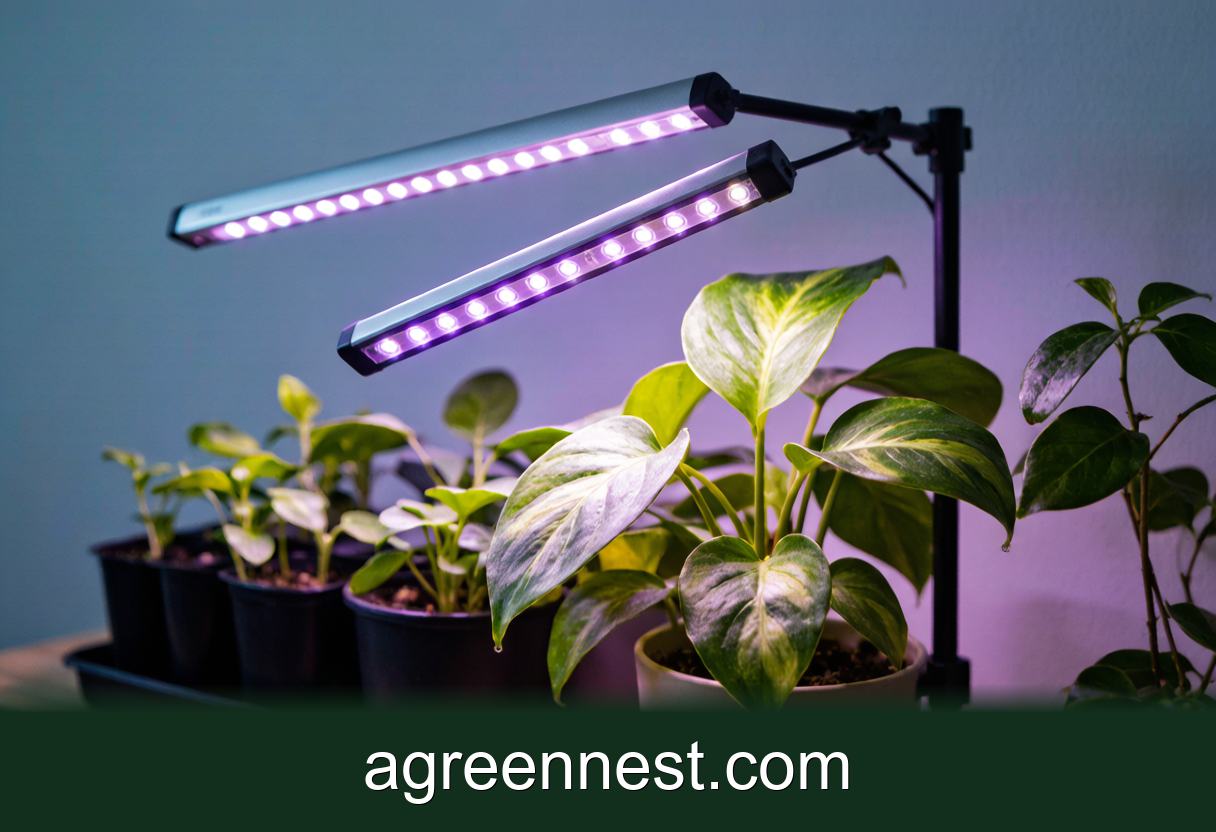
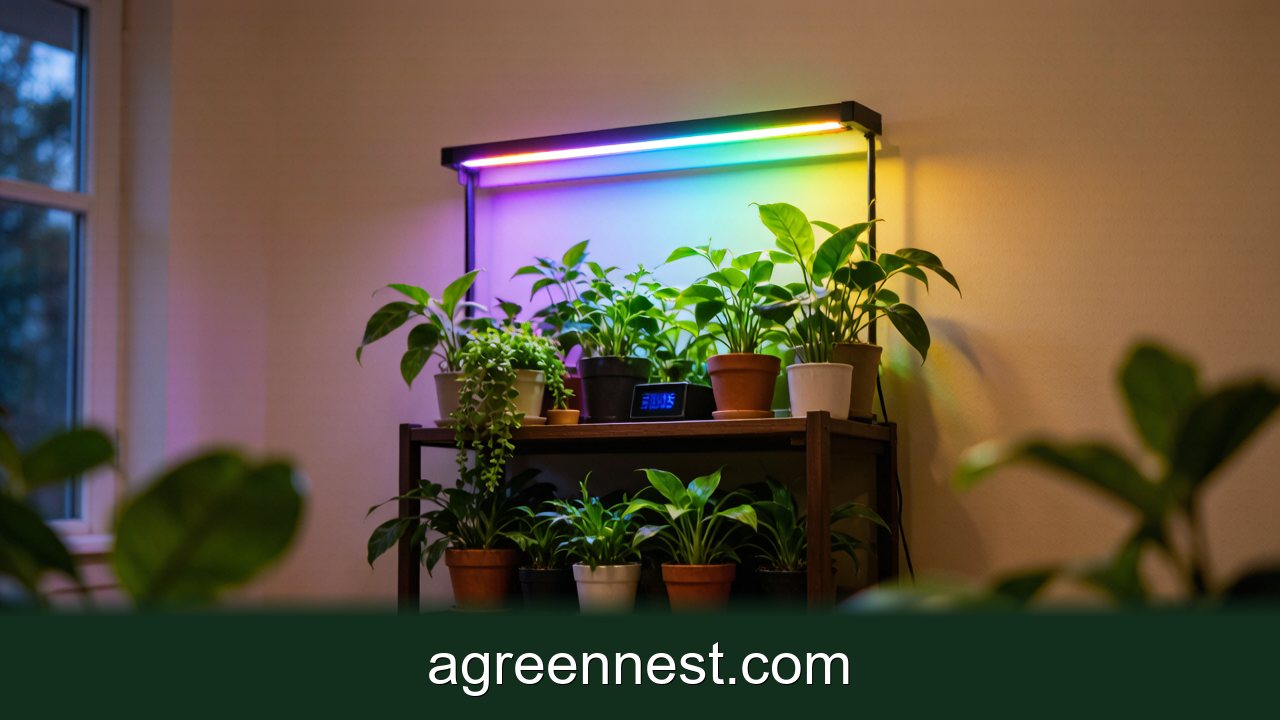
With an LED you can buy a board tuned to 3000K for flowering or 6500K for leafy growth, and many full-spectrum bars let you dim from 20 to 100 percent with a dial or app. A T5 gives you one fixed color temperature, typically around 6400K, and dimming it means buying a separate dimmable ballast. For most hobby growers the fixed T5 spectrum is fine, but once you grow light-hungry crops the tunability matters.
Our beginner grow light guide explains what those Kelvin numbers mean in plain terms before you spend.
Lifespan and the replacement math
A quality LED is rated near 25,000 hours, which is about 5 to 6 years of evening use. A T5 tube fades to roughly 70 percent output around 10,000 hours and then needs swapping, at about $8 to $12 per tube. Over three years those tube replacements quietly eat the lower upfront price. The choosing and using grow lights guide goes deeper on matching lifespan to how often you actually garden.
Upfront cost versus running cost
A 2-foot LED bar starts near $25, and a full 4-foot fixture runs $60 to $120. A T5 fixture is cheaper to buy, often $30 to $50, but you pay on the meter. At $0.15 per kWh, running a 54W T5 for 14 hours a day costs about $41 a year, while a 30W LED doing the same job costs about $23. The LED pays back its higher sticker price in roughly two winters for a single shelf.
Which plants each light suits best
LEDs suit high-light eaters like tomatoes, peppers, and sun-loving succulents that want strong, direct-style light. See succulent light and temperature needs for the daily hours those plants expect. Fluorescents still do well for low-light foliage, lettuce, and starting seeds where raw intensity is less important. Our low light versus direct sun guide helps you sort which camp your plant falls into before you buy a bulb.
The verdict
For most homes in 2026 an LED wins on running cost, spectrum control, and lifespan. Fluorescent still makes sense for a cheap seed-starting shelf or a dim corner where you only need gentle light and do not want to program anything. If you already own a T5 that works, keep it. If you are buying fresh, the LED math is hard to argue against.
Frequently Asked Questions
Q: Can I drop an LED tube straight into my old T5 fixture?
A:
Only if the fixture is listed as tube-compatible or you bypass the ballast. Many LED retrofit tubes require rewiring, so check the label before you buy.
Q: How far above the plants should each light sit?
A:
Keep LEDs 8 to 12cm above seedlings and T5 tubes 15 to 20cm away, then watch the leaf tips for bleaching as your cue to raise them.
Q: Do LEDs really save money over a year?
A:
At 14 hours a day on a $0.15 per kWh rate, a 30W LED saves about $18 a year versus a 54W T5, and more if you run longer.
Q: Which is better for flowering houseplants?
A:
LED, because you can tune toward 3000K and push higher intensity, which most blooming plants want during their flower stage.
Q: Do fluorescent lights actually burn plants?
A:
They can through heat rather than light. Sitting a T5 too close cooks the top growth, which is why the 15 to 20cm gap matters.
Q: Is the color temperature difference noticeable to the plant?
A:
Yes, to a point. Leafy greens and seedlings respond well to the cooler 6400K end, while flowering and fruiting stages prefer warmer spectrums that LEDs deliver more flexibly.
Neither light is wrong, but the efficiency and control of LEDs make them the stronger pick for most 2026 setups, while fluorescents stay useful as a low-cost starting point. Match the fixture to your plant's light appetite, not to the cheapest box on the shelf. For model-specific help, our 2026 grow light roundup is the next page I would open.
Recommended Tools for Plant Care Accessories Care
Free, no-signup helpers matched to this guide.
Free Ebooks to Explore
Downloadable handbooks — no email required.
Free Ebook
The AGreenNest Succulent Care Handbook
The complete, beginner-to-confident guide to growing fat, happy succulents — 10 chapters and a 20-plant directory.
Free Ebook
Haworthia & Haworthiopsis Care Handbook
A focused guide to the striped, forgiving Haworthia clan.
Join the Conversation
Have a tip or a question about LED vs Fluorescent Grow Lights: 2026 Comparison? Share it below — comments are saved on our server.