 AGreenNest
Hydroponic Growing
Hydroponics vs Soil: Real Yield, Water, and Cost Numbers
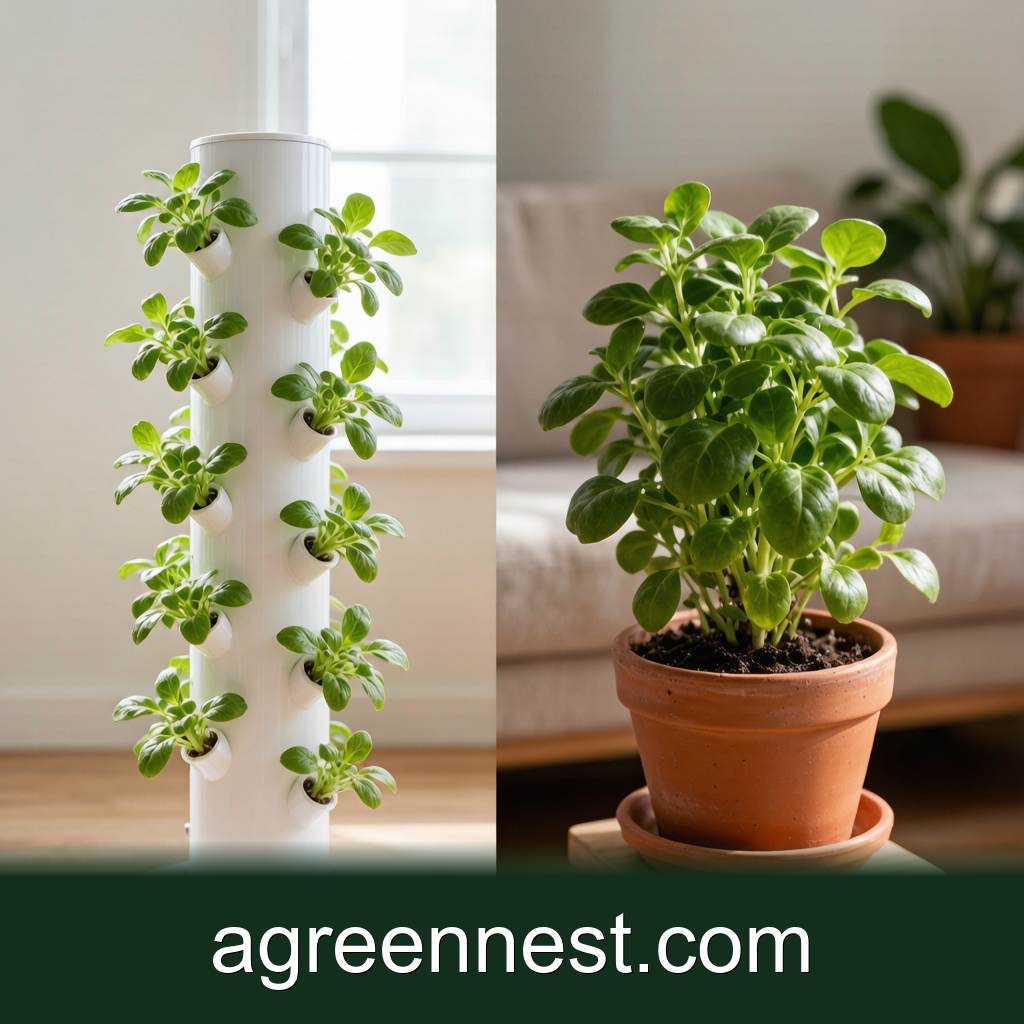
The argument over hydroponics and soil usually stays vague until someone puts numbers on the table. I have run both on the same balcony, and the difference is not a matter of opinion. It is a matter of liters, days, and dollars. Here is what the two methods actually deliver when you grow food at home.
Growth Rate: Hydroponics Pulls Ahead
A lettuce seedling in a home DWC bucket reaches harvest size in about 30 days. The same Lactuca sativa grown in garden soil usually needs 45-60 days, and that assumes good weather. The gap comes from roots sitting directly in oxygenated, perfectly balanced food. The plant spends no energy hunting for nutrients, so it puts that effort into leaves.
Across many crops the speed advantage lands around 2-3 times faster, though it depends on the species. Fast leafies like lettuce, Ocimum basilicum (basil), and arugula show the biggest gain. Slow, woody crops barely notice. Our beginner overview covers which plants reward the switch and which do not.
Water Use: The 90 Percent Gap
Soil loses water to evaporation, drainage, and weeds. A single head of soil-grown lettuce can drink 15-20 L across its life. In a recirculating hydroponic system the same head uses 1-2 L, because almost nothing leaves the loop except what the plant transpires. That is roughly 90 percent less water, and it is the main reason hydroponics thrives in dry regions.
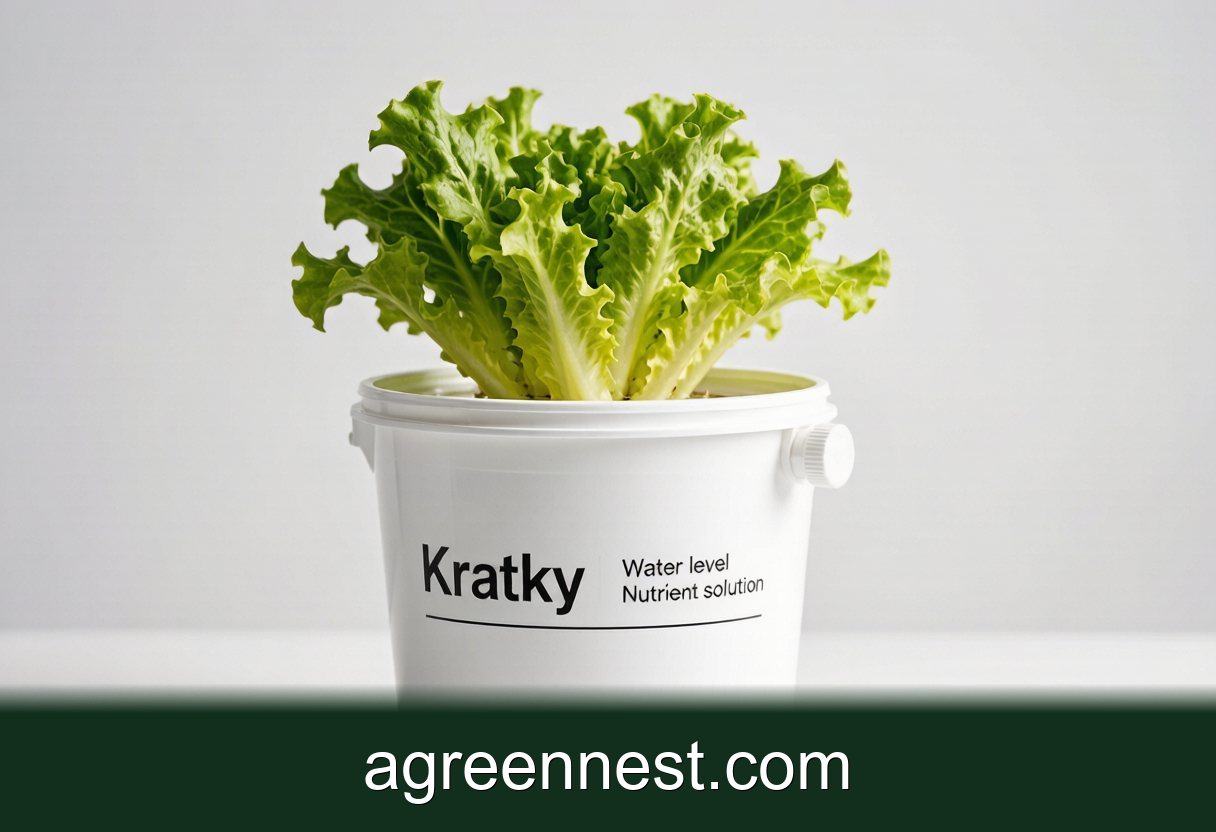
The catch is that hydroponics demands clean water to start, and you still top off the reservoir as the plant drinks. A passive Kratky jar needs no pump and uses the same tiny volume, which is a good entry point if your goal is water savings over speed.
Yield Per Square Meter
Stacked or tightly spaced hydroponic rows produce more per square meter because every plant gets full light and feed. Indoor lettuce systems commonly return 20-40 heads per square meter in a month, where a soil bed might give 8-12 in the same period. The number swings with light, and a decent LED setup is what closes the gap in a basement or spare room.
Fruit crops tell a different story. Tomatoes and peppers yield more in hydroponics only if you supply strong light and support, and the per-plant gain is smaller than with leafies. The best plants list breaks down which crops actually pay off indoors.
Startup Cost and What You Actually Buy
A basic home DWC rig runs cheap: a 10-20 L bucket, an air pump, an air stone, a net pot, clay pebbles, nutrients, and a pH kit. Most people spend 30-70 dollars for a single bucket and 150-300 for a small multi-site system with a light. Soil, by contrast, is nearly free if you already have a patch, though containers, potting mix, and fertilizer add up to 20-50 dollars a season.
The real cost of hydroponics is the ongoing one: electricity for the pump and light, replacement nutrients, and the time to monitor. Soil costs more in water and labor but fails more gently. Watch the common mistakes guide to avoid the expensive errors like burned roots from overfeeding.
Failure Modes: What Kills Each Method
Hydroponics fails fast and loudly. A pump dies and roots suffocate within hours. pH crashes and an entire tray yellows in a day. There is little buffer because the plant lives entirely on what you supply. Soil fails slowly. A missed watering wilts things, but the ground holds reserves, and most plants recover overnight.
Pests and disease behave differently too. Soil breeds fungus gnats and invites root rot in wet spells. Hydroponics stays cleaner at the root but spreads a nutrient imbalance to every plant on the loop at once. Knowing both failure shapes helps you pick the method you can actually maintain.
Who Should Pick Which
Choose hydroponics if you want fast harvests, save water, and grow in an apartment with no yard. It suits leafy greens, herbs, and anyone who enjoys tinkering with numbers. Choose soil if you have space, want low running cost, and prefer a system that forgives a missed day. Many growers run both: soil for tomatoes and roots, hydroponics for the indoor lettuce they want in winter.
Frequently Asked Questions
Q: Does hydroponics really use 90 percent less water than soil?
A:
In recirculating systems, yes, because almost no water is lost to drainage or evaporation. A soil head of lettuce can use 15-20 L while a hydroponic one uses 1-2 L over its life.
Q: Is hydroponic food more nutritious than soil food?
A:
The nutrient content tracks the feed solution more than the medium. A well-balanced hydroponic diet grows produce equal in vitamins to soil, though soil can carry more beneficial microbes.
Q: Why is hydroponics more expensive to start?
A:
You buy the reservoir, pump, air stone, light, and nutrients up front, often 150-300 dollars for a small system, whereas soil needs little beyond a patch and some compost.
Q: Can a beginner succeed with hydroponics on the first try?
A:
Usually, yes, with leafy greens, which tolerate small errors. Start with a Kratky jar or one DWC bucket and learn the pH routine before scaling up.
Q: Which crops are not worth growing hydroponically?
A:
Large, slow, or deep-rooted plants like carrots, potatoes, and sprawling squash cost more in support and light than they return. Leafy greens and herbs give the clearest win.
Q: What fails faster, hydroponics or soil?
A:
Hydroponics fails faster because there is no soil buffer. A pump or pH fault hits every plant at once. Soil fails slowly and often recovers, which is why it suits forgetful gardeners.
The honest verdict is that hydroponics wins on speed, water, and space, while soil wins on cost and forgiveness. Pick based on what you can keep steady, and if you want the gentlest start, read the beginners guide before you buy a single part.
Recommended Tools for Hydroponic Growing Care
Free, no-signup helpers matched to this guide.
Free Ebooks to Explore
Downloadable handbooks — no email required.
Free Ebook
The AGreenNest Succulent Care Handbook
The complete, beginner-to-confident guide to growing fat, happy succulents — 10 chapters and a 20-plant directory.
Free Ebook
Haworthia & Haworthiopsis Care Handbook
A focused guide to the striped, forgiving Haworthia clan.
Join the Conversation
Have a tip or a question about Hydroponics vs Soil: Real Yield, Water, and Cost Numbers? Share it below — comments are saved on our server.