 AGreenNest
Plant Styling & Display
Design a Pet-Friendly Plant Room
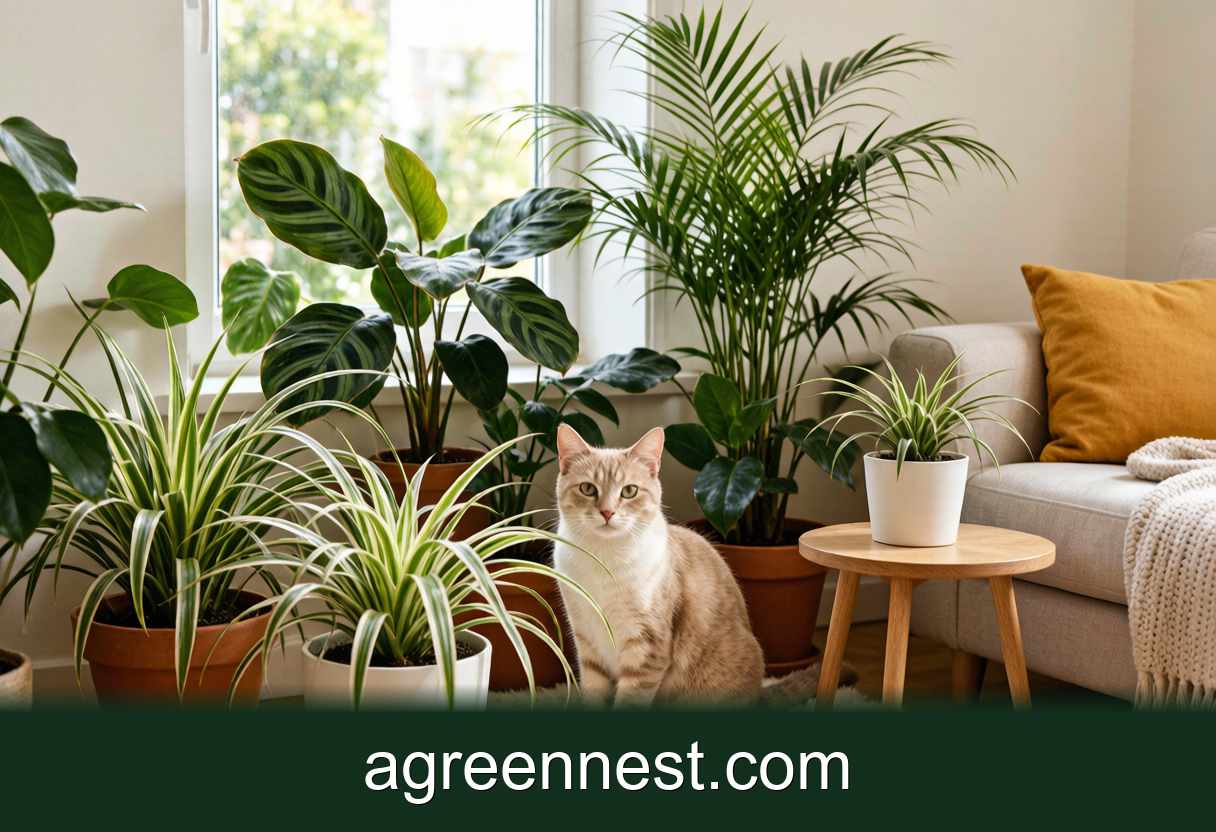
Good plant styling is not buying more plants. It is deciding where the one you have should live — and if you share the room with a cat or a dog, that decision is also a safety one. The goal is a room that looks planted and keeps a chewer alive.
Start with a safe plant list
Not every leafy plant is harmless. Lilies are dangerously toxic to cats; peace lily and pothos irritate but rarely kill. The room should be built around the verified pet-safe list — plants you can relax about.
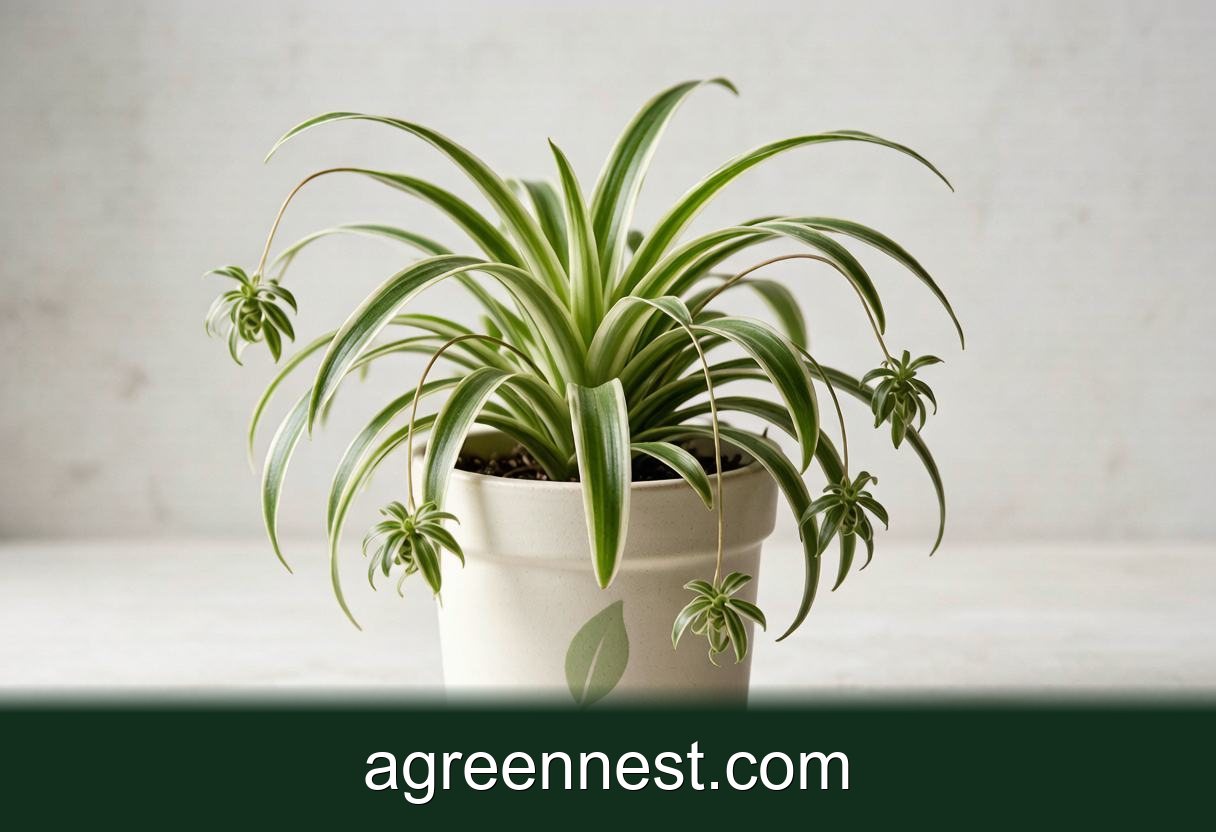
Good, genuinely safe picks: Spider Plant, Calathea, Peperomia, Cast Iron, Haworthia, and Boston Fern. These survive a nibble without a vet trip.
Vertical beats floor-level
The simplest pet-proofing is height. A cat will survey a floor plant as a salad bar; the same plant on a shelf it cannot jump to is ignored. Put the tempting trailing types (Spider Plant, Pothos-if you accept the risk) up high, and keep the floor clear or planted only with the bulletproof safe ones.
Hanging planters and tall plant stands do the work. A Dracaena in a weighted stand is too tall and bland-tasting for most pets to bother.
Group safely, not just prettily
Use the grouping rules — odd numbers, one trailer, varied pots — but add one rule: no low bowls of soil or water where a dog drinks. A propagation station's jars should live on a high shelf, not a coffee table, or you will find a wet dog and a spilled cutting.
The one trap
Assuming "pet-friendly" means "they will not touch it." Some cats eat any green thing when bored. If yours is a chewer, the safe list is necessary but not sufficient — height and a few bitter-sprayed leaves on the risky ones close the gap. And keep the truly toxic plants out of the house entirely; do not gamble.
A pet-friendly plant room is mostly the safe plant list plus height. Build the room around Spider Plant, Calathea, and Peperomia up on shelves, keep the floor to the bulletproof types, and skip the toxic ones entirely. Style follows from there — and you stop watching the cat.
Recommended Tools for Plant Styling & Display Care
Free, no-signup helpers matched to this guide.
Free Ebooks to Explore
Downloadable handbooks — no email required.
Free Ebook
The AGreenNest Succulent Care Handbook
The complete, beginner-to-confident guide to growing fat, happy succulents — 10 chapters and a 20-plant directory.
Free Ebook
Haworthia & Haworthiopsis Care Handbook
A focused guide to the striped, forgiving Haworthia clan.
Join the Conversation
Have a tip or a question about Design a Pet-Friendly Plant Room? Share it below — comments are saved on our server.