 AGreenNest
Plant Pests & Diseases
5 Plant Pest Control Myths Busted

Myth 1: Soapy Water Kills Every Bug
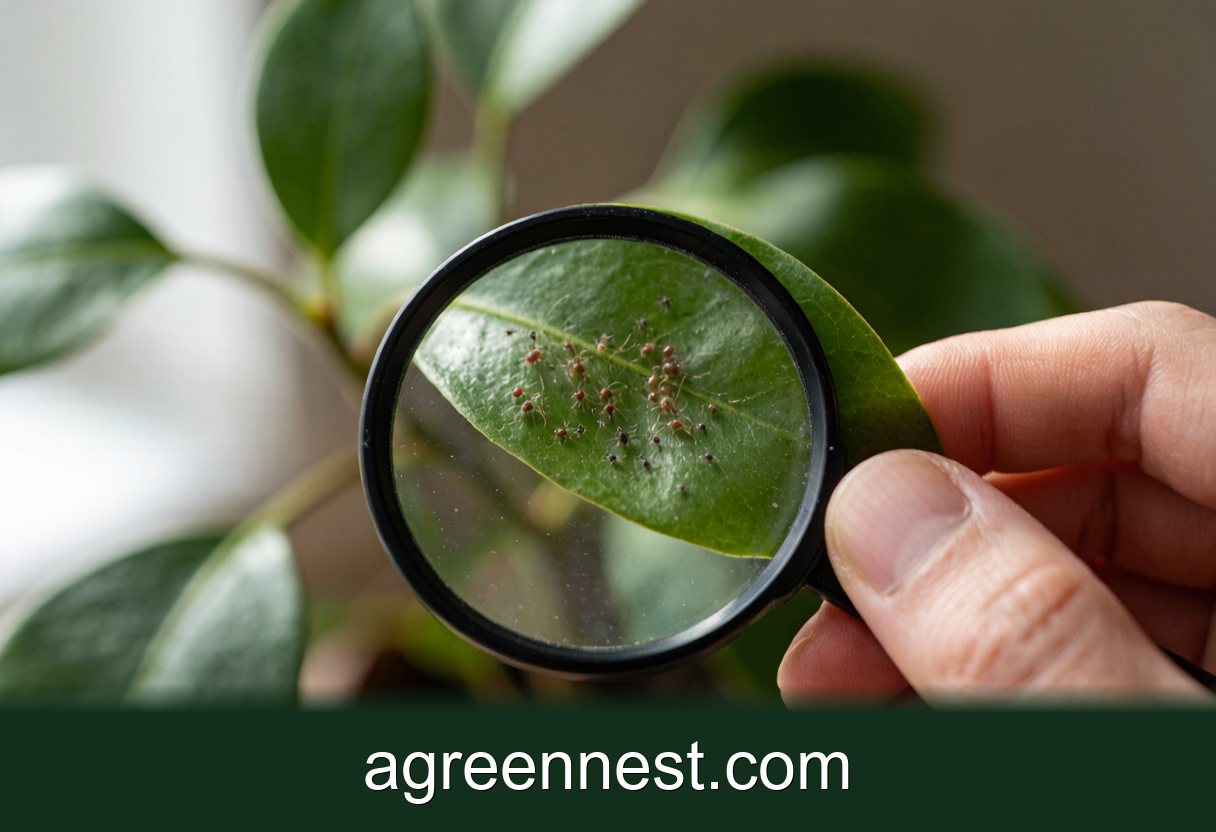
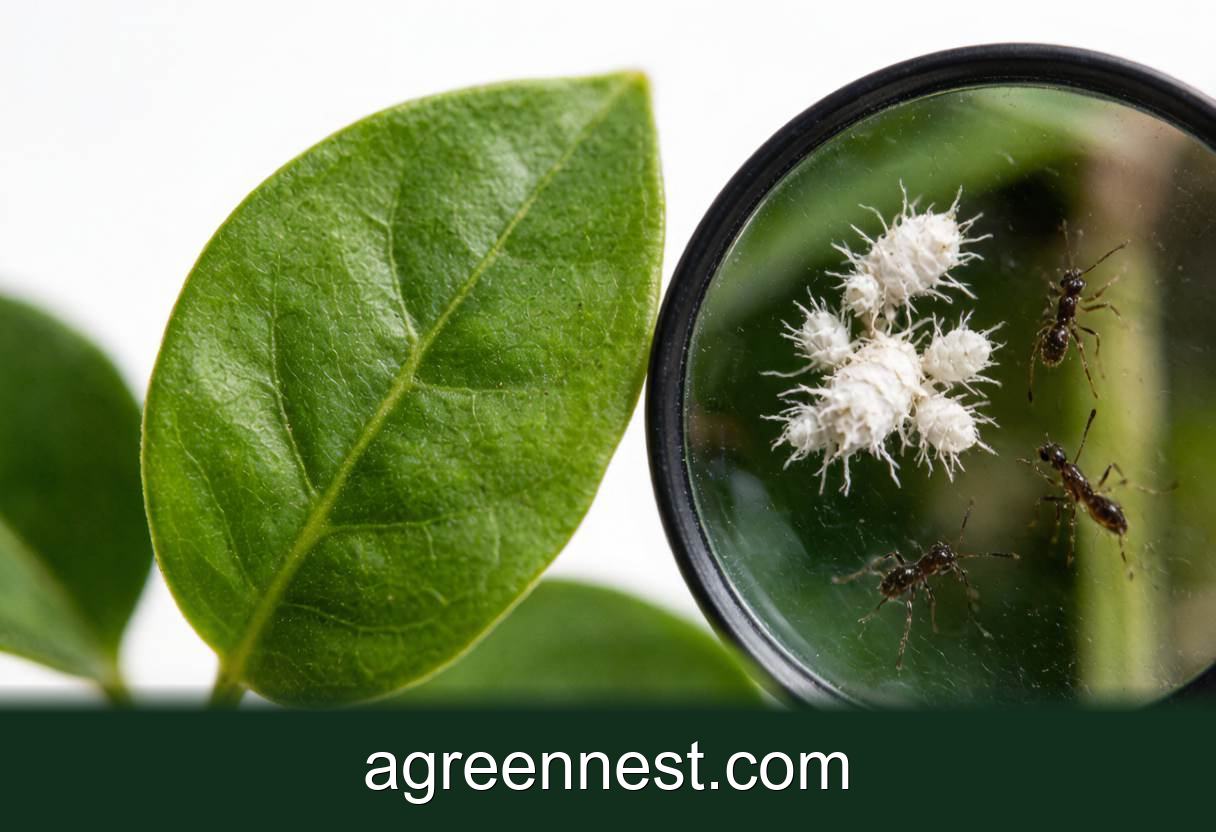
A reader emailed me last month convinced her dish soap had cleared a scale outbreak. It had not. Soapy water, properly an insecticidal soap at 1 to 2 percent, only damages soft-bodied insects by breaking down their waxy cuticle: aphids, mealybugs, and spider mites (Tetranychus urticae) top the list. It does nothing to beetles, thrips pupae, or the armored shells of mature scale.
The other trap is concentration. At above 3 percent, soap burns leaf tissue, and I have watched a fiddle-leaf fig drop brown edges after a too-strong mix. The insecticidal soap DIY guide gives safe ratios. Use 1 teaspoon of plain soap per 500 ml of water, test on one leaf, and wait 24 hours before treating the whole plant.
Myth 2: More Neem Oil Means Better Control
Neem oil is a useful tool, but doubling the dose does not double the result. At the labeled 0.5 to 1 percent, the active compound azadirachtin disrupts insect growth. Past about 2 percent, the oil film clogs leaf stomata, and a plant in poor light can suffocate its own gas exchange. I keep a neem oil application guide open when mixing.
Timing beats strength. Spray in the evening, since neem breaks down under UV within a few hours, and repeat every 5 to 7 days to hit newly hatched nymphs. A heavy single drench wastes product and risks leaf burn.
Myth 3: One Spray Clears the Infestation
This is the myth that costs people the most plants. Most sprays kill adults on contact but leave eggs untouched. Aphid eggs hatch in 4 to 7 days, and mealybug crawlers emerge on a similar schedule. Skip the follow-up and the population rebounds within two weeks.
The fix is a calendar, not a heavier bottle. Mark day 0, then day 5 to 7, then day 12 to 14, and treat each time. After three cycles the egg-laying adults are gone and the hatchlings meet spray before they reproduce. Patience here matters more than any single product.
Myth 4: Yellow Sticky Traps Cure Infestations
Sticky cards catch adult whitefly, fungus gnats (Bradysia spp.), and winged aphids, and they are genuinely useful as an early warning. But they do nothing to eggs, soil larvae, or the settled adults hiding on leaf undersides. A trap full of gnats means you have larvae in the mix right now.
For the gnat half of the problem, the guide to dealing with fungus gnats explains letting the top 3 cm of soil dry between waterings, which starves the larvae. Traps are a monitor, not a cure, and I hang them to confirm a drop in numbers, not to end the fight.
Myth 5: New Store Plants Don't Need Quarantine
The single biggest source of home infestations is a new plant carried in from a shop or market. In my own collection, three of four pest problems traced back to a purchase that looked clean at the checkout but carried scale or thrips in a leaf crevice. The quarantine new plants routine of two weeks apart, with a weekly inspection, stops most arrivals.
Forty-eight hours is not enough. Some pests like the greenhouse whitefly (Trialeurodes vaporariorum) stay hidden for ten days before numbers build. Keep new pots at least 1 m from your collection and watch the stem joints closely.
Reading the Myths Together
These five myths share one root error: they treat pest control as a single product or a single action. Real control is a short schedule of correctly mixed sprays, repeated past the egg stage, paired with isolation of new plants. The houseplant pests complete guide ties the methods together, and when you are not sure what you are looking at, our pest identifier tool names the insect from the signs.
Frequently Asked Questions
Q: Can I use any dish soap for insecticidal soap?
A:
No. Use a plain, fragrance-free liquid castile or dish soap with no bleach or additives. Detergents with degreasers burn leaves at the concentrations needed for control.
Q: How often should I really reapply neem oil?
A:
Every 5 to 7 days for three weeks covers the egg hatch cycle. Spraying once and waiting a month leaves the next generation untouched.
Q: Are sticky traps enough to get rid of fungus gnats?
A:
They only catch flying adults. You must also dry the top soil layer and treat larvae, or the trap count stays high all season.
Q: How long should I quarantine a new plant?
A:
Two full weeks apart from others, with a check at day 3, 7, and 14. Some pests stay hidden for ten days before showing.
Q: Why did my plant get burned after a soap spray?
A:
The mix was likely above 2 to 3 percent, or you sprayed in direct sun. Lower the concentration, test one leaf first, and spray in the evening.
Q: Do these myths apply to outdoor garden pests too?
A:
Mostly yes, though outdoor predators and weather change the math. The egg-hatch timing and dilution rules still hold for most soft-bodied insects.
Pest control fails less from weak products and more from weak follow-through: right dose, repeated past the eggs, and new plants kept apart. Build that habit and most infestations stay small. Start by naming what you have with our pest identifier tool.
Recommended Tools for Plant Pests & Diseases Care
Free, no-signup helpers matched to this guide.
🔍 Free Tool
Pest & Problem Identifier
Pick the symptoms you see and get the likely culprit plus a fix.
Free Ebooks to Explore
Downloadable handbooks — no email required.
Free Ebook
The AGreenNest Succulent Care Handbook
The complete, beginner-to-confident guide to growing fat, happy succulents — 10 chapters and a 20-plant directory.
Free Ebook
Haworthia & Haworthiopsis Care Handbook
A focused guide to the striped, forgiving Haworthia clan.
Join the Conversation
Have a tip or a question about 5 Plant Pest Control Myths Busted? Share it below — comments are saved on our server.