 AGreenNest
Plant Care Accessories
Insecticidal Soap: Buy or DIY, and How to Spray
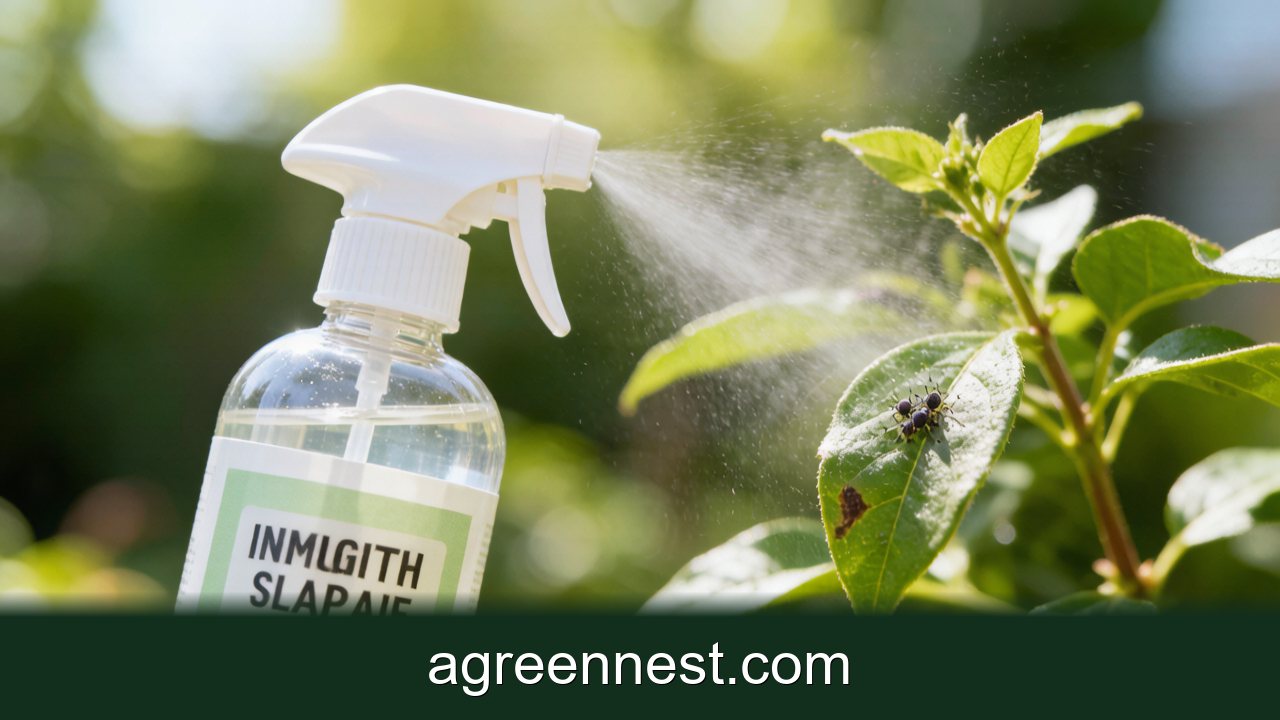
Insecticidal soap is the gentlest "kill on contact" option for houseplants — no petroleum, no harsh residues, safe around most homes. It works by breaking down the waxy coat of soft-bodied insects so they dehydrate.
Here is whether to buy it or mix your own, and how to spray so it works without harming the plant.
What It Actually Is
True insecticidal soap is potassium salts of fatty acids — not your dish soap. It kills on contact by disrupting the pest's outer membrane. There is no residual effect: spray it, it works in minutes, then it's gone. That is why it is safe but needs repeat applications.
Buy vs DIY
Buying (easiest, safest)
A labeled insecticidal soap is pre-mixed to a safe concentration and won't damage leaves. Best default if you are unsure.
DIY (cheap, but careful)
You can make it, but the margin for error is thin:
- Use pure liquid castile soap (like unscented Dr. Bronner's), never detergents, degreasers, or antibacterial soaps — those burn plants.
- Ratio: 1–2 teaspoons per 1 liter (1 quart) of water.
- Test on one leaf and wait 24 hours; some plants resent even castile.
When in doubt, buy the labeled product. Our pet-safe pest control guide also lists gentler routes.
Which Pests It Handles
Insecticidal soap is great against:
- Aphids — soft and exposed, die fast. See dealing with aphids.
- Mealybugs and scale (young crawlers; adults need rubbing too).
- Spider mites and whitefly.
It does not reach eggs well, so repeat. For mealybugs specifically, combine with how to get rid of mealybugs.
The Spray Routine
- Mix fresh each time — soap solution doesn't keep.
- Spray all surfaces, especially leaf undersides where pests hide.
- Coat until it begins to drip, but don't flood the crown.
- Repeat every 4–7 days for 3–4 rounds to catch hatchlings.
- Rinse after a few hours if your plant is sensitive, to avoid leaf spotting.
Safety and Plant Tolerance
Soap is mild but not harmless to foliage:
- Test first on one leaf; ferns, some ferns, and delicate seedlings can spot.
- Avoid direct sun right after spraying — wet leaves scorch.
- Don't spray open flowers — it can mark petals and harm pollinators; evening is safest.
- Rinse edibles well, or skip on herbs you'll eat.
- Keep pets away from wet foliage until dry; it's low-risk but not a drink.
Common Mistakes
Using dish detergent
Dawn, Palmolive, and friends are detergents with additives that burn leaves. Only true castile or a labeled product.
One spray and done
Eggs survive; hatchlings appear days later. The repeat cycle is the treatment.
Soaking the crown
Pooling soap in the rosette or stem base can rot succulents. Mist the leaf surfaces; let it drip, don't pour.
Forgetting the undersides
Most pests live underneath. A tops-only spray misses the colony.
A Simple Plan
- Confirm the pest (aphids, mealybugs, mites).
- Mix or buy insecticidal soap at label strength.
- Spray all surfaces at dusk; repeat days 4, 8, 12.
- Rinse sensitive plants after a few hours.
- If aphids keep returning, pair with manual removal and better airflow.
Frequently Asked Questions
Q: Can I use regular dish soap?
A:
No — detergents burn leaves. Use pure liquid castile soap at 1–2 tsp per liter, or buy a labeled insecticidal soap.
Q: Is it safe for pets?
A:
Low-risk once dry, but don't let pets drink the mix or groom wet leaves. Keep them away until the foliage dries.
Q: Why didn't one application work?
A:
Soap has no residual effect and misses eggs. Repeat every 4–7 days for 3–4 rounds.
Q: Can I spray it on flowers?
A:
Avoid open blooms — it can mark petals and harm pollinators. Spray in the evening and cover flowers if possible.
Q: Does it work on scale and mealybugs?
A:
On the young crawlers, yes. Adults have a waxy shell; rub them off first, then spray.
Insecticidal soap is the safest contact treatment for most home pest problems — cheap to buy, gentle on the home, and lethal to aphids and mealybugs on contact. Combine it with our aphid guide for fast knockdowns, lean on pet-safe pest control for the gentlest plan, and see all of our accessories guides to finish building your kit.
Recommended Tools for Plant Care Accessories Care
Free, no-signup helpers matched to this guide.
Free Ebooks to Explore
Downloadable handbooks — no email required.
Free Ebook
The AGreenNest Succulent Care Handbook
The complete, beginner-to-confident guide to growing fat, happy succulents — 10 chapters and a 20-plant directory.
Free Ebook
Haworthia & Haworthiopsis Care Handbook
A focused guide to the striped, forgiving Haworthia clan.
Join the Conversation
Have a tip or a question about Insecticidal Soap: Buy or DIY, and How to Spray? Share it below — comments are saved on our server.