 AGreenNest
Plant Care Accessories
Neem Oil: How to Mix and Apply It Safely
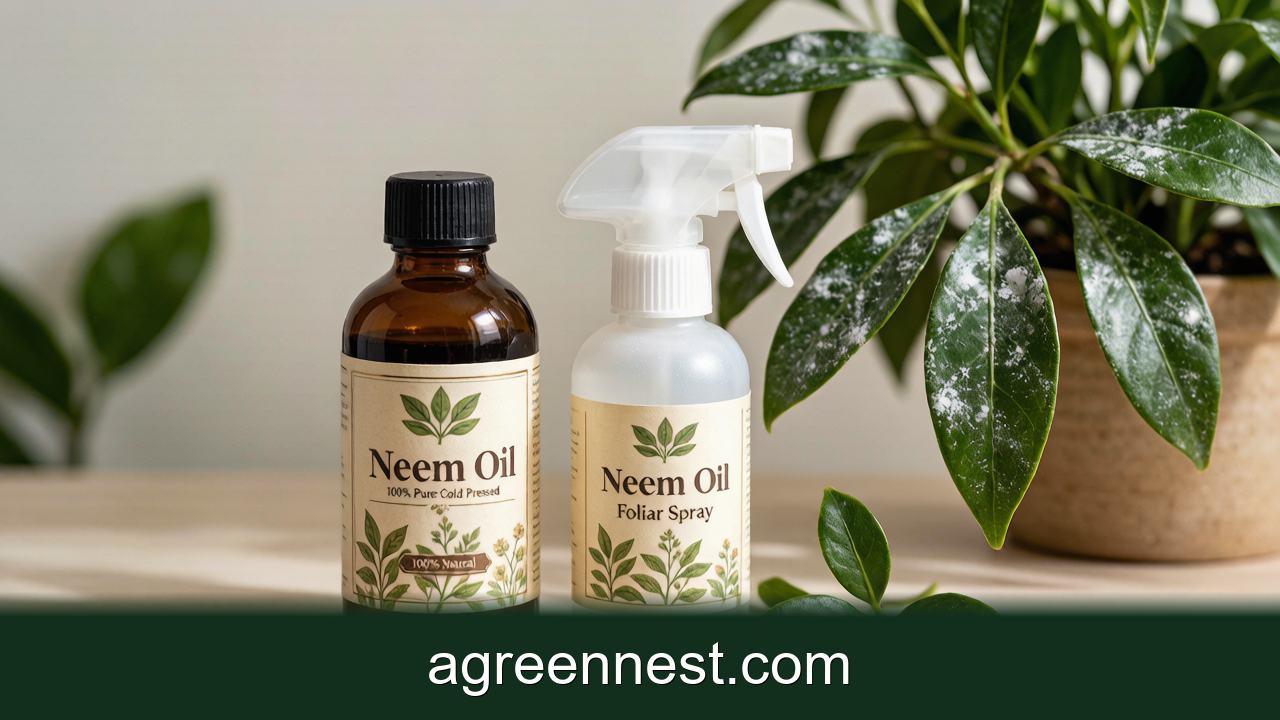
Neem oil is the closest thing to a Swiss-army knife for plant pests — it smothers aphids, mealybugs, scale, and mites, and it is botanical rather than synthetic. But a badly mixed batch does nothing, or burns leaves.
Here is how to mix and apply neem oil so it actually works.
What Neem Oil Does (and Doesn't)
Cold-pressed neem oil carries azadirachtin, which disrupts pest feeding and growth. It is a smothering and disruptor treatment, not an instant kill. You spray the pests and their eggs; effect builds over a few applications.
It does not fix the underlying conditions that invited pests — that part is still on you.
The Correct Mix
The usual home ratio:
- 1 teaspoon (5 ml) pure neem oil per 1 liter (about 1 quart) of water
- a few drops of mild liquid soap as an emulsifier so the oil disperses instead of floating in a blob
Neem oil and water separate — the soap holds them together. Without it, you spray mostly water.
Mixing steps
- Add the soap to warm (not hot) water and stir.
- Add the neem oil slowly while stirring.
- Pour into a spray bottle and shake before every use — it re-separates in minutes.
- Use within a day or two; mixed neem loses potency.
Our broader neem oil pest-fix guide covers ratios for bigger batches.
When and How to Spray
- Evening or cloudy day. Never spray in direct sun — wet leaves plus sun scorch. Dawn or dusk is ideal.
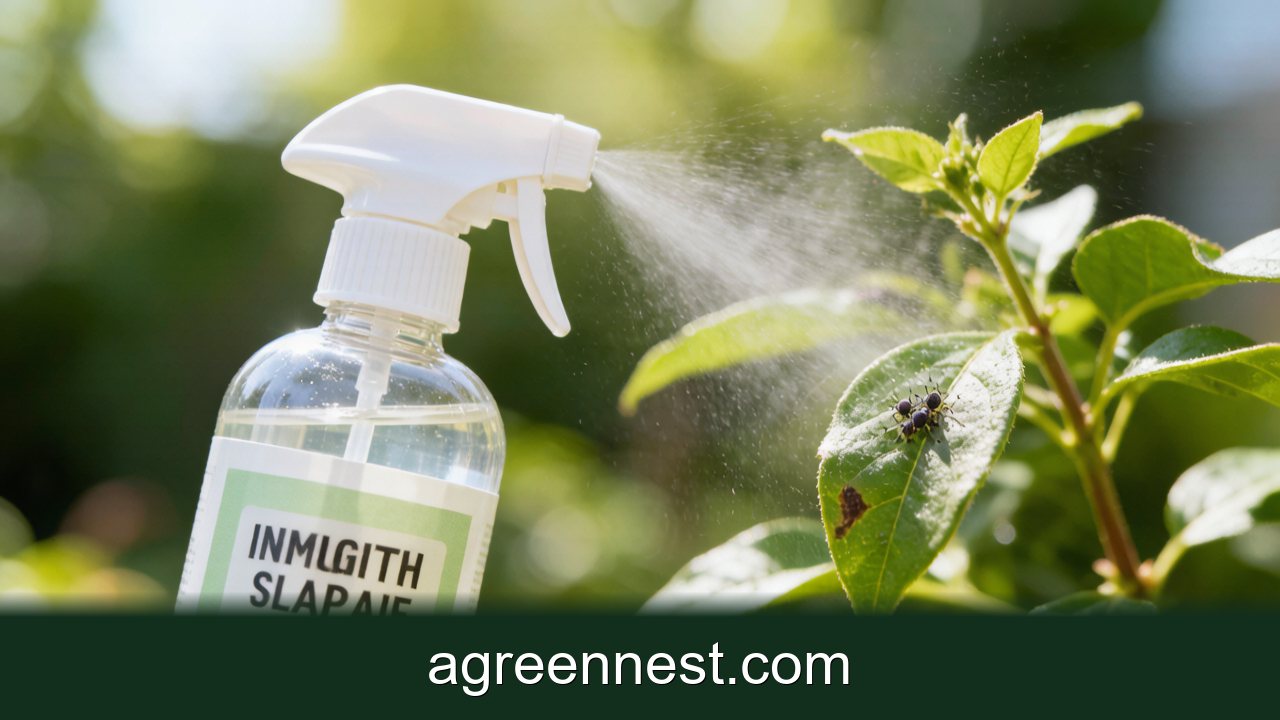
- Coat all surfaces — tops and undersides of leaves, stems, and the soil line where crawlers hide.
- Repeat every 7–10 days for 3–4 rounds. One spray barely touches the eggs; the cycle catches the hatchlings.
- Isolate the plant while treating so you don't march pests to neighbors.
For mealybugs specifically, how to get rid of mealybugs pairs with this — dab the cottony clusters, then spray.
Pet, Bee, and Plant Safety
Neem is low-toxicity but not "spray carelessly."
Pets
Pure, diluted neem is generally considered low risk, but don't let cats or dogs drink the mix or groom it off leaves. Treat, let it dry, and keep the bottle capped away from pets. If a pet already has sensitive skin, our pet-safe pest control guide lists even gentler options.
Bees
Neem can affect pollinators if sprayed on open flowers. Spray in the evening when bees are inactive, and avoid blooming plants or cover blooms.
Plants
- Test a leaf first on fuzzy or thin-leaved plants; a few species resent oil.
- Never on heat- or sun-stressed foliage.
- Skip edible parts you will eat; rinse herbs well or avoid.
Common Application Mistakes
Forgetting the soap
Without emulsifier the oil floats; you spray water and the pests laugh.
Spraying in full sun
Wet leaves + sun = scorch spots. Always evening or overcast.
One-and-done
Eggs hatch after the first spray. Three rounds, 7–10 days apart, is the real treatment.
Using rancid oil
Old, smelly neem has lost azadirachtin. It should smell mildly nutty, not rotten. Store cool and dark.
A Simple Treatment Plan
- Isolate the plant.
- Mix fresh: 1 tsp neem + drop of soap + 1 L water; shake.
- Spray all surfaces at dusk.
- Repeat days 7, 14, 21.
- Monitor; if mealybugs persist, combine with manual removal.
Frequently Asked Questions
Q: Can I use neem oil on succulents?
A:
Yes, lightly — but their waxy coating means spray adheres less. Coat thinly, avoid sun, and don't soak the crown.
Q: Is neem oil safe around cats?
A:
Diluted, it is low-risk, but don't let pets ingest the mix or lick treated leaves before they dry. Keep the bottle away from them.
Q: Why didn't one spray work?
A:
Eggs survive the first pass and hatch later. Three applications 7–10 days apart are needed.
Q: Can I spray it on flowers?
A:
Avoid open blooms — it can harm bees and pollinators. Spray at dusk and cover or skip flowering plants.
Q: How long does mixed neem last?
A:
Use within a day or two; it loses potency quickly once mixed with water.
Neem oil is the gentlest broad-spectrum pest tool you can keep on the shelf — effective against most soft-bodied insects and low-impact on homes with pets when used at dusk. Pair it with our mealybug removal guide for stubborn outbreaks, and browse all of our accessories guides to round out your plant-care kit.
Recommended Tools for Plant Care Accessories Care
Free, no-signup helpers matched to this guide.
Free Ebooks to Explore
Downloadable handbooks — no email required.
Free Ebook
The AGreenNest Succulent Care Handbook
The complete, beginner-to-confident guide to growing fat, happy succulents — 10 chapters and a 20-plant directory.
Free Ebook
Haworthia & Haworthiopsis Care Handbook
A focused guide to the striped, forgiving Haworthia clan.
Join the Conversation
Have a tip or a question about Neem Oil: How to Mix and Apply It Safely? Share it below — comments are saved on our server.