 AGreenNest
Plant Pests & Diseases
White Mold on Plant Soil: Clear It Fast
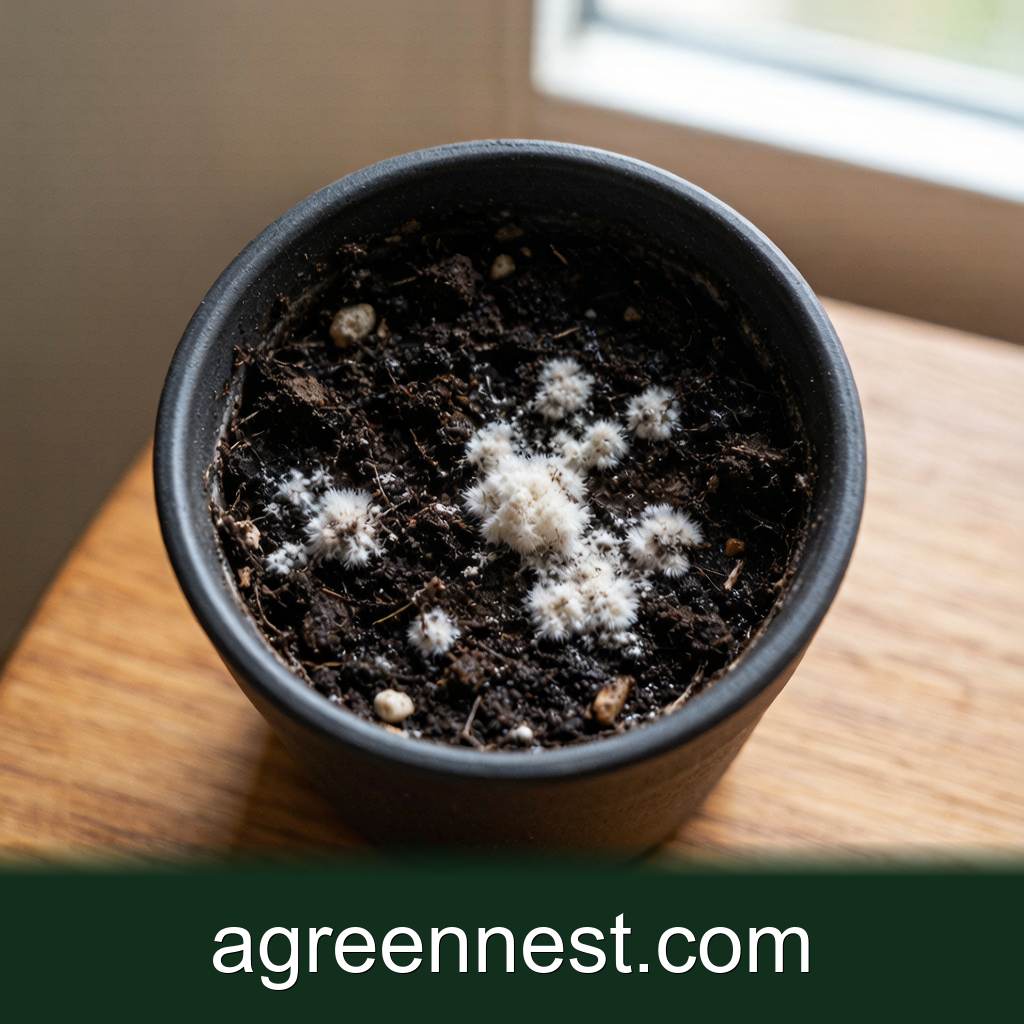
White mold on soil is a saprophytic fungus feeding on damp organic matter, not a plant disease. Scrape off the top 1 to 2cm, cut watering, improve airflow, and let the surface dry; it returns only if the soil stays wet. Repot in fresh mix if it keeps coming back.
You watered your plant, came back three days later, and the soil surface was dusted with white fuzz. It looks alarming, but before you reach for a fungicide, know this: that film is almost always a saprophytic fungus, one that eats dead organic matter in the potting mix. It is not attacking your plant. It is a symptom, though, and the condition that grows it is the same one that does kill plants.
What is the white stuff, exactly?
The fuzzy white layer is usually Leucocoprinus or a harmless Trichoderma species, both saprophytes. They live on the bark, peat, and compost in your soil and only appear when the top layer stays damp and still for days. They throw up little mushroom-like fruiting bodies or a flat cottony sheet. They do not bite into living roots the way a pathogen would.
The real problem is not the mold. It is the wet, airless soil that lets it grow, because that same environment suffocates roots and invites the rot organisms that actually kill plants.
Why Is There White Mold on My Plant Soil?
Work down this list; the cause is almost always the first one.
- The soil stays wet at the surface. You water on a schedule instead of by feel, so the top 2cm never dries. Saprophytes need that constant film of moisture.
- Poor airflow. A plant in a corner with no movement lets humidity sit on the soil. A fan on low for an hour a day changes this fast.
- A rich, organic top dressing. Bark, compost, or a thick layer of mulch on top is free food for the fungus.
- A saucer left full. Water wicks back up and keeps the base soaked.
- Low light in a cool room. Slow-drying conditions in winter are the classic setup.
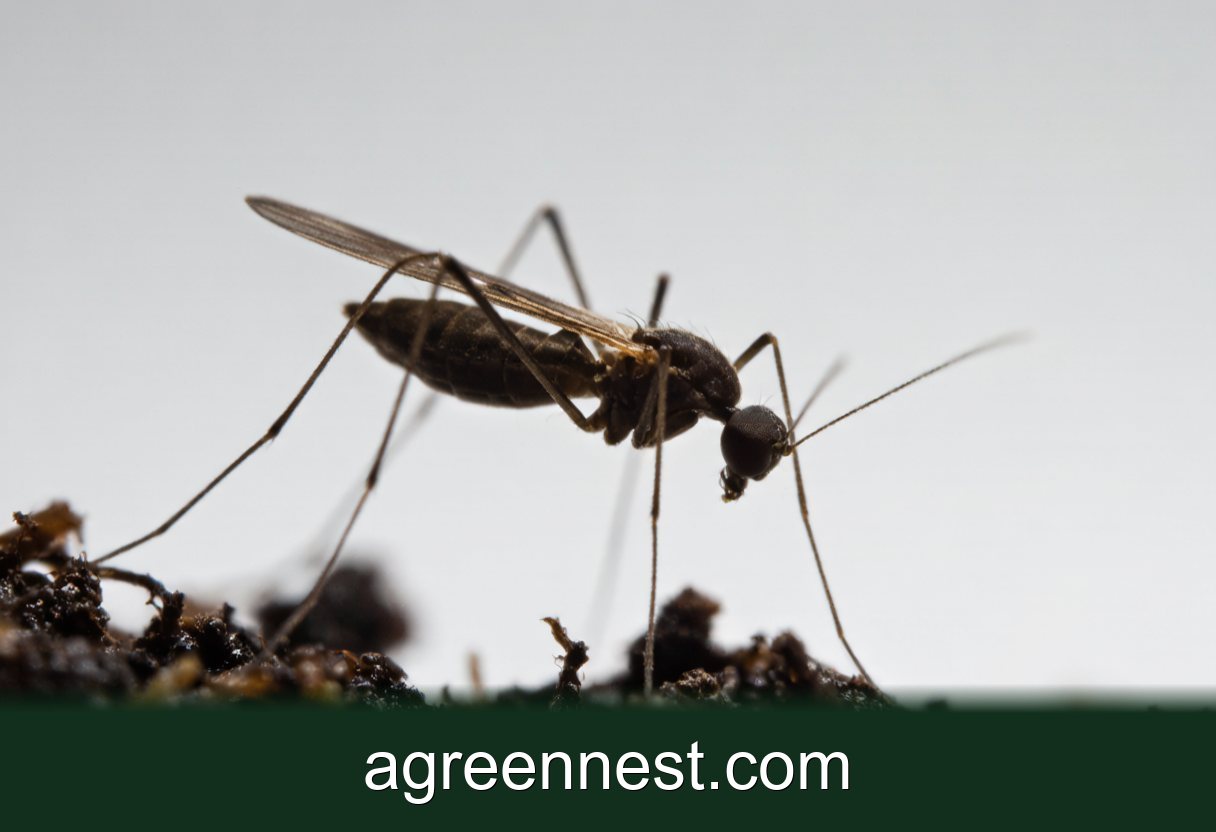
If you also see tiny flies, the wet soil may be feeding fungus gnats at the same time, so check for those while you are at it.
Is White Mold on Soil Harmful to My Plant?
Directly, no. The fungus is not eating the plant. Indirectly, yes, because it only grows where the soil is too wet, and that wetness is what damages roots. A plant sitting in saturated mix for a week will show yellowing lower leaves, a soft stem base, and stalled growth, which is overwatering damage, not mold poison.
So treat the mold as a warning light. The surface fuzz is cosmetic; the soggy soil beneath it is the threat.
How Do I Get Rid of Mold on Potting Soil?
You can clear it in a few days without chemicals.
- Scrape it off. Lift the top 1 to 2cm of soil with a spoon and bin it. Do not just wipe the surface; the threads run deeper than they look.
- Stop watering. Let the remaining soil dry to at least the top 3cm before the next drink. Feel with a finger or a moisture meter rather than guessing.
- Move air. Open a window or run a small fan nearby for part of the day so the top dries between waters.
- Top dress with grit. A 1cm layer of coarse sand or fine gravel on the surface gives mold nothing to grab and lets water drain away.
- Improve light. Brighter indirect light dries the surface faster. If the spot is dim, the watering-correctly guide shows how to adjust your schedule to the light you have.
A light sprinkle of cinnamon on the bare surface slows regrowth for many people, though it is not a cure. The cure is a dry top layer.
Will the mold come back?
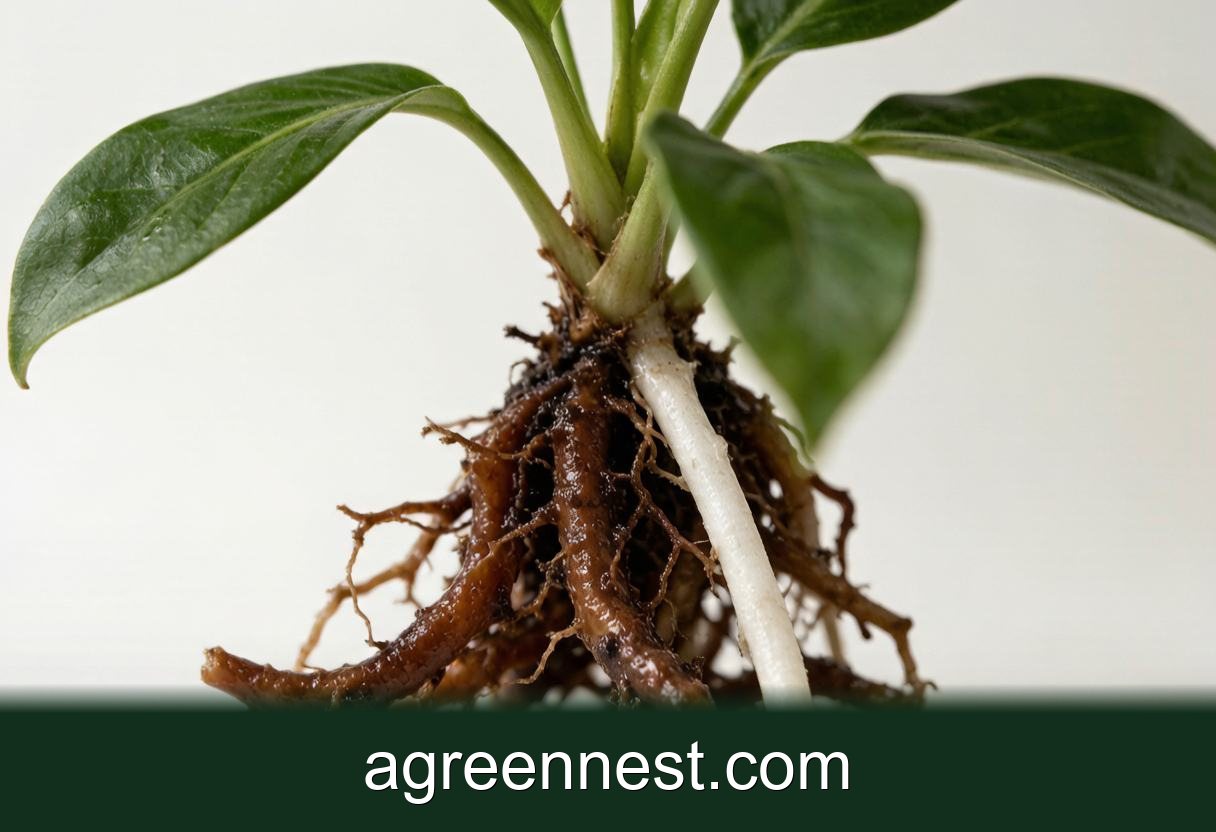
Only if the soil stays wet. Once you water by feel and keep air moving, it usually stays gone. If it returns within a week of drying, the whole pot is too dense and sour. Repot into fresh, well-draining mix and a clean container, trimming any black, mushy roots you find, because that is the start of root rot rather than a harmless film.
White mold on soil is a billboard for wet, stale conditions, not a plant disease in itself. Scrape the top, let it dry, and keep the air moving, and it clears in days. The habit that prevents it is the same one that prevents most houseplant deaths: water by feel, not by the calendar. If you want to stop the wet-soil cycle at the root, the repotting guide shows how to refresh tired mix before mold moves in.
Recommended Tools for Plant Pests & Diseases Care
Free, no-signup helpers matched to this guide.
🔍 Free Tool
Pest & Problem Identifier
Pick the symptoms you see and get the likely culprit plus a fix.
Free Ebooks to Explore
Downloadable handbooks — no email required.
Free Ebook
The AGreenNest Succulent Care Handbook
The complete, beginner-to-confident guide to growing fat, happy succulents — 10 chapters and a 20-plant directory.
Free Ebook
Haworthia & Haworthiopsis Care Handbook
A focused guide to the striped, forgiving Haworthia clan.
Join the Conversation
Have a tip or a question about White Mold on Plant Soil: Clear It Fast? Share it below — comments are saved on our server.