 AGreenNest
Low-Light Indoor Plants
Overwatering in Low Light: Signs and a 48-Hour Fix
Why Low Light Makes Overwatering Worse
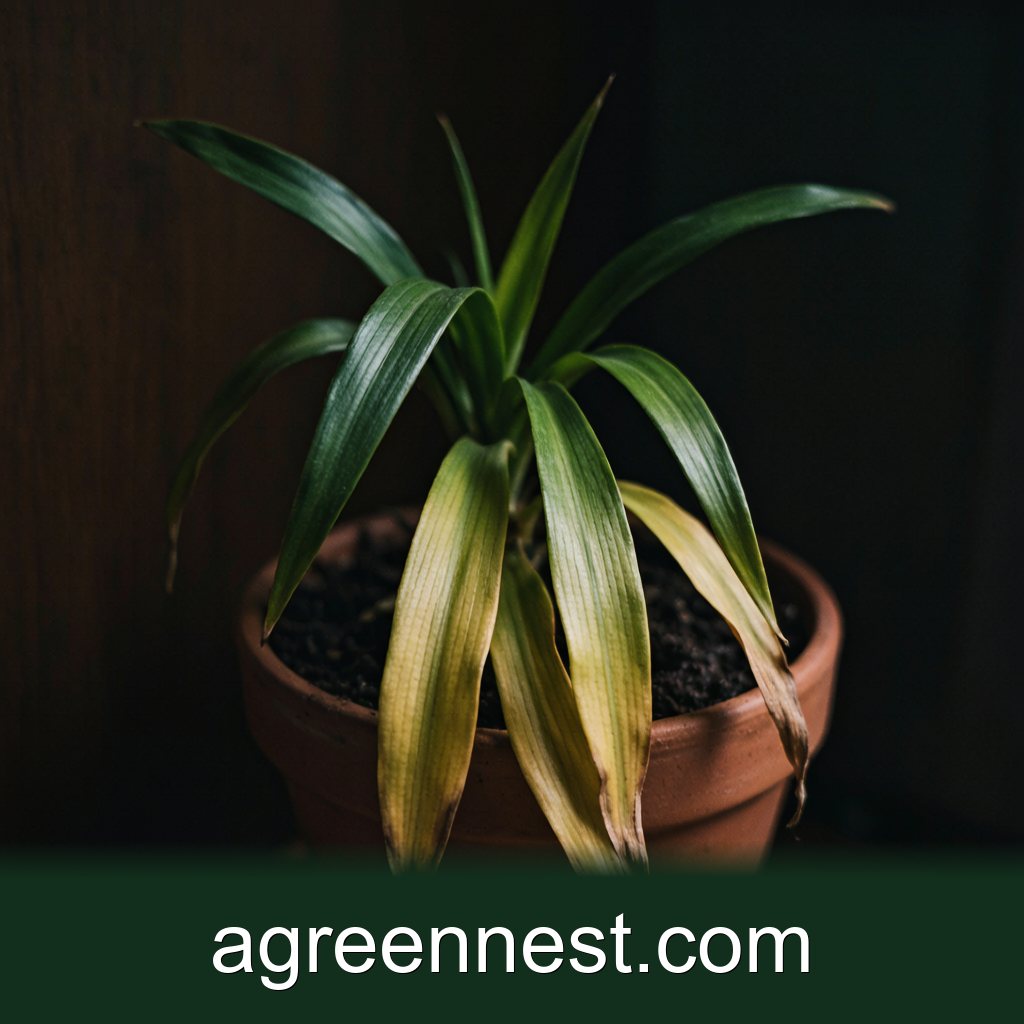
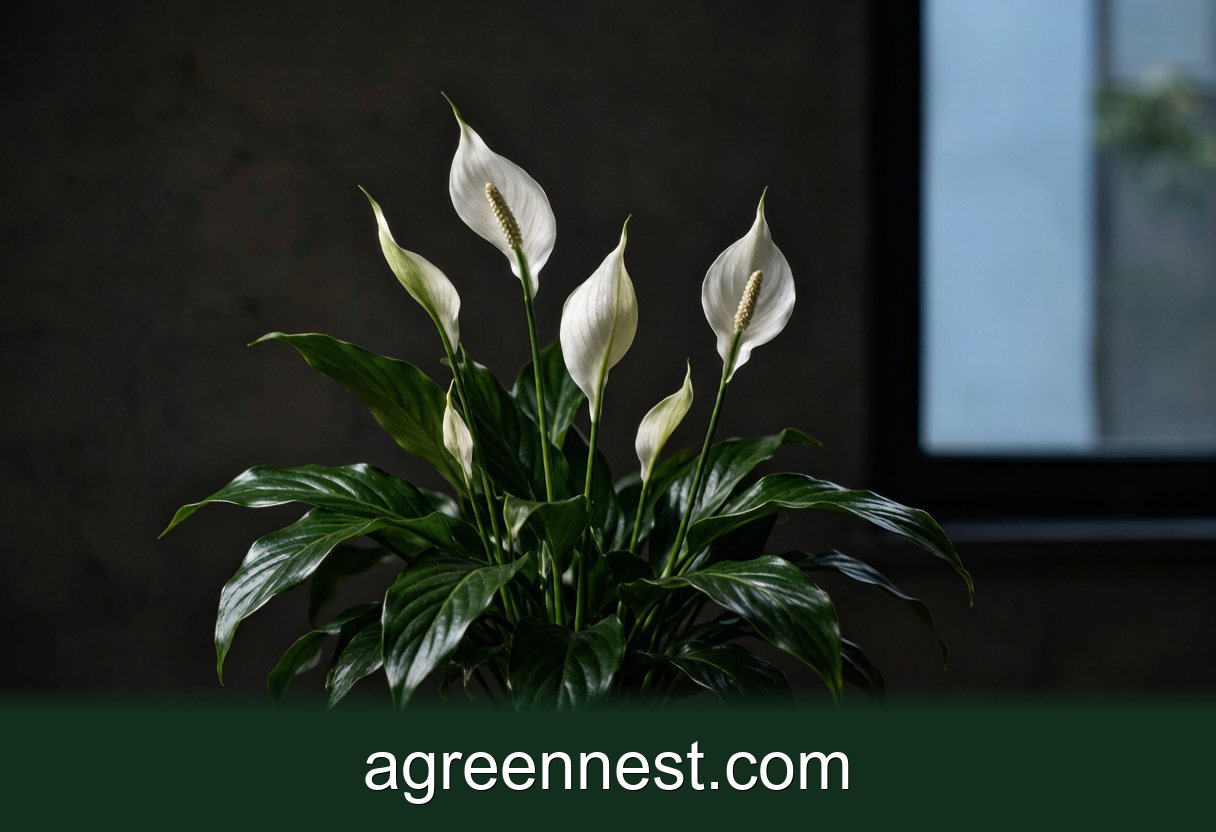
Last winter I almost lost a Spathiphyllum peace lily by watering it on the same Sunday schedule I used in July. The plant sat two metres from a north window, the soil stayed cold and wet for weeks, and the leaves turned yellow from the bottom up. The lesson stuck: in a dim room, water leaves the pot slowly, so the same routine that suits bright summer can drown roots in January.
Light drives how fast a plant drinks. With only 2-3 hours of weak indirect light, transpiration drops and the mix can stay saturated for 14-21 days. Combine that with a fixed watering habit and the roots sit in mud. If your leaves are yellowing, start with our leaf yellowing guide to confirm the cause before you act.
The Symptoms, in Order
Catch overwatering early by watching for these, usually in this sequence:
- Yellow lower leaves. The oldest leaves at the base go yellow first, often within a week of a heavy water. This differs from drought yellow, which hits newer growth.
- Soft, dark stems. The stem near the soil feels mushy rather than firm. By now rot has likely begun.
- A musty or sour smell. Lift the pot and smell the soil; healthy mix smells earthy, not like a damp cellar.
- Fungus gnats. Those small black flies hovering at the surface breed in wet soil, and their larvae feed on damaged roots.
Brown, crispy tips are a different problem; our brown leaf tip guide covers dry-air and salt causes so you do not confuse them with rot.
Ranked Causes
I rank the causes by how often they appear in dim rooms:
- Low light plus frequent watering. The top cause. The plant cannot use the water, so it pools. Cut watering to every 10-14 days in winter and trust a dry top layer less than a reading at root depth.
- No drainage hole. A pot without a hole traps every drop. Within days the lower soil turns to slurry. Always use a hole, or double-pot a decorative container.
- Dense peat soil. Peat holds water for weeks and compacts, which is worse in shade where evaporation is already low. A free-draining mix matters more than people expect, and the succulent soil guide explains the structure principles that help here too.
- A cold room. Below 15°C the roots barely function and water lingers. Move the plant off a cold floor and away from draughty windows.
A moisture meter settles the guesswork by showing the wet line well below the surface, where the danger actually sits.
The 48-Hour Action Plan
If you suspect overwatering, act within two days before rot spreads:
- Hour 0 to 6: Stop watering. Tilt the pot to drain any saucer and move it to the brightest safe spot, such as 60-90 cm from an east window, to speed drying.
- Hour 6 to 12: Slide the plant from its pot and inspect the roots. Healthy roots are white or tan and firm; rotted ones are black, soft, and smell sour. Trim the bad sections with clean scissors.
- Hour 12 to 24: If more than a third of the roots are black, repot into fresh, dry, free-draining mix in a clean pot with a hole. Skip fertiliser for a month.
- Hour 24 to 48: Watch for recovery. Firm leaves that perk up mean you caught it. If stems keep collapsing, follow the steps in our root rot guide for a deeper rescue.
For the watering rhythm that prevents a repeat, our watering guide walks through reading soil by weight and season.
Preventing the Next Soak
After the rescue, change one habit: water by need, not by calendar. In a low-light room that often means every 10-14 days in summer and every 14-21 days in winter. Feel the pot weight or use a meter, keep the room above 15°C, and choose a pot with a real hole. Plants in the right mix and the right light forgive the odd mistake.
Frequently Asked Questions
Q: How can I tell overwatering from underwatering yellow leaves?
A:
Overwatering yellows the oldest lower leaves first and the soil feels wet; underwatering yellows newer leaves and the soil is bone dry and pulled from the pot edge.
Q: Will fungus gnats mean my plant is dying?
A:
Not always. They signal wet soil, which can lead to rot, but trapping the adults and letting the top 3-4 cm dry usually clears them before real damage.
Q: Can I just stop watering and wait, without repotting?
A:
If roots are still firm and only lower leaves yellowed, drying out for 2-3 weeks often recovers the plant. Repot only if roots are already black and soft.
Q: Is a self-watering pot a bad idea in low light?
A:
Usually yes for shade rooms, because it keeps the base constantly moist. Reserve them for bright spots or drought-tolerant species.
Q: Why does the same schedule work in summer but not winter?
A:
Light drops to 2-3 hours in winter, so the plant drinks far slower and the soil stays wet two to three times longer.
Q: My plant smells musty but leaves look fine, what now?
A:
Smell means the lower soil is already sour. Repot into dry mix now, before the rot reaches the crown, and trim any dark roots you find.
Overwatering in a dim room is the most common way houseplants die, yet it is also the most reversible if you move within 48 hours. Build a calmer routine with the complete watering guide and your plants will reward you with firmer leaves.
Recommended Tools for Low-Light Indoor Plants Care
Free, no-signup helpers matched to this guide.
Free Ebooks to Explore
Downloadable handbooks — no email required.
Join the Conversation
Have a tip or a question about Overwatering in Low Light: Signs and a 48-Hour Fix? Share it below — comments are saved on our server.