 AGreenNest
Hydroponic Growing
5 Hydroponic Myths That Sink Beginners
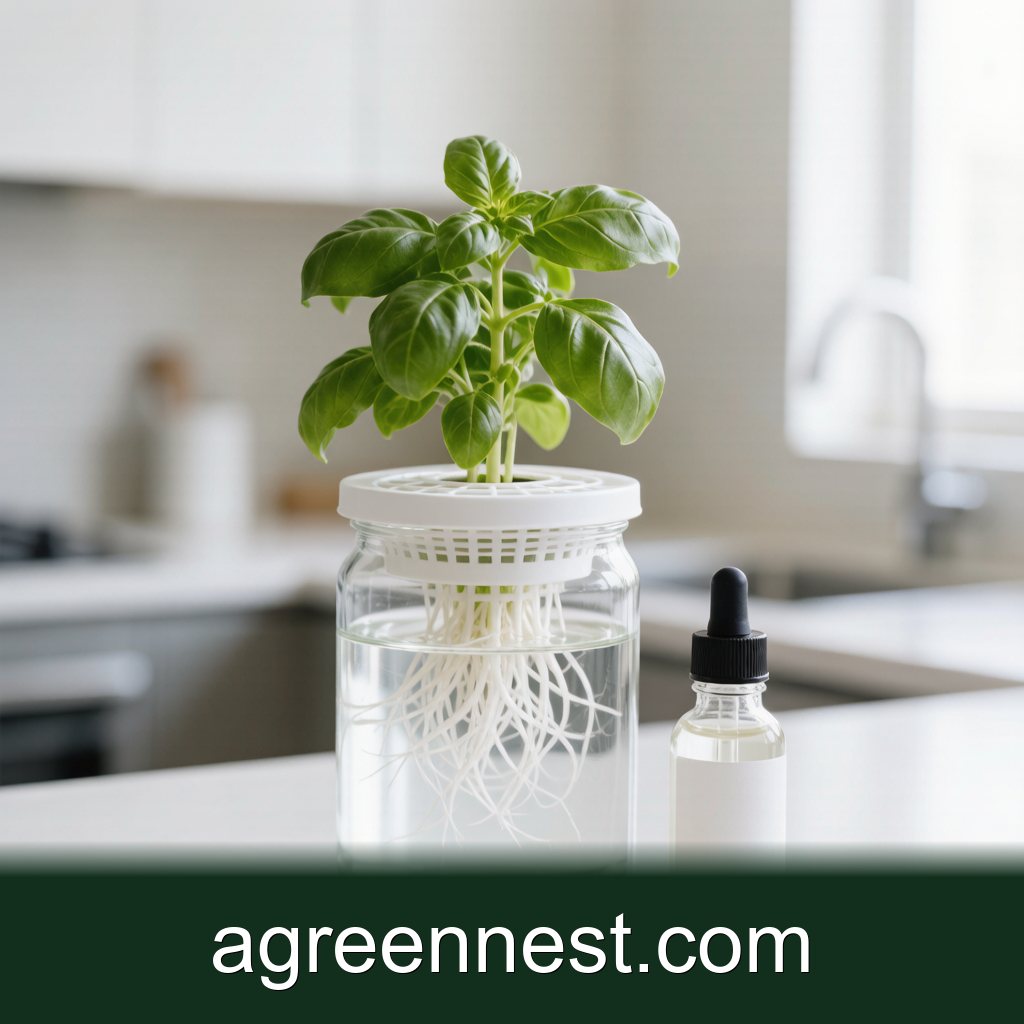
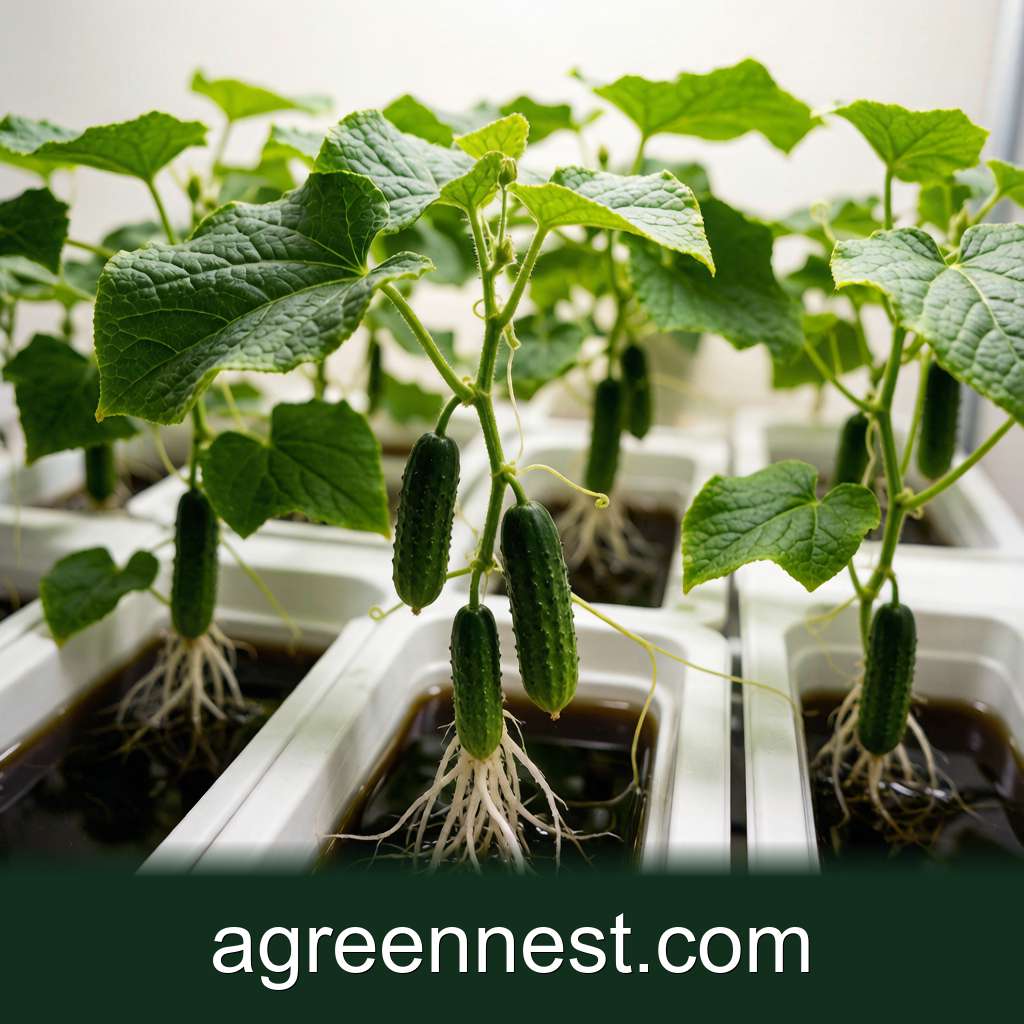
Hydroponic plants eat the same nutrients as soil plants, just dissolved in water, so the feed is not the harmful chemical people imagine. You do not need a degree or an expensive rig: a Kratky jar with nutrient solution grows herbs for pocket change, and soil free growing cuts fungus gnat and rot problems.
Walk into any garden forum and you will hear that hydroponics is lab food grown in harsh chemicals by people with engineering degrees. Most of that is wrong, and the wrong parts stop beginners before they ever fill a jar. Here are the five claims I hear most, and what the practice actually looks like at home.
Do Hydroponic Plants Need Chemicals and No Soil?
Myth: hydroponics feeds plants with harsh lab chemicals. Reality: the nutrient solution is the same elements a plant pulls from soil, just dissolved in water. Nitrogen, potassium, calcium, and the rest are the same atoms a root would take from dirt. Our hydroponic nutrients guide breaks down what each element does. The difference is delivery, not chemistry. You are not feeding your plant poison; you are handing it lunch in liquid form.
Is Hydroponic Food Less Nutritious?
Myth: food grown without soil is empty. Reality: a plant's nutrition comes from the nutrients it absorbs, wherever they come from. Lettuce grown in a balanced solution carries the same vitamins as soil lettuce, and university trials repeatedly find no meaningful nutrient gap. What changes flavour and texture is light, variety, and harvest freshness, not the presence of a pot of dirt. Grow hydroponic lettuce and eat it the same day and it beats a supermarket bunch on every count.
Do You Need a Degree to Run a System?
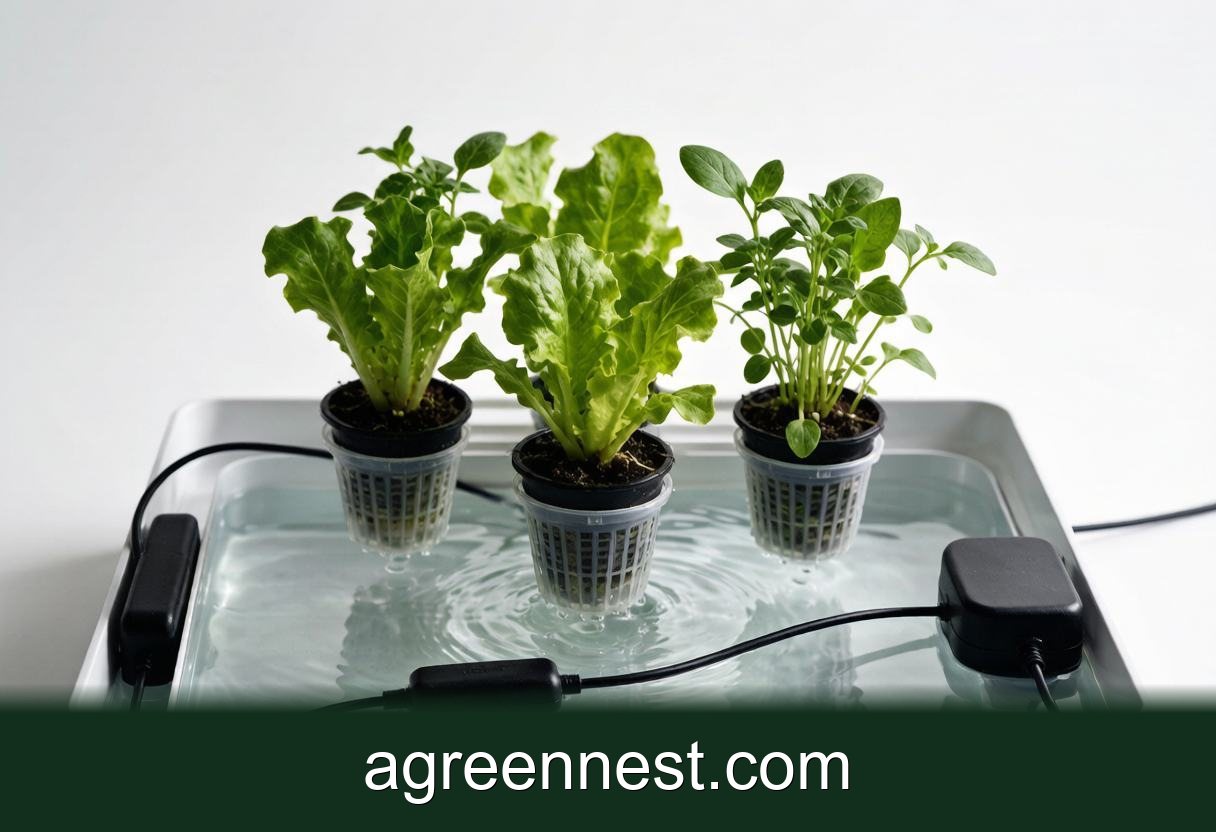
Myth: it is too technical for a normal home. Reality: a Kratky jar needs no pump, no timer, and no electricity. You fill a jar with nutrient water, set a seedling in a net cup, and walk away for weeks. A deep water culture bucket adds only an air stone. The steep part is the first read, not the daily work. Most beginners harvest basil or greens within a month of starting.
Won't the System Breed More Pests and Disease?
Myth: no soil means more bugs. Reality: soil is the main home for fungus gnat larvae and soil borne rot. Move the plant off soil and you remove those problems at the source. You still get the odd aphid or spider mite on the leaves, the same as any houseplant, and our pest complete guide covers those. The win is fewer soil pests and no root rot from a soggy mix.
Is Hydroponics More Expensive Than Pots?
Myth: only commercial growers can afford it. Reality: a starter kit runs from about $35 and pays back in grocery savings within a season of herbs. A DIY Kratky setup costs pocket change: a jar, a net cup, and a bag of nutrients. Compare that to buying basil at $3 a bunch every week and the math flips fast. The expensive part people fear, the recirculating pump systems, is optional, not required.
What Actually Trips Up First Timers?
Not the science, the basics. Common hydroponic mistakes are almost always pH and strength, not the method. Keep the solution between pH 5.5 and 6.5, hold nutrient strength near 1.2 to 2.0 EC for leafy greens, and top up the reservoir before it runs dry. Miss the pH and the plant cannot take up the food even when it is there, which is why our pH management guide belongs on your bookmark bar.
Most hydroponic fear comes from myths, not the method. The plants eat the same food, the setup can be a single jar, and the cost is lower than a herb habit at the shop. Start with hydroponics for beginners and a Kratky jar, and you will have harvestable greens before the worry was ever worth it.
Recommended Tools for Hydroponic Growing Care
Free, no-signup helpers matched to this guide.
Free Ebooks to Explore
Downloadable handbooks — no email required.
Free Ebook
The AGreenNest Succulent Care Handbook
The complete, beginner-to-confident guide to growing fat, happy succulents — 10 chapters and a 20-plant directory.
Free Ebook
Haworthia & Haworthiopsis Care Handbook
A focused guide to the striped, forgiving Haworthia clan.
Join the Conversation
Have a tip or a question about 5 Hydroponic Myths That Sink Beginners? Share it below — comments are saved on our server.