 AGreenNest
Plant Care Accessories
Terracotta Pots: When to Use Them and How to Prep
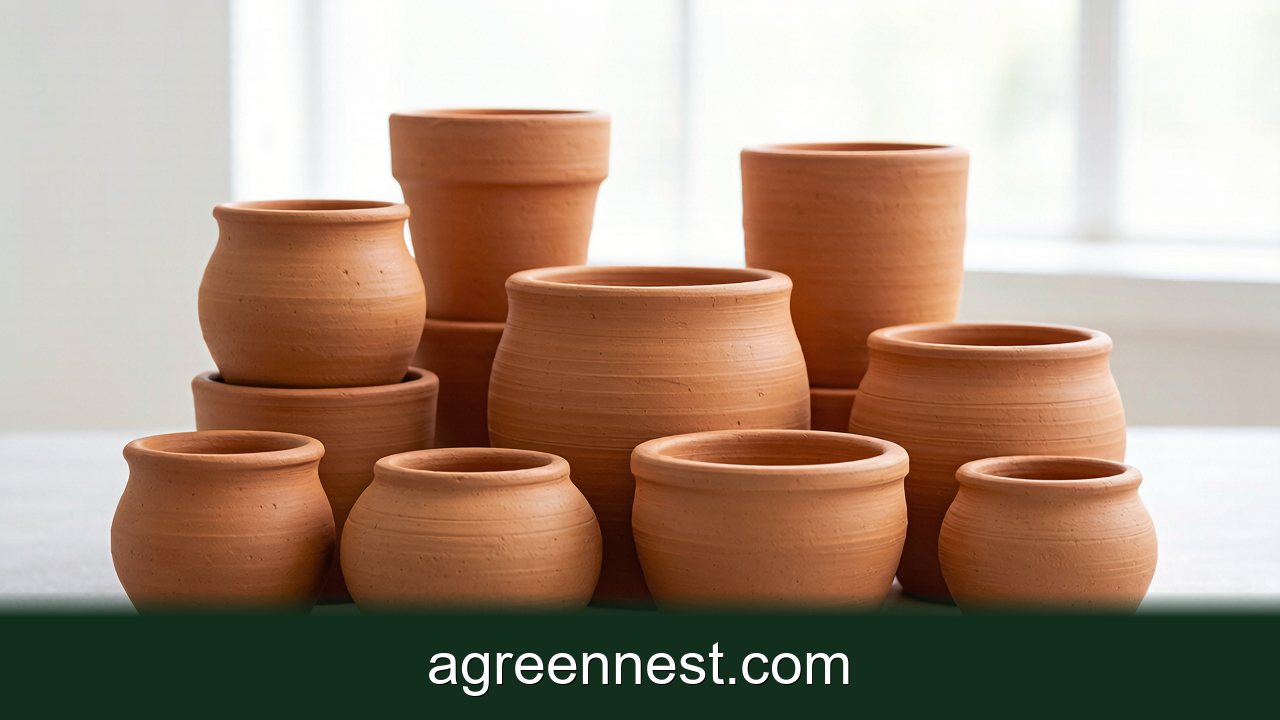
Terracotta — unglazed clay — is the oldest plant pot there is, and for good reason. It breathes, it wicks moisture, and it quietly protects roots from the number-one killer: overwatering. But it is not right for every plant.
Here is when to reach for terracotta, when to skip it, and how to prep a new pot so it lasts.
Why Terracotta Helps Roots
Unglazed clay is porous. Water moves through the walls and evaporates from the outside, pulling excess moisture out of the soil. That means the root zone dries faster and more evenly than in a sealed plastic or glazed pot.
For plants that hate wet feet — succulents, cacti, most Mediterranean herbs — that breathing action is a built-in safety net. It is also why choosing the right pot matters as much as the soil inside it.
When to Use Terracotta
- Succulents & cacti: Ideal. The fast dry-down matches their drought-loving nature.
- Plants prone to rot: Snake plants, aloe, and most succulents thrive in it.
- Humid rooms: Where soil stays damp too long, clay speeds drying.
- Top-heavy plants: The weight of clay adds stability for tall stems.
When to Skip It
Terracotta is the wrong call for thirsty plants.
- Calatheas, ferns, moss: They want steady moisture; clay sucks it away.
- Very dry homes: If your air is already parched, clay can over-dry the root ball.
- Plants that like wet feet briefly: Some aroids hate swinging dry; use plastic or glazed.
Our best soil for succulents pairs especially well with terracotta because both push water through fast.
How to Prep a New Terracotta Pot
New clay pots are dusty and thirsty — they will steal water from your plant on day one if you skip this.
1. Soak it
Submerge the empty pot in water for 30–60 minutes (overnight for large ones). You will see bubbles as air escapes. A soaked pot no longer competes with roots for moisture.
2. Scrub and rinse
Use a stiff brush and plain water to remove the fine dust. Skip soap — residue can harm roots. Rinse until the water runs clear.
3. Sanitize if reused
For a secondhand pot, scrub, then soak 10 minutes in a 1:10 bleach-and-water solution (or white vinegar) to kill salt and pathogens. Rinse thoroughly.
4. Add drainage, not gravel
A pot with a drainage hole needs only a small screen or broken-shard over the hole to keep soil in. Do not add a gravel layer — it creates a perched water table that defeats the drainage.
Avoiding Cracks and Salt
Terracotta is durable but brittle, and it builds up white mineral crusts over time.
- Never let it sit in a full saucer. Empty saucers 15 minutes after watering, or the pot reabsorbs the water and the clay cracks through freeze-thaw cycles.
- Scrape salt crusts with a brush; a vinegar wipe dissolves them.
- Bring outdoor pots in before hard freezes — frozen saturated clay splits.
Terracotta vs Glazed vs Plastic
| Pot type | Dry-down | Best for |
|---|---|---|
| Terracotta (unglazed) | Fast | Succulents, drought-tolerant |
| Glazed ceramic | Medium | Most houseplants |
| Plastic | Slow | Thirsty, humidity-lovers |
When you repot, our step-by-step succulent repotting guide shows exactly how to move a plant into fresh terracotta without shocking it.
Frequently Asked Questions
Q: Do terracotta pots need a saucer?
A:
A saucer helps protect furniture, but empty it after every watering. Letting clay sit in standing water causes cracks and root rot.
Q: Can I use terracotta for a fern?
A:
Not ideally. Ferns want consistent moisture, and clay pulls it away. Choose plastic or glazed for thirsty plants.
Q: Why is my terracotta turning white?
A:
That is mineral buildup from hard water. Scrub it off and wipe with vinegar; it is harmless but cosmetic.
Q: Should I soak a pot before every repot?
A:
Only the first time you use it. After that, a quick rinse is enough unless it has been stored dusty.
Q: Is terracotta safe for outdoor use?
A:
Yes, but bring pots indoors before hard freezes if they are wet, or they can crack.
Terracotta is the quiet workhorse of plant care — cheap, breathable, and a genuine safeguard against overwatering. Match it with a gritty mix and you have set most succulents up to thrive. Browse all of our accessories guides for the rest of the toolkit, or start with our free pot-size calculator to pick the right fit.
Recommended Tools for Plant Care Accessories Care
Free, no-signup helpers matched to this guide.
Free Ebooks to Explore
Downloadable handbooks — no email required.
Free Ebook
The AGreenNest Succulent Care Handbook
The complete, beginner-to-confident guide to growing fat, happy succulents — 10 chapters and a 20-plant directory.
Free Ebook
Haworthia & Haworthiopsis Care Handbook
A focused guide to the striped, forgiving Haworthia clan.
Join the Conversation
Have a tip or a question about Terracotta Pots: When to Use Them and How to Prep? Share it below — comments are saved on our server.