 AGreenNest
Plant Care Accessories
Best Self-Watering Pots of 2026 (Tested Picks by Type)
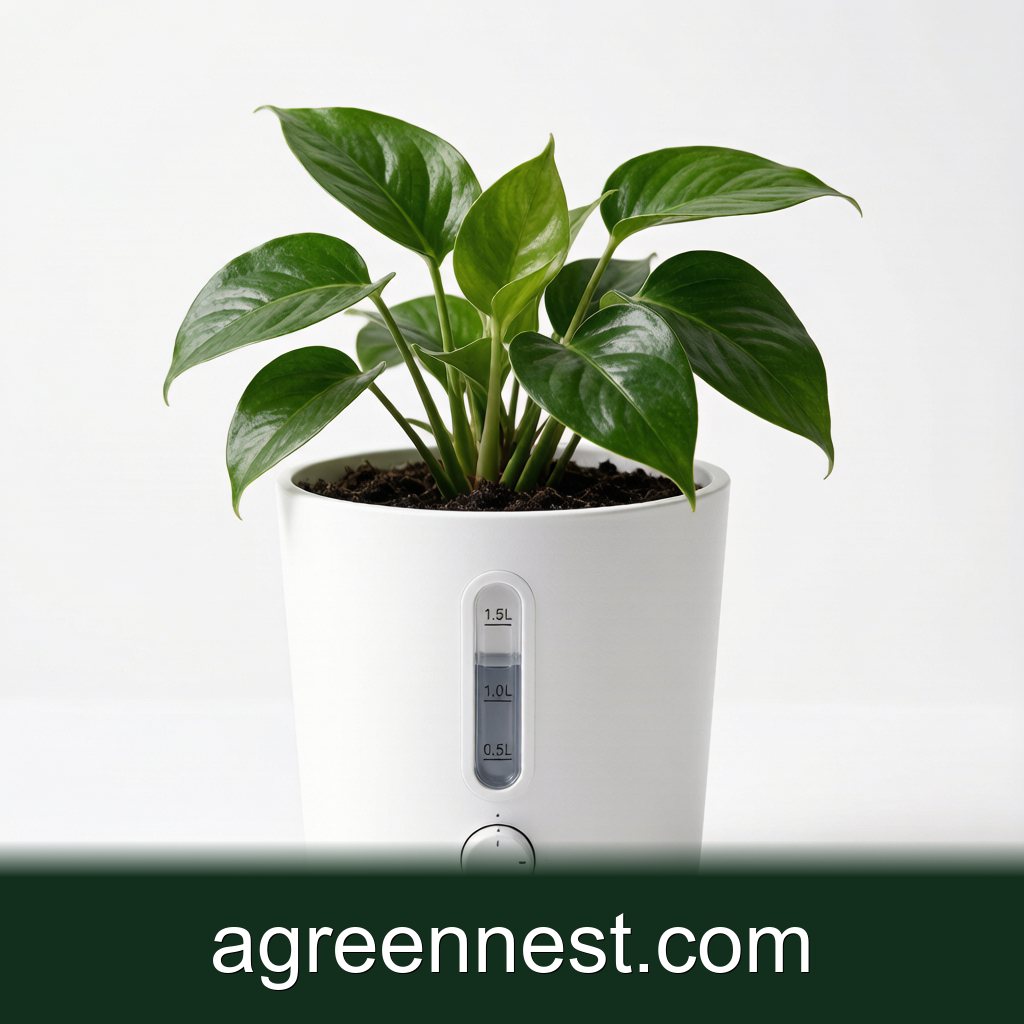
I killed three pothos in one winter before I finally trusted a plastic reservoir to do the watering for me. A self-watering pot looks like an ordinary planter from the outside, but the difference inside is what saves forgetful plant owners from root rot and bone-dry soil alike.
How a self-watering pot actually works
The design splits the pot into two zones. The top section holds your soil and plant. Below it sits a sealed reservoir that you fill through a side portal or a tube. A wick, a fabric strip, or a column of unglazed ceramic pulls water upward as the root ball dries, which gives the plant a steady supply without you pouring water on top every few days.
This matters because most houseplant deaths come from uneven watering. A reservoir smooths out the gaps between your busy weeks. If you want to understand the rhythm these pots replace, our watering guide for indoor plants explains how often most species actually need a drink.
The three main types you will find in 2026
Reservoir and wick (sub-irrigation). This is the workhorse. A 14cm diameter model usually holds around 0.4 to 0.6 liters of water, enough for a peace lily for roughly 10 to 14 days. These are the most common and the easiest to refill.
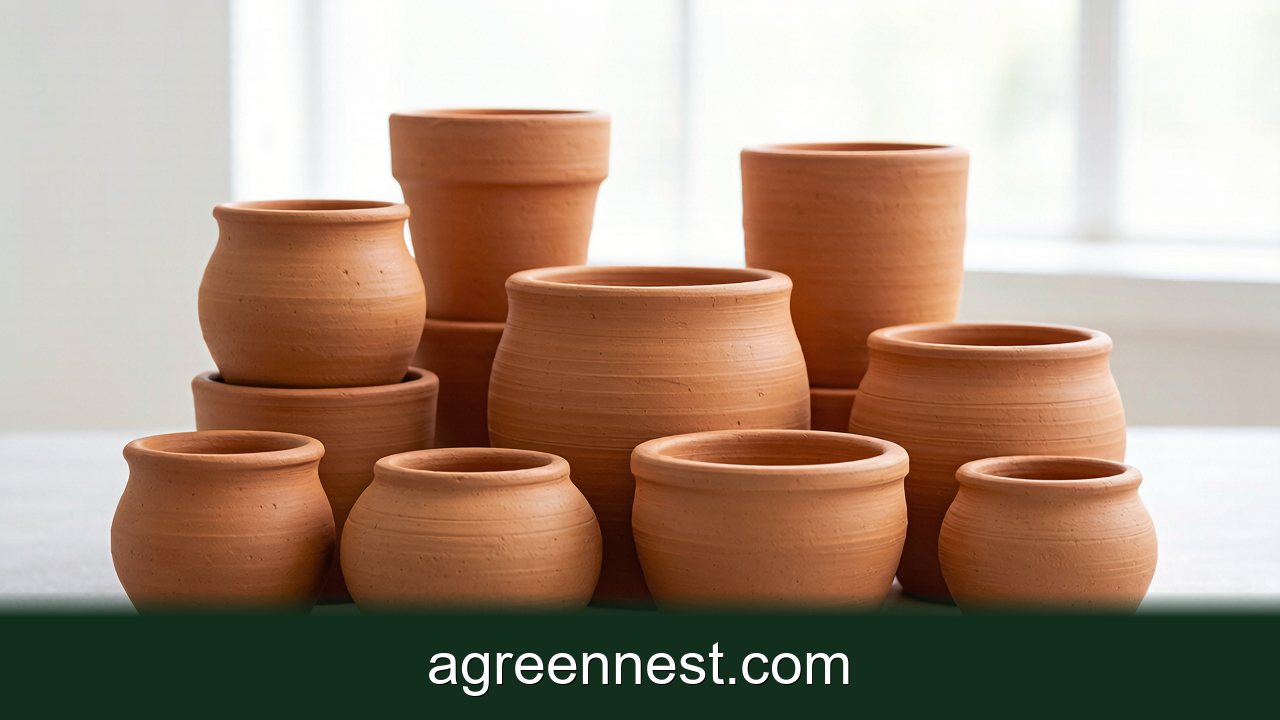
Ceramic (unglazed terracotta). The pot wall itself acts as the wick. Water seeps through porous clay, which keeps the soil cooler and slower to saturate. They look beautiful on a shelf, though the reservoir is smaller, often 0.3 liters in a 12cm pot.
Plastic. Light, cheap, and able to hold a large reservoir (up to 2 liters in a 25cm floor model). The trade-off is heat. Dark plastic in a south window can warm the root zone faster than clay does.
What to check before you buy
Diameter is the first number to read. Most self-watering pots run from 10cm for succulents and herbs up to 30cm for floor plants. Match the diameter to your plant's current root ball, not the size you hope it reaches.
A water-level indicator is worth paying for. A simple float or a clear window on the side lets you see remaining water at a glance instead of lifting the whole pot. I have stopped buying models without one after guessing wrong one too many times.
Check the reservoir size against your plant's thirst. A 25cm ficus needs closer to 1.5 liters, while a 12cm fern is fine with 0.4 liters. Also look for a real drainage or overflow hole. A small overflow lets you flush out fertilizer salts every month, which protects the roots over the long run.
If you are new to pot selection generally, our guide to choosing pots for succulents covers drainage basics that apply to every container.
Six picks by use (price ranges $12-60)
Small houseplants, $15. Worth Garden 12cm reservoir pot. Holds about 0.45 liters and has a clear level window. Good for pothos or peperomia.
Windowsill herbs, $28. Lechuza Classico 14cm. A 0.6-liter reservoir and a built-in float marker. Basil and mint stay even through a hot week.
Large floor plant, $58. Lechuza Cubico 27cm. Around 2 liters of capacity, rated for plants up to 1.2m tall. The reservoir disconnects for easy cleaning.
Hanging basket, $22. A 20cm self-watering hanging planter with a 0.8-liter tank. The rope hangers hold up to 4kg when full, so mount it into a stud.
Budget 4-pack, $12. Vivosun 10cm plastic set. Each holds 0.3 liters. Thin walls, but fine for propagating cuttings.
Decorative ceramic, $40. A 16cm unglazed terracotta model with a 0.5-liter hidden reservoir. Best where looks matter more than tank size.
For soil that pairs well with these, see our best soil for succulents and houseplants breakdown, since the mix you choose changes how fast the reservoir empties.
Who should skip self-watering pots
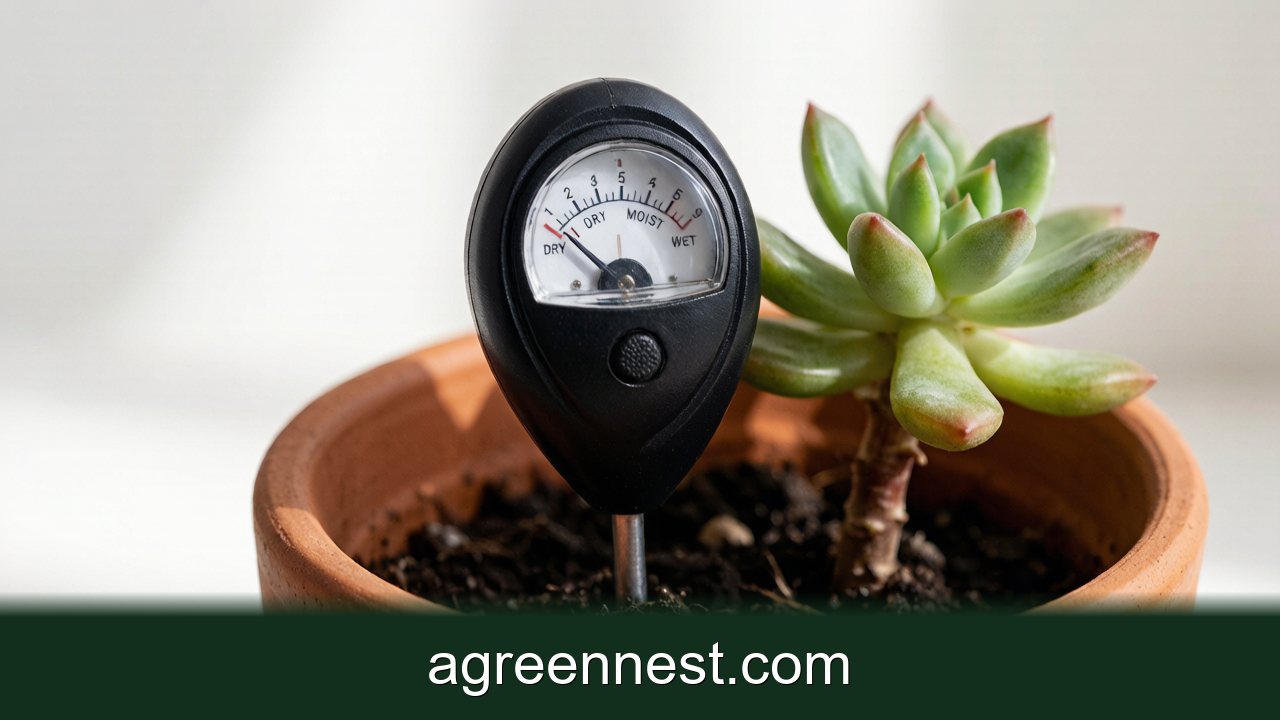
Cacti and most succulents should stay away. They want the soil to dry out completely between drinks, and a reservoir keeps the lower root zone damp for days. In my experience that is the fastest route to a mushy, rotting base. If you grow these, unglazed terracotta pots wick away excess moisture far better than any sealed reservoir.
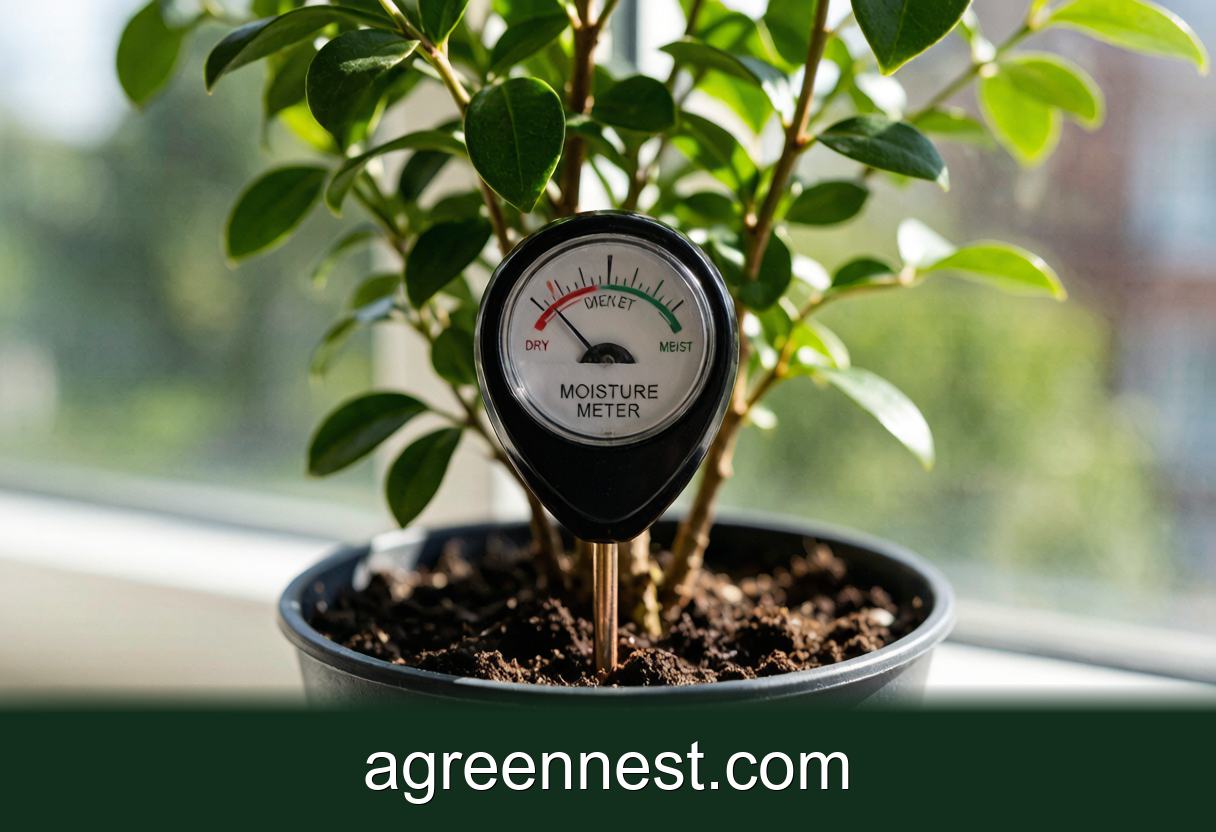
A moisture meter is still useful even with a self-watering pot. I use one to confirm the top 5cm of soil is actually dry before I top up the reservoir, which prevents the over-care that kills as many plants as neglect does.
Frequently Asked Questions
Q: How often do I refill a self-watering pot?
A:
It depends on pot size and plant. A 14cm herb pot with a 0.6-liter reservoir needs a refill about every 10 to 14 days in summer and every 3 to 4 weeks in winter.
Q: Can I use regular potting soil in these pots?
A:
Usually yes, but a dense mix stays wet longer. I lighten it with perlite so the wick can pull water without waterlogging the roots.
Q: Do self-watering pots cause gnats?
A:
They can if the reservoir sits stagnant. Empty and rinse the tank every month and avoid letting the top soil stay soggy, which is where fungus gnats breed.
Q: Are they safe for plants that hate wet feet like snake plants?
A:
They work if you refill less often and use a fast-draining mix, but a snake plant still prefers a plain terracotta pot where the soil dries top to bottom.
Q: Should the reservoir ever run completely dry?
A:
Briefly, yes. Letting it empty for a day or two between fills mimics natural dry periods and keeps roots from staying constantly saturated.
Self-watering pots are a real help for busy weeks, but they are not a cure for every watering mistake, and they are a poor match for cacti and succulents. Pick the diameter and reservoir size for your actual plant, insist on a water-level indicator, and you will water far less often with better results. For the broader rhythm of keeping containers healthy, our watering guide for indoor plants is the next read I would suggest.
Recommended Tools for Plant Care Accessories Care
Free, no-signup helpers matched to this guide.
Free Ebooks to Explore
Downloadable handbooks — no email required.
Free Ebook
The AGreenNest Succulent Care Handbook
The complete, beginner-to-confident guide to growing fat, happy succulents — 10 chapters and a 20-plant directory.
Free Ebook
Haworthia & Haworthiopsis Care Handbook
A focused guide to the striped, forgiving Haworthia clan.
Join the Conversation
Have a tip or a question about Best Self-Watering Pots of 2026 (Tested Picks by Type)? Share it below — comments are saved on our server.