 AGreenNest
Plant Pests & Diseases
5 Plant Disease Myths I Wish I'd Stopped Believing
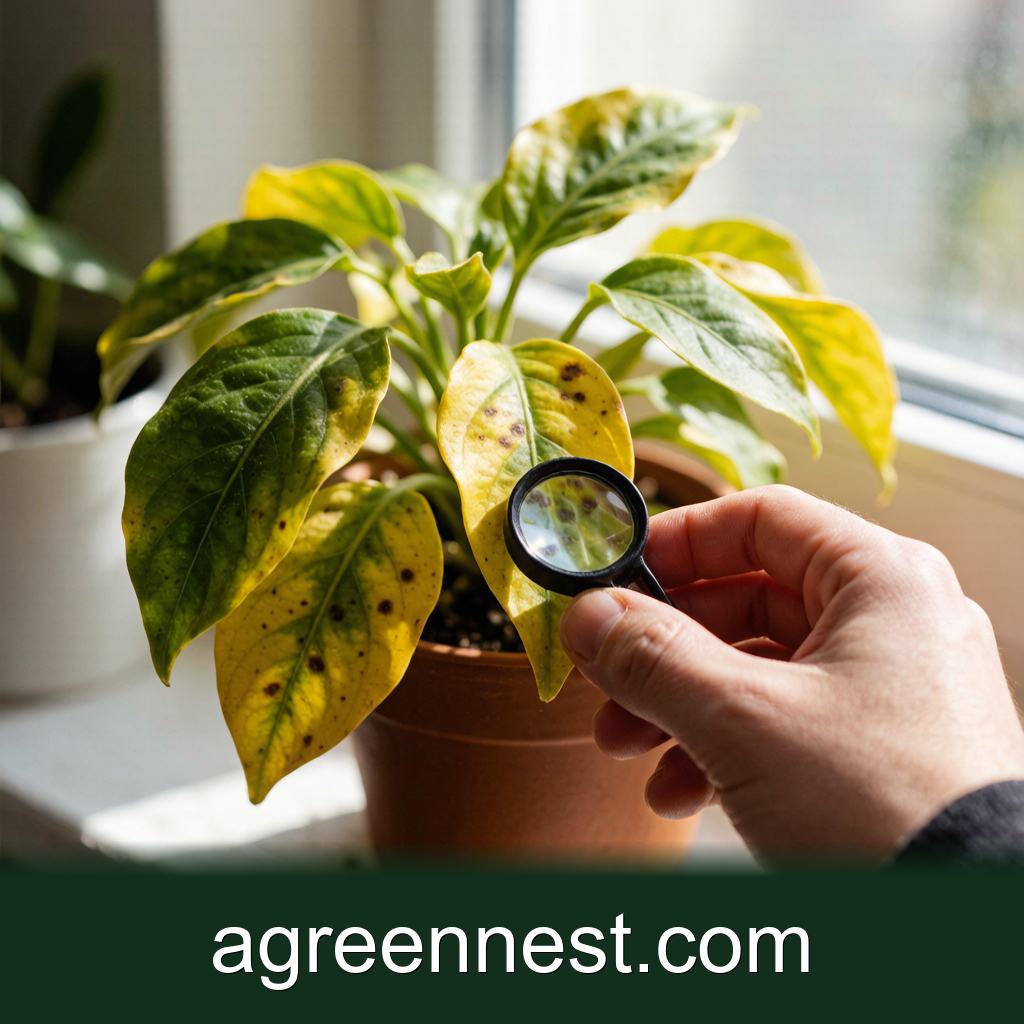
Five houseplant disease myths do real harm: yellow leaves mean overwatering (they can mean thirst or hunger), cinnamon cures fungus (it only guards cuts), cutting spotted leaves fixes the cause (it does not), bleach in water sanitises (it burns roots), and sealed terrariums prevent disease (stale air breeds it). Fix the conditions, not just the symptom.
I lost a Calathea to a rumour. A forum told me yellow leaves meant too much water, so I stopped watering. The leaves crisped and the plant died of thirst. The yellow was hunger, not flood. That mistake sent me to the extension clinic with a bag of samples, and the answers surprised me more than the myths did.
Plant disease advice online is mostly handed down, not checked. So I compared what people repeat against what the lab slides and the research actually show. Five myths came up again and again, and each one quietly kills plants. Here is what I found, with a clear verdict on each.
Myth 1: Yellow leaves always mean you overwatered
The most repeated line on the internet, and the most wrong. Yellow lower leaves with dry soil usually mean thirst or a hungry plant that has used up its nitrogen. Yellow leaves with wet soil and soft stems point to overwater, true, but the same yellow appears with root rot, cold drafts, and plain old age on the oldest leaves.
The clinic flagged my Calathea as nitrogen shortage, not flood. I had read one symptom and guessed the cause. The fix was a balanced feed, not a drier pot.
Verdict: Read the whole plant, not one leaf. Check soil moisture two knuckles down before you change a single thing.
Myth 2: Cinnamon cures fungal disease
Cinnamon has mild antifungal compounds, and it does help dusted onto a fresh cut when you prune a stem, because it keeps the wound from a surface infection. That is the grain of truth. The leap people make is that it clears an established infection on leaves, and it does not.
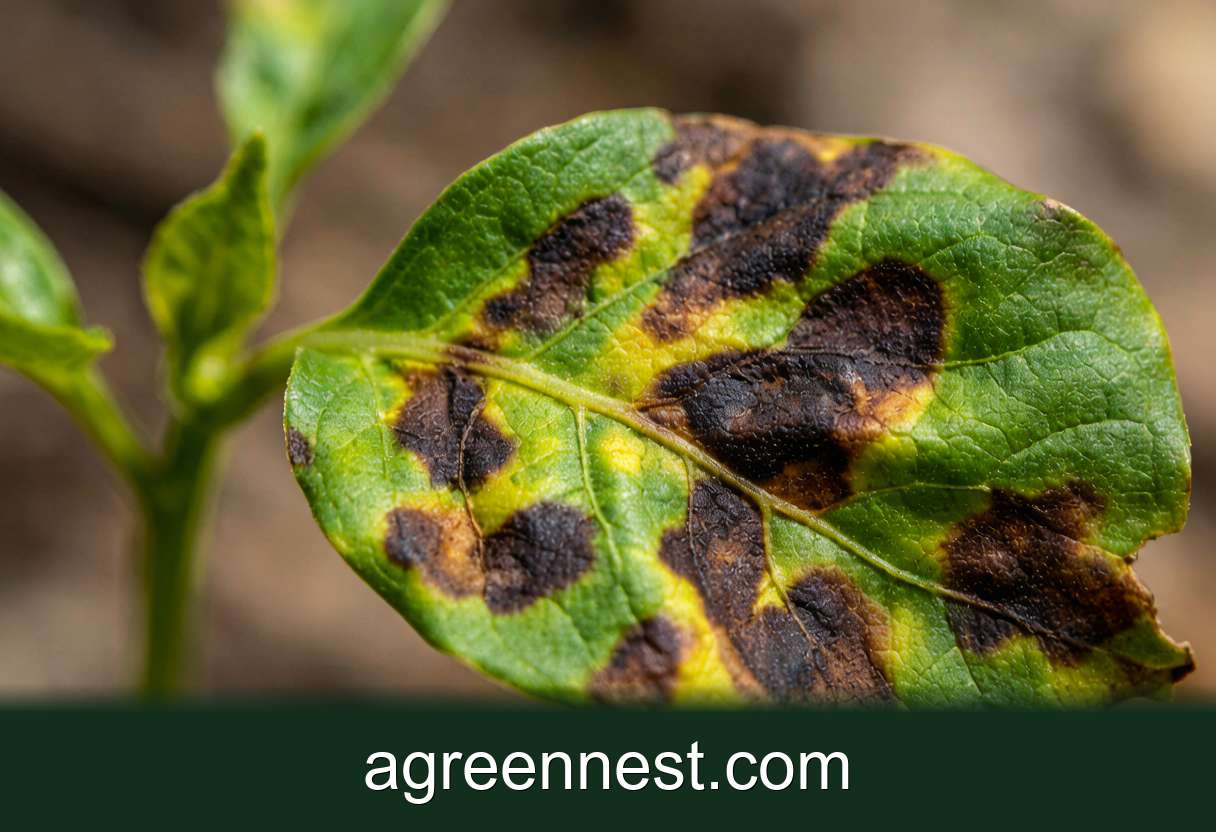
Botrytis cinerea gray mold and Cercospora leaf spot shrug off a kitchen spice. By the time spots show, the fungus lives inside the leaf tissue where cinnamon never reaches. I tested it on a spotted Begonia; the spice sat on the surface and the spots spread.
Verdict: Use cinnamon on pruning cuts. For active leaf disease reach for a real fungicide or the cultural fixes below. Our gray mold guide and powdery mildew guide cover the right products.
Myth 3: Cut off the spotted leaves and the disease is gone
Removing infected foliage is the right first move, and you should do it within a day of spotting. But cutting leaves treats the symptom, not the cause. If the leaves stay wet every evening and the air barely moves, the next flush of growth spots up the same way.
I watched this on a friend's Schefflera. She trimmed spots weekly and they returned because the plant sat under a leaky windowsill and the room held its humidity like a closed box. Moving it and drying the leaves stopped the cycle in a fortnight.
Verdict: Prune, then fix the conditions, or you are mowing a lawn that keeps growing.
Myth 4: A splash of bleach in the watering can sanitises the plant
This one circulates in well meaning groups, and it burns roots. Household bleach at any dose that touches living roots damages the fine feeder hairs and opens the door to the very rot people fear. It also does nothing useful for a leaf disease, which lives above the soil.
The EPA and extension guidance is clear: sanitise tools and pots with a dilute bleach or alcohol wipe, never the plant itself. Clean the pruners between cuts. Leave the watering can for plain water.
Verdict: Disinfect your gear, not your plant. Bleach belongs on the shears, never in the mix.
Myth 5: Seal a sick plant in a terrarium so disease cannot spread
People picture a dome as a clean room. In practice a sealed terrarium with a sick plant is a steam room with no airflow, and most leaf fungi love exactly that. Botrytis and downy mildew explode in still, humid air. I compared two infected Saintpaulia; the one I left open on a shelf recovered, the one I domed went grey within days.
Verdict: Stale air breeds disease. Give a sick plant more movement, not less. A small fan on low, or just a brighter open spot, does more than any dome.
How do I actually tell thirst from overwatering yellow?
Start at the soil. Push two knuckles in. Bone dry and yellow at the base means underwater or hungry. Soggy and yellow with soft, dark lower stems means too much water and likely rot. Then look at the pattern: uniform pale yellow across old leaves often reads as feeding time, while yellow with brown mushy spots reads as a pathogen. When in doubt, the edema and overwatering guide shows the soggy end of the scale, and the clinic sample is the only certain call.
When is cinnamon actually worth using?
Only on fresh cuts. After you prune a diseased leaf, dust the stem wound with cinnamon or a sulphur dust to keep surface spores off the open tissue. Do not expect it to cure spots already on the leaf. For bacterial leaf spot on a Ficus or Xanthomonas on a Begonia, the cultural steps below beat any spice: remove affected leaves, improve airflow to two or three air changes an hour, and water early so foliage dries within four to six hours. A copper or biological fungicide every seven to fourteen days handles stubborn cases, and our bacterial blight guide walks the full plan.
Frequently Asked Questions
My plant has yellow leaves but the soil is wet, so is it definitely rot?
Probably, if the lower stems feel soft and dark, but cold drafts and nitrogen loss look similar from across the room. Feel the stem base and smell the soil; sour smell plus soft stem confirms rot, while firm stem points elsewhere.
Can I use hydrogen peroxide instead of bleach to clean a plant?
A dilute peroxide rinse on tools or a washed pot is reasonable, but do not drench roots with it. The goal is clean gear, not a chemical bath for living tissue.
Will more light alone cure a fungal leaf spot?
Light helps by drying leaves and strengthening the plant, but it rarely clears an active infection on its own. Combine brighter air with pruning and, for bad cases, a fungicide, as the rust fungus guide shows.
Should I quarantine a plant with leaf spots even if it looks mild?
Yes. Spores move on air and on your hands between pots. Isolate for two weeks, sanitise your pruners, and the rest of your collection stays clean. The complete pest and disease overview builds quarantine into the routine.
Is neem oil a fungicide or just an insecticide?
Mostly an insect suppressant, with weak anti fungal action on early powdery mildew. For real leaf disease pair it with the cultural fixes and a proper fungicide rather than trusting the oil alone; the neem oil shortlist notes where it fits.
Most plant disease deaths I see trace back to a myth, not a microbe. Yellow leaves are not a verdict, cinnamon is a cut guard not a cure, trimming alone leaves the cause in place, bleach belongs on tools not roots, and a sealed dome feeds the fungus. Read the whole plant, fix the air and the watering, and the disease loses its footing. For the broader habit, the complete pest and disease overview turns these fixes into a weekly routine.
Recommended Tools for Plant Pests & Diseases Care
Free, no-signup helpers matched to this guide.
🔍 Free Tool
Pest & Problem Identifier
Pick the symptoms you see and get the likely culprit plus a fix.
Free Ebooks to Explore
Downloadable handbooks — no email required.
Free Ebook
The AGreenNest Succulent Care Handbook
The complete, beginner-to-confident guide to growing fat, happy succulents — 10 chapters and a 20-plant directory.
Free Ebook
Haworthia & Haworthiopsis Care Handbook
A focused guide to the striped, forgiving Haworthia clan.
Sources & further reading
GreenNest authors research and write every guide independently. The external links below are reputable references we recommend for deeper reading — they are not the sources we copied from.
- US EPA — Safer Pest Control — US EPA
- NC State Extension Plant Toolbox — NC State Extension
Join the Conversation
Have a tip or a question about 5 Plant Disease Myths I Wish I'd Stopped Believing? Share it below — comments are saved on our server.