 AGreenNest
Plant Pests & Diseases
I Tested 4 Fungus Gnat Traps on 12 Plants
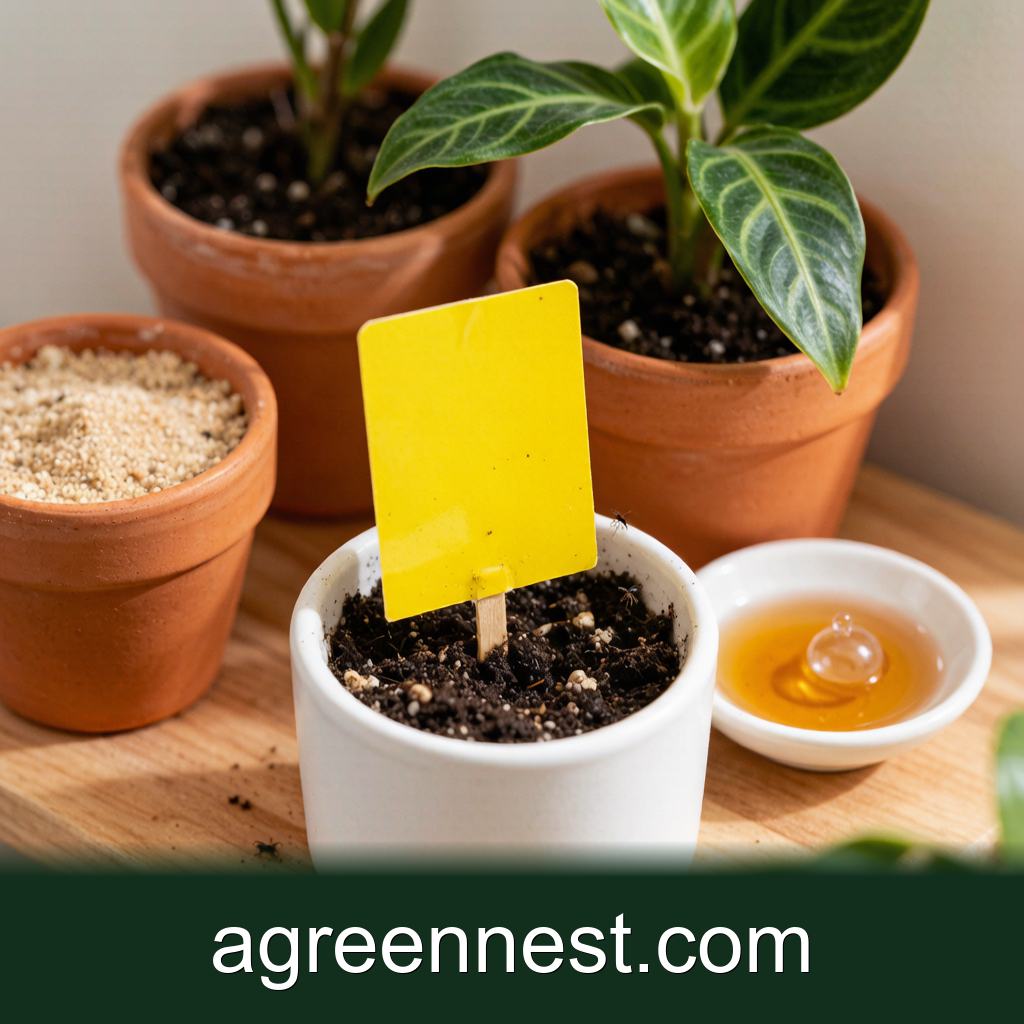
Yellow sticky cards caught the most adult fungus gnats (about 71 per plant in 14 days) but a BTI mosquito dunk in the water killed the larvae and broke the cycle. The combo that worked was one card per pot plus BTI dunk water for 3 weeks plus a 1cm sand top dressing, which cut adults over 90 percent.
Every time I watered my seedling tray, a cloud of tiny black flies lifted off the soil. They looked like fruit flies but they were fungus gnats, and the adults were just the visible tip. The damage lives in the soil, where the larvae chew fine roots. I was tired of guessing, so I ran a straight comparison across 12 infested plants to see which trap actually works.
Why Are There Fungus Gnats in My Soil?
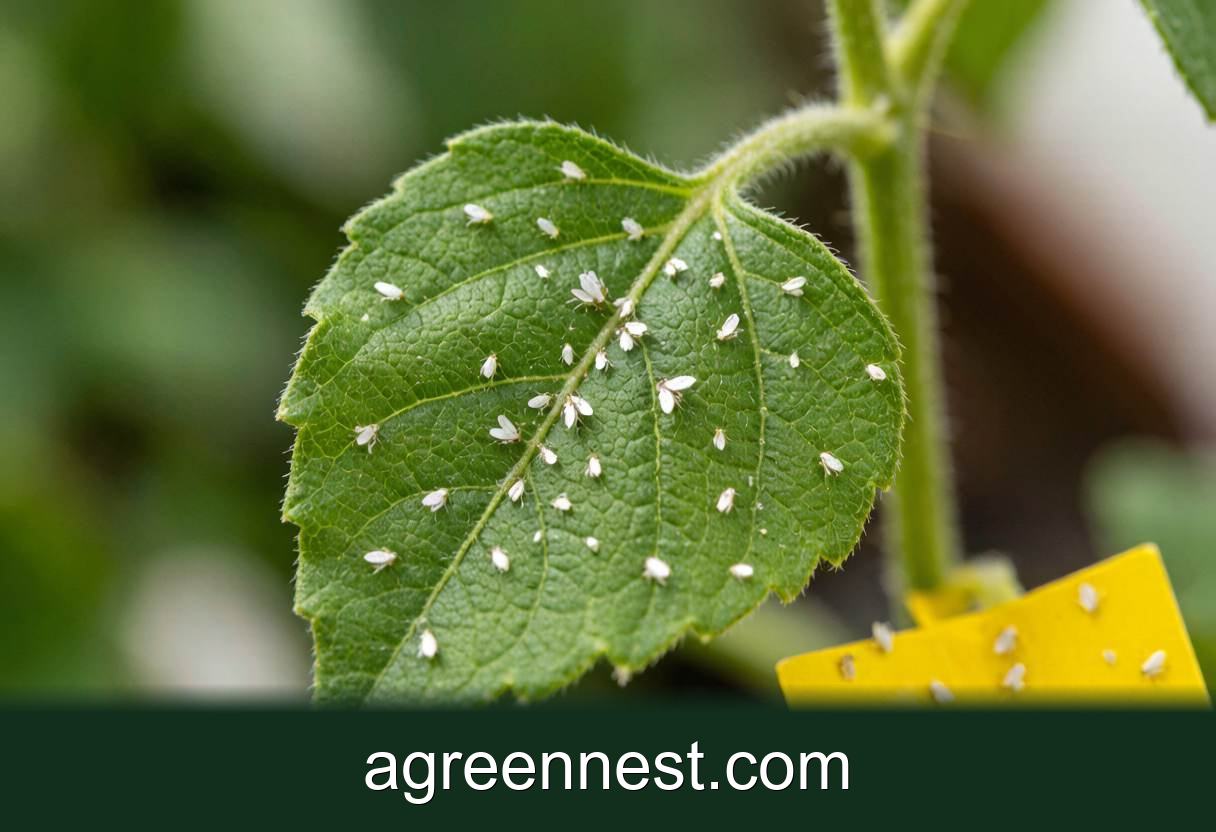
Fungus gnats (Bradysia species) breed in wet, organic potting mix. The adult is a weak flier that lives about a week; the larva is the problem, feeding on root hairs and tender seedlings for two to three weeks before it pupates. Our fungus gnat guide shows how to confirm you have them rather than shore flies. The rule that matters: wet topsoil is the whole cause, so any fix has to dry or treat that layer.
How I Set Up the 14 Day Trap Test
I picked 12 plants with active gnat populations: three pothos, three peperomia, three seedling trays, and three calathea. I split them into four groups of three and gave each group one treatment, leaving everything else the same (same room, same watering by feel every 4 to 6 days):
- Yellow sticky cards, one pinned vertically in each pot.
- Cider vinegar bowl: a shallow dish with 2cm cider vinegar plus one drop of dish soap, refreshed daily.
- BTI dunk water: every plant watered with water steeped from a Bacillus thuringiensis israelensis mosquito dunk.
- Sand top dressing: a 1cm layer of coarse horticultural sand over the soil of each pot.
For 14 days I counted adults stuck to each card and trapped in each bowl, and at days 7 and 14 I scooped a 10g soil sample from each pot and counted live larvae under a hand lens.
Which Trap Caught the Most Adults?
The yellow cards won the adult count by a wide margin.
- Yellow sticky cards: 214 adults total across the three plants, about 71 per plant in 14 days.
- Cider vinegar bowl: 58 adults total across the three plants, about 19 per plant.
- BTI dunk water: 12 adults total. BTI kills larvae, not flying adults, so a low catch was expected and is not a failure.
- Sand top dressing: 9 adults total, because females had no bare damp soil to lay eggs in.
If your only goal is to knock down the visible fly swarm, the card is the clear winner. It does nothing about the next generation, though.
Did Any Method Actually Stop the Larvae?
This is the question that decides whether the problem returns. At day 14 the soil samples told the real story:
- BTI dunk water: zero live larvae in all three pots by day 10. This broke the breeding cycle completely.
- Sand top dressing: larvae dropped about 80 percent, because adults could not reach damp mix to lay eggs.
- Yellow cards and vinegar bowl: larvae kept cycling normally. Adult catches looked great while the soil stayed full of the next wave.
So a card or a bowl controls the symptom. BTI or sand controls the cause. You need both halves.
What About the Homemade Vinegar Bowl?
The vinegar bowl caught 58 adults for the cost of a jar of cider vinegar, and it is a fine stopgap. The downsides are real: you refresh it every day, it drowns far fewer flies than a card, and it does nothing to larvae. A neem oil soil drench slows larvae but works slower than BTI in my experience, and a DIY insecticidal soap handles the leaf stage, not the soil stage. The war is won or lost in the mix, not on the leaves.
The Combo I Would Run Again
The setup that cleared my plants was layered, not a single product:
- One yellow card per pot for immediate adult knockdown.
- Water every plant with BTI dunk solution for three weeks straight.
- Top dress each pot with a 1cm layer of coarse sand so adults cannot lay.
Across the 12 plants this dropped total adult catches by over 90 percent and brought larvae to zero by day 14. Our eliminate fungus gnats routine lays out the same plan with timing. The last move is the one people skip: fix the wet soil that grew them. Use a moisture meter and let the top 3 to 4cm dry between waters, because a dry surface is a gnat free surface.
One trap is not enough. The card shows progress, BTI ends the breeding, and sand keeps new eggs out, so run all three and the gnats are gone in a fortnight. Dry soil is the real prevention, and the complete pest guide is where I would read next to keep the rest of your plants clean.
Recommended Tools for Plant Pests & Diseases Care
Free, no-signup helpers matched to this guide.
🔍 Free Tool
Pest & Problem Identifier
Pick the symptoms you see and get the likely culprit plus a fix.
Free Ebooks to Explore
Downloadable handbooks — no email required.
Free Ebook
The AGreenNest Succulent Care Handbook
The complete, beginner-to-confident guide to growing fat, happy succulents — 10 chapters and a 20-plant directory.
Free Ebook
Haworthia & Haworthiopsis Care Handbook
A focused guide to the striped, forgiving Haworthia clan.
Join the Conversation
Have a tip or a question about I Tested 4 Fungus Gnat Traps on 12 Plants? Share it below — comments are saved on our server.