 AGreenNest
Plant Care Accessories
Best Neem Oil Sprays for Plants (2026 Picks)
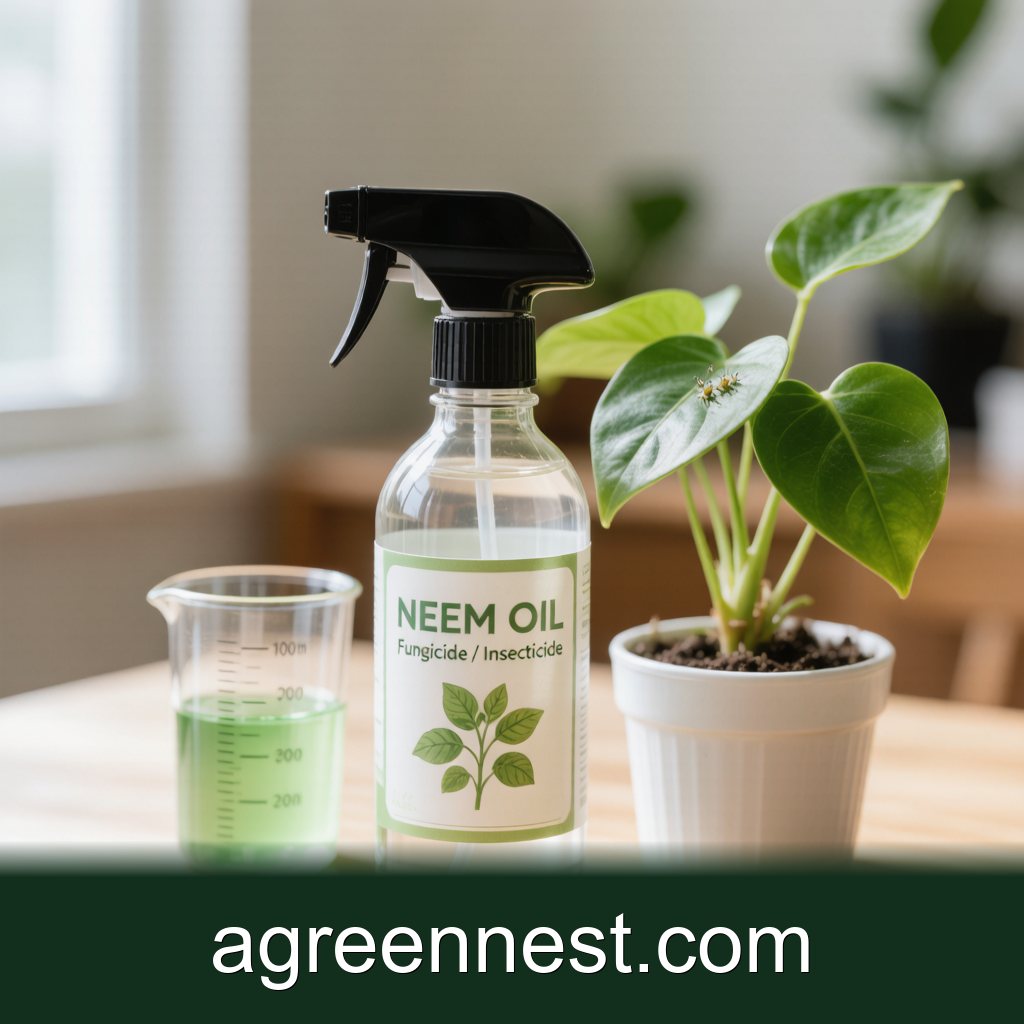
Neem oil gets blamed for every plant death and credited with curing all of them, which is a lot to put on one pressed seed. The truth sits between: it is a slow, broad pest control that works best as a routine spray, not a rescue dive. If you buy the right bottle and mix it properly, it handles aphids,…
Neem oil gets blamed for every plant death and credited with curing all of them, which is a lot to put on one pressed seed. The truth sits between: it is a slow, broad pest control that works best as a routine spray, not a rescue dive. If you buy the right bottle and mix it properly, it handles aphids, whiteflies, scale, mites, and a stretch of fungal spots without the harsh hit of synthetic sprays. Here is what to look for in 2026.
Ready-to-use versus concentrate
A ready-to-use bottle comes pre-mixed and you spray straight from the nozzle. It costs more per litre but there is nothing to measure, which suits one or two plants. A concentrate is a small bottle you dilute yourself, usually 1 to 2 teaspoons per litre of water with a drop of dish soap to help it spread. Concentrate is far cheaper per application and the only sane choice if you spray a shelf of plants every week.
The ready-to-use option is the one I hand to a beginner, because the most common neem failure is a bad mix. Too strong and it burns leaves; too weak and it does nothing. If you already fight whiteflies or scale on a fiddle leaf fig, buy concentrate and learn the ratio once.
What the label must say
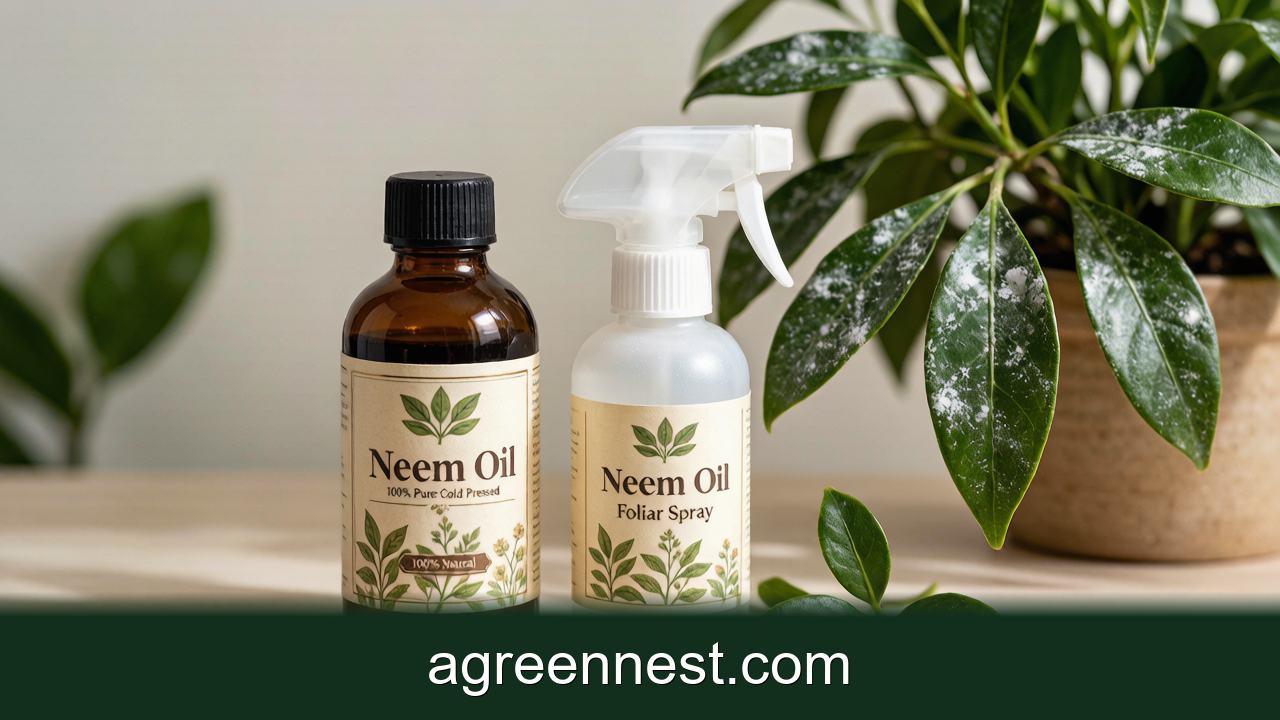
Check the label before you pay. Real neem spray lists Azadirachta indica as the source and shows an azadirachtin percentage, usually 0.5 to 2 percent in a concentrate. If the bottle just says "neem" with no azadirachtin number, it is often a cosmetic oil with little pest activity. Cold-pressed, filtered oil beats a refined clear oil, because the refining step can strip the active compounds.
Avoid anything with added pyrethrin unless you accept a harder hit on beneficial insects; for houseplants a pure neem is enough. Our common pest myths guide explains why a single product rarely solves everything, and why neem is one tool, not the whole kit.
Five picks by use (prices $9 to $34)
One or two plants, $9. A 1 litre ready-to-use spray with 0.9 percent azadirachtin. No mixing, fine for a single peace lily with the odd aphid.
First-time mixer, $14. A 240ml concentrate at 1.2 percent that makes about 24 litres. Comes with a measuring cap, which stops the weak-or-strong mistake.
Serious shelf of plants, $22. A 500ml concentrate near 2 percent azadirachtin, enough for a season of weekly sprays across twenty pots.
Powdery mildew plus pests, $28. A neem blend labelled for both mites and mildew. Useful if you also fight rust fungus on top of insects.
Organic-certified, $34. A certified concentrate for anyone who keeps edibles indoors. Costs more per litre but carries the paperwork.
Who should skip which
Skip the ready-to-use bottle if you have more than six plants, because the per-litre cost adds up fast and you will mix anyway. Skip the high-percent concentrate if you only treat one plant now and then, since a small bottle goes rancid before you finish it. Neem oil smells earthy and lingers for a day, so skip it if you plan to photograph a plant for sale the next morning.
How to apply it right
Mix in lukewarm water, add a drop of mild soap, and shake hard, because neem separates and settles. Spray the whole plant, top and bottom of every leaf, until it glistens but does not drip. Hit the stems and the soil line too. Apply in the evening or on a cloudy day, never in hot sun, because oil plus strong light scorches leaves. Repeat every 7 to 14 days for three rounds, since neem disrupts feeding and growth rather than killing on contact. If you also use insecticidal soap on the same plant, space the two by a few days so you do not coat the leaves in back-to-back films.
Buy a concentrate if you have more than a few plants, check the azadirachtin percentage, and spray in the evening on a steady weekly beat. Neem is a slow worker, not a rescue, and it pays off only with repetition. For the pests it targets, our whitefly control guide pairs well as the next read.
Recommended Tools for Plant Care Accessories Care
Free, no-signup helpers matched to this guide.
Free Ebooks to Explore
Downloadable handbooks — no email required.
Free Ebook
The AGreenNest Succulent Care Handbook
The complete, beginner-to-confident guide to growing fat, happy succulents — 10 chapters and a 20-plant directory.
Free Ebook
Haworthia & Haworthiopsis Care Handbook
A focused guide to the striped, forgiving Haworthia clan.

Join the Conversation
Have a tip or a question about Best Neem Oil Sprays for Plants (2026 Picks)? Share it below — comments are saved on our server.