 AGreenNest
Plant Care Accessories
How to Use Liquid Fertilizer Without Burning Roots
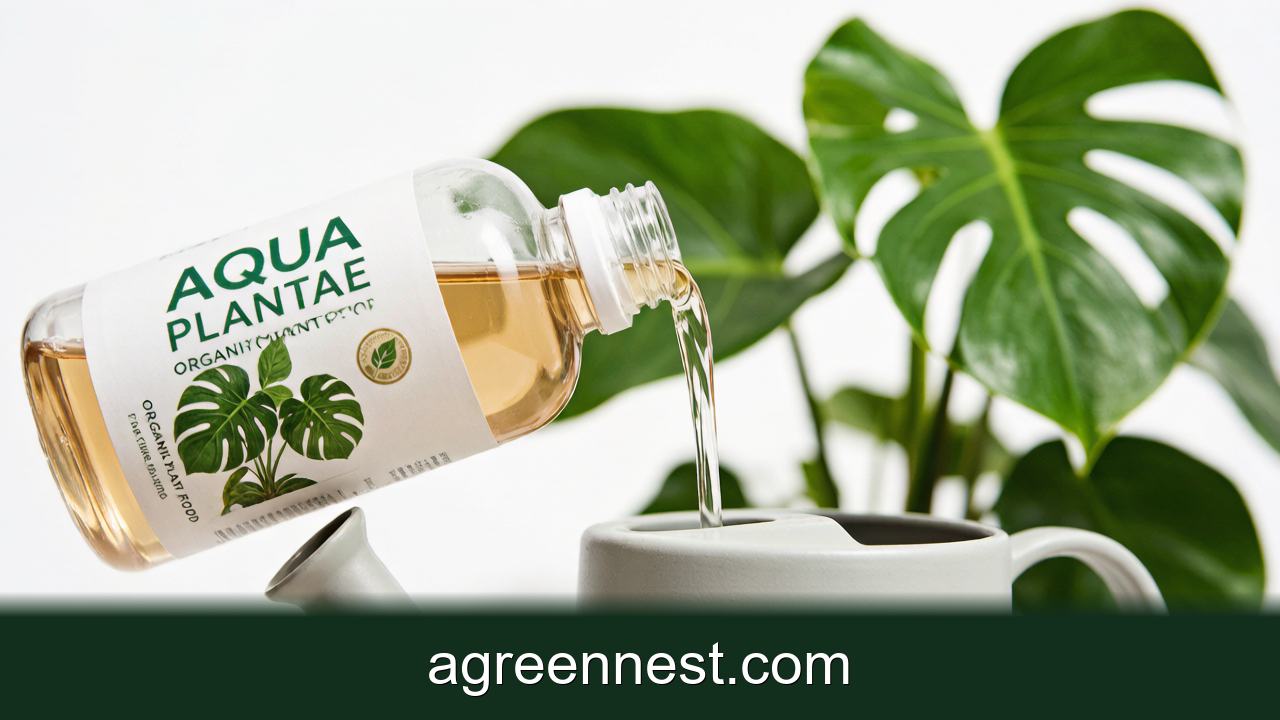
Liquid fertilizer is the easiest way to feed plants — and the easiest way to burn them. The difference between "lush growth" and "crispy roots" is almost always dilution and timing.
Here is how to use liquid fertilizer so it helps, not hurts.
Why Liquid (and Why It Burns)
Liquid feed is fast: roots absorb it within days, so you see results quickly. The flip side is that it is easy to overdo. Salts build up in the soil and draw moisture out of roots — the classic "fertilizer burn," which looks frighteningly like drought.
Our succulent fertilizing guide covers succulent-specific needs; this is the how-to for any liquid product.
The Golden Rules
1. Dilute more than the label says
Label rates assume healthy outdoor plants in big pots. For indoor houseplants, halve the recommended strength. "Weakly, weekly" beats "strongly, monthly" every time.
2. Feed only actively growing plants
Fertilize in spring and summer. In fall and winter most plants aresemi-dormant and a feed just accumulates salts. Our houseplant fertilizing basics lays out the seasonal rhythm.
3. Water first, then feed
Never pour fertilizer onto dry soil — it scorches roots. Water normally, let it soak in, then follow with the diluted feed. The moisture buffer protects the roots.
4. Flush every month or two
Run plain water through the pot until it runs clear from the drainage hole. This leaches excess salts before they build to burn levels.
How Often, by Plant
- Leafy aroids (pothos, philodendron): Every 2–4 weeks in growth season, at half strength.
- Succulents & cacti: Every 4–6 weeks, barely — they are light feeders.
- Flowering (african violets, orchids): A weak feed every 1–2 weeks while blooming.
- Ferns & calatheas: Every 2–3 weeks, weak; they are steady feeders but sensitive to salt.
Spotting Over-Fertilization
The symptoms masquerade as other problems, which is why people keep "treating" the wrong thing:
- Crispy brown leaf edges with dry-looking soil that is actually wet.
- White crust on the soil surface or pot rim (salt buildup).
- Sudden wilt despite moist soil.
- Leaf tip burn that spreads inward.
If you suspect it, our guide to over-fertilization walks the fix — usually a thorough flush and a feeding break.
Common Mistakes
Feeding in winter
The plant can't use it; salts pile up. Stop by October, resume when you see new growth in spring.
"More = better"
Double strength does not double growth; it doubles burn risk. Stay weak.
Ignoring the watering step
Dry-root feeding is the fastest route to scorch. Always pre-water.
Using it on stressed plants
A plant fighting pests or rot should not also fight fertilizer. Hold feeds until it recovers.
A Simple Routine
- April–September: weak liquid feed every 2–4 weeks for most plants.
- Always pre-water, then feed.
- Monthly flush with plain water.
- October–March: no feed (or once, very weak, only for active bloomers).
Frequently Asked Questions
Q: Can I mix fertilizer into the watering can permanently?
A:
Not ideal — it encourages overfeeding and the mix goes stale. Mix fresh each time at half the label rate.
Q: My leaf tips are browning. Is it fertilizer or water?
A:
If soil is moist yet the plant wilts or crisps, suspect fertilizer burn. Dry soil points to underwatering. Our over-fertilization guide helps you tell them apart.
Q: Is liquid better than slow-release granules?
A:
Liquid gives precise control and is safer for sensitive plants if you dilute. Granules are convenient but easy to over-apply; for beginners, weak liquid is the safer teacher.
Q: Do succulents even need fertilizer?
A:
Lightly. A half-strength feed every month or two in summer is plenty; they are built for poor soil.
Q: How do I fix burned roots?
A:
Flush the pot thoroughly with plain water, stop feeding, and let the plant recover. Trim only dead material. See the dedicated over-fertilization guide.
Liquid fertilizer rewards restraint: dilute, feed only in growth, and flush often. Pair that habit with our succulent fertilizing guide and you will get the growth without the burn. For the rest of the toolkit, browse all of our accessories guides, and if a plant is already showing scary symptoms, start with over-fertilization fixes.
Recommended Tools for Plant Care Accessories Care
Free, no-signup helpers matched to this guide.
Free Ebooks to Explore
Downloadable handbooks — no email required.
Free Ebook
The AGreenNest Succulent Care Handbook
The complete, beginner-to-confident guide to growing fat, happy succulents — 10 chapters and a 20-plant directory.
Free Ebook
Haworthia & Haworthiopsis Care Handbook
A focused guide to the striped, forgiving Haworthia clan.
Join the Conversation
Have a tip or a question about How to Use Liquid Fertilizer Without Burning Roots? Share it below — comments are saved on our server.