 AGreenNest
Low-Light Indoor Plants
Chinese Evergreen (Aglaonema) Care Guide
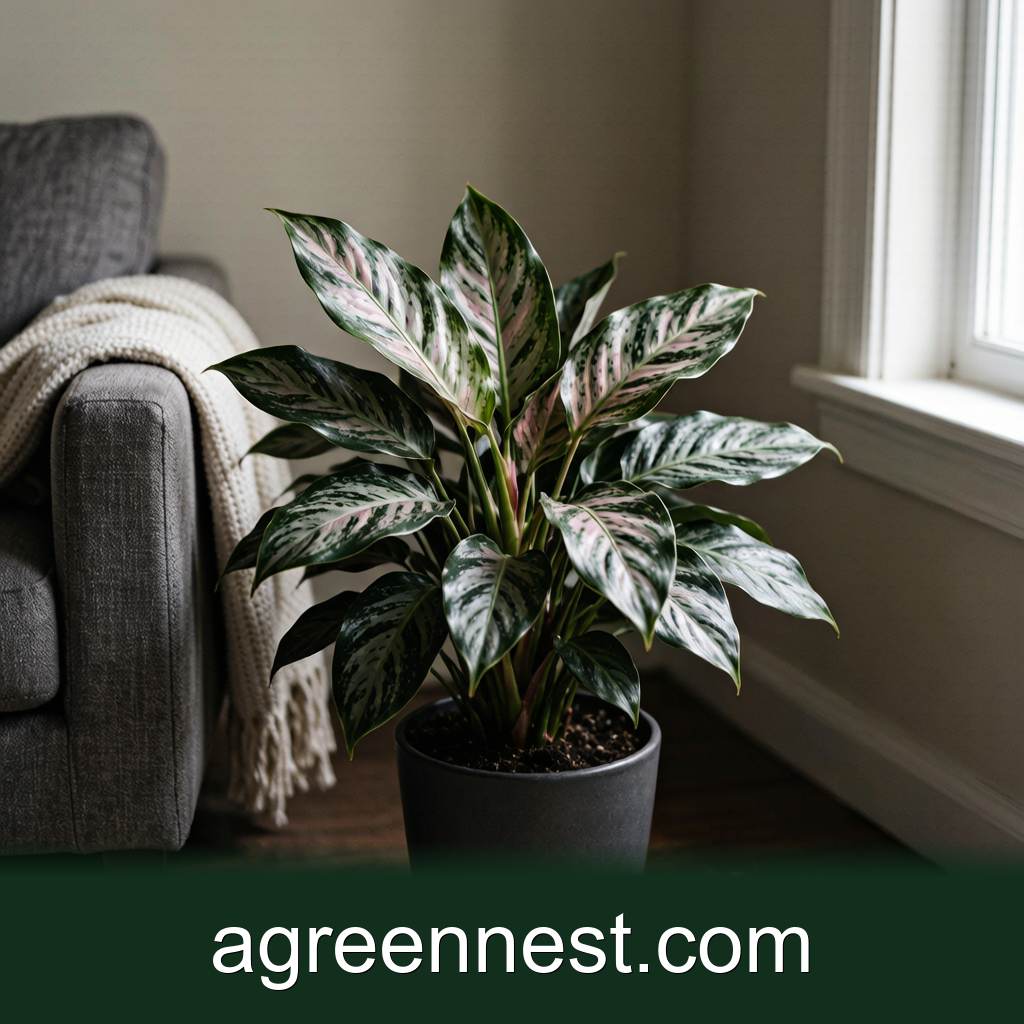
Chinese Evergreen (Aglaonema) wants bright indirect to low light, water when the top 3 to 4cm of soil dries (every 7 to 10 days in summer), and humidity above 40 percent. Keep it above 15°C, feed monthly in spring and summer, and avoid direct sun, which scorches the leaves.
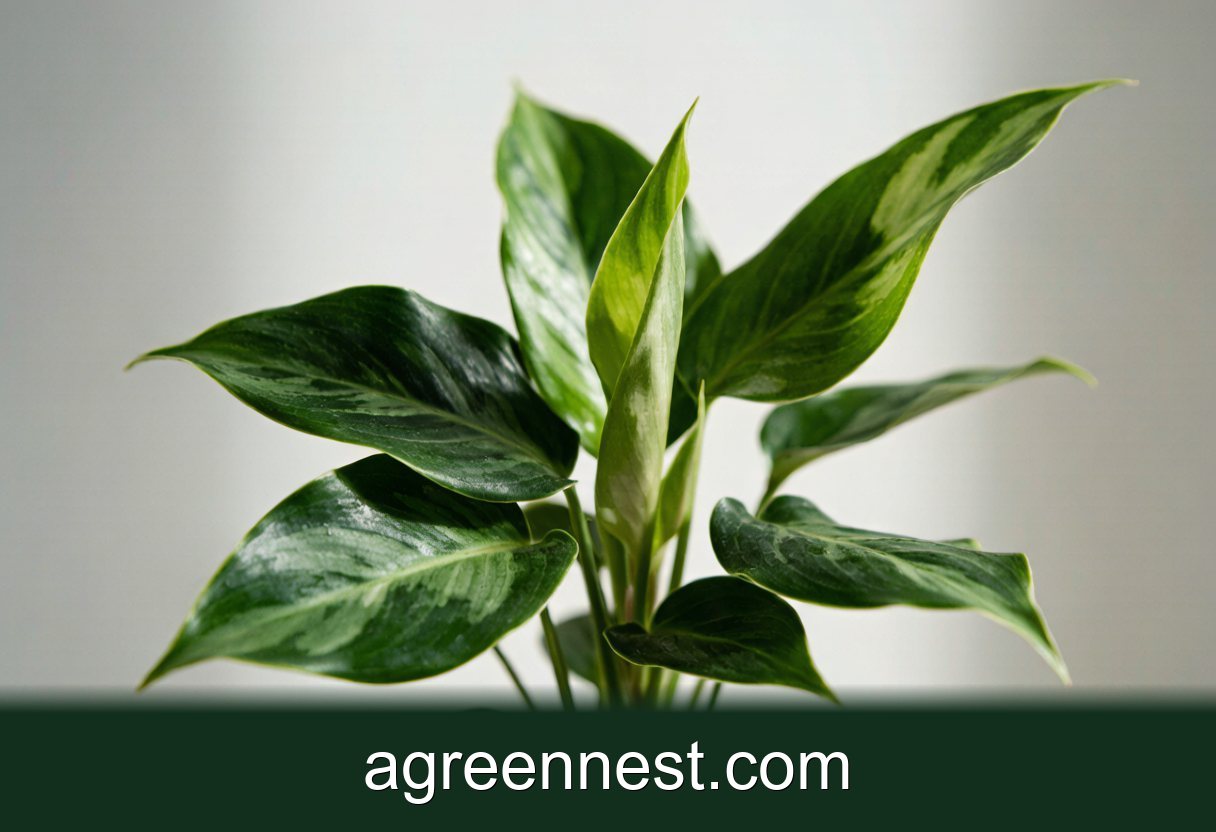
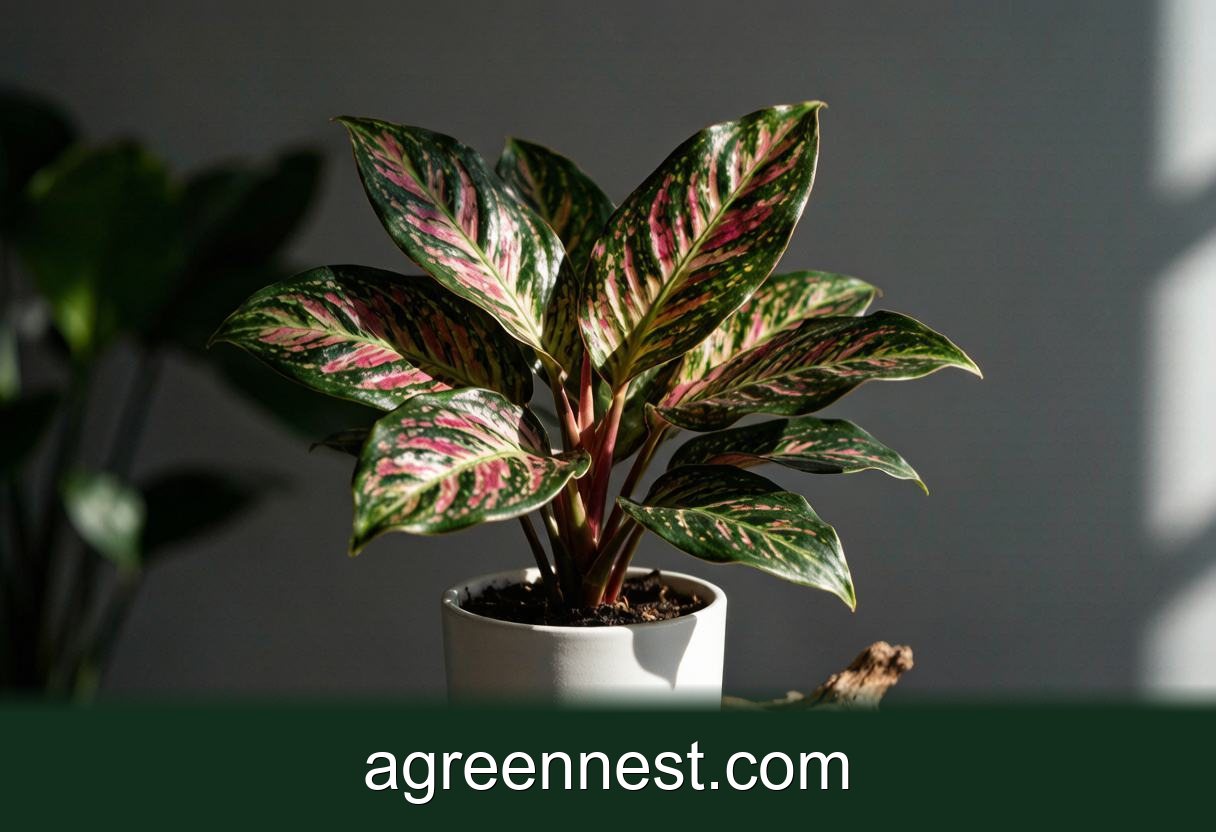
Most houseplants sulk the moment you move them two feet from a window. Aglaonema shrugs. This is the plant I hand to anyone who says they have a dim flat and a history of crispy leaves, because few foliage plants hold their colour in a north facing room the way a Chinese Evergreen does. The patterned leaves, speckled in silver, pink, or red depending on the variety, sit on short stems and ask for less light than almost anything else in the trade.
Where Aglaonema comes from
Aglaonema grows on the forest floor in the Philippines and Borneo, under a canopy that filters the sun to a green gloom. That shade ancestry is why it tolerates a corner where a pothos would stretch and a snake plant would merely survive. In the wild it stays low and leafy, pushing new spears of foliage straight up through the litter. Give it that same dim, warm, humid feel and it will look after itself for years.
How much light does a Chinese Evergreen need?
Bright indirect light is the sweet spot, but Aglaonema is one of the few plants that stays healthy in low indirect light too. A north or east window is ideal. It will even cope with a room that gets no direct sun, provided it is not pitch black. What it will not take is direct afternoon sun, which bleaches and scorches the leaves within days.
If your room is genuinely dark, run a grow light for 10 to 12 hours a day about 30cm above the plant. The pink and red cultivars need a little more light to keep their colour than the plain green types. Our low light houseplant list ranks where Aglaonema sits against the other dim corner candidates.
How often should I water a Chinese Evergreen?
Water when the top 3 to 4cm of soil feels dry, which works out to every 7 to 10 days in summer and every 2 to 3 weeks in winter. Aglaonema stores some water in its stems, so it rides out a missed watering better than a fern, but it hates sitting in a soggy pot. If the leaves droop and the soil is wet, you have gone too far the other way.
The trap is the calendar. A fixed Monday splash in a cool room leads to yellow, soft lower leaves and eventually root rot. Feel the soil instead. Our indoor watering guide explains the finger test that keeps the schedule honest, and a moisture meter removes the guesswork entirely.
Soil, pot, and humidity
Use a peat free potting mix with added perlite, about 3 parts mix to 1 part perlite, so water moves through but the roots stay lightly moist. A terracotta pot is fine but not required; Aglaonema is happy in plastic as long as there is a drainage hole.
Humidity is where it shows its tropical side. Aim for 40 percent or higher. Below 30 percent the leaf tips brown and new leaves may split as they unfurl. A pebble tray or a small humidifier near the plant fixes this; grouping it with a peace lily or ZZ plant raises the local humidity too.
What temperature and food does it want?
Keep Aglaonema above 15°C year round and away from cold drafts and open windows in winter. Below 10°C the leaves blacken at the edges and the plant stalls. Normal room temperature, 18 to 24°C, suits it perfectly.
Feed once a month in spring and summer with a balanced houseplant fertiliser at half strength. Stop in winter. Our fertilising basics covers the dilution that stops the salt build up that browns leaf tips. Aglaonema is a light feeder, so less is genuinely better than more.
Why are my Aglaonema leaves turning yellow?
The usual cause is overwatering. If the lower leaves yellow and the soil is damp, cut watering and let the top layer dry out. If the yellowing starts at the tips with brown, dry edges, the air is too dry or the plant is too close to a heater. Raise humidity and move it off the radiator shelf.
Pale, washed out new leaves point to too little light, which is rare indoors but happens in a windowless office. Add a grow light or move the plant closer to a window. If you see sticky residue or tiny webs, the symptoms overlap with the ones in our low light overwatering signs page, so check both before you act.
Frequently Asked Questions
Is Aglaonema safe around cats and dogs?
No, it is toxic if chewed, like many aroids, and causes mouth irritation and drooling. Keep it on a shelf or plant stand away from pets that nibble foliage.
Can I grow Chinese Evergreen in just water?
Yes, for a while. Cut a stem with a node and root it in a jar of water, then change the water weekly. It will grow leaves but stays smaller than a soil plant, and you must add a drop of hydroponic feed to keep it green long term.
Why are the new leaves smaller than the old ones?
Usually not enough light or not enough food during the growing season. Move it brighter and resume monthly feeding in spring, and the next spears should size back up.
My plant flowered. Is that good or bad?
It is normal on a mature, happy plant, a creamy spathe much like a peace lily bloom. It costs the plant little. You can cut it off if you find it ugly; it does not hurt to leave it.
Should I wipe the leaves?
Yes, once a month with a damp cloth. The broad leaves collect dust that blocks light, and a clean leaf photosynthesises better in a dim room.
How big does Aglaonema get indoors?
Most stay 30 to 60cm tall and wide in a pot, though some tall types reach 90cm. Repot every 2 to 3 years into a pot one size up, not a huge one, to avoid wet soil around few roots.
Aglaonema suits a low light home because it stays colourful where other plants fade, and it shrugs off the odd missed watering. Give it indirect light, water by feel, and keep the air from going bone dry, and the silver and pink leaves will carry a dim room for years. If you want the next easy step up, the complete low light plant guide points to the other dependable candidates.
Recommended Tools for Low-Light Indoor Plants Care
Free, no-signup helpers matched to this guide.
Free Ebooks to Explore
Downloadable handbooks — no email required.
Join the Conversation
Have a tip or a question about Chinese Evergreen (Aglaonema) Care Guide? Share it below — comments are saved on our server.