 AGreenNest
Plant Styling & Display
Styling a Bedroom Plant Corner That Helps You Sleep
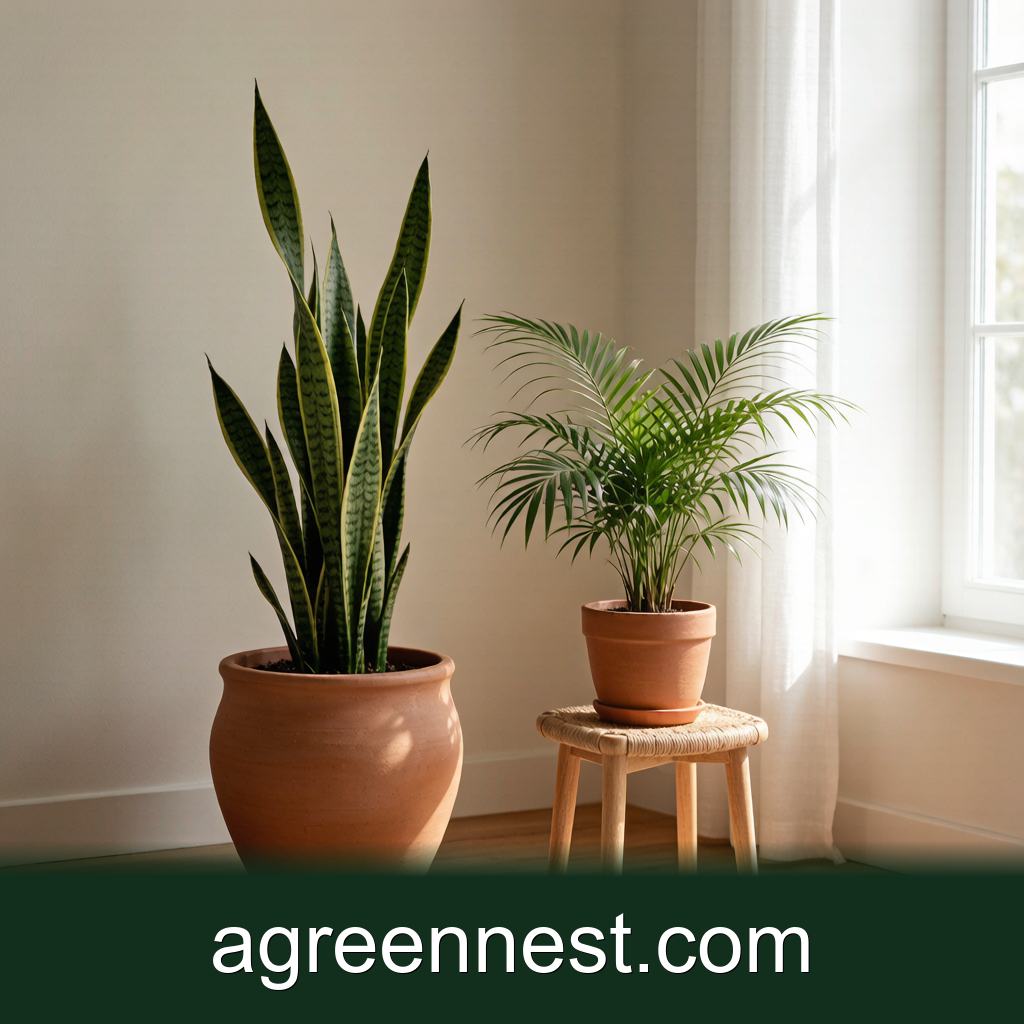
A bedroom is the one room where plants do almost nothing useful and everything emotional. They will not clean your air in any measurable way overnight, and most of them sit in dim evening light for ten hours straight. What they do is change how the room feels the second you walk in tired, and that is worth getting right. The trick is styling for calm and low light at the same time, because a bedroom gives you both demands at once.
Start with one calm corner, not a jungle
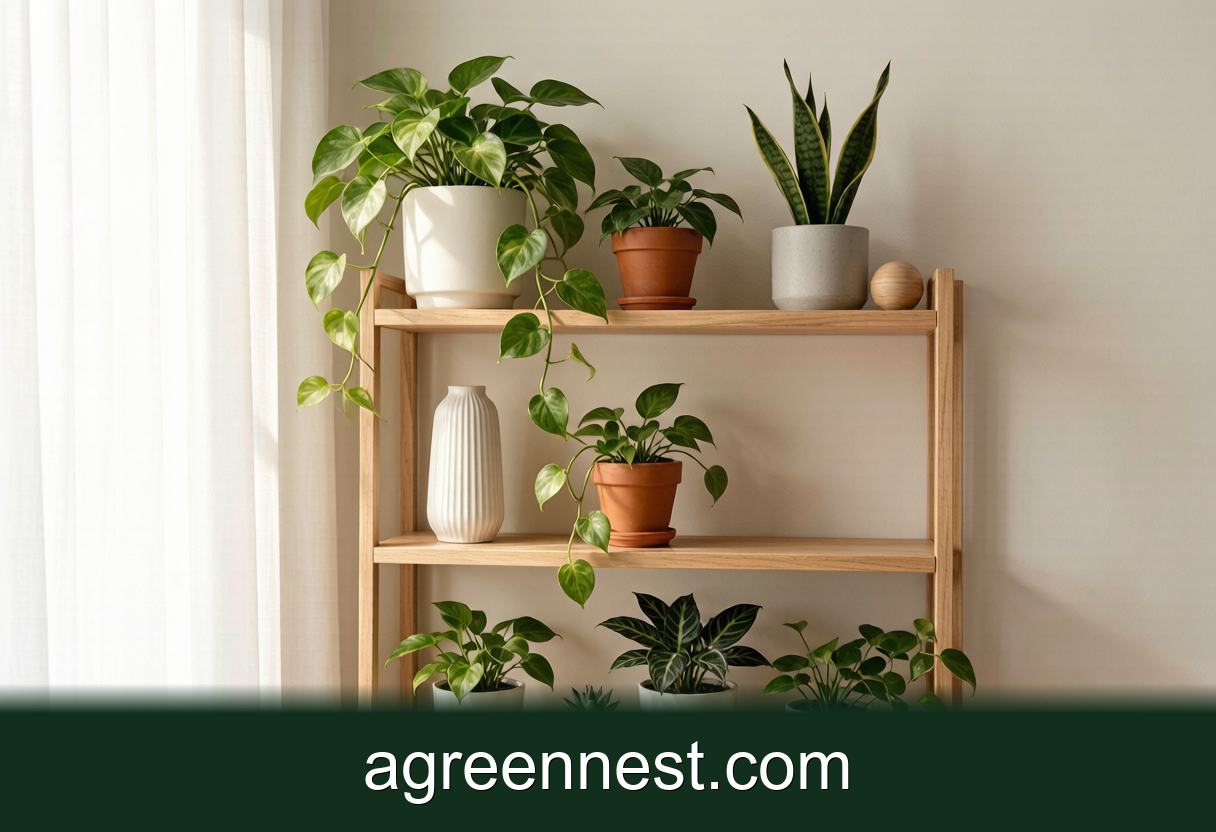
The mistake I see most is scattering a plant on every surface until the room reads as a greenhouse that happens to have a bed. Pick one corner and build a small group there. A corner near a window, even a modest one, gathers the eye and tells the brain this is the green spot. Everything else stays clear, and the room breathes.
A good first group is three plants of different heights: a floor specimen about 90 to 120cm, a mid shelf plant around 30cm, and a small one you can move. The height steps create a shape without filling the room. If your only light is a north or east window, the best low-light houseplants list is where to shop, because a sun-lover will sulk here and then you have spent money on a declining leaf.
Choose species that forgive evening dimness
Bedrooms are dark for half the day and people expect plants to cope. A few genuinely do.
- Sansevieria (snake plant) sits in a dim corner and asks little. Ours covers the snake plant care guide in detail, but the styling point is that its upright blades read as architecture, not clutter.
- Zamioculcas zamiifolia (ZZ plant) tolerates a corner with no direct sun and stays glossy. The ZZ plant guide notes it wants water only every two to three weeks, which suits a room you are not watching daily.
- Spathiphyllum (peace lily) lifts the whole corner with white spathes and droops dramatically when thirsty, a useful signal in a room you might forget.
- Chamaedorea elegans (parlour palm) softens a hard corner with fine fronds and handles the low, indirect light a bedroom provides.
Skip anything labeled a "bright light" plant unless the window is genuinely sunny. A stretching, pale leaf in a bedroom looks more neglected than no plant at all.
The three layout mistakes
Mistake one: plants on the nightstand. A nightstand is for a book and a glass of water. A plant there gets knocked, watered by accident, and blocks the lamp. Keep the bedside clear.
Mistake two: a single lonely plant in a huge room. One small pot in a large bedroom looks lost, not styled. Either cluster three in a corner or skip it. Lonely plants read as an afterthought.
Mistake three: matching pots that are too busy. Three patterned, clashing pots fight each other. Pick one calm material, matte terracotta or a soft stone grey, and let the foliage be the color. The plant grouping rules explain why odd numbers and one repeat texture settle a display.
Light and safety near the bed
Keep plants off the pillow side of the bed so fallen leaves or a tipped pot never land on you at 2am. A trailing plant on a high shelf above the headboard is a poor idea, because Epipremnum and Philodendron vines drop and tangle in hair. Put trailers on a shelf across the room instead, where the trailing plants for shelves guide shows the safe hang height.
If pets share the bed, check toxicity before you buy. The pet-safe houseplants list flags the calm choices that will not poison a cat that decides the peace lily is lunch.
A simple plan you can copy
Corner by the window: a 100cm ZZ or snake plant on the floor, a 30cm parlour palm on a low stool beside it, and a small pothos on the windowsill. One terracotta tone across all three pots. Nothing on the nightstands, nothing above the bed. That is a styled bedroom corner, and it takes five minutes to arrange once the plants are home.
If the room is tight, drop to two plants and use vertical space. The reading nook plant corner guide has a smaller layout that works in a bedroom too.
Frequently Asked Questions
Q: Will plants in my bedroom drop the temperature or raise humidity enough to notice?
A:
A few houseplants shift humidity by a couple of percent at most, not enough to feel. Their effect is visual and psychological, not climate control.
Q: Is it true plants steal oxygen at night and hurt sleep?
A:
Plants respire at night, but the amount of oxygen a bedroom full of houseplants uses is trivial next to what you breathe. It will not affect your sleep.
Q: My bedroom has no window at all. What then?
A:
Grow lights on a timer, 10 to 12 hours a day, are the only honest answer. Without them a snake plant will survive dimly for months but will not thrive or look good.
Q: Which plant is safest on a toddler's bedroom shelf?
A:
A high shelf with a ZZ plant or snake plant, both non-toxic and tough, out of reach. Avoid anything a child could pull down on themselves.
Q: How do I stop the corner looking bare in winter when growth slows?
A:
Choose evergreen, slow types (snake plant, ZZ, parlour palm) that look the same in January as in June, and add one ceramic object or a small lamp so the corner has interest even if the plants pause.
A bedroom plant corner works when it calms the room instead of crowding it. One group, three heights, one pot color, and nothing near the pillow. Start with a low-light houseplant that fits your light and let the styling stay quiet. The plants will do the rest while you sleep.
Recommended Tools for Plant Styling & Display Care
Free, no-signup helpers matched to this guide.
Free Ebooks to Explore
Downloadable handbooks — no email required.
Free Ebook
The AGreenNest Succulent Care Handbook
The complete, beginner-to-confident guide to growing fat, happy succulents — 10 chapters and a 20-plant directory.
Free Ebook
Haworthia & Haworthiopsis Care Handbook
A focused guide to the striped, forgiving Haworthia clan.
Join the Conversation
Have a tip or a question about Styling a Bedroom Plant Corner That Helps You Sleep? Share it below — comments are saved on our server.