 AGreenNest
Plant Care Accessories
Best Indoor Plant Fertilizers for 2026

Most houseplants die from too much love, and fertilizer is the easiest way to over-love them. The right bottle makes feeding boring and safe. The wrong one burns roots in a single weekend.
After testing a shelf of concentrates and ready-to-use mixes on pothos, calatheas, succulents, and a few hydro buckets, these are the five I would actually buy in 2026, grouped by what they do best. Full feeding basics live in fertilizing houseplants if you want the why before the what.
What the numbers on the box mean
That N-P-K ratio (nitrogen, phosphorus, potassium) decides the job. High nitrogen (the first number) pushes leafy growth, which is what most foliage plants want. A near-even mix like 10-10-10 is the safe all-rounder. Succulents and cacti want low nitrogen, around 2 to 4 percent, because too much makes them soft and stretchy.
The form matters more than the brand. Liquids you dilute give you control and are hard to overdose if you follow the label. Slow-release granules feed for months but you cannot dial them back once applied.
The five fertilizers worth buying in 2026
1. Gentle balanced liquid (NPK around 3-1-2 or 10-10-10)
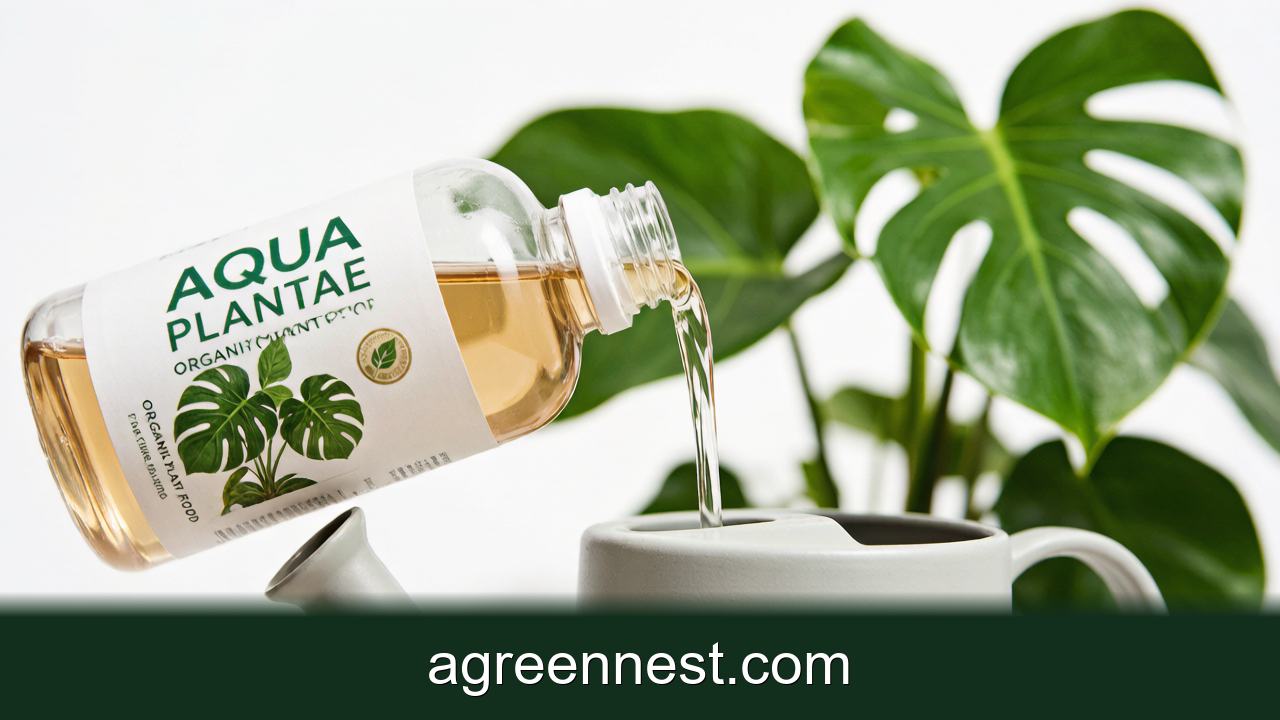
Best for: pothos, philodendrons, peace lilies, ferns. A quarter-strength dose every two to four weeks in spring and summer is all they need. I use this on the majority of my collection. Start from using liquid fertilizer correctly so you do not eyeball the cap.
2. Cactus and succulent feed (low nitrogen, around 2-4-2)
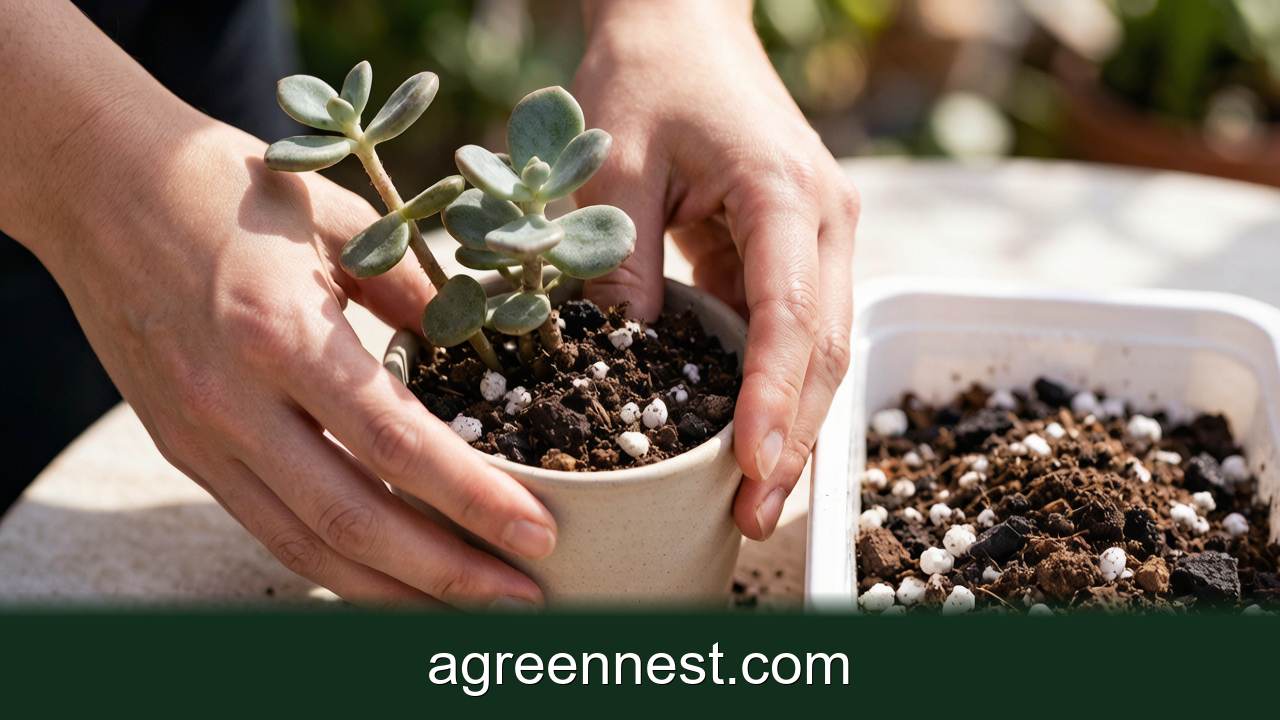
Best for: anything fleshy. This keeps Echeveria and Haworthia compact instead of leggy. Apply at quarter strength monthly in the growing season only, never in winter when the plant is dormant. The safe succulent method explains the dormant-season pause.
3. Organic worm-castings tea
Best for: gardeners who forget schedules. It is mild, slow, and almost impossible to burn with. Steep a handful in water for a day and use it in place of one normal watering every few weeks. Smells earthy for an hour, then clears.
4. Hydroponic A+B concentrate
Best for: any recirculating or passive water system. You mix part A and part B separately (never together in concentrated form or they lock up), then add to water at 1.0 to 1.6 mS/cm EC. The hydroponic nutrients guide gives the exact mixing order I follow.
5. Slow-release indoor spike or granule (NPK around 6-12-6)
Best for: someone who waters on autopilot and forgets to feed. One application lasts three to four months. The risk is you cannot stop it midway, so skip it for plants you are already overwatering, because the combined moisture and feed can rot roots.
How to not burn your plants
The rule that saves more plants than any product: half the label dose, twice as often, only in the growing season. A plant putting out new leaves can use food. A plant that is dormant, stressed, or freshly repotted should get none for a month. Water the soil first, then feed, so concentrated liquid never hits dry roots.
If you are unsure whether the plant even needs food, the indoor watering guide will tell you more about plant health than any bottle will.
Matching fertilizer to plant type
- Trailing foliage (pothos, philodendron): balanced liquid, quarter strength.
- Succulents and cacti: low-nitrogen cactus feed, monthly in season.
- Flowering (peace lily, kalanchoe): slightly higher phosphorus, like a 10-15-10.
- Hydroponic: A+B concentrate at measured EC, never soil fertilizer.
- Forgetful owner: slow-release spike, set a phone reminder for the next season.
Pick by plant, not by marketing. A balanced liquid for the foliage, a low-nitrogen feed for the succulents, and an A+B concentrate if you run water systems covers almost every home. If you want the feeding calendar spelled out by species, the houseplant fertilizing basics is where I would start before buying anything.
Recommended Tools for Plant Care Accessories Care
Free, no-signup helpers matched to this guide.
Free Ebooks to Explore
Downloadable handbooks — no email required.
Free Ebook
The AGreenNest Succulent Care Handbook
The complete, beginner-to-confident guide to growing fat, happy succulents — 10 chapters and a 20-plant directory.
Free Ebook
Haworthia & Haworthiopsis Care Handbook
A focused guide to the striped, forgiving Haworthia clan.
Join the Conversation
Have a tip or a question about Best Indoor Plant Fertilizers for 2026? Share it below — comments are saved on our server.