 AGreenNest
Plant Care Accessories
Best Insecticidal Soaps for 2026 (Tested Picks)
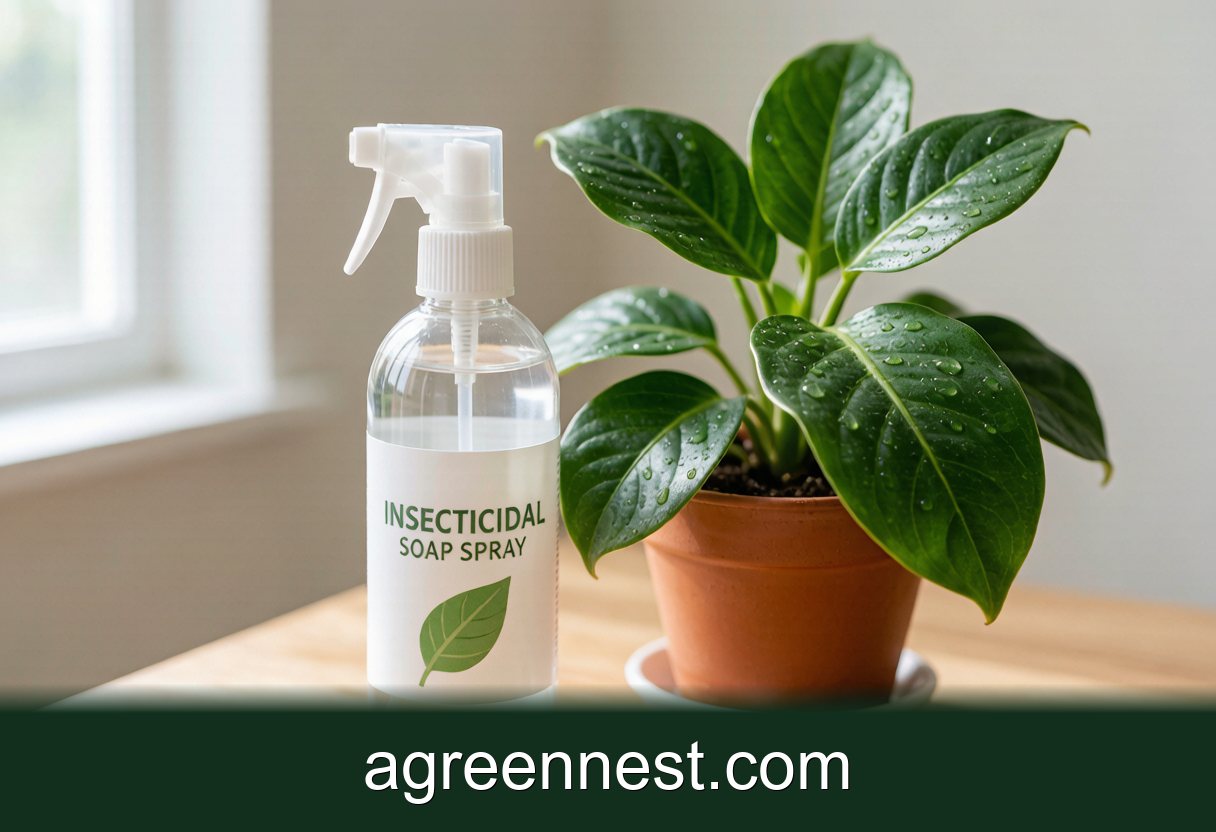
Insecticidal soap is potassium salts of fatty acids that dissolve the outer coat of soft-bodied pests like aphids, mealybugs, and spider mites on contact. For 2026, buy a ready-to-use bottle for small collections or a concentrate for many plants, check for 1 to 2 percent potassium salts, and spray leaf undersides until dripping every 5 to 7 days.
I found a mealybug colony on a string of pearls last spring, wiped it with the wrong spray, and burned half the strands. The soap I grabbed was a dish detergent, not an insecticidal soap, and the degreasers in it stripped the plant's waxy skin. A proper insecticidal soap fixed the infestation in three sprays without a single scorched leaf. The difference is the formula, and it is worth knowing before you buy.
What does insecticidal soap actually do?
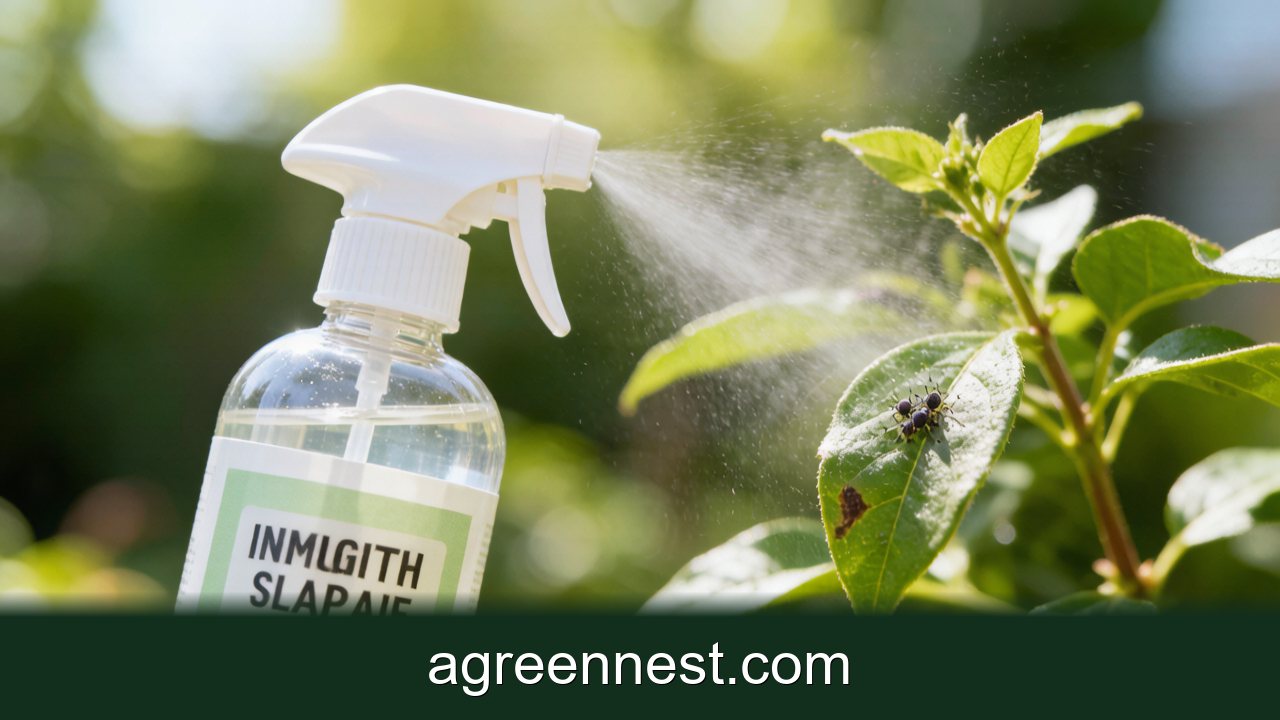
Insecticidal soap is made from potassium salts of fatty acids. When you spray it directly onto a soft-bodied pest, it breaks down the waxy outer layer and the cell membranes underneath, so the insect dries out and dies within minutes. It only works on contact and only on soft bodies: aphids, mealybugs, spider mites, thrips larvae, whiteflies, and scale crawlers.
Once the spray dries, it has almost no effect, which is why it is safe for beneficial insects that arrive later and why you have to hit the pest directly. It does nothing to hard-shelled adult scale or to eggs, so timing and repeat sprays matter more than brand. Our houseplant pest guide covers which pest you are actually dealing with before you spray.
Which numbers on the label matter?
Three things separate a soap that works from a bottle of scented water:
- Active ingredient. Look for "potassium salts of fatty acids" at 1 to 2 percent in a ready-to-use bottle. Below 0.5 percent it is too weak; above 2 percent it raises the burn risk on tender leaves.
- No added fragrance or degreasers. Dish soap and "castile plus essential oil" blends strip cuticles and cause the leaf damage I described above.
- Ready-to-use versus concentrate. A ready-to-use trigger bottle is pre-diluted and fine for a shelf of plants. A concentrate makes many litres for a big collection and costs far less per spray.
Skip anything that lists "may harm plants" without a dilution chart. A trustworthy label tells you the exact ratio and the plants to avoid.
Which plants get damaged by soap?
Soap burns some species even at the right dilution. Ferns, succulents with a heavy farina coat, sweet peas, and some palms react with brown spotting. Test one leaf, wait 24 hours, and check before you spray the whole plant. Rinse the leaves with plain water an hour after spraying on sensitive species to lift the residue.
Never spray in direct sun or above 30C. The film plus heat cooks the leaf. Early morning or evening, out of direct light, is the safe window.
Best insecticidal soaps by use (2026 shortlist)
- Small collection, ready-to-use: a 750ml trigger bottle of 1 percent potassium-salt soap, about $9 to $14. Grab-and-spray for a handful of plants.
- Large collection, concentrate: a 500ml concentrate that makes 20 to 40 litres, $16 to $24. Cheapest per spray by far.
- Mealybug and scale focus: a soap plus a small brush and 70 percent isopropyl dabber, since scale crawlers hide in leaf joints the spray misses.
- Pet-friendly homes: a fragrance-free potassium-salt soap, which dries to almost nothing and is one of the safer options in our pet-safe pest control notes.
- DIY backup: pure potassium soap flakes you dilute yourself, for growers who spray weekly and want full control of the ratio.
Avoid the "3-in-1" bug-disease-mite sprays that bundle a fungicide and an oil. The mix raises the burn risk and you rarely need all three at once.
How often should I spray to clear an infestation?
Once is never enough, because soap does not touch eggs. Spray leaf undersides and stems until they drip, then repeat every 5 to 7 days for three rounds. That schedule catches the crawlers that hatch after the first spray. For a fast-breeding pest like spider mites, drop to every 4 days and add humidity, since mites thrive in dry air.
Isolate the plant while you treat it so the pest does not walk to a neighbour. A new plant should sit apart for two weeks anyway; our quarantine routine explains why that stops most outbreaks before they start.
Frequently Asked Questions
Can I just use dish soap and water instead?
You can, but it is a gamble. Dish detergents contain degreasers and fragrances that strip the leaf's protective wax and cause brown spotting. A dedicated potassium-salt soap is formulated to kill the pest without harming the cuticle, and it costs only a few dollars more.
Will insecticidal soap kill spider mite eggs?
No. It only kills what it contacts while wet, and eggs survive. That is why you repeat every 4 to 7 days for three rounds, so each spray catches the newly hatched mites before they lay again.
Is it safe to spray on my herbs and vegetables?
Yes, insecticidal soap is one of the few sprays labelled for edibles right up to harvest. Rinse the leaves before eating and follow the bottle's dilution exactly.
My leaves went brown after spraying. What happened?
Likely a too-strong mix, a sensitive species, or spraying in sun or heat. Rinse the plant, move it out of direct light, and next time test one leaf first and spray in the cool of the morning.
How is soap different from neem oil?
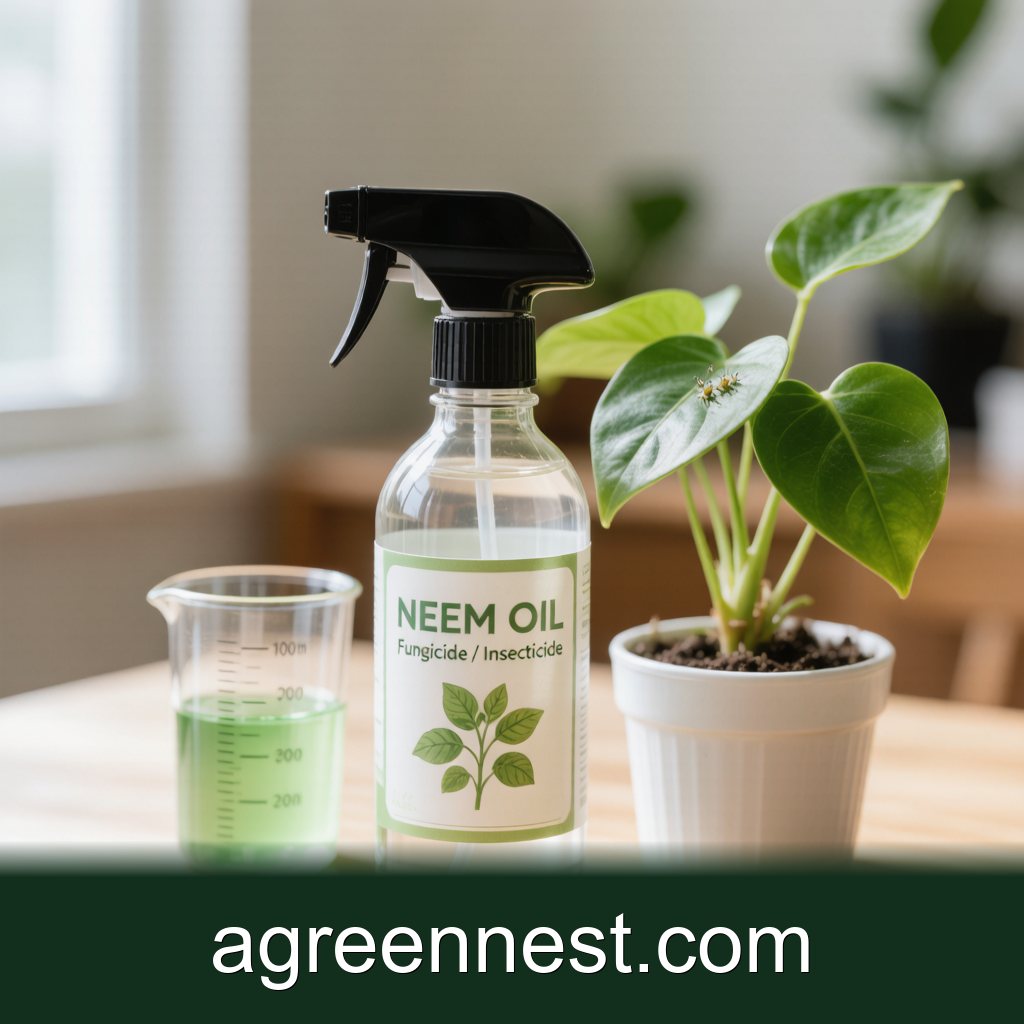
Soap kills on contact and clears fast; neem works slower and disrupts feeding and moulting over days. Many growers spray soap for a quick knockdown, then follow with neem oil to break the breeding cycle.
Buy one ready-to-use potassium-salt soap for small collections or a concentrate if you grow at scale, check for 1 to 2 percent active salts and no fragrance, and spray undersides every 5 to 7 days for three rounds. Pair it with a pest identification check so you treat the right bug from day one.
Recommended Tools for Plant Care Accessories Care
Free, no-signup helpers matched to this guide.
Free Ebooks to Explore
Downloadable handbooks — no email required.
Free Ebook
The AGreenNest Succulent Care Handbook
The complete, beginner-to-confident guide to growing fat, happy succulents — 10 chapters and a 20-plant directory.
Free Ebook
Haworthia & Haworthiopsis Care Handbook
A focused guide to the striped, forgiving Haworthia clan.
Join the Conversation
Have a tip or a question about Best Insecticidal Soaps for 2026 (Tested Picks)? Share it below — comments are saved on our server.