 AGreenNest
Plant Care Accessories
Best Terracotta Pots for 2026 (and What to Skip)
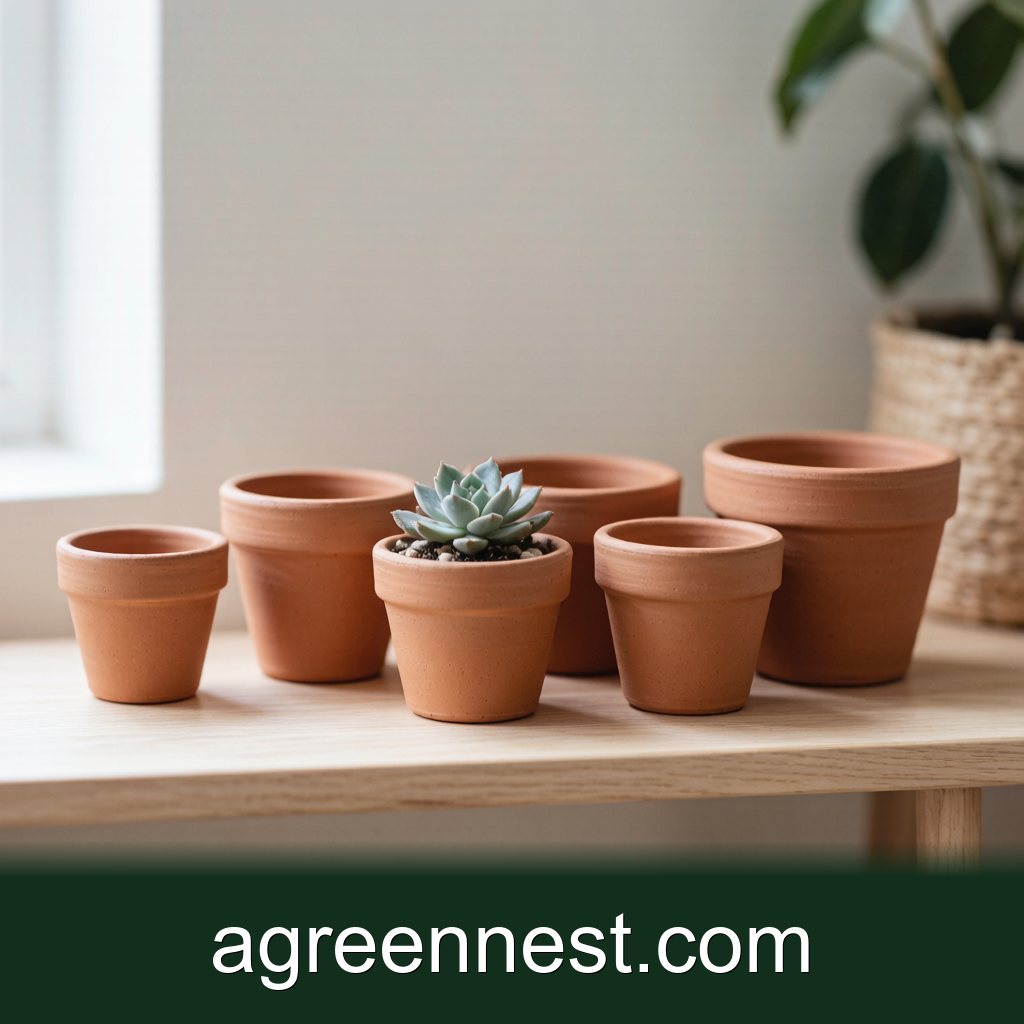
Terracotta pots are unglazed clay that pulls excess water out through the walls, so the soil dries faster and roots rot less. For 2026, buy pots with a drainage hole, a matching saucer, frost-proof clay, and walls at least 6mm thick. Size the pot to the plant's root ball, not its leaves.
I almost threw out a fiddle leaf fig before I realised the plastic pot was the problem. The soil stayed wet for two weeks after a normal watering, the roots sat in mud, and the leaves dropped. Swapping it into a terracotta pot dried the mix in five days and the plant recovered. Terracotta is the one pot material I tell almost everyone to start with.
Why choose terracotta over plastic?
Terracotta is fired clay with no glaze on the inside, so it breathes. Water moves through the wall and evaporates from the outside, which pulls moisture out of the soil. A plastic pot traps that water against the roots. For plants that hate wet feet, like succulents and most houseplant beginners' picks, that difference is the line between rot and health.
The clay also stays cool and gives roots a stable home. You will water a terracotta pot more often than a plastic one, sometimes every 4 to 6 days in summer instead of every 10, but the trade is far fewer overwatered plants. Our watering guide explains the dry-down check that pairs well with porous pots.
What should I check before buying?
Four things separate a good terracotta pot from a decorative dud:
- A real drainage hole. Some pots are solid bowls with no hole. Skip them for living plants.
- A saucer that fits. Terracotta weeps, so water runs down the outside. A matching saucer protects the furniture.
- Wall thickness of at least 6mm. Thin souvenir pots crack on the first cold night.
- Frost-proof rating if it lives outside. Standard terracotta absorbs water, freezes, and splits. Look for frost resistant or frost proof on the label for balconies and patios.
Skip painted or sealed interiors too. A glazed inside wall kills the breathing advantage, and you paid for clay you cannot use.
Which size do I actually need?
Match the pot to the root ball, not the leaves. A good rule is 2 to 4cm wider than the current root ball and no more than 5cm deeper. A repotting mistake I see often is dropping a small plant into a huge pot so it has room. The extra wet soil stays cold and soggy, and the roots never dry out. Go up one size at a time.
For a 6cm starter succulent, an 8 to 9cm pot is right. For a mature snake plant, a 20 to 25cm floor pot holds it for years. Width matters more than depth for most houseplants because roots spread sideways.
Best terracotta pots by use (2026 shortlist)
- Everyday 8 to 14cm pots: plain unglazed Indian or Mexican terracotta, about $2 to $6 each. Buy a stack and repot as you go.
- Drainage-critical succulents: shallow 6 to 10cm bonsai-style trays, $5 to $12, that keep the soil line low and dry.
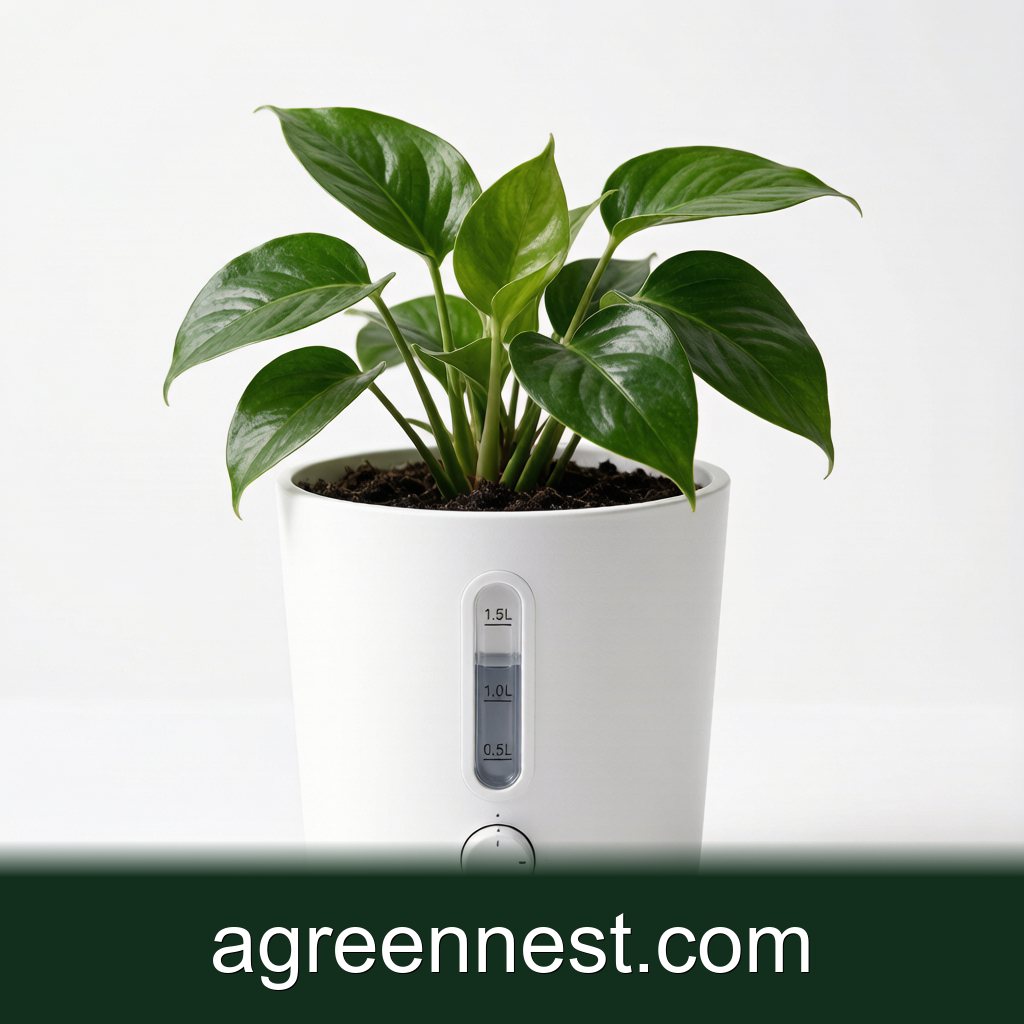
- Self-watering terracotta: a nested pot with a reservoir, $18 to $30, for people who travel. It still breathes through the upper wall.
- Floor specimens: 25 to 35cm frost-proof Italian clay, $35 to $70, for fiddle leaf figs and rubber plants.
- Hanging terracotta: a 12 to 16cm pot with a fitted saucer and three-strand hanger, $14 to $22, for a trailing pothos.
Avoid the $1 thin red cups sold as terracotta at checkout lanes. They flake within a season.
How do I stop terracotta from cracking in winter?
Cracked terracotta is almost always frozen water inside the wall. If a pot lives outside, empty the saucer before a frost and move it under cover, or buy frost-proof clay rated to minus 15C. Indoors, the risk is salt buildup: fertiliser minerals leach to the surface and form a white crust. Scrub it off with a vinegar and water mix twice a year so the clay keeps breathing.
New terracotta is bone dry and will steal water from your soil on day one. Soak the pot in water for 15 minutes before planting so it stops wicking moisture from the roots.
Frequently Asked Questions
Do terracotta pots stain my white windowsill?
They can weep a faint clay line, especially on the first soak. A saucer catches most of it, and a cork or felt pad under the saucer keeps the sill clean. Wipe the rim if you see a ring.
Why does my terracotta turn white?
That is mineral salt from fertiliser and tap water, not mold. A 1:3 white-vinegar to water scrub removes it. It is harmless to the plant but blocks the pores if left for years.
Can I use terracotta for a thirsty plant like a peace lily?
Yes, but you will water more often, sometimes every 3 days in summer. If that feels like too much, keep the peace lily in plastic and put the plastic pot inside a terracotta cachepot for the look without the dryness.
Are expensive Italian pots worth it over garden-centre clay?
For floor specimens that live outside, yes, the frost-proof clay lasts decades. For a 10cm desk succulent, the $3 pot does the same job. Spend on size and location, not on a label.
Should terracotta have a hole if I use it as a cachepot?
No. A cachepot is a decorative outer shell with the plant in a plain nursery pot inside, so it needs no hole. Just lift the inner pot out to drain after watering.
Start with three plain unglazed terracotta pots and a saucer each, soak them before use, and size up one step at a time as plants grow. The porous clay does the hard work of preventing overwatering for you. When you want the look without the dry-down, our terracotta pots guide covers liners and cachepots.
Recommended Tools for Plant Care Accessories Care
Free, no-signup helpers matched to this guide.
Free Ebooks to Explore
Downloadable handbooks — no email required.
Free Ebook
The AGreenNest Succulent Care Handbook
The complete, beginner-to-confident guide to growing fat, happy succulents — 10 chapters and a 20-plant directory.
Free Ebook
Haworthia & Haworthiopsis Care Handbook
A focused guide to the striped, forgiving Haworthia clan.
Join the Conversation
Have a tip or a question about Best Terracotta Pots for 2026 (and What to Skip)? Share it below — comments are saved on our server.