 AGreenNest
Plant Care Accessories
Best Watering Cans for Indoor Plants (2026 Picks)
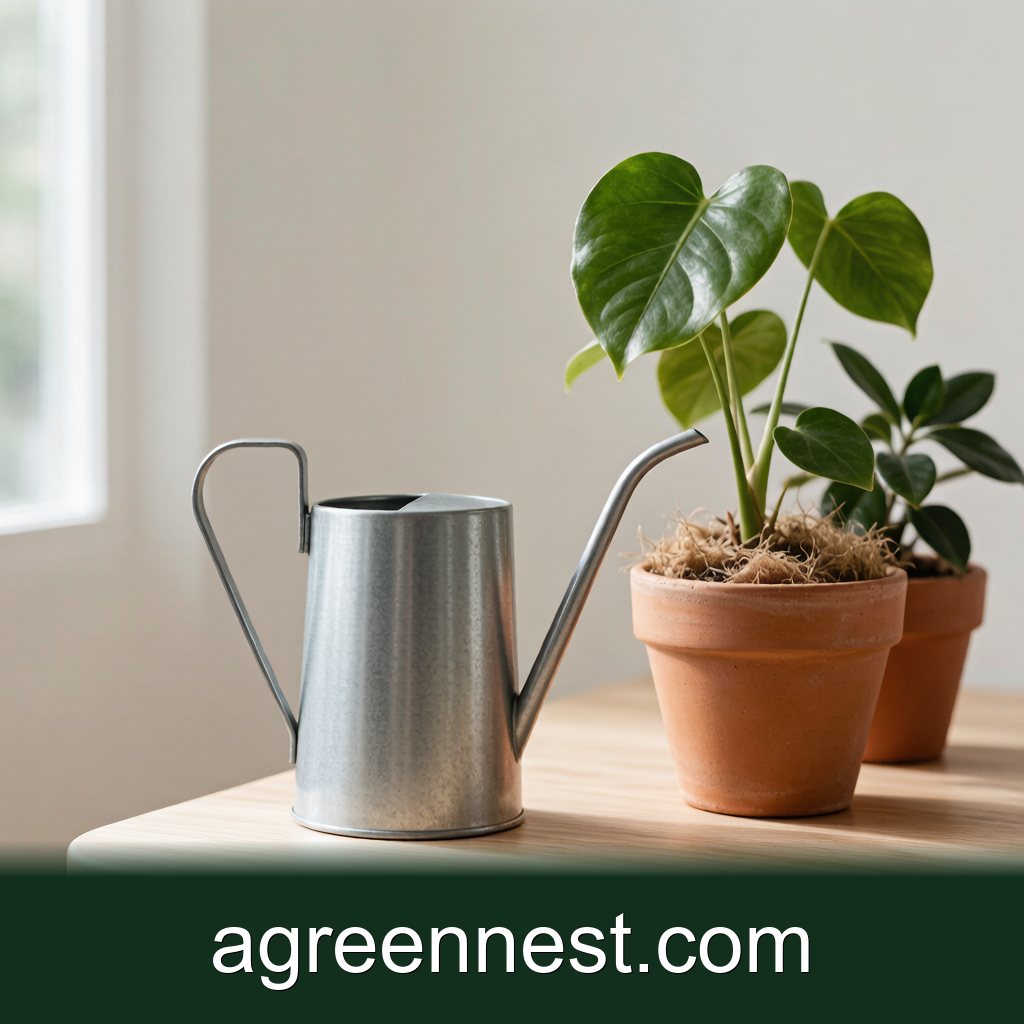
I used to water everything with a repurposed jam jar until I flooded a fern and learned what a long spout is for. The right can turns a messy chore into a controlled pour, and the wrong one dribbles down your wrist. After testing a shelf of them, here is what actually matters in 2026.
The four types you will find
Long-spout (the workhorse). A thin 20 to 30cm spout reaches the back of a shelf and places water at the soil, not the leaves. This is the one most indoor growers should own first.
Squeeze bottle. A 500ml soft bottle with a pointed tip, meant for succulents and seedlings where a drop at a time matters. You control the flow by hand pressure.
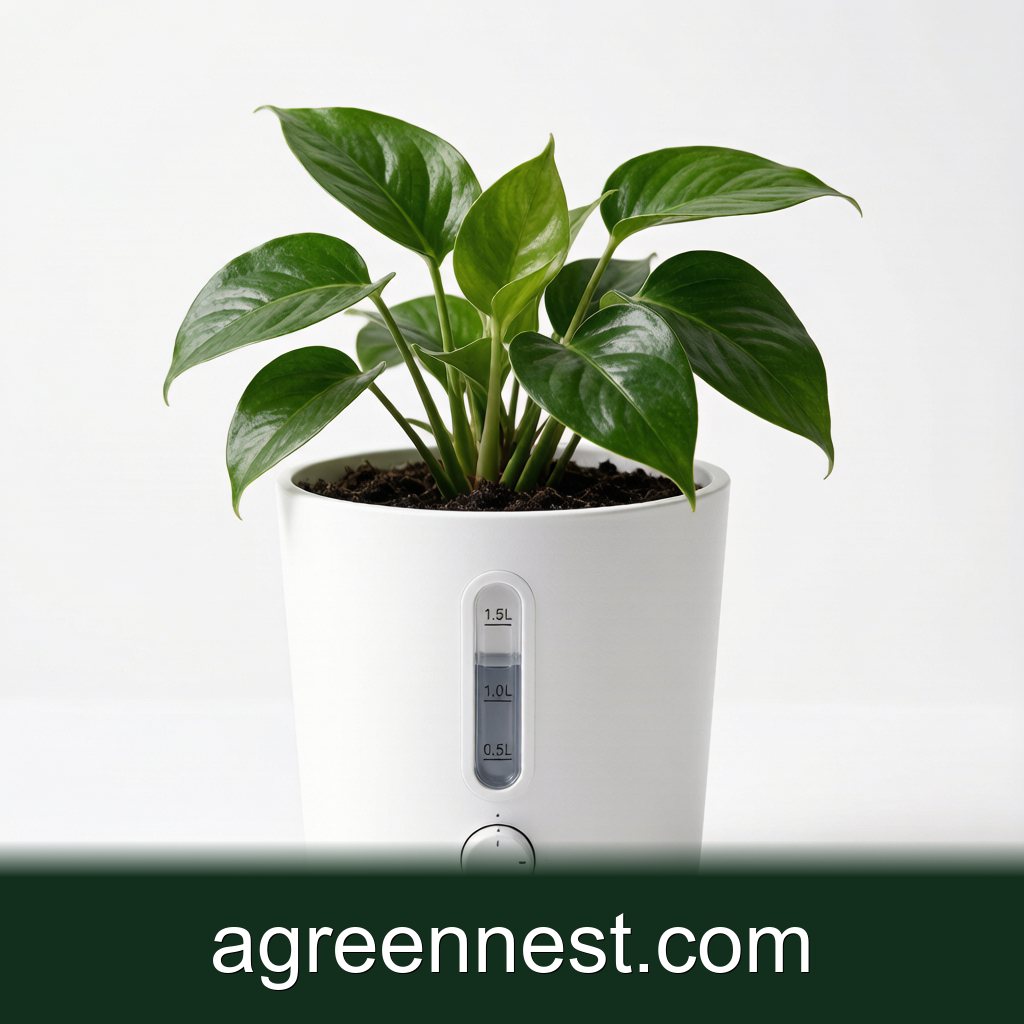
Bottom-fill (self-watering filler). A can with a curved spout that slips under a self-watering pot's portal so you never lift the planter. Pair it with our self-watering pot picks if you use those.
Decorative ceramic or copper. Pretty on a shelf but often poor pourers with short spouts. Buy them for looks and keep a long-spout can for real work.
What to check before you buy
Spout length is the first number. For shelf and hanging plants a 25cm spout reaches where your hand cannot; for a single windowsill pot, 15cm is enough. A spout that is too short makes you tip the can steeply, which splashes.
Balance matters more than you think. Hold the can half full; if the handle sits behind the fill point it pours cleanly, if it sits above it, it flips and dribbles. A removable rose (the sprinkler head) lets you switch from a gentle shower for seedlings to a direct stream for deep pots.
Check the fill opening. A wide top mouth is easy to fill at a tap and easy to clean, while a narrow one traps silt. Capacity runs 500ml for detailed work up to 2 litres for floor plants; a 1 litre can covers most homes without being heavy when full.
Six picks by use (prices $10 to $55)
Windowsill, $14. A 1 litre galvanized steel can with a 25cm spout. Balanced handle, pours a clean thread, and the steel shrugs off drops. Good first buy.
Succulents and seedlings, $10. 500ml squeeze bottle with a 12cm tip. You meter out a few millilitres, which stops the overwatering that kills small pots.
Shelf and hanging, $22. A 1.2 litre long-spout can with a removable rose. The slim neck fits between trailing vines so you water the soil, not the leaves.
Self-watering filler, $28. Curved spout that slides under a reservoir portal. Worth it only if you already run self-watering pots.
Decorative ceramic, $40. A 900ml glazed can that looks good on open shelving. Short spout, so keep it for the easy front-row plants.
Copper showpiece, $55. A 1 litre copper can that patinas with age. Lovely, but the narrow mouth is a nuisance to fill; treat it as display.
Who should skip which
Skip the pretty ceramic or copper cans if you have plants in awkward spots, because the short spouts will frustrate you daily. Skip a 2 litre can if you only keep 10cm pots, since it is awkward to tip precisely when full.
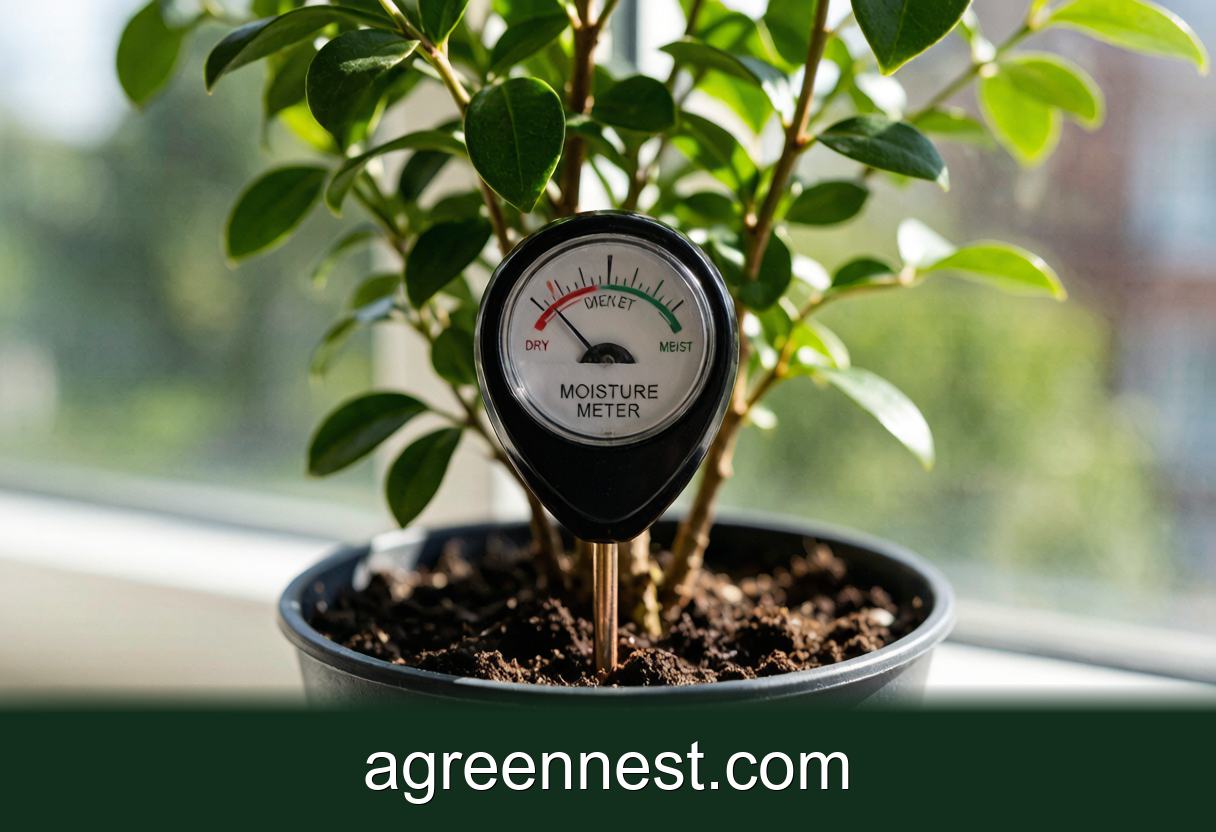
A moisture meter pairs well with any can: I check the soil at 3cm before I pour, which beats watering on a fixed schedule. And if you are rethinking your whole container setup, our terracotta pot guide explains why unglazed clay changes how fast a can's water disappears.
Frequently Asked Questions
Q: What size watering can suits a 12cm windowsill pot?
A:
A 500ml to 1 litre can with a 15 to 20cm spout. Smaller gives you control; anything over 1.5 litres is awkward to tip precisely into a small pot.
Q: Are galvanized steel cans safe for edible herbs?
A:
Yes, once the inside cures. Rinse and run a few fills of plain water through a new steel can before using it on herbs, since the first pours can carry a metallic taste.
Q: Why does my watering can dribble down the spout instead of pouring?
A:
Usually the handle sits above the fill point, so the can tips too far. A can with the handle behind the centre of mass pours a clean thread instead.
Q: Should I remove the rose (sprinkler head) for succulents?
A:
Yes for targeted watering. Take the rose off and direct the stream at the soil line so you do not wet the leaves or the crown, where rot sets in fast.
Q: How often should I clean a watering can?
A:
Every few weeks. Empty standing water, rinse out algae, and once a month swish with a little vinegar to stop the spout from clogging.
A long-spout 1 litre steel can is the buy I would make first, with a small squeeze bottle alongside for succulents. Match the spout to where your plants actually sit, check the handle balance in the shop if you can, and the daily watering stop becomes the easy part. For the rhythm behind the pour, our indoor watering guide is the page to read next.
Recommended Tools for Plant Care Accessories Care
Free, no-signup helpers matched to this guide.
Free Ebooks to Explore
Downloadable handbooks — no email required.
Free Ebook
The AGreenNest Succulent Care Handbook
The complete, beginner-to-confident guide to growing fat, happy succulents — 10 chapters and a 20-plant directory.
Free Ebook
Haworthia & Haworthiopsis Care Handbook
A focused guide to the striped, forgiving Haworthia clan.
Join the Conversation
Have a tip or a question about Best Watering Cans for Indoor Plants (2026 Picks)? Share it below — comments are saved on our server.