 AGreenNest
Plant Pests & Diseases
Root Mealybugs: Spot Them and Kill Them
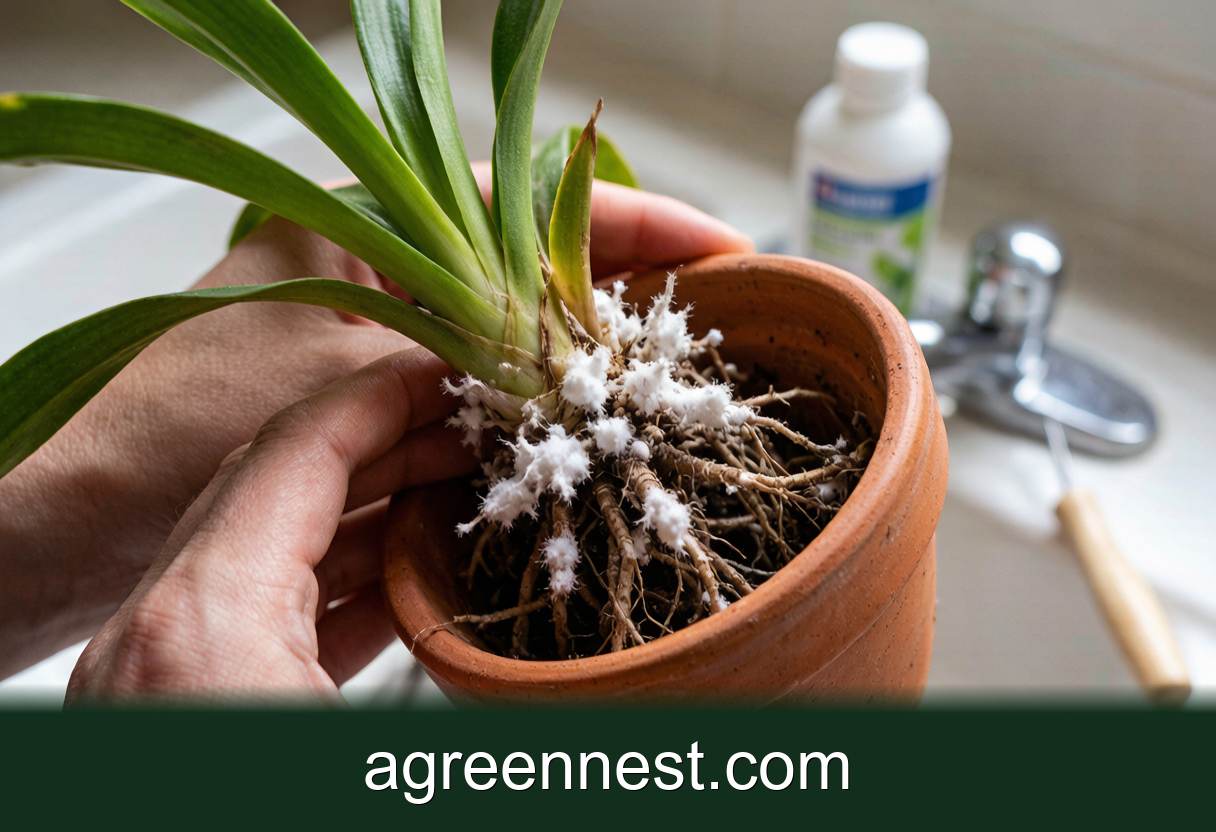
Root mealybugs are tiny white waxy insects that feed on roots below the soil line, causing slow decline despite good care. Unpot the plant, rinse all soil off the roots, soak the bare roots in insecticidal soap or diluted neem for 20 minutes, then repot in fresh mix and a clean pot.
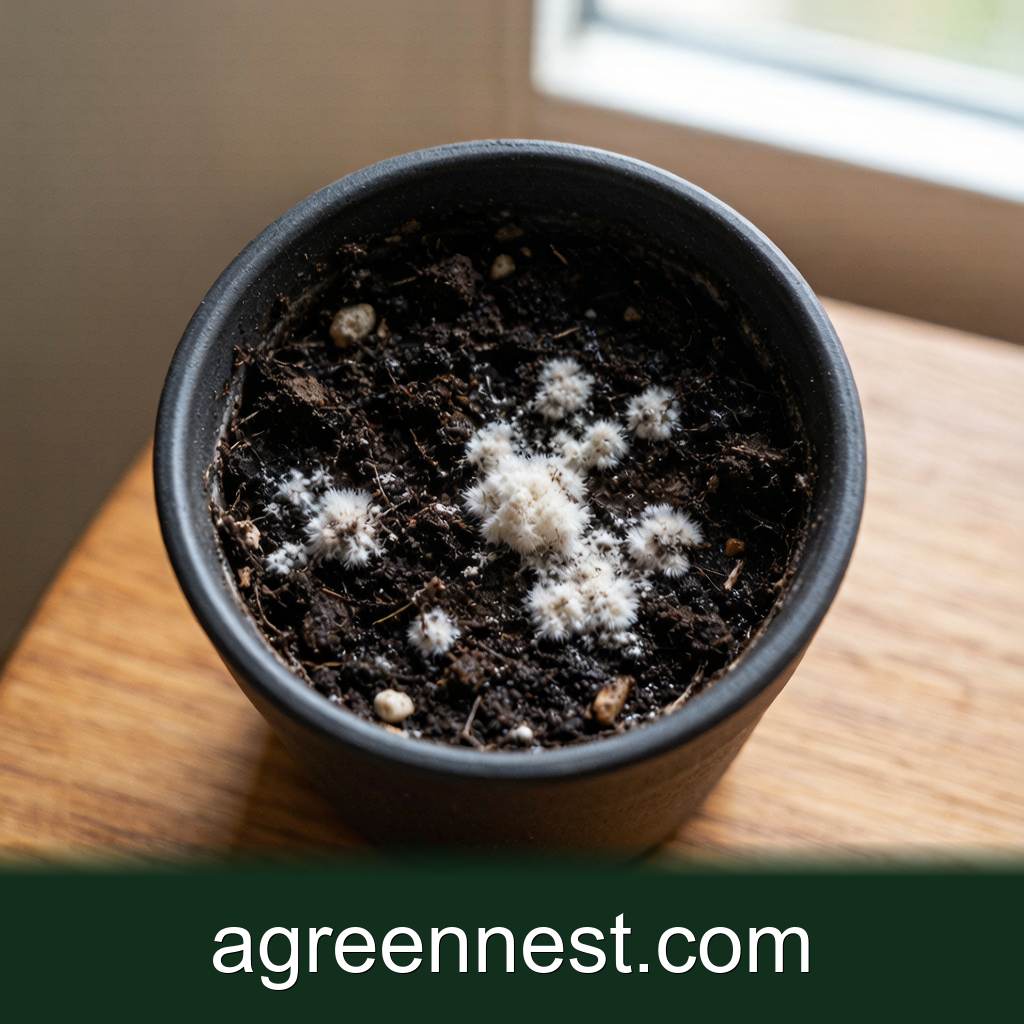
Your plant is watered right, sits in decent light, and still fades week by week. The leaves go dull, growth stalls, and nothing on top explains it. So you tip it out of the pot, and there it is: a dusting of what looks like white mold clinging to the roots and the inside of the container. That is not mold. Those are root mealybugs, and they have been draining the plant the whole time.
What Are Root Mealybugs, Exactly?
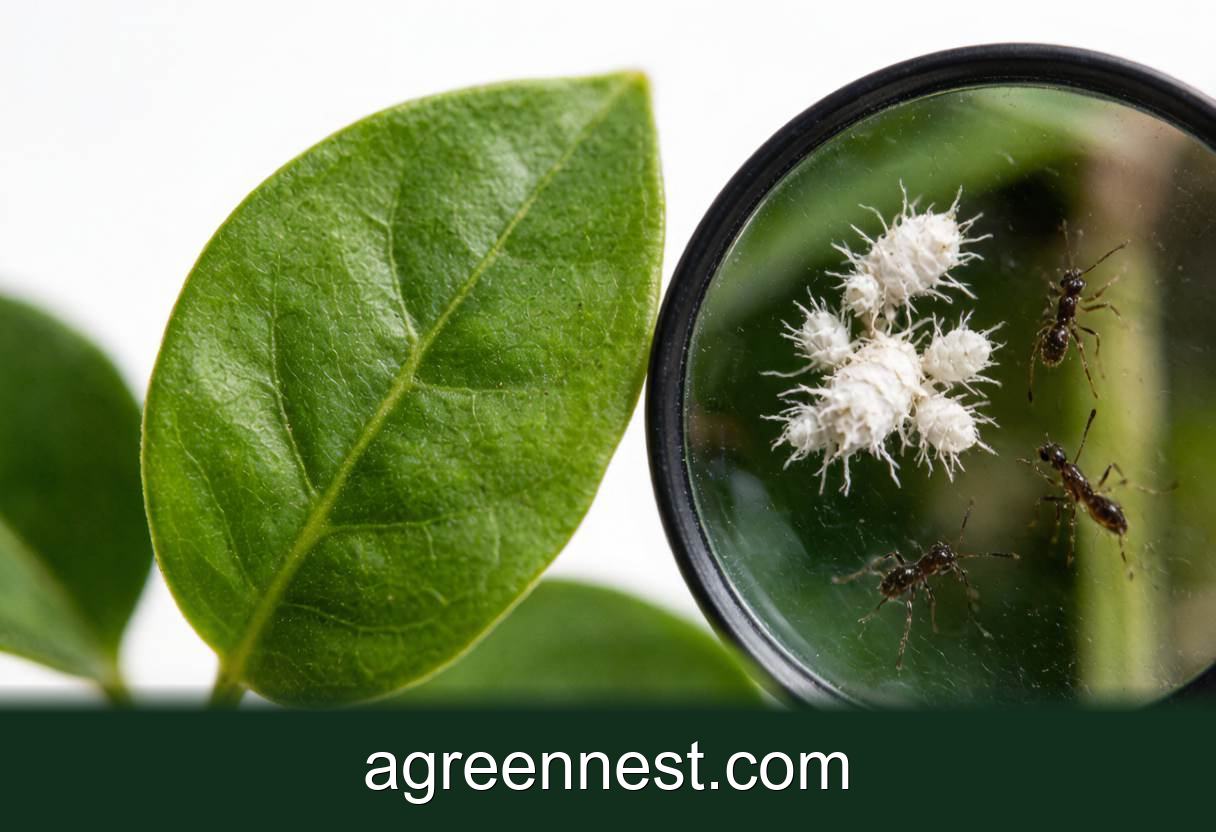
Root mealybugs are soil-dwelling cousins of the foliar mealybugs you see in leaf joints. They are small, 1 to 2mm, soft, and coated in a white waxy powder that repels water. Instead of clustering on stems, they live underground on the roots and around the pot walls, piercing root tissue to suck sap.
Because they hide below the soil, most people never see them until they repot. By then the colony has been feeding for weeks. The waxy coating also makes them hard to wet, which is why a normal drench often fails and the plant keeps sliding.
Why Is My Plant Dying With No Pests on the Leaves?
When the top of a plant looks clean but the whole thing declines, the roots are the first place to check. Root mealybugs cause a very specific pattern. Work down this list.
- Slow, even decline. Not one wilted branch, but the whole plant losing vigor over a month or more.
- Dull, slightly yellow leaves that no amount of correct watering fixes.
- Stunted new growth that comes in small and pale.
- A white waxy crust on the root ball and often a mealy film on the inside of the pot when you unpot it.
- A faint honeydew stickiness in the drainage tray, from the sugary waste they excrete.
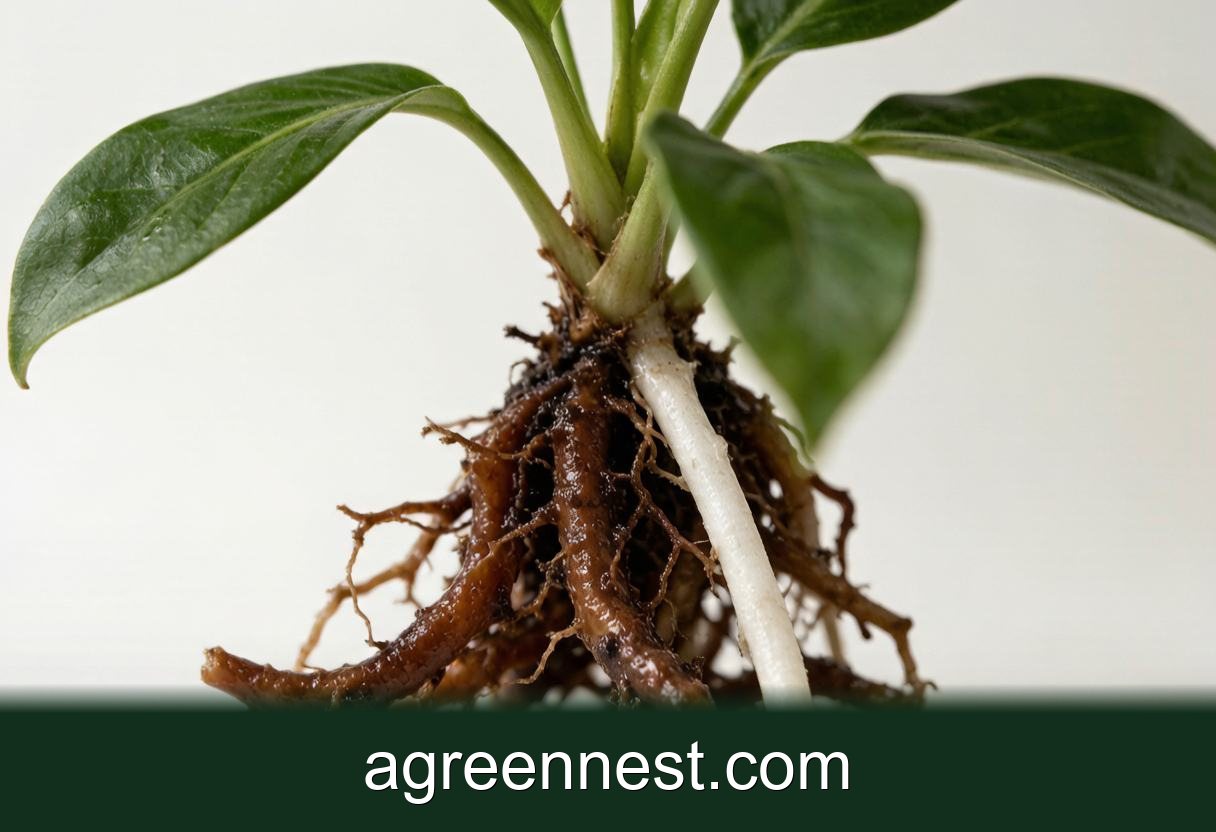
If the roots are also brown and mushy, you may be dealing with root rot on top of the pests, since damaged roots invite it. Rule that out while you have the plant in hand.
Where Do Root Mealybugs Come From?
They rarely appear from nothing. The usual sources are a new plant that carried them in, a bag of reused or contaminated potting mix, or a shared saucer where infested water wicked between pots. Succulents and cacti are especially prone, because their gritty mix and long gaps between waterings suit the dry-loving pest.
This is exactly why a quarantine routine for new plants matters. A plant that looks perfect on the shelf can hide a root colony that spreads to your whole collection within a season. Checking the roots of anything new, before it joins the others, saves a lot of grief later. The broader early pest identification guide covers what else to look for.
How Do I Get Rid of Root Mealybugs?
The waxy coating means you cannot spray them away from the top. You have to get to the roots. Here is the 48-hour fix.
- Unpot and bin the soil. Tip the plant out and throw the old mix in the trash, not the compost. The colony lives in that soil.
- Rinse every root. Hold the root ball under running water and wash off all the old mix until the roots are bare and clean. This alone removes most of the insects and their egg sacs.
- Soak the bare roots. Submerge the roots for 20 minutes in insecticidal soap at label strength, or a diluted neem solution. The soak penetrates the wax that a spray cannot.
- Scrub the pot or replace it. Wash the old container in hot soapy water, or use a fresh one. The pot walls hold survivors.
- Repot in fresh, sterile mix. Use new well-draining soil and a clean pot. Do not reuse the tray until it is washed.
After repotting, water lightly and keep the plant out of direct sun for a week while it recovers. A follow-up soil drench with neem two weeks later catches any eggs that hatched after the first treatment.
Will They Come Back After Treatment?
They can, if a single egg survives or the pot was not cleaned. Check the roots again at the next repot, usually within a month, and treat at the first sign of white wax. Quarantine the plant away from the collection for three to four weeks so a rebound does not spread. If more than a few plants are hit at once, treat them as a batch and inspect every pot, because root mealybugs travel through shared trays and mixed soil faster than people expect.
For a heavily infested plant that is too far gone to save cleanly, it is kinder to your other plants to discard it. The pest recovery guide helps you judge which side of that line a plant falls on.
Root mealybugs are the pest that makes a healthy-looking plant fade for no visible reason. The moment a plant declines with clean leaves and correct care, tip it out and look at the roots. A bare-root rinse, a 20-minute soak, and fresh soil fix it in a single afternoon. To stop them reaching the rest of your shelf, run every new plant through the houseplant pest playbook before it joins the collection.
Recommended Tools for Plant Pests & Diseases Care
Free, no-signup helpers matched to this guide.
🔍 Free Tool
Pest & Problem Identifier
Pick the symptoms you see and get the likely culprit plus a fix.
Free Ebooks to Explore
Downloadable handbooks — no email required.
Free Ebook
The AGreenNest Succulent Care Handbook
The complete, beginner-to-confident guide to growing fat, happy succulents — 10 chapters and a 20-plant directory.
Free Ebook
Haworthia & Haworthiopsis Care Handbook
A focused guide to the striped, forgiving Haworthia clan.

Join the Conversation
Have a tip or a question about Root Mealybugs: Spot Them and Kill Them? Share it below — comments are saved on our server.