 AGreenNest
Low-Light Indoor Plants
6 Low-Light Plant Myths, Busted
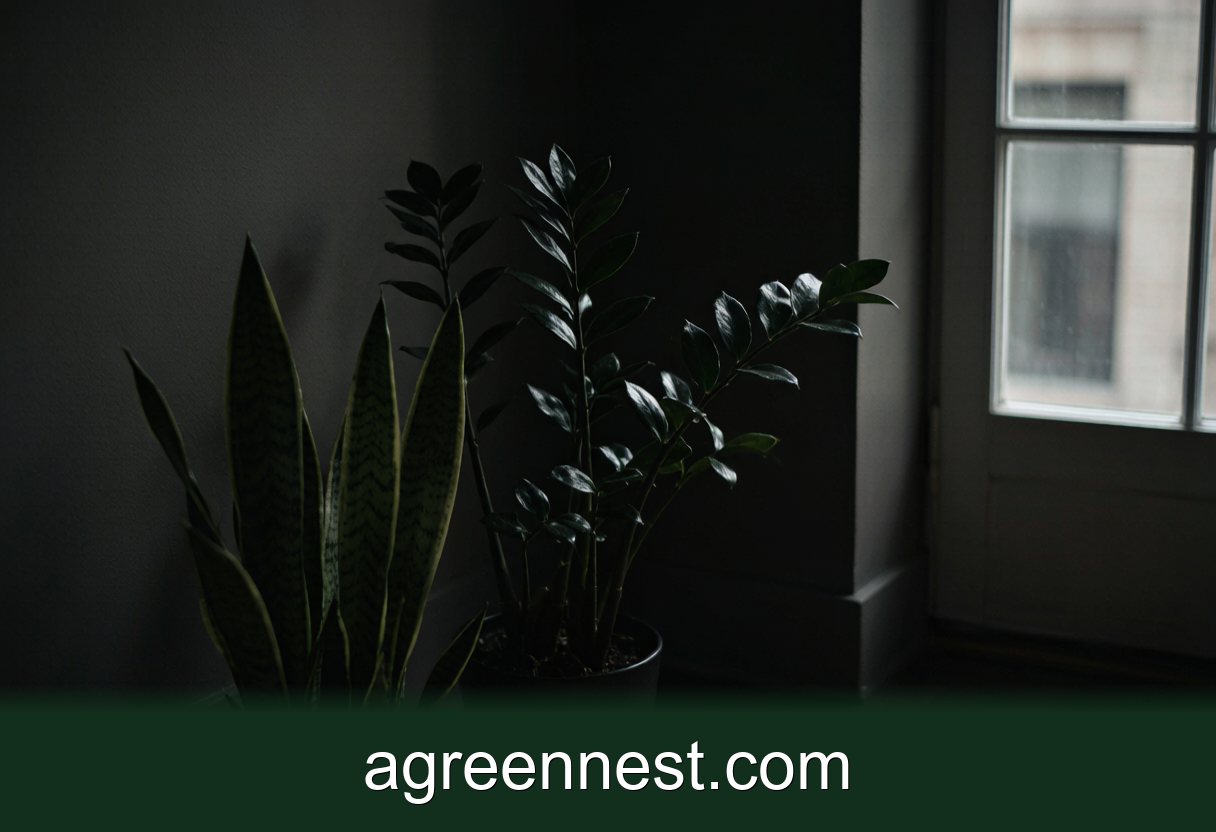
Low light does not mean no light: even a snake plant or ZZ needs enough to read a book by, roughly 50 to 100 foot-candles. The biggest low-light myths are that these plants grow in the dark, need less water in dim rooms (they need less, not none), and thrive far from any window. Match the plant to the real light and water only when the soil dries.
A reader emailed me a photo of a pothos in a windowless bathroom, leggy and pale, asking why the "low-light plant" was dying. The label had promised it would survive anywhere. It will not, and neither will any plant sold that way. Low light is the most misunderstood phrase in houseplant care, and a few stubborn myths turn healthy plants into sad ones. Here are the six I hear most, and what is actually true.
Does "low light" mean a plant can live in the dark?
No, and this is the myth that kills the most plants. Every green plant needs light to photosynthesise and feed itself. "Low light" means it tolerates a dim spot, roughly 50 to 100 foot-candles, about enough to read a paperback by without strain. A truly dark corner, a windowless room, or a spot two metres from the only window is below that floor.
If a room feels too dark to read in at midday, it is too dark for any plant long-term. A ZZ plant or snake plant survives longer than most in the gloom, but it is coasting on stored energy, not growing. Move it nearer the window or add a lamp.
Do low-light plants need less water?
They need less, not none, and confusing the two rots more roots than any pest. In a dim room a plant grows slowly and uses water slowly, so the soil stays wet far longer than the same plant in bright light. Watering on your old bright-room schedule drowns it.
Water by the soil, not the calendar. Push a finger 3 to 4cm into the mix, and only water when that depth is dry. In low light that can stretch to every two or three weeks for a pothos and up to a month for a ZZ. The overwatering signs in dim rooms are yellowing lower leaves and a sour-smelling pot, both from soil that never dries.
Will any plant thrive far from a window?
Distance from the glass matters more than most people realise. Light falls off fast: a spot one metre from a window can get a quarter of the light the sill gets, and two metres can be a tenth. A plant that thrives on the windowsill may merely survive across the room and decline in the far corner.
Keep tolerant species within about a metre of a north or east window, or use a grow light for anything further in. A leggy, stretched plant with long gaps between leaves is telling you it is reaching for light it cannot reach. That stretch does not reverse, so fix the position early.
Do low-light plants never need fertiliser?
They need less feeding, because slow growth uses fewer nutrients, but "never" starves them over time. A plant in a dim room still grows through spring and summer and will slowly deplete the pot. The myth leads to pale, weak new leaves that never fill out.
Feed at half the label strength, once every 6 to 8 weeks in the growing season, and stop entirely in winter when growth pauses. Our fertilising basics explain why weak-and-often beats strong-and-rare for indoor plants, and that goes double in low light where a full-strength dose can burn roots the plant is too slow to use.
Are low-light plants really unkillable?
Tough is not the same as unkillable. The "you cannot kill it" label sells plants but sets up beginners to ignore the two things that do kill these species: too much water and too little light. A snake plant handles neglect, a skipped watering, and a dark week, but it rots fast if it sits in wet soil, and it fades if it never sees daylight.
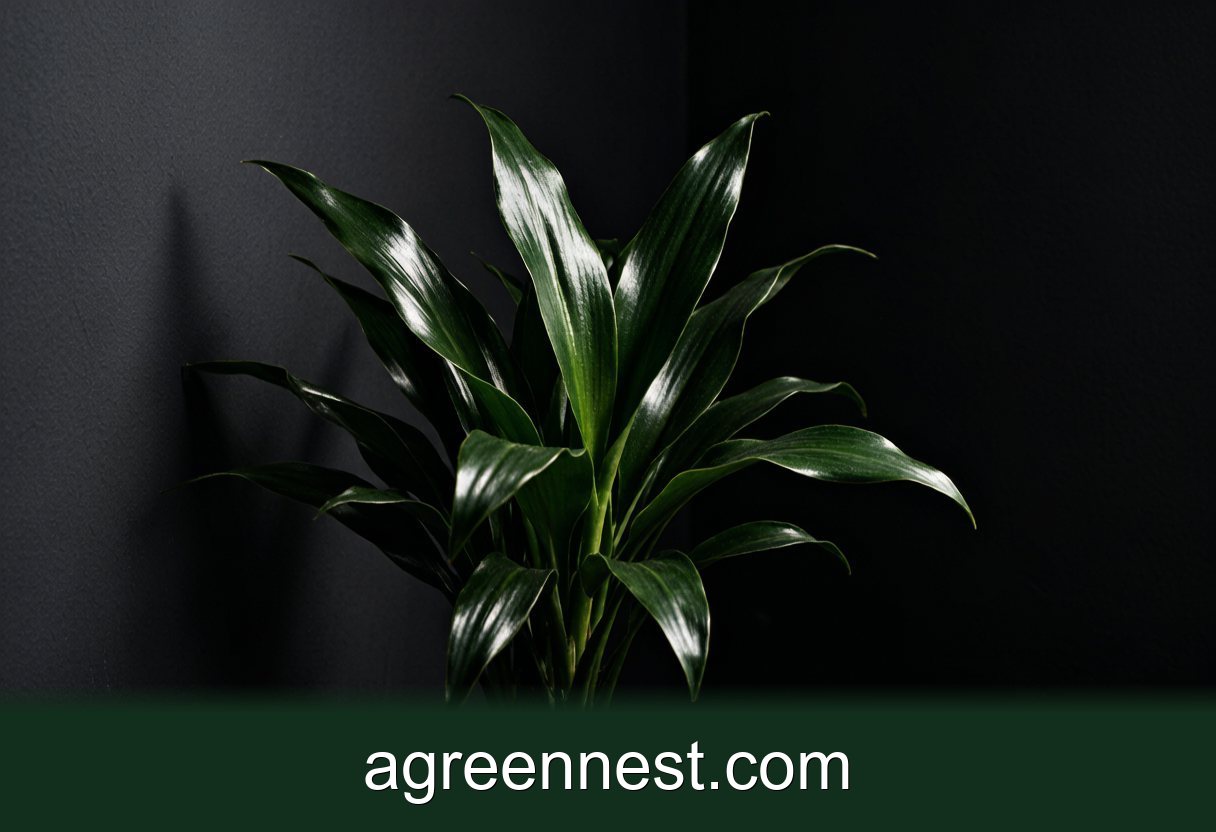
Give even the toughest low-light plant a spot with real, if dim, light and a pot that dries between drinks, and it will last years. Treat it as furniture in a dark corner and it declines slowly, then all at once. A cast iron plant is about as forgiving as houseplants get, and it still wants both of those basics.
Do green and variegated plants cope the same in shade?
They do not. Variegated leaves have less chlorophyll in the white or yellow patches, so they gather less light per leaf and need a brighter spot to hold their pattern. A marble queen pothos in a dim room fades toward plain green as it drops the variegation it cannot afford.
If you want colour in a low-light spot, pick a plant whose interest comes from leaf shape or a deep solid green rather than variegation. Save the bright, marbled cultivars for a spot near the window where the extra light keeps the pattern crisp.
Frequently Asked Questions
How do I measure the light in a dim corner?
Use a free light-meter app on your phone at midday, or the shadow test: hold your hand 30cm above the spot on a bright day. A faint, fuzzy shadow means low but usable light; no shadow at all means it is too dark for a plant.
My ZZ plant hasn't grown in months. Is it dying?
Probably not. In low light a ZZ can pause growth for a whole season and be perfectly healthy, living off its rhizomes. Check the soil is drying between waterings and the leaves stay firm; slow is normal, mushy is not.
Can I keep a plant alive with only a desk lamp?
A standard warm desk bulb does little for plants. A dedicated LED grow bulb in that same lamp, run 10 to 12 hours a day, does keep a low-light plant going in a windowless room. Ordinary room lighting alone is not enough.
Why is my low-light plant leaning to one side?
It is growing toward the strongest light. Give the pot a quarter turn each week so all sides get their share, and the plant grows upright instead of reaching sideways.
Are these plants safe if my room is also low-humidity?
Most tough low-light species, snake plant, ZZ, and pothos, handle dry indoor air fine. The fussier low-light picks like calatheas want more humidity, so match those to a brighter, more humid room instead.
Low light means dim, not dark, and the plants sold for it still need real light, careful watering, and the occasional feed. Read the room honestly, then match the plant to it. To size up a spot before you buy, try our free light calculator and start with the best low-light houseplants shortlist.
Recommended Tools for Low-Light Indoor Plants Care
Free, no-signup helpers matched to this guide.
Free Ebooks to Explore
Downloadable handbooks — no email required.
Join the Conversation
Have a tip or a question about 6 Low-Light Plant Myths, Busted? Share it below — comments are saved on our server.