 AGreenNest
Low-Light Indoor Plants
Summer Care for Low-Light Houseplants
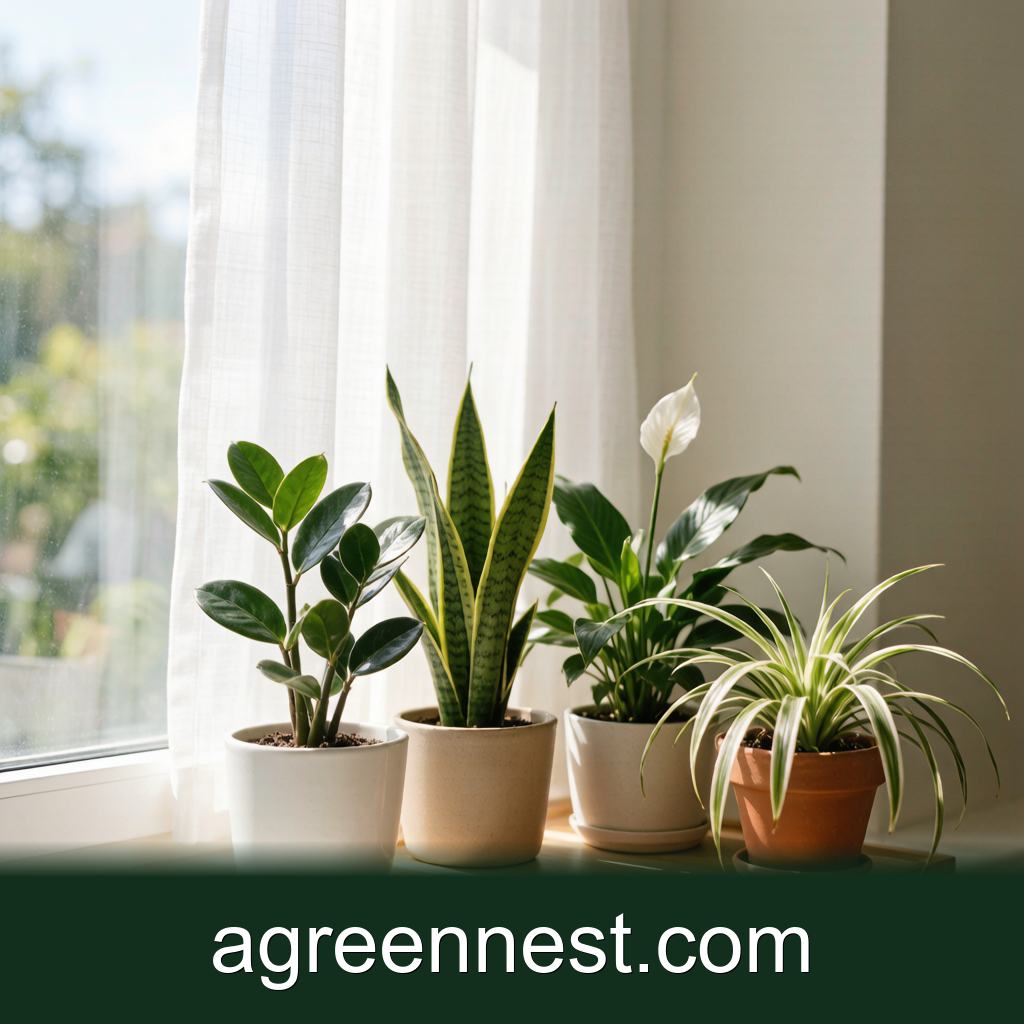
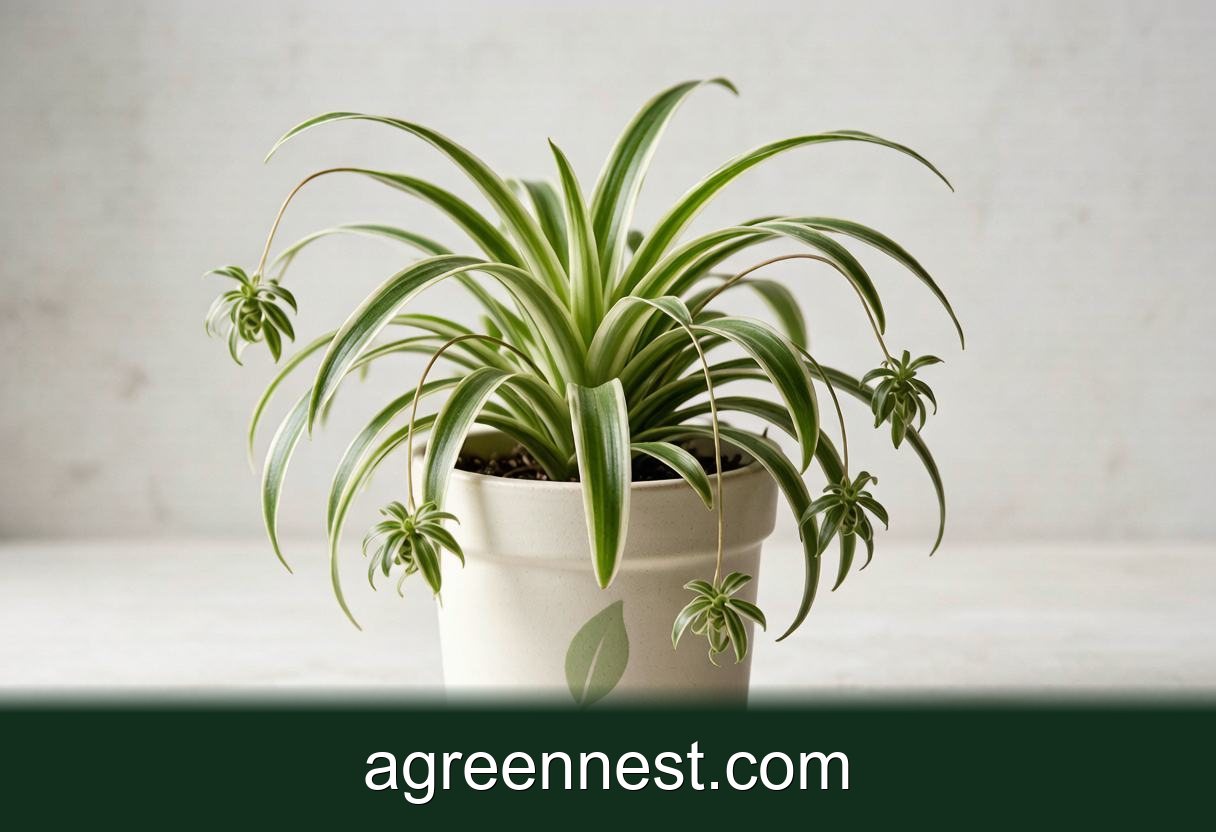
The July sun hit my north-facing shelf through the blinds and within a week the spider plant's leaf tips went brown. That surprised me, because a north window is the gentlest light a plant can get. Summer is strange for low-light rooms: the days are long and bright, but your plants still sit in the dim corner. The extra light can help, or it can scorch, and the heat changes how fast the soil dries. Here is the summer routine I use for the plants that live away from windows.
Why summer is the hard season, not winter
Most people worry about low-light plants in winter, when the days are short. The real trouble is summer. The sun climbs high and pushes bright, hot light deep into rooms that feel shaded in March. A plant that sat happily 2 meters from a south window in spring can get leaf scorch by July. At the same time, warm air and longer days speed up growth, so the plant wants a little more water, but the higher temperature also bakes the top of the soil, fooling you into watering too soon. Read our guide to low light versus direct sun before you move anything, because the same window behaves differently across the year.
Pull the blinds before you touch the watering can
For any plant within 1.5 meters of a south, west, or east window, fit a sheer curtain or lower the blinds partway during the 11am to 4pm window. I keep my blinds at about 60 percent closed on the west side from June through August. This cuts the light to bright indirect, which is what Aglaonema (Chinese evergreen) and Aspidistra elatior (cast iron plant) actually want. Without it, the afternoon sun throws a hot spot that browns leaf edges in days. If you cannot hang a curtain, move the pot back 30 to 60 cm. A cast iron plant in low light shrugs off most abuse, but even it objects to a west window in July.
Cut the watering, but check first
This is where summer fools people. The air is hotter, so you assume the soil is dry and you water on Monday like clockwork. But that same warmth also means the plant is growing, and a growing plant in bright indirect light does use more water than in winter. The trap is watering on a date instead of on the soil. Push your finger 3 to 4 cm down. In a warm room a Epipremnum aureum (golden pothos) may need water every 7 to 10 days in July, versus 10 to 14 in spring. A Zamioculcas zamiifolia (ZZ plant) still stretches to 3 weeks. The soil tells you, not the calendar. Our watering method guide shows the finger test step by step, and a moisture meter takes the guesswork out if you care for a lot of pots.
Humidity climbs, and so does the fungus risk
Summer air outside is humid, but inside an air-conditioned room it can drop to 30 percent, which spiders and ferns hate. On the other hand, a stuffy, still corner with damp soil is exactly where fungal leaf spots start. Pick one fix. If the leaves crisp at the edges, group the plants and set a tray of pebbles with water beneath them, which lifts local humidity to around 45 to 55 percent. If the leaves get soft brown patches instead, you have too little air, so run a fan on low for an hour a day. Do not mist in summer if the room is already warm and still, because wet leaves in warm still air are an open invitation to fungus. If you see the first yellow leaf, check the roots before you water, because overwatering in low light shows up from the bottom first.
The vacation plan
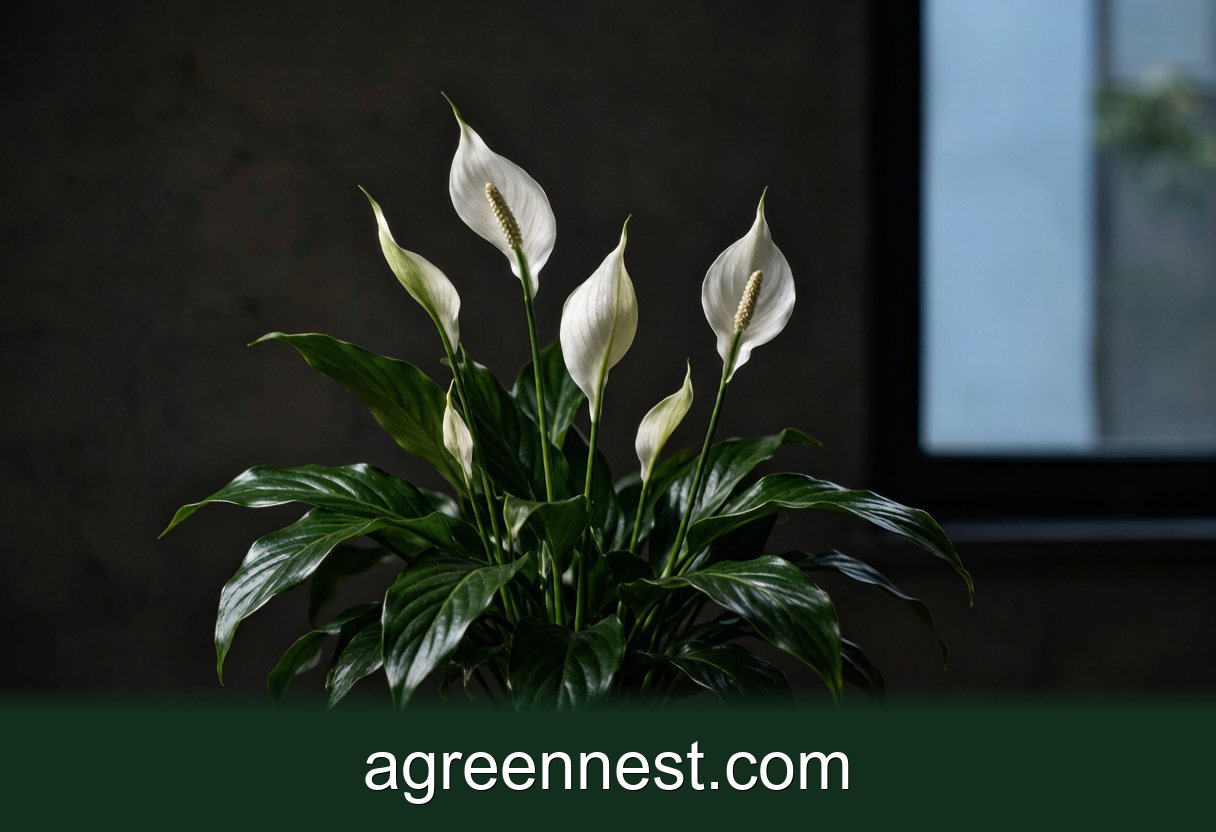
If you leave for two weeks in summer, do not ask a neighbor to water on your schedule. Show them the finger test, or better, move the plants into the shadiest spot and group them on a large tray of wet pebbles so they draw moisture slowly. A ZZ plant and a snake plant will ignore you for three weeks in a cool room. A Spathiphyllum (peace lily) will faint by day ten without water, so either give it to a friend or set its pot in a shallow dish of water before you go. The best low-light houseplants list marks which ones tolerate a long empty house.
A five-minute weekly check
Once a week, on the same day, do four things. Turn the pot a quarter turn so it grows straight. Look under the leaves for the first sign of pests, which love warm weather. Touch the soil with your finger. Wipe dust off the leaves with a damp cloth, because a dusty leaf catches less of the summer light your plant depends on. Ten seconds per plant beats any gadget, and it catches problems while they are still small. If leaves yellow for no clear reason, our why leaves turn yellow guide walks through the likely causes before you reach for fertilizer.
Summer asks for the opposite of what you expect: pull the light back, water by feel, and watch humidity both ways. Do those three and the dim corner stays green through August. For the year-round rhythm behind these moves, our low-light care mistakes guide covers the habits that quietly save or sink these plants.
Recommended Tools for Low-Light Indoor Plants Care
Free, no-signup helpers matched to this guide.
Free Ebooks to Explore
Downloadable handbooks — no email required.
Join the Conversation
Have a tip or a question about Summer Care for Low-Light Houseplants? Share it below — comments are saved on our server.