 AGreenNest
Succulent Care
I Rescued a Rotting Succulent: Week by Week
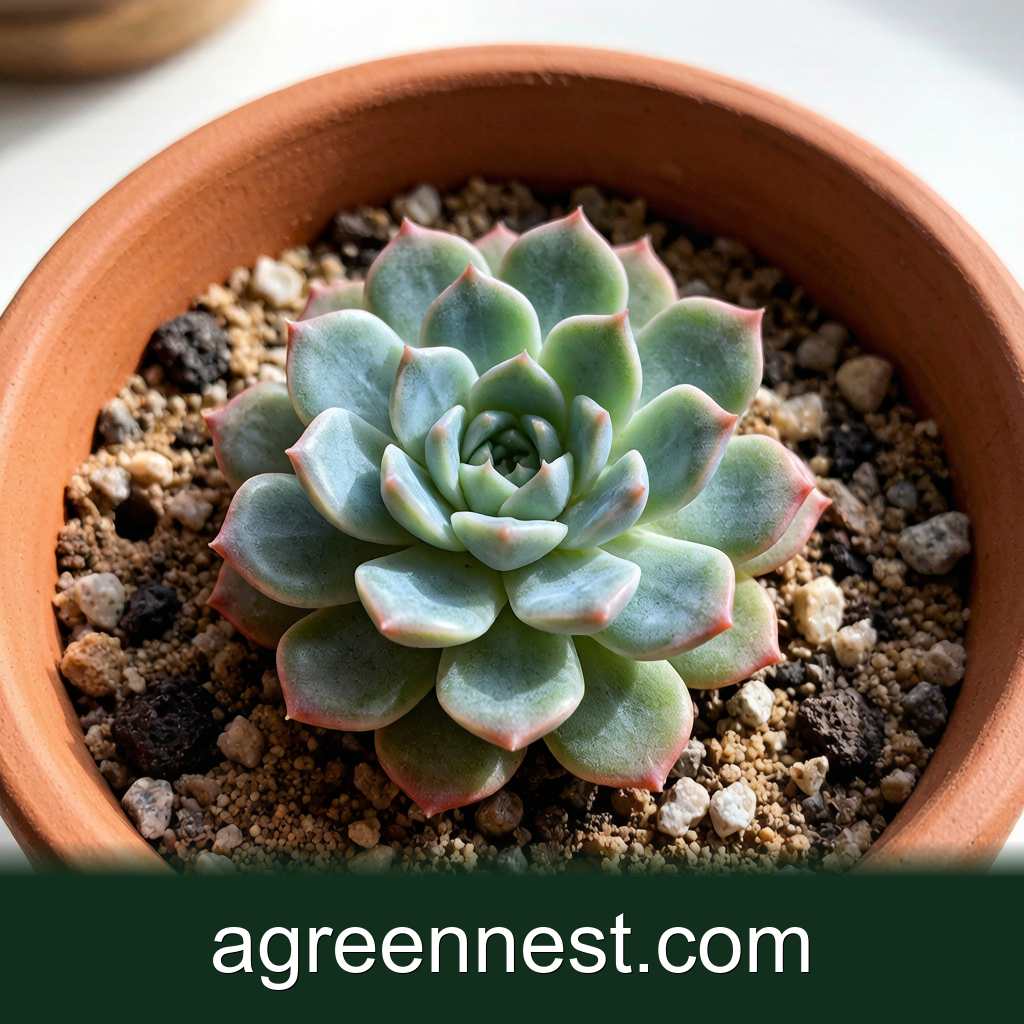
I almost threw it out on a Tuesday. The Echeveria on my windowsill had a base that felt like a peeled grape, and two lower leaves had gone from silvery blue to brown mush. Three weeks earlier I had watered it "just in case" while the soil was still damp from the last time, because a video told me succulents…
I almost threw it out on a Tuesday. The Echeveria on my windowsill had a base that felt like a peeled grape, and two lower leaves had gone from silvery blue to brown mush. Three weeks earlier I had watered it "just in case" while the soil was still damp from the last time, because a video told me succulents like a drink. They do not, and this one was rotting from the inside out. Here is the rescue, exactly as it happened, week by week.
Day 0: Confirm it is rot, not thirst
Before cutting anything, I checked the difference between underwater and overwater. A thirsty succulent wrinkles but stays firm. This one was soft, translucent, and smelled faintly sour at the stem. That is rot, full stop. If your plant is wrinkled but hard, stop and read the watering schedule instead, because cutting a dry plant only harms it.
Week 1: Stop water and unpot
I slid the plant out of its pot. The soil was still wet eight days after watering, and the lower 2cm of stem was brown and squishy. I knocked all the soil off and laid the whole plant on a paper towel in bright indirect light. No water, no mist, no "just a little." Rot needs dryness to stop spreading, and the complete succulent manual says the same thing: being wet and cold is what kills them, so the first move is always to get it dry.
During this week I did nothing else. Not a drop. The urge to "help" with more water is the trap; resist it.
Week 2: Cut to clean tissue
Once the surface had dried for two days, I took a clean knife and cut the stem above the brown. I kept slicing until the center was pale and firm, not discolored. That left a 6cm rosette on a 2cm clean stub. I dusted the cut with cinnamon, a mild home antifungal, and left it bare on the towel for three more days so the wound calloused. A fresh cut planted wet is how people lose the second round.
Week 3: Repot in grit, then wait
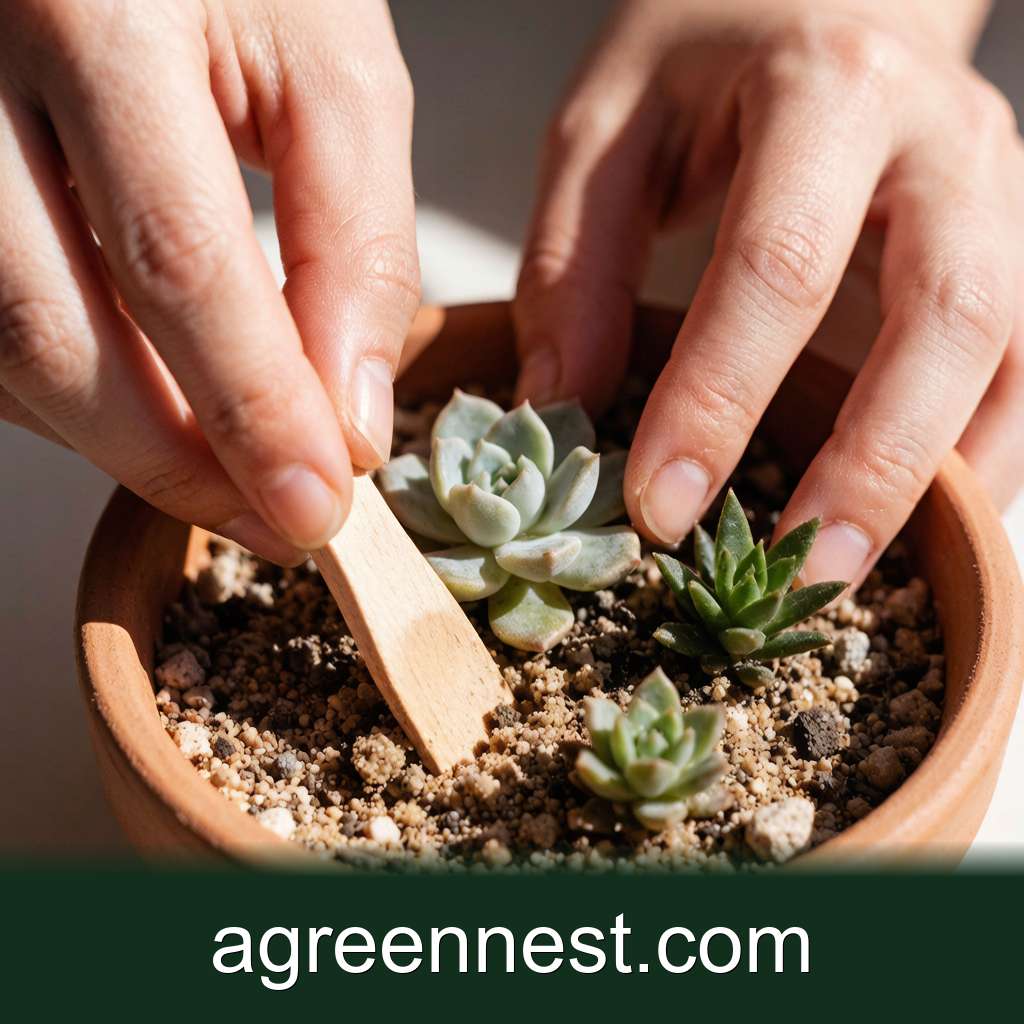
I planted the calloused stub in a gritty mix of one part potting soil to two parts pumice, in a terracotta pot with a drainage hole. Then the hard part: nothing. No water for a full week, so the wound sealed underground instead of rotting. The step-by-step repot guide explains why that waiting week matters more than the soil choice.
Week 4: Roots, then the first real drink
At day 28 the stub felt anchored when I gave it a gentle tug, the sign roots had formed. I watered once, soaking the soil until it ran from the hole, then emptied the saucer. New leaves at the center looked tighter and a shade more colored than the old stretched ones. The plant was alive, and the brown base was gone for good.
If the rot had reached the crown and the center leaves were already soft, the root rot first aid page covers salvage, though a mushy center is often past saving.
Signs it worked versus signs it failed
By week five you can tell your outcome. Working: the center pushes new leaves, the stub stays firm, and a tug meets resistance. Failing: the stub stays loose, the crown yellows, or a sour smell returns. If it fails, cut any still-firm leaves for propagation before composting the rest, because the soil mix guide and the stretching guide both point at the same trap, too much water plus too little light.
What I changed so it never happens again
The cause was me, not the plant. I now water only when the top 3 to 4cm of soil is dry to the finger, which in my bright window is every 9 to 12 days in summer and every 3 weeks in winter. I also swapped the glazed pot for terracotta, which wicks moisture out of the soil. Same plant, same window, zero rot since.
Frequently Asked Questions
How do I tell rot from a leaf that is just old?
An old leaf dries crisp and stays attached or falls clean. Rot is soft, translucent, and smells off at the base, and it climbs upward into the stem.
Can I save a succulent if the center rosette is already mushy?
Usually no. Once the crown is soft the rot owns the growing point. Cut any still-firm leaves for propagation before composting the rest.
Why wait a full week before the first water after repotting?
The cut stub needs to callous underground. Water on a fresh wound rot-sets it again, which is the most common reason rescues fail in week two.
Will the brown lower leaves grow back?
The lost ones will not return, but the plant grows new leaves from the center. A rescued rosette looks lopsided for a month, then fills in.
Is cinnamon actually useful or just folklore?
It is a mild antifungal and helps keep the cut clean while it callouses, but it is not a cure. Dry air and a clean cut do the real work.
A rotting succulent is not a lost cause if you catch it before the crown goes soft. Dry it, cut to clean tissue, callous, then gritty soil and patience. The habit that prevents the whole mess is in our watering schedule; read it once and you will likely never need the knife again.
Recommended Tools for Succulent Care
Free, no-signup helpers matched to this guide.
Free Ebooks to Explore
Downloadable handbooks — no email required.
Free Ebook
The AGreenNest Succulent Care Handbook
The complete, beginner-to-confident guide to growing fat, happy succulents — 10 chapters and a 20-plant directory.
Free Ebook
Haworthia & Haworthiopsis Care Handbook
A focused guide to the striped, forgiving Haworthia clan.

Join the Conversation
Have a tip or a question about I Rescued a Rotting Succulent: Week by Week? Share it below — comments are saved on our server.