 AGreenNest
Succulent Care
The Complete Indoor Succulent Care Manual
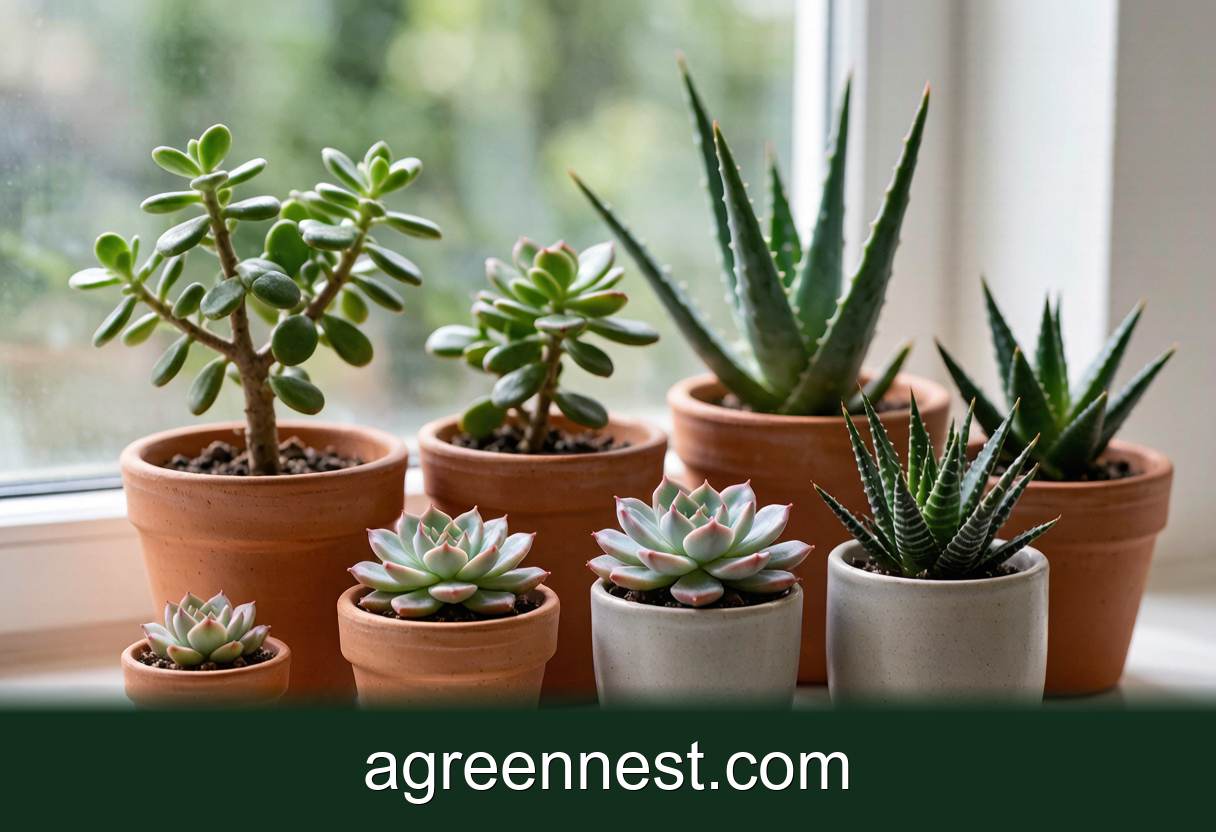
Most succulent advice online is a list of tips. This is the map. If you read one page on this site about succulents, make it this one — then jump to the species guide you actually own.
What is inside
- The one mental model that explains every succulent death
- Light, water, and soil — with the actual numbers
- Propagation, repotting, and seasonal care
- A troubleshooting fast-path
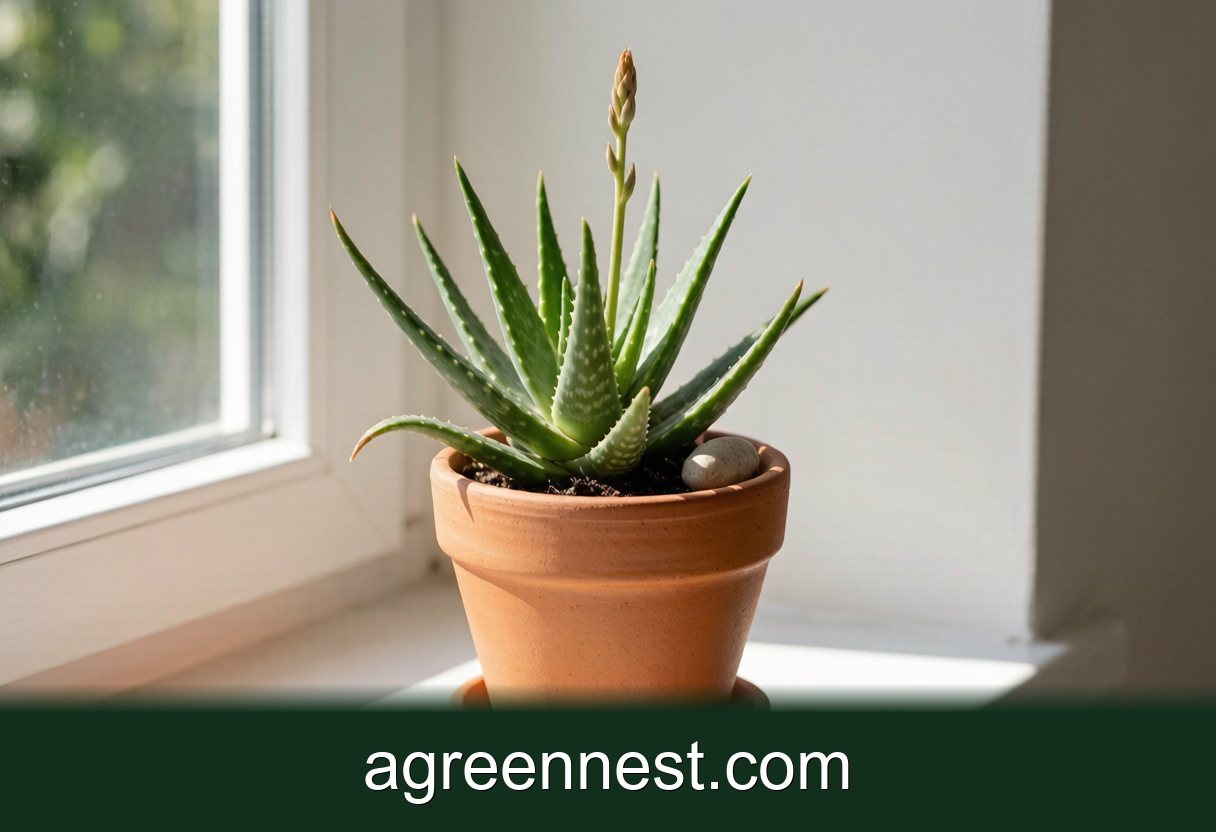
- Links to the full guides for Echeveria, Jade, Haworthia, Aloe, Lithops, and Donkey Tail
The mental model: a camel, not a fish
A succulent is a plant that stores water in its leaves, stem, or roots. That single fact explains almost everything. It wants to be thirsty between waterings, because being dry triggers the exact survival chemistry that keeps it compact and colored. Being wet and cold is what kills it.
So the whole game is: give it enough light to use water, give it enough water to not shrivel, and never let the two get out of step. Most people over-deliver on the second and forget the first.
Light — the part everyone underdoes
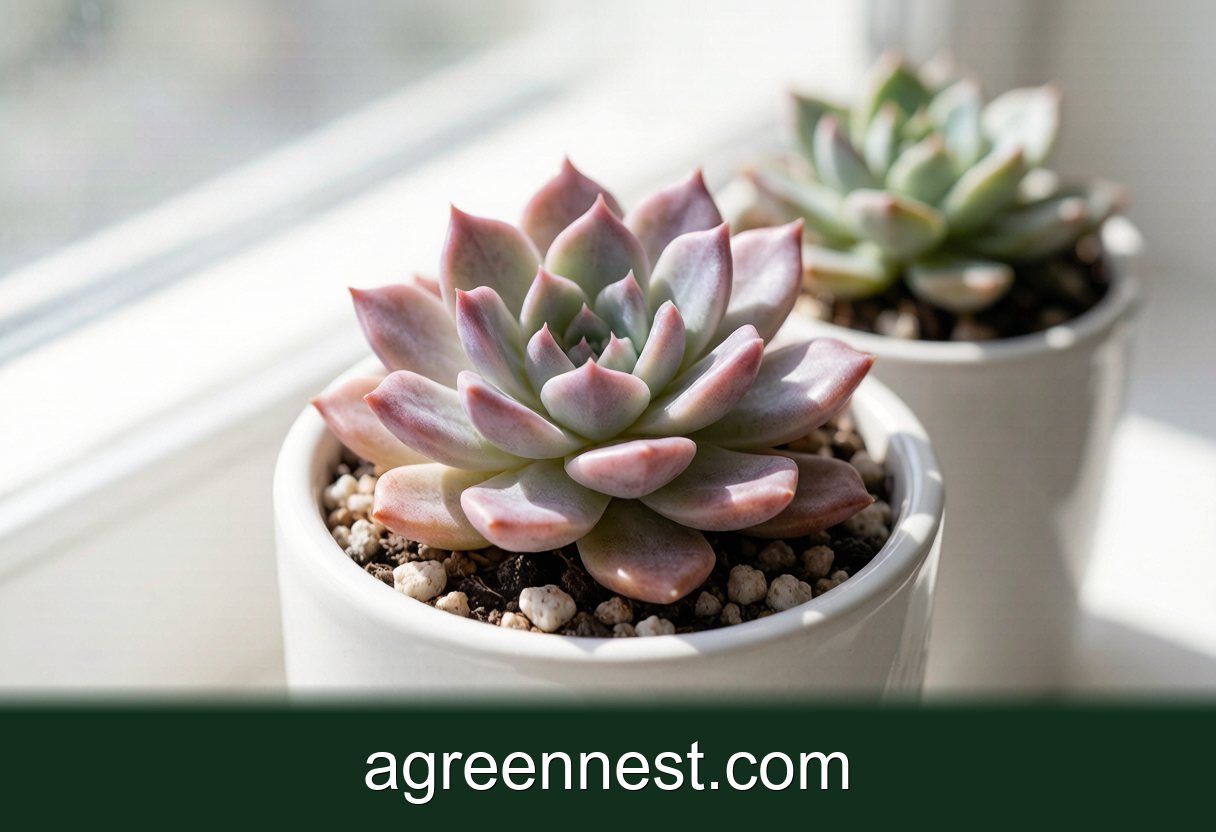
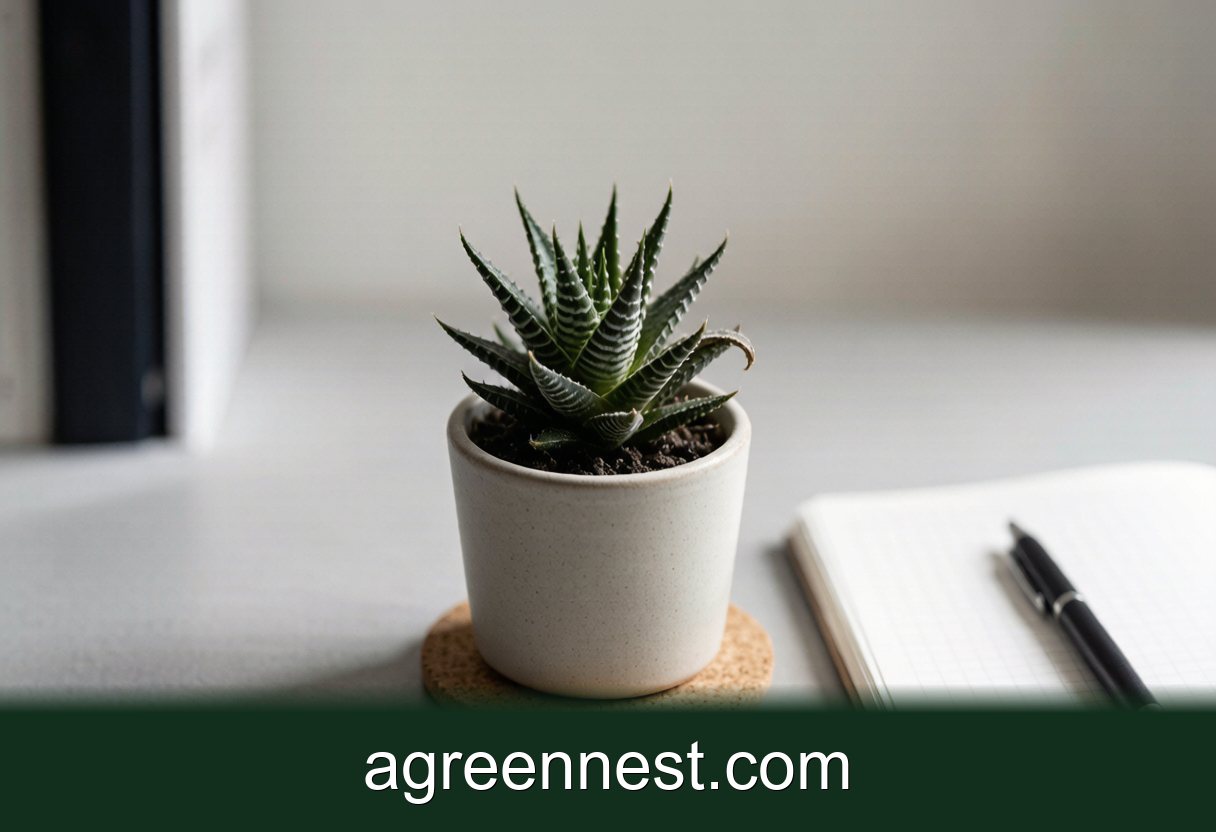
Succulents are sun plants. A north window will keep a Haworthia alive but it will never color up, and an Echeveria will stretch into a sad, pale rosette reaching for the glass.
A practical rule: - Bright south or west window: ideal for most rosette succulents. 5–7 hours of direct or very bright indirect light. - East window: good morning sun, fine for softer types. - North window: only for Haworthia, Gasteria, and Sansevieria. Everything else declines.
If you cannot give real sun, a grow light 12–14 hours a day at 200–400 µmol/m²/s fixes it. I resisted buying one for two years and my Echeverias looked like strings of sausages until I did.
Water — a rhythm, not a rule
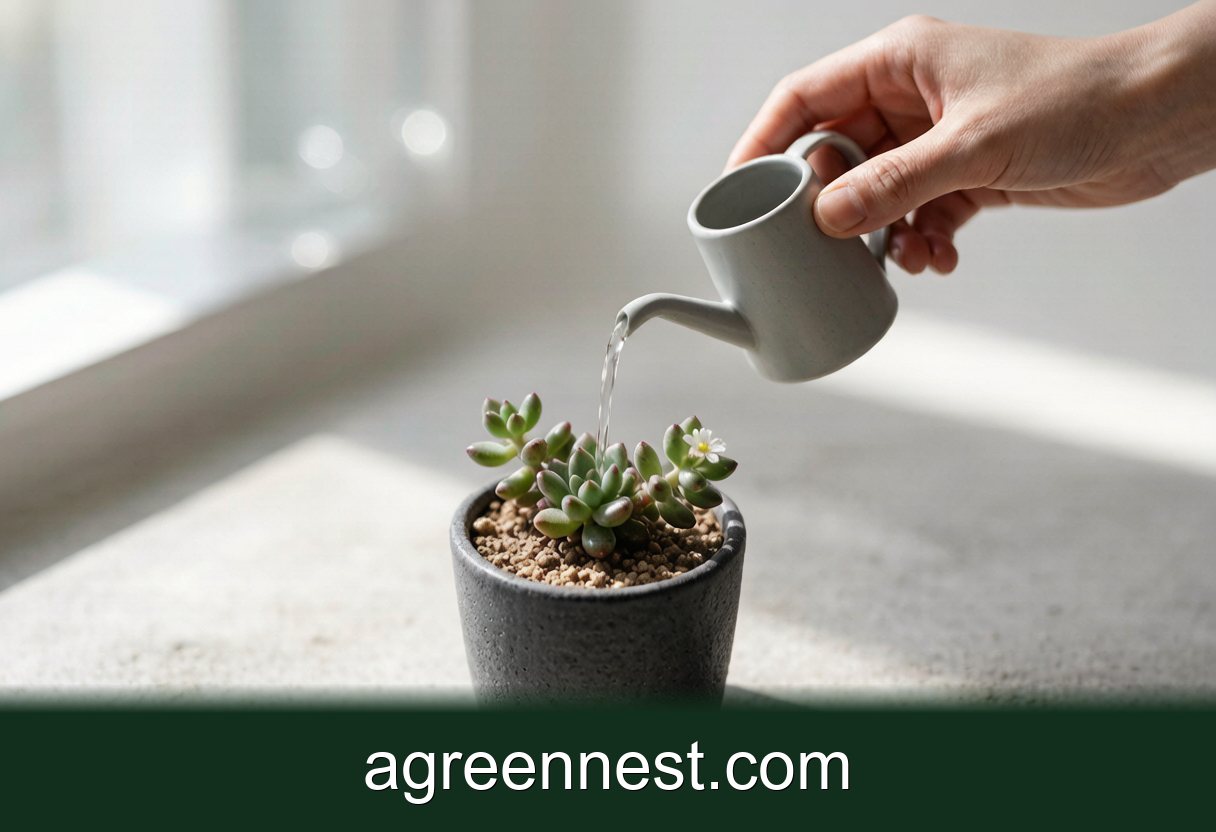
Forget "once a week." Water when the soil is dry all the way down and the plant shows the smallest sign of thirst — a slight wrinkle on a leaf, or leaves that feel less firm than last week.
In practice that means: - Summer, bright spot: every 7–10 days. - Winter, dormant: every 3–5 weeks, sometimes longer. - Small pot, hot room: check weekly. - Big pot, cool room: check every two weeks.
The full watering schedule breaks this down by plant. One hard rule: water the soil, not the rosette. Water sitting in the crown of an Echeveria rots it from the center out, and you will not see it until it is gone.
Soil — gritty beats rich
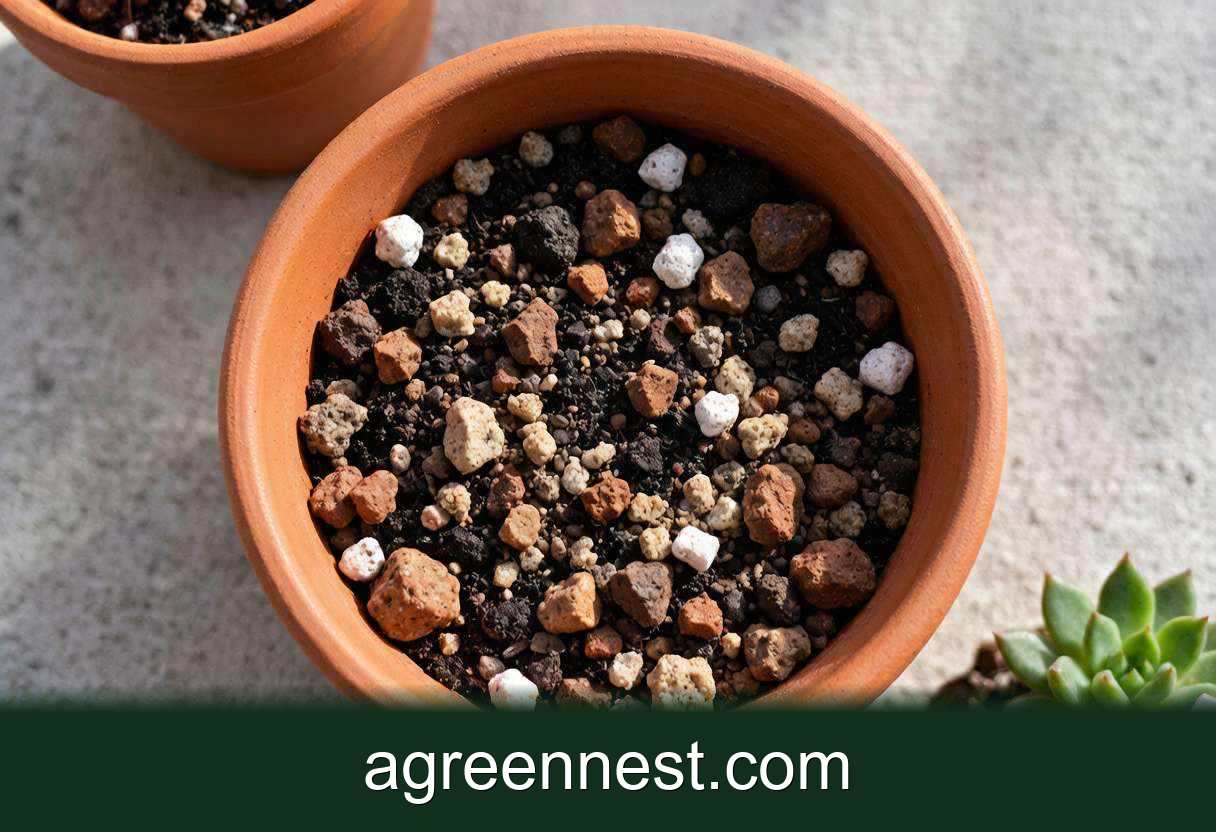
Succulents want soil that drains in seconds, not a bag of black peat that stays damp for a week. A gritty mix of about 1 part potting soil to 2 parts inorganic grit (pumice, coarse sand, or perlite) is the baseline. For the truly fussy ones, the exact gritty recipe is 1:1:1 crushed granite, turface, and pine bark — no peat at all.
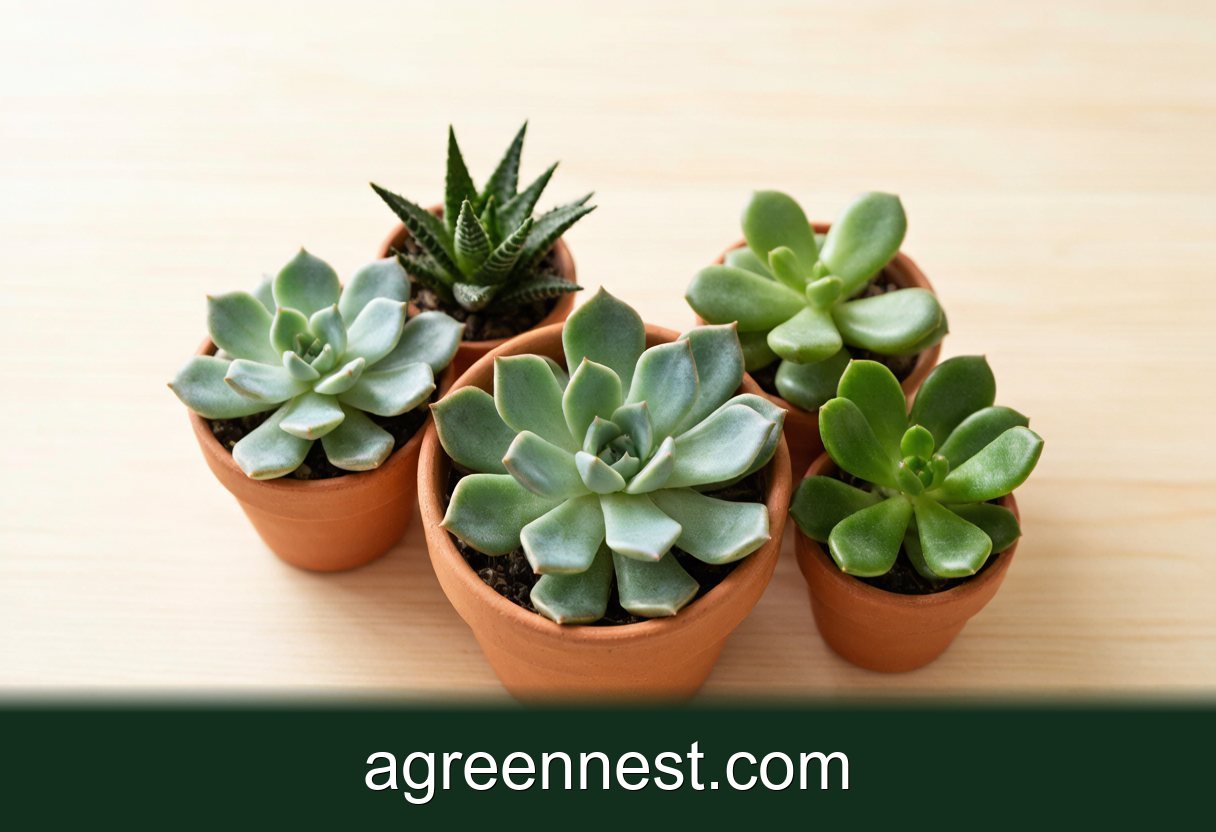
Terracotta pots help because the walls wick moisture out. Plastic holds it in. For a beginner, terracotta is the safer choice.
Propagation — the fun part
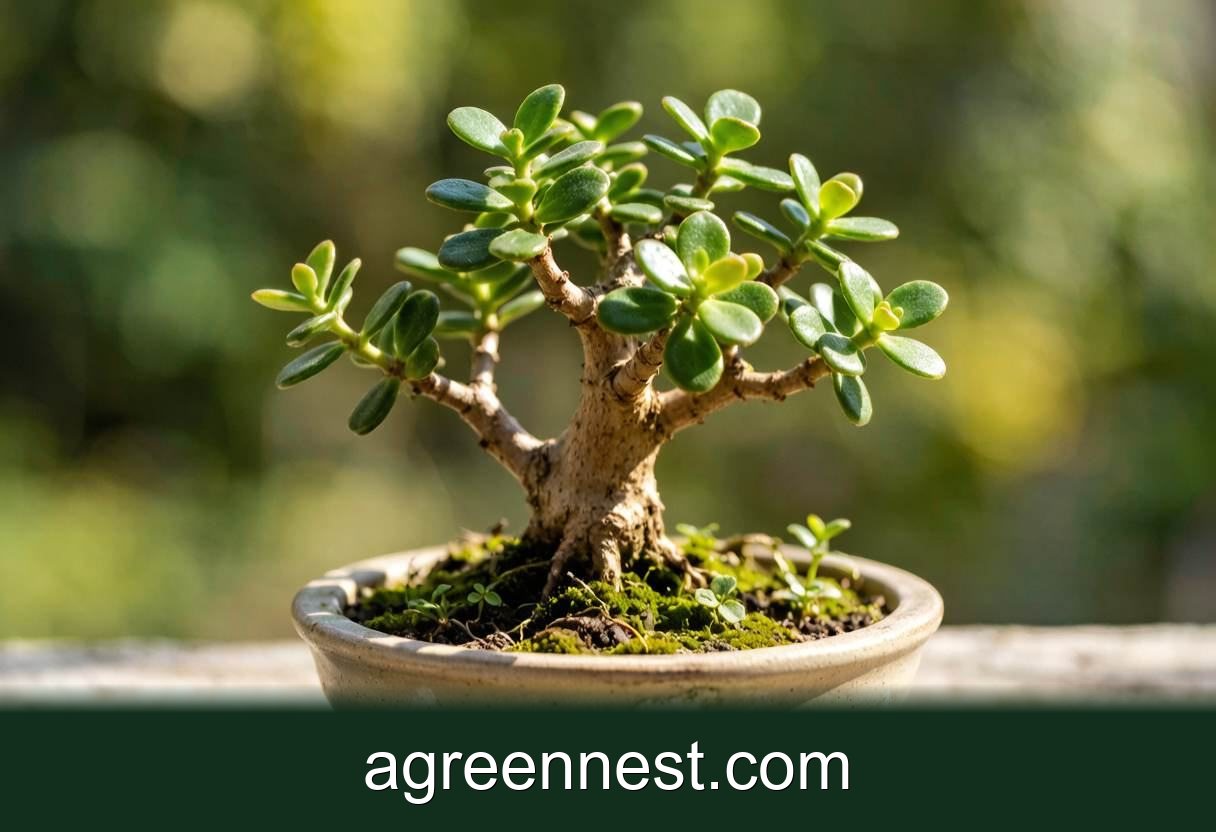
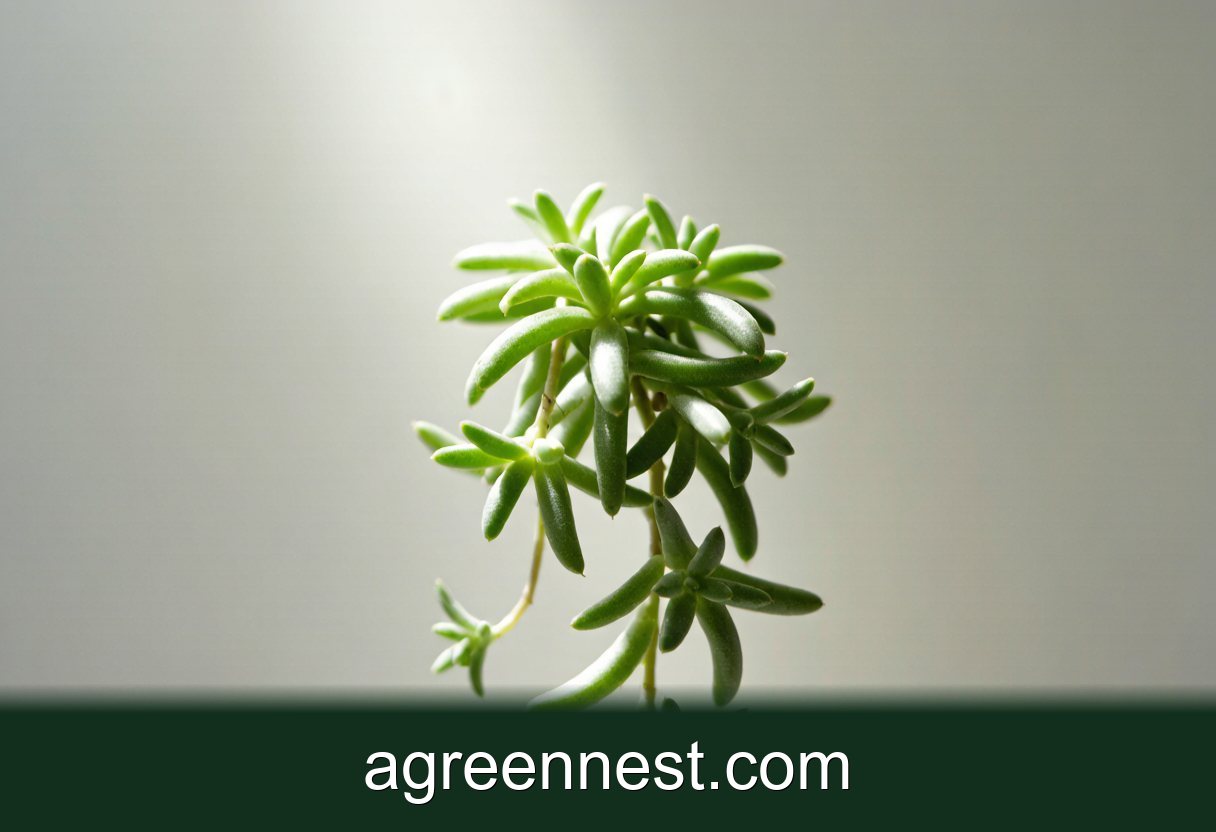
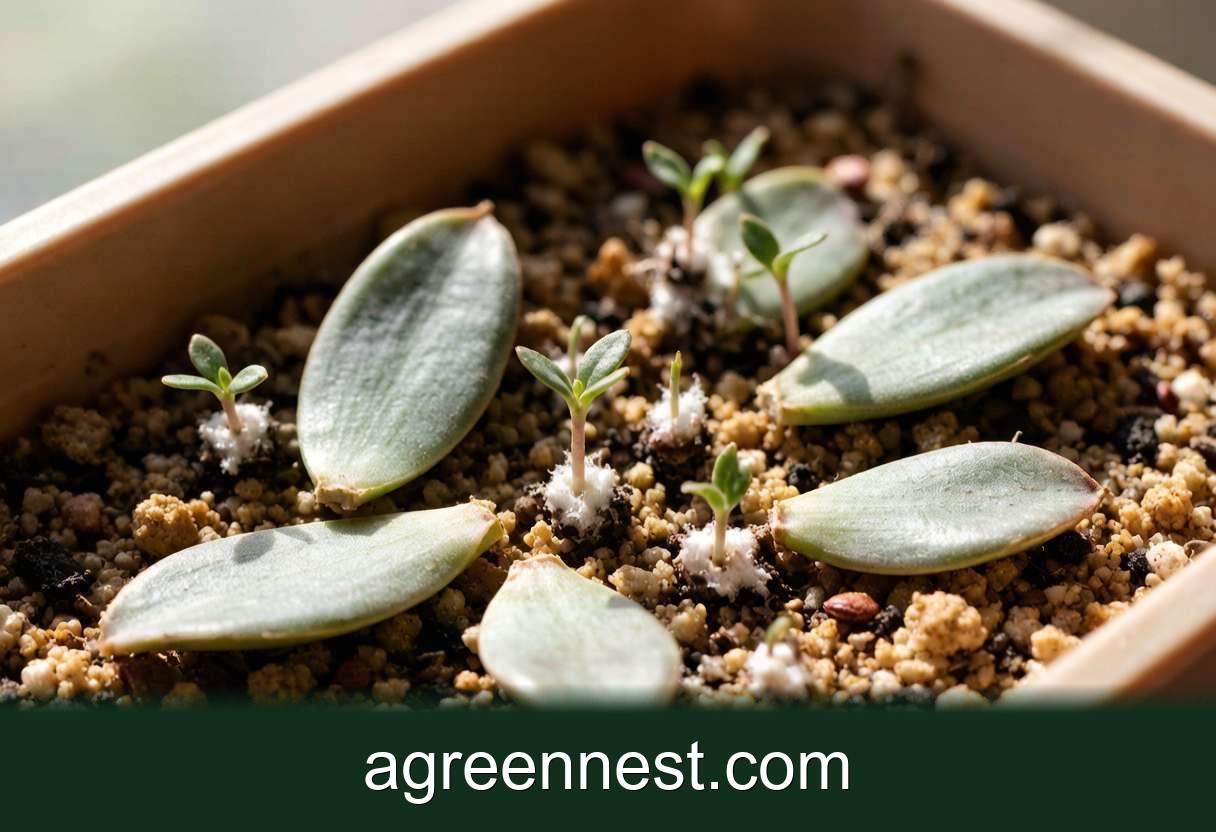
Most succulents multiply for free. Leaves twisted off cleanly and laid on dry soil will sprout roots and a tiny plantlet in 3–6 weeks if they get bright light and almost no water. Stem types like Jade and Donkey Tail root from cuttings in the same way.
The mistake is watering them like adults. A leaf with no roots cannot drink; it rots. Mist the soil once a week once roots show, not before.
Repotting without the panic
Repot in spring, one size up, and only when roots fill the pot or the soil has gone stale (usually after 2 years). Knock off old soil, trim dead roots, let the plant sit bare-root for a day so cuts callous, then plant in dry gritty mix and wait a week before the first water. That waiting week is what prevents rot at the fresh wounds.
Troubleshooting fast-path
- Stretching, pale, leaning: not enough light. Move to a brighter window or a grow light.
- Mushy, translucent, smells: rot from overwatering. See the root rot first aid and act today.
- Wrinkled but firm: underwatered — a good, safe wrinkle. Water.
- Brown scabs on top: sunburn from sudden full sun. Acclimate slowly.
- Cottony clumps in leaf joints: mealybugs — here is the treatment.
- Shriveled but squishy base: freeze damage or rot; check the roots before watering.
Seasonal note
Succulents slow down in winter. Less water, no fertilizer, and as much light as you can give. Overwintering indoors is mostly about not watering a dormant plant in a cold room — that combination is fatal.
Start with the mental model — camel, not fish — and the rest is细节. Pick the species guide for the plant on your windowsill, set a reminder to check the soil rather than the calendar, and resist watering on a schedule. If you only take one link from this page, make it the watering schedule; it is the single habit that turns brown mush into a plant you are proud of.
Recommended Tools for Succulent Care
Free, no-signup helpers matched to this guide.
Free Ebooks to Explore
Downloadable handbooks — no email required.
Free Ebook
The AGreenNest Succulent Care Handbook
The complete, beginner-to-confident guide to growing fat, happy succulents — 10 chapters and a 20-plant directory.
Free Ebook
Haworthia & Haworthiopsis Care Handbook
A focused guide to the striped, forgiving Haworthia clan.
Join the Conversation
Have a tip or a question about The Complete Indoor Succulent Care Manual? Share it below — comments are saved on our server.