 AGreenNest
Succulent Care
5 Succulent Repotting Mistakes (and the Fixes)
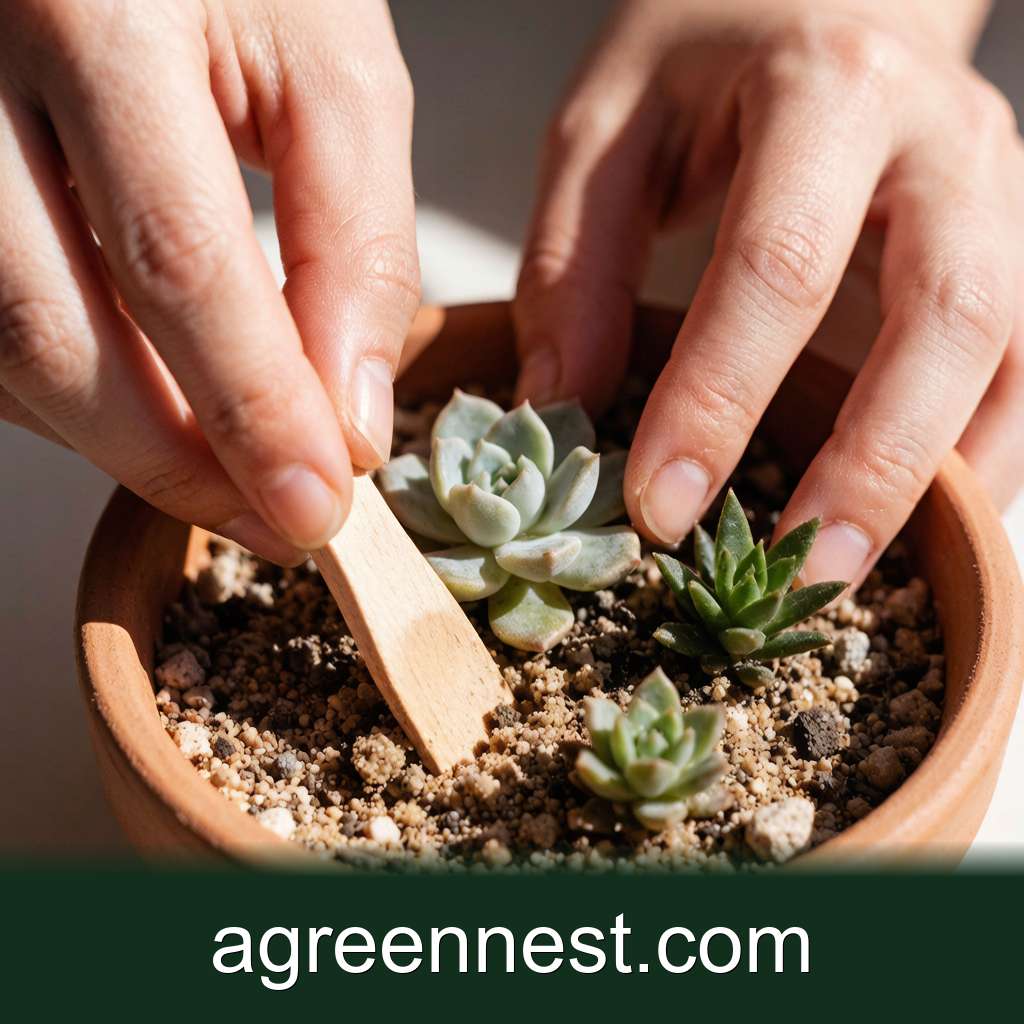
Repotting looks simple until the plant you moved last weekend starts leaning, yellowing, or rotting from the base. Most losses trace back to a handful of repeatable errors made in the first few days after the move. Here are the five I see most often, each with the fix that works in practice. A plant can look fine on Monday and collapse by Friday when one of these errors is in play, because the damage starts underground where you cannot see it.
Mistake 1: Watering Immediately After Repotting
The instinct is to "settle the soil" with a good drink. For succulents that drink is often the start of rot, because disturbed roots have tiny tears that take days to seal. I wait 5 to 7 days after repotting before the first light watering, giving cuts time to close.
The fix: pot into dry soil and hold off on water. If the plant looks a little thirsty, a brief mist is enough until the waiting period ends, and most species recover the slight wilt within a day of that first proper watering.
Mistake 2: Using Wet or Rich Soil
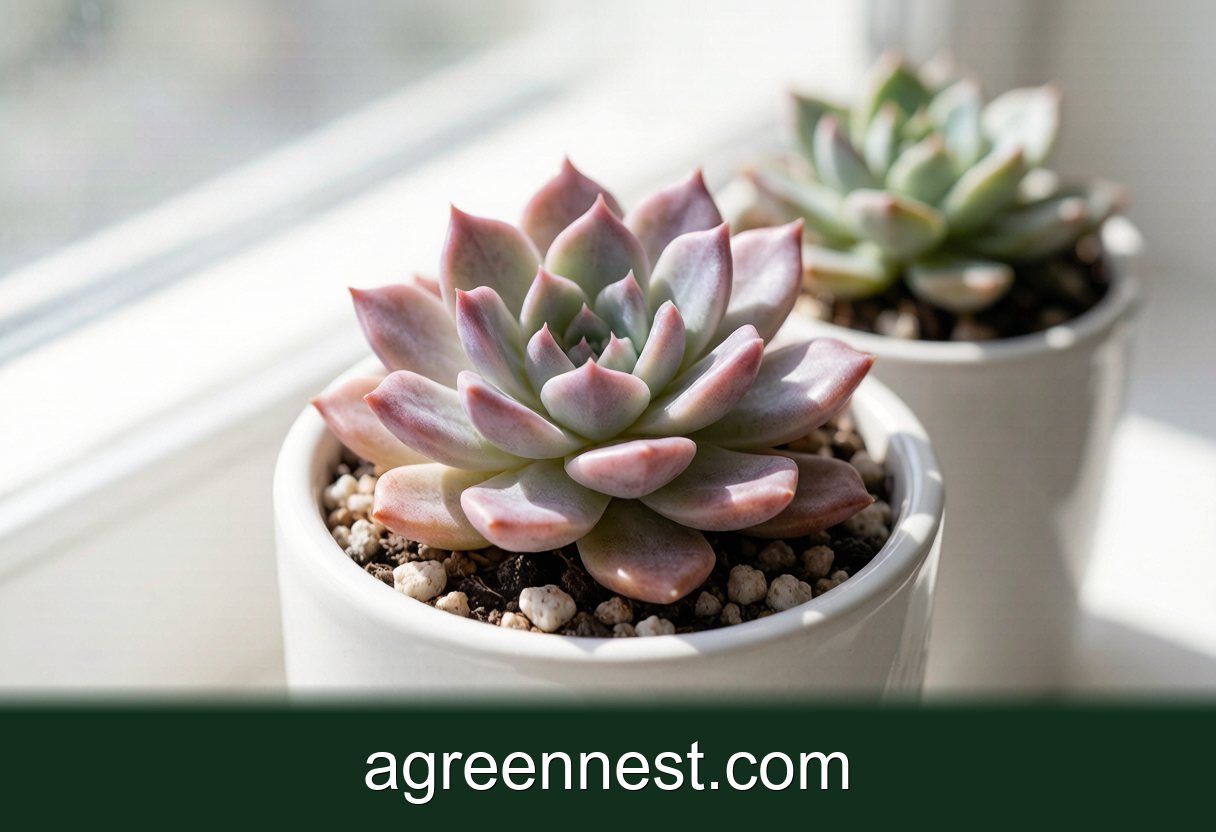
Fresh, damp, peat-heavy mix stays cold and soggy around the roots right when the plant is most vulnerable. I opened a bag once that felt like a wrung-out sponge and used it anyway; the Echeveria I moved into it dropped three leaves within a week.
The fix: use a dry, gritty blend. Our step-by-step repotting guide starts with dry soil for this reason, and the best succulent soil options all share a fast-draining base. For a mix you control, our gritty soil recipe gives the exact 1:2 ratio of soil to inorganic grit.
Mistake 3: Choosing a Pot That Is Too Big
A roomy pot feels safe, but extra soil holds extra water far longer than the roots can use. The wet zone around a small root ball in a large container is a rot trap. I size up only one container width, about 2 to 3 cm larger in diameter, at each repot.
The fix: pick the next size up, not two. A snug pot chosen for drainage and fit dries in days instead of weeks. Pair it with the porous terracotta that pulls moisture from the soil for the safest setup.
Mistake 4: Not Letting Cuts Callous
When you trim a root or separate a pup, the fresh wound is an open door for fungi in damp soil. Rushing the plant straight into a watered pot skips the protective skin that forms in air.
The fix: after any cutting, lay the plant bare-root on a dry surface for about a day so the wound dries to a film. Only then set it in soil. In warm, dry air above 20°C the callous forms faster, sometimes in under 24 hours.
Mistake 5: Burying the Stem or Lower Leaves
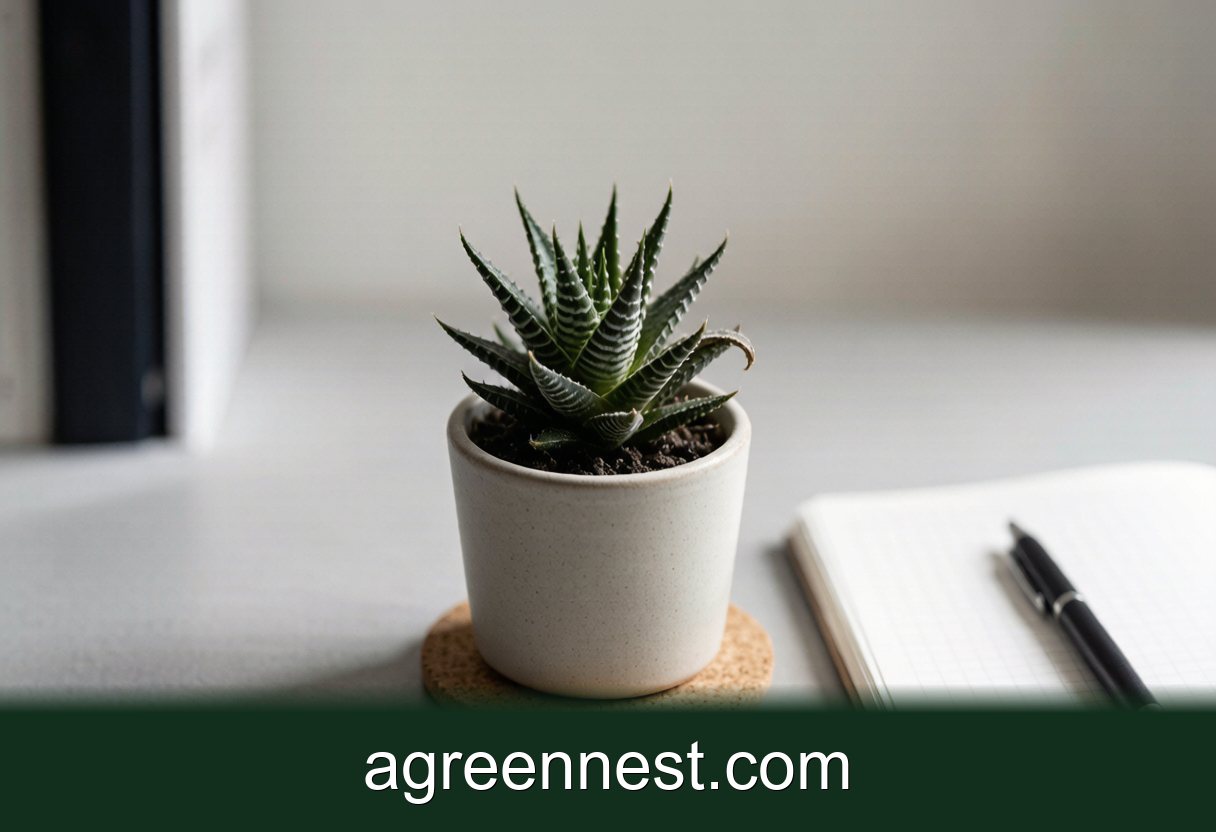
It is tempting to tuck the crown down level with the soil, but trapped moisture against the stem base and lower leaves causes rot from below. I lost a Haworthia this way when its leaves sat flush on wet grit.
The fix: keep the crown and the lowest leaves clearly above the soil line. Mound the mix so the base sits slightly proud, and add a half-inch of gravel top dressing to keep leaves off damp surfaces. I now check the finished pot from the side; if any leaf touches the grit, I pull it free or add more gravel until there is a clear gap. This single habit prevents a large share of repot failures.
A Quick Repot Checklist
- Repot in spring or early summer when growth is active.
- Use dry gritty soil and a pot one size up.
- Let any cut ends callous for a day.
- Set the crown above the soil; top-dress with gravel.
- Wait 5 to 7 days, then water lightly.
Frequently Asked Questions
Q: How many days should I wait before watering after repotting a succulent?
A:
Wait 5 to 7 days so disturbed roots seal their cuts. Water lightly after that, and only if the soil has dried.
Q: Can I repot into soil straight from a sealed bag?
A:
Usually not if it feels damp. Use dry gritty mix; damp peat-heavy soil around fresh roots causes rot within a week.
Q: Why did my succulent rot after moving to a bigger pot?
A:
A pot that is too large holds water far longer than the small root ball uses, creating a wet zone that rots roots. Go up only one size, about 2 to 3 cm.
Q: Do I need to let a broken root end dry before replanting?
A:
Yes. A bare-root rest of about a day lets the cut callous in air, which blocks the fungi that enter wet soil through fresh wounds.
Q: How high should the crown sit above the soil after repotting?
A:
Keep the crown and lowest leaves clearly above the line. Mound the mix so the base sits proud and add gravel to lift leaves off damp grit.
Most repot losses come from rushing the first week, not from the move itself. Walk through our step-by-step repotting guide before your next transplant and you will avoid all five traps above.
Recommended Tools for Succulent Care
Free, no-signup helpers matched to this guide.
Free Ebooks to Explore
Downloadable handbooks — no email required.
Free Ebook
The AGreenNest Succulent Care Handbook
The complete, beginner-to-confident guide to growing fat, happy succulents — 10 chapters and a 20-plant directory.
Free Ebook
Haworthia & Haworthiopsis Care Handbook
A focused guide to the striped, forgiving Haworthia clan.
Join the Conversation
Have a tip or a question about 5 Succulent Repotting Mistakes (and the Fixes)? Share it below — comments are saved on our server.