 AGreenNest
Plant Pests & Diseases
I Rescued a Fiddle Leaf Fig from Scale
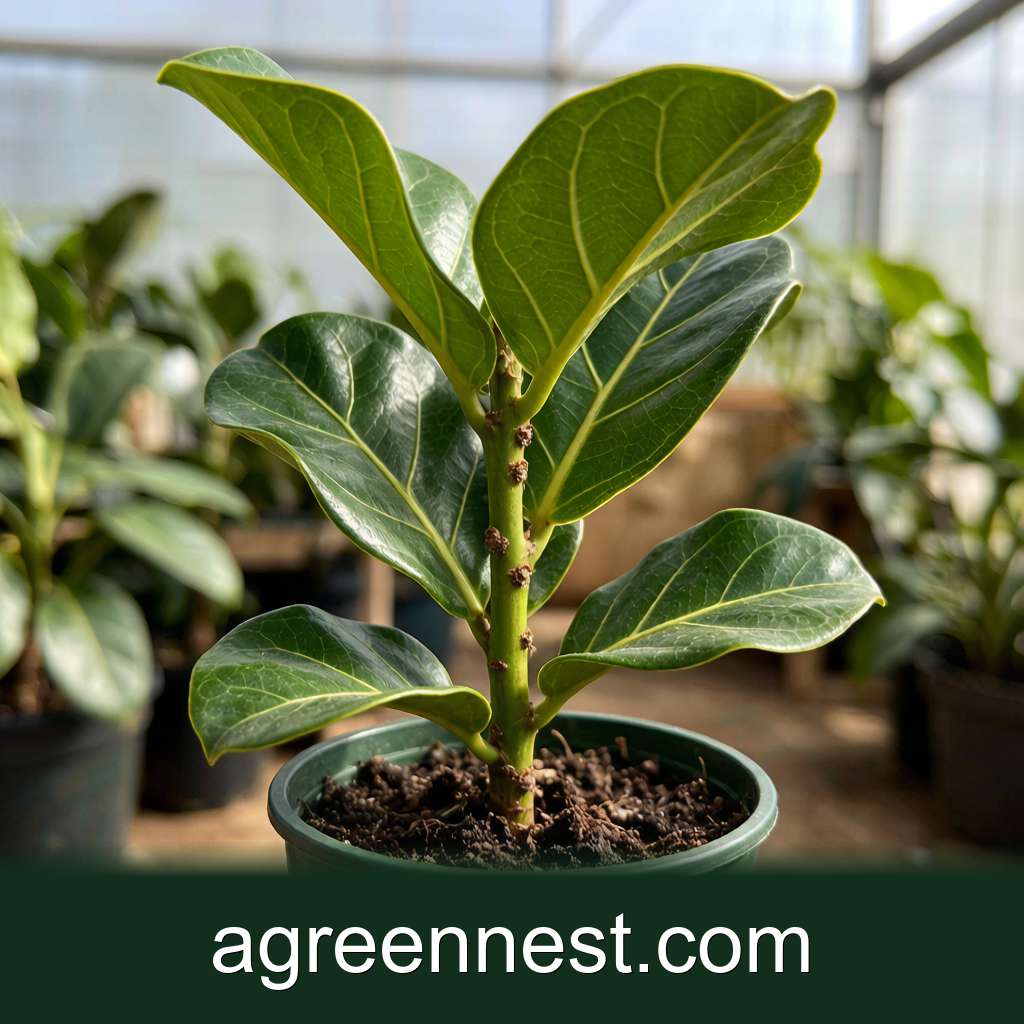
I almost binned my fiddle leaf fig the afternoon I found brown lumps welded to its stems. They looked like part of the bark at first, small domes the colour of weak coffee, and I only noticed them because a leaf had gone yellow and flopped overnight. That was the moment I learned what scale looks like on a Ficus lyrata, and the four weeks that followed is the rescue I want to walk through.
Diagnosing the problem
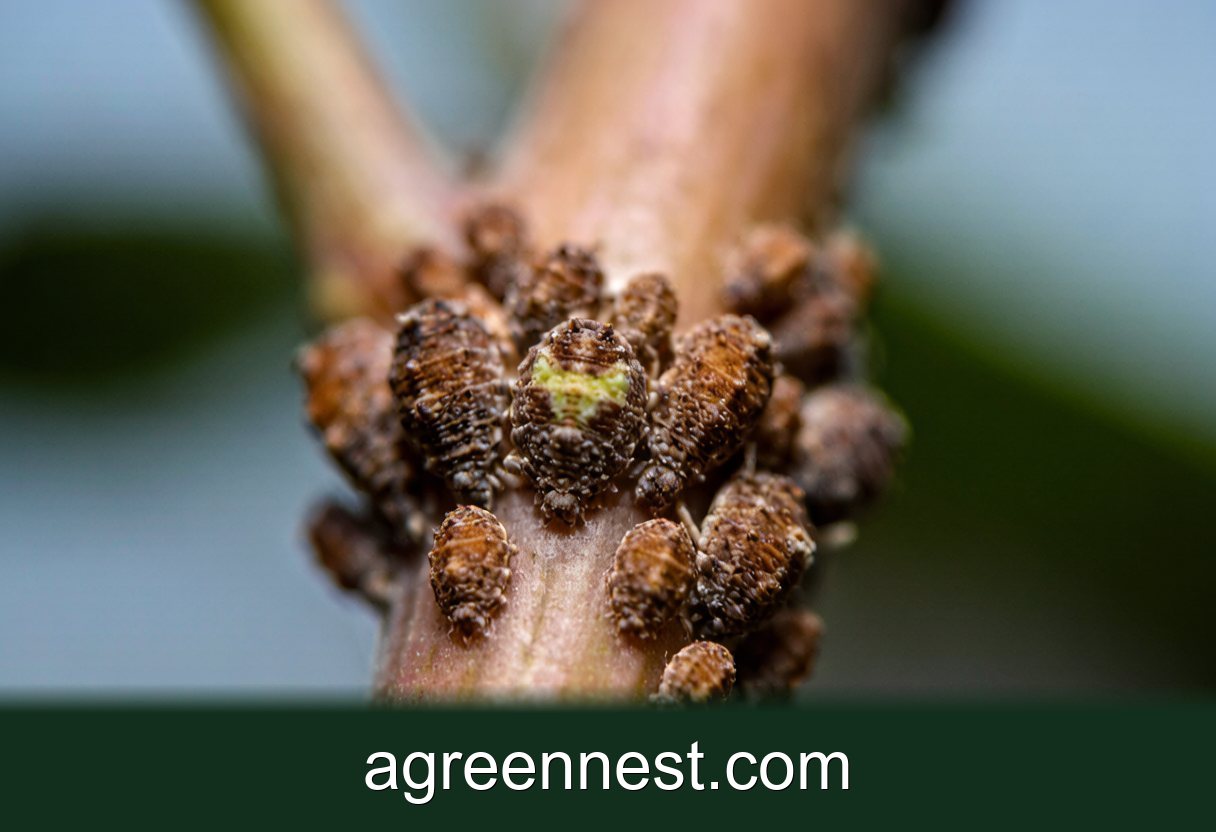
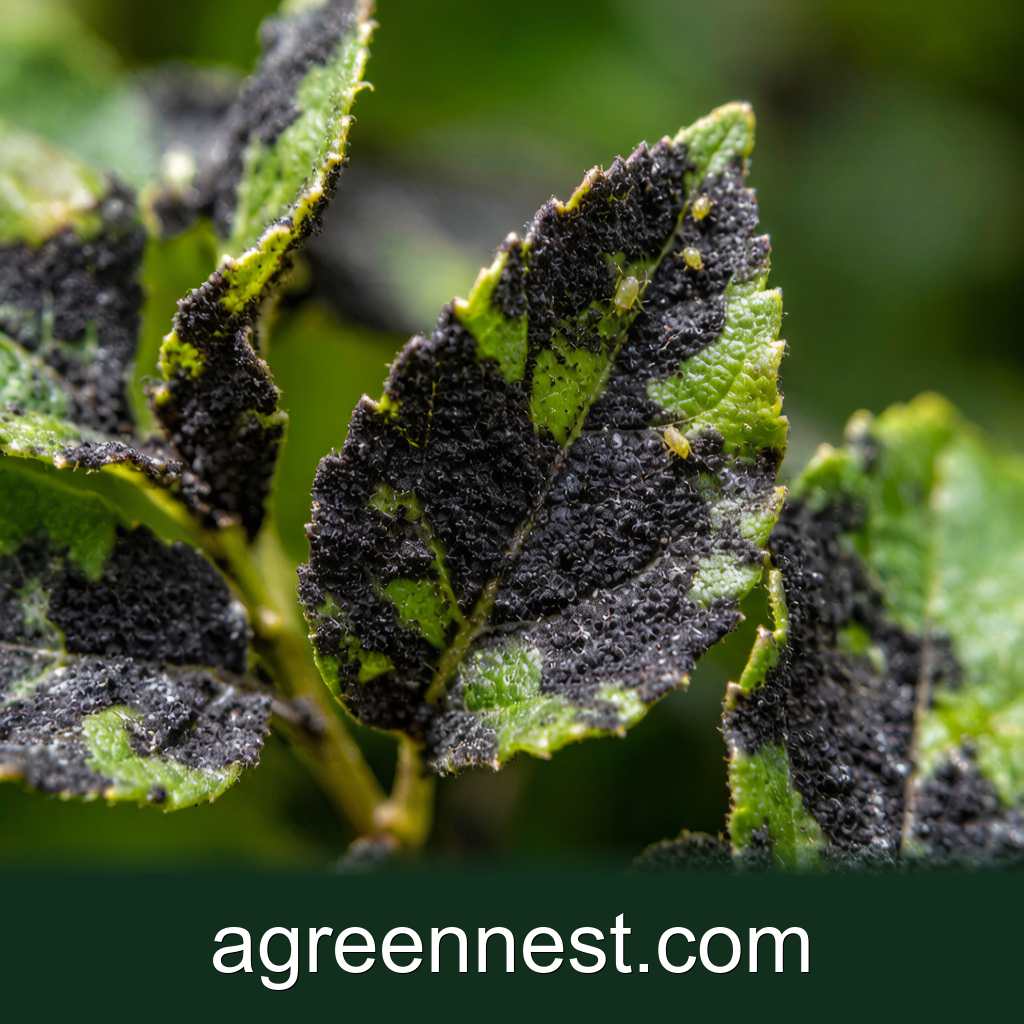
Scale does not announce itself the way other pests do. There were no webs and no tiny white fluff, just those hard brown bumps clamped to the stems and the main leaf veins. The second clue was stickier than I expected: a shiny film on the upper leaves, called honeydew, which the insects excrete as they feed. Where honeydew sits, sooty mould often follows, and sure enough a faint grey dust was starting on two leaves.
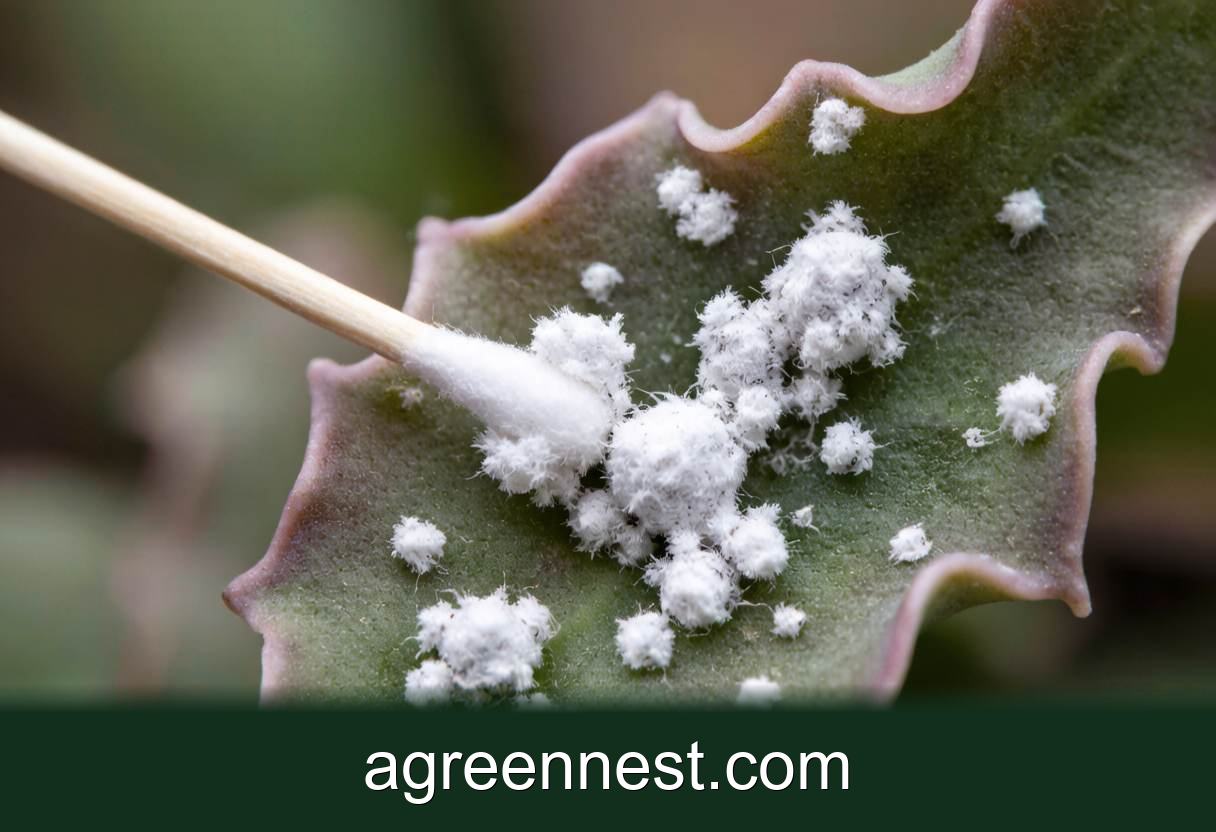
I had to rule out the lookalikes before I committed to a plan. Mealybugs are the easy one to tell apart: they are soft, white, and cottony, and they cluster in the leaf axils where you can wipe them away with a finger. Aphids are soft bodied too, usually green or black, and they move and reproduce in visible crowds on fresh growth. Scale, by contrast, is fixed in place, wears a waxy shell, and will not budge when you touch it. If you ever see fine webbing instead of bumps, you are dealing with spider mites, a different fix entirely.
The third sign on my plant was stress from the feed damage itself: a handful of yellow leaves and a general limpness. A weakened fiddle leaf fig is also a thirsty one in the wrong way, so I checked soil moisture before doing anything else with a moisture meter. It read wet at 5cm, which told me I had been overwatering and softening the plant for the infestation.
The week-by-week rescue
Week 1: isolate and physically remove. I moved the plant to the far end of the room, roughly two metres from the nearest other pot, so nothing could crawl across. Then I took cotton buds soaked in 70% isopropyl alcohol and wiped every single bump off, stem by stem, vein by vein. The alcohol dissolves the waxy shell and the insect underneath dies on contact. I also pruned the three worst leaves at the base, the ones with the most scale and the yellowest tissue, to cut the population down before treatment.
Week 2: coat with oil or soap. Starting on day two of the quarantine, I sprayed the whole plant with neem oil every five to seven days, covering both the top and underside of every leaf and the stems. Neem works as a smothering film and a feeding deterrent, so coverage beats intensity. On denser weeks I used an insecticidal soap instead, which knocks scale off on contact but needs the same thorough spray.
Week 3: the first new leaf. Around day eighteen I saw a fresh leaf beginning to unfurl at the top, pale green and clean, with no bumps along its midrib. The existing leaves still had a few stubborn shells near the older wood, but the count was clearly dropping and the honeydew film had stopped spreading. That is the sign you are winning: new growth coming in unscathed while the old damage dries and flakes off.
Week 4: monitor the hiding spots. Scale loves the leaf axils and the crease where a stem meets the soil, so I kept checking those every few days with a torch. I ran one more neem spray at the seven day mark and then stepped back to observation. In my experience the plant was past the danger point by week four, though I kept it isolated for an extra week to be safe.
What I would do differently
I waited too long before isolating. The bumps had been there for two weeks while I mistook them for dirt, and that lost time let the population climb. Next time I will quarantine on suspicion alone, because a two metre gap costs nothing and a spread to my other plants would have meant repeating the whole process.
I would also prune harder in week one. I kept two leaves I hoped would recover, and both of them ended up as the last holdouts of live scale, so they needed extra sprays. Cutting them early would have meant one less treatment round. And I should have started the moisture meter habit sooner: the correct watering rhythm is what keeps a fiddle leaf fig strong enough to shrug off minor pest pressure, and my soggy soil was quietly doing the opposite.
Preventing the next infestation
Quarantine every new plant for two weeks before it meets the rest of your collection. Scale often rides in on a clean leaf, and a short isolation window catches it before it spreads. Inspect the leaf axils and stems with a torch once a fortnight, because that is where scale settles first and where it is easiest to miss.
Keep the plant healthy through watering discipline rather than constant spraying. A fiddle leaf fig in steady moisture puts out firmer growth that pests struggle to colonise, and a moisture meter removes the guesswork that leads to overwatering. Build those checks into a routine and the early warning becomes automatic rather than a panic.
Frequently Asked Questions
Q: How do I tell scale from the normal bumps on a fiddle leaf fig stem?
A:
Real scale is a separate dome stuck on top of the stem or leaf vein, not part of the bark, and it will not scrape off the way a bit of dirt would. Rub it gently with a 70% alcohol swab; true scale comes away as a soft brown smear while bark stays put.
Q: Can I just spray neem oil and skip the alcohol swabs?
A:
You can try, but swabbing week one removes the adult shell that oil alone struggles to penetrate. In my rescue the manual wipe cut the count so the later sprays could finish the job, and skipping it meant more rounds.
Q: How far should I keep an infested fig from my other plants?
A:
About two metres, on a separate surface if you can, because scale crawlers can walk short distances and hitch rides on clothing. Keep it there for the full four week rescue plus a week of clean checks.
Q: Will the yellow leaves from scale recover or should I cut them?
A:
Cut the heavily infested and yellowed ones at the base in week one to reduce the insect load, and let mildly affected ones ride if they are still mostly green. New leaves will replace the lost foliage once feeding stops.
Q: How many weeks until a fiddle leaf fig is clear of scale?
A:
Plan on four weeks of active treatment with swabs in week one and sprays every five to seven days after, then a fifth week of monitoring. Fresh unscathed growth is the sign you have actually won.
Q: Is honeydew on the leaves dangerous by itself?
A:
It is sticky and ugly and can grow sooty mould, but the real damage is the sap feeding underneath. Wipe the honeydew off as you treat, since the clear film also blocks light from the leaf surface.
Four weeks and a lot of cotton buds later, that fiddle leaf fig is putting out a new leaf every couple of weeks and the stems are clean. The rescue was boring and repetitive rather than clever, and that is the point: isolate, wipe, spray both sides, and watch the axils. For the daily habits that keep it from coming back, our beginner path is where I would send you next.
Recommended Tools for Plant Pests & Diseases Care
Free, no-signup helpers matched to this guide.
🔍 Free Tool
Pest & Problem Identifier
Pick the symptoms you see and get the likely culprit plus a fix.
Free Ebooks to Explore
Downloadable handbooks — no email required.
Free Ebook
The AGreenNest Succulent Care Handbook
The complete, beginner-to-confident guide to growing fat, happy succulents — 10 chapters and a 20-plant directory.
Free Ebook
Haworthia & Haworthiopsis Care Handbook
A focused guide to the striped, forgiving Haworthia clan.

Join the Conversation
Have a tip or a question about I Rescued a Fiddle Leaf Fig from Scale? Share it below — comments are saved on our server.