 AGreenNest
Hydroponic Growing
Hydroponics in 30 Days: Your First Harvest From a Bucket
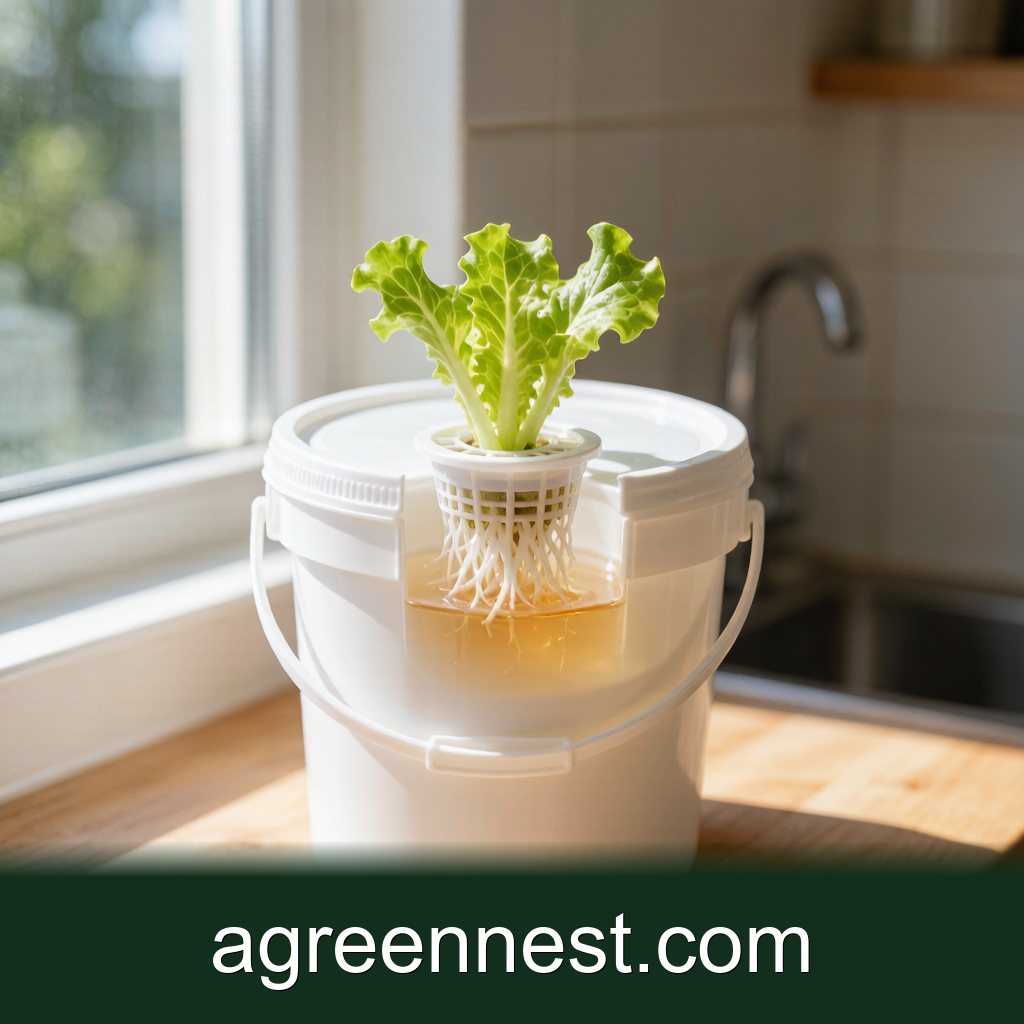
Run Hydroponics in 30 Days at steady strength: 1.5-2.0 EC, pH 5.8-6.2, reservoir 18-22 C. Provide low to medium light for 14-16 hours a day. The only common failure is stale solution, so top up daily and swap the reservoir every 7-14 days so roots stay white and active.
People ask me for the cheapest way to start hydroponics, and I give the same answer every time: one bucket, one plant, one crop you will actually eat. You do not need a tent, a pump, or a degree. You need a reservoir, a net pot, and the discipline to check the pH twice a week. I have built this exact setup on a windowsill and pulled a bowl of greens in under a month, and you can too.
What do I actually need to start?
Here is the exact parts list for a single Kratky or deep water culture bucket. No more, no less.
- A 10 to 20 litre food grade bucket with a lid.
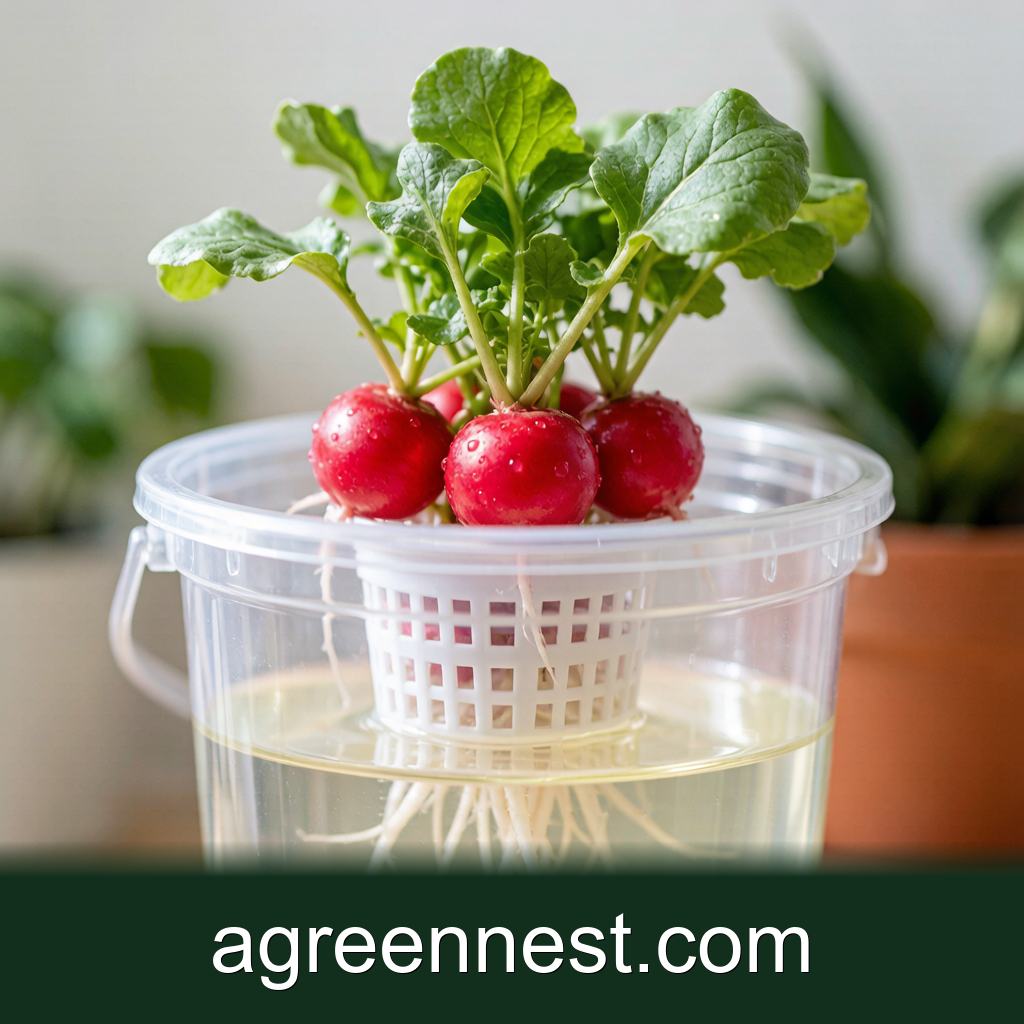
- One net pot, 7 to 10cm, that sits in a hole cut in the lid.
- A small cube of rockwool or coir for the seed.
- A bottle of balanced hydroponic nutrient and a pH down solution (usually phosphoric acid).
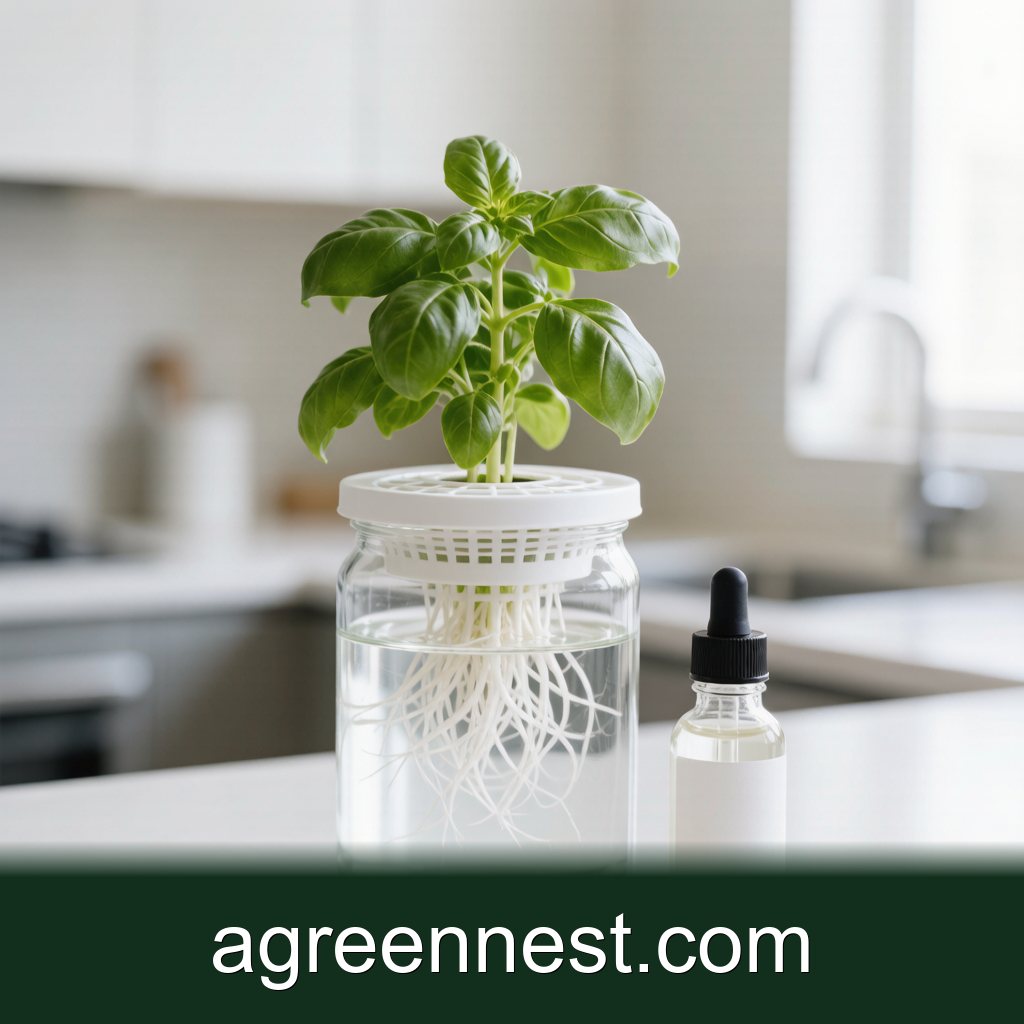
- A pH test dropper or pen, and an EC or TDS meter if your budget allows.
That is it. The Kratky method needs no pump at all, because the plant sits above a still reservoir and drinks as the level drops. The DWC build adds an air stone, which I prefer for leafy greens because the cool, moving water grows them faster. Start with one bucket so a mistake costs you one plant, not ten.
Which crop should a first-timer grow?
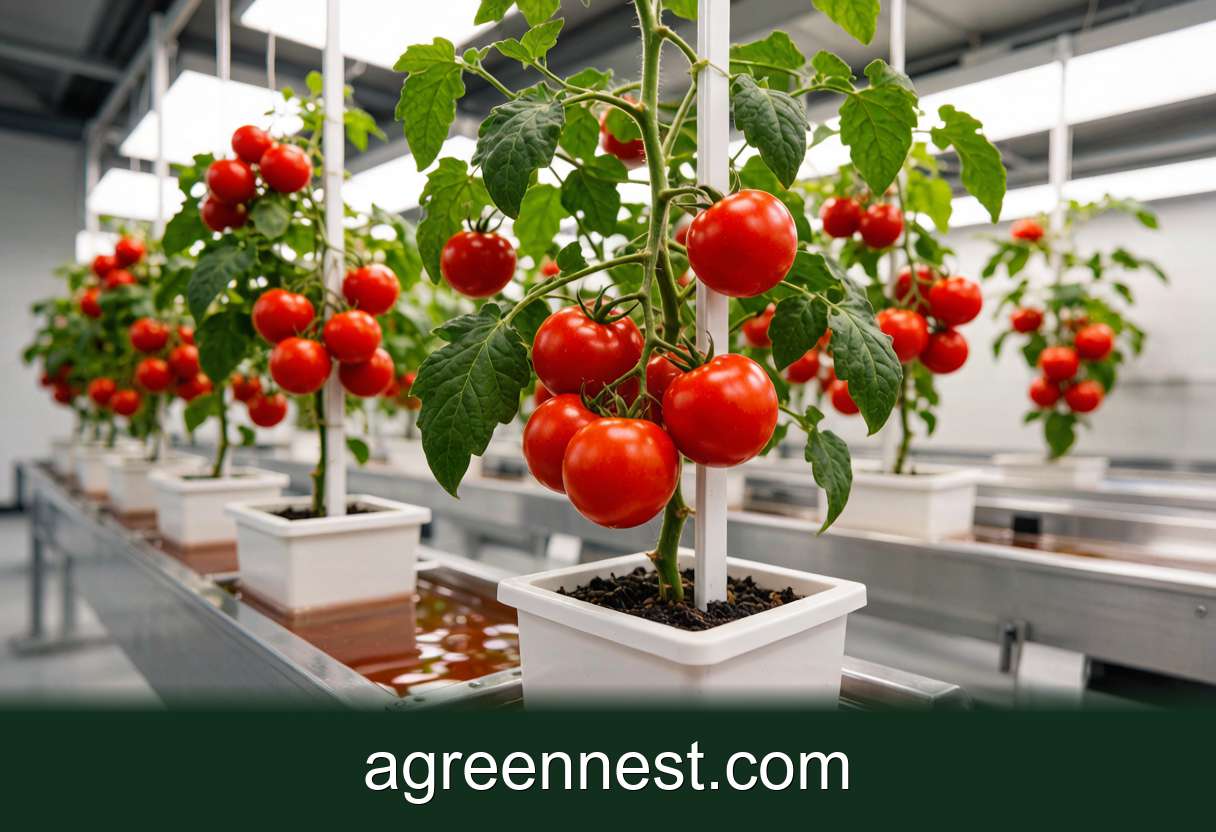
Grow a leafy green, not a tomato. Lettuce, Lactuca sativa, arugula, or pak choi reach harvest in 25 to 40 days and forgive the small errors a beginner makes. Tomatoes (Solanum lycopersicum) and peppers (Capsicum annuum) take 60 to 100 days, demand precise EC, and punish a pH swing with blossom end rot. Save them for your third bucket.
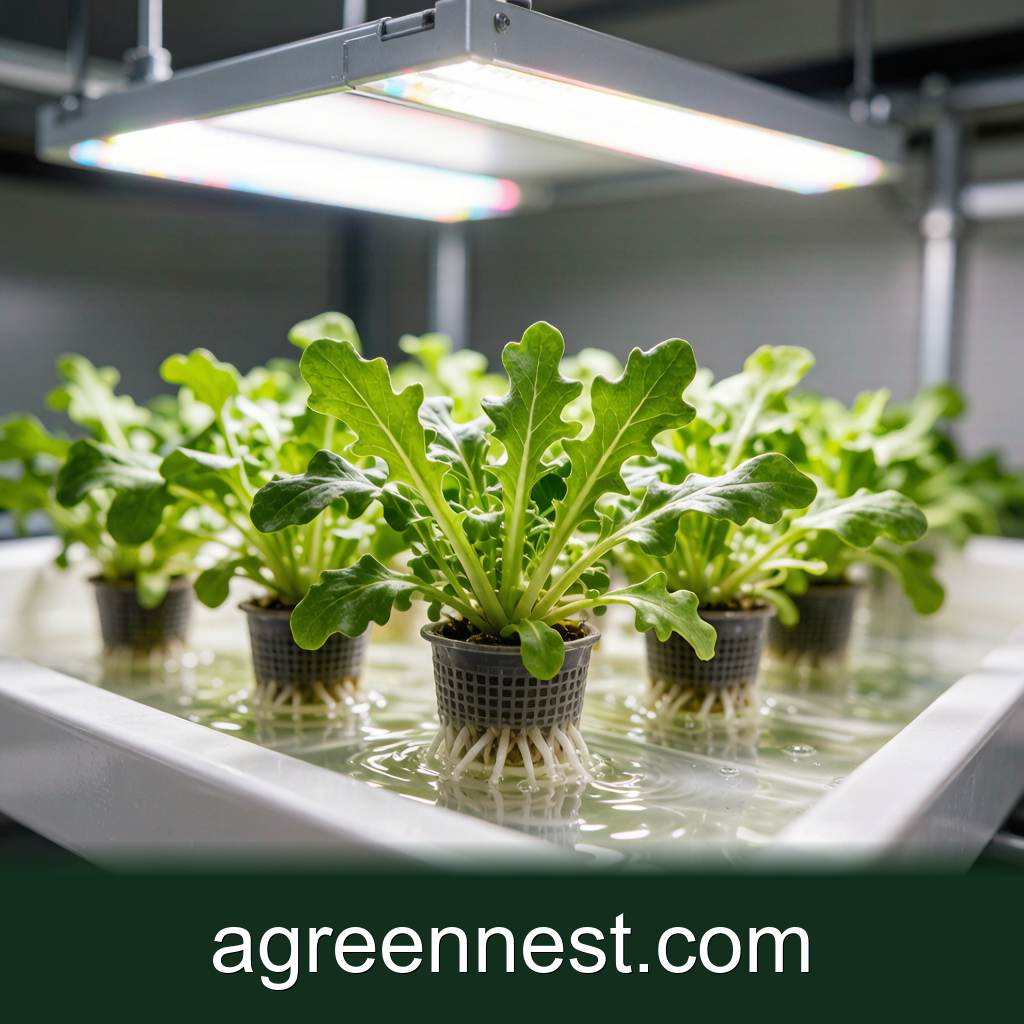
Sow two to three seeds per net pot and thin to one strong seedling at two weeks. Keep the seedling under a grow light on a timer for 12 to 14 hours a day, or on a bright south sill in summer, until the roots reach the nutrient. The herbs guide lists other fast crops if you want variety after the first win.
The pH and EC numbers that matter
Hold the nutrient pH at 5.8 to 6.2. Outside that band, roots cannot take up iron and calcium even when they are in the mix, and you get pale, tip burned leaves for no obvious reason. Check pH every three to four days and correct with a few drops of pH down. I treat pH as the one number I never skip, because every other problem traces back to it.
Run the strength at EC 1.0 to 1.6, or about 500 to 800 parts per million, for lettuce and arugula. That is a light feed. Leafy greens are light feeders, and a strong solution just burns the roots. The nutrients guide explains how to mix from concentrate and read the meter, and the pH management guide covers the cheap testers that catch drift before it hurts the plant.
How do I know the pH is right?
You know it is right when the leaves stay green to the edges and the roots are white, not brown. Test the reservoir, not the tap water, because the nutrient changes the reading. Aim for 5.8 to 6.2 on the pen, and if you are using drops, match the colour chart under daylight, not a warm kitchen bulb. A reading of 6.5 or above is the early warning: the plant is about to stall even though it looks fine today.
In my tests the single biggest cause of a stalled first bucket is letting the pH climb for two weeks without a check. Set a phone reminder for every three days. Four checks cost you ten minutes and save the crop.
Why is my hydroponic lettuce bitter?
Bitterness comes from heat and from old leaves, not from the system itself. Above 27C the leaves turn sharp and the plant bolts, sending up a flower stalk instead of more leaves. Keep the reservoir below 24C by shading the bucket or using a white tank, because warm root zone is the silent killer of home lettuce. Harvest the outer leaves at 3 to 4 weeks and eat them young, before they toughen.
Low light also thins and toughens the leaves, so give 14 hours under a light in winter rather than trusting a dim window. The same rules apply to the arugula, swiss chard, and celery guides if you move on to those after your first bucket.
The 30 day schedule at a glance
Days 1 to 7: sow seed in rockwool, keep it damp and warm at 20 to 24C, under light. Days 8 to 14: move the sprout to the net pot, lower it to the reservoir once roots show, thin to one plant. Days 15 to 24: hold pH 5.8 to 6.2, EC 1.0 to 1.6, top up the reservoir as the level drops. Days 25 to 40: harvest outer leaves of lettuce, or cut arugula and pak choi at 8 to 12cm. You are eating home grown produce from a bucket.
Frequently Asked Questions
Do I need electricity or a pump to start?
No. The Kratky method runs on a still reservoir with no pump, and a single DWC bucket needs only a small air pump, about 2 to 4 watts. You can grow your first crop on a sunny sill with zero power if you pick Kratky.
What nutrient strength should a beginner use for lettuce?
EC 1.0 to 1.6, or roughly 500 to 800 parts per million. That is lighter than most bottle labels suggest, and it is the right range for leafy greens. Stronger feed burns the roots and slows the plant.
Why did my seedling flop after I moved it to the system?
Transplant shock from a temperature jump or a deep drop in nutrient strength. Lower the strength to EC around 1.0 for the first week at 18 to 22C, then raise to full once the stem stands upright.
Can I use tap water in the reservoir?
Yes, after you let it sit a few hours so chlorine off gases, then adjust the pH, because tap water rarely lands in the 5.8 to 6.2 band on its own. Hard water high in calcium may read a false high pH, so test the mixed nutrient, not the raw tap.
How do I stop algae turning the reservoir green?
Block all light from the bucket with an opaque lid and a dark wrap, because algae only grows where light hits the nutrient. A green tank steals nutrients and heats the root zone, so keep it covered from day one.
Hydroponics is less mysterious than it looks: one bucket, a leafy seed, pH held at 5.8 to 6.2, and a light feed gets you eating in a month. Skip the tent and the pump for now, win once, then expand. For the full picture on getting started, our hydroponics for beginners guide lays out the first system to build.
Recommended Tools for Hydroponic Growing Care
Free, no-signup helpers matched to this guide.
Free Ebooks to Explore
Downloadable handbooks — no email required.
Free Ebook
The AGreenNest Succulent Care Handbook
The complete, beginner-to-confident guide to growing fat, happy succulents — 10 chapters and a 20-plant directory.
Free Ebook
Haworthia & Haworthiopsis Care Handbook
A focused guide to the striped, forgiving Haworthia clan.
Sources & further reading
GreenNest authors research and write every guide independently. The external links below are reputable references we recommend for deeper reading — they are not the sources we copied from.
- Michigan State University — CANR — Michigan State University
- NC State Extension — Plant Toolbox — NC State Extension
- University of Minnesota Extension — U Minnesota Extension
Join the Conversation
Have a tip or a question about Hydroponics in 30 Days: Your First Harvest From a Bucket? Share it below — comments are saved on our server.