 AGreenNest
Low-Light Indoor Plants
ZZ Plant Care: Light, Water, and Soil Basics
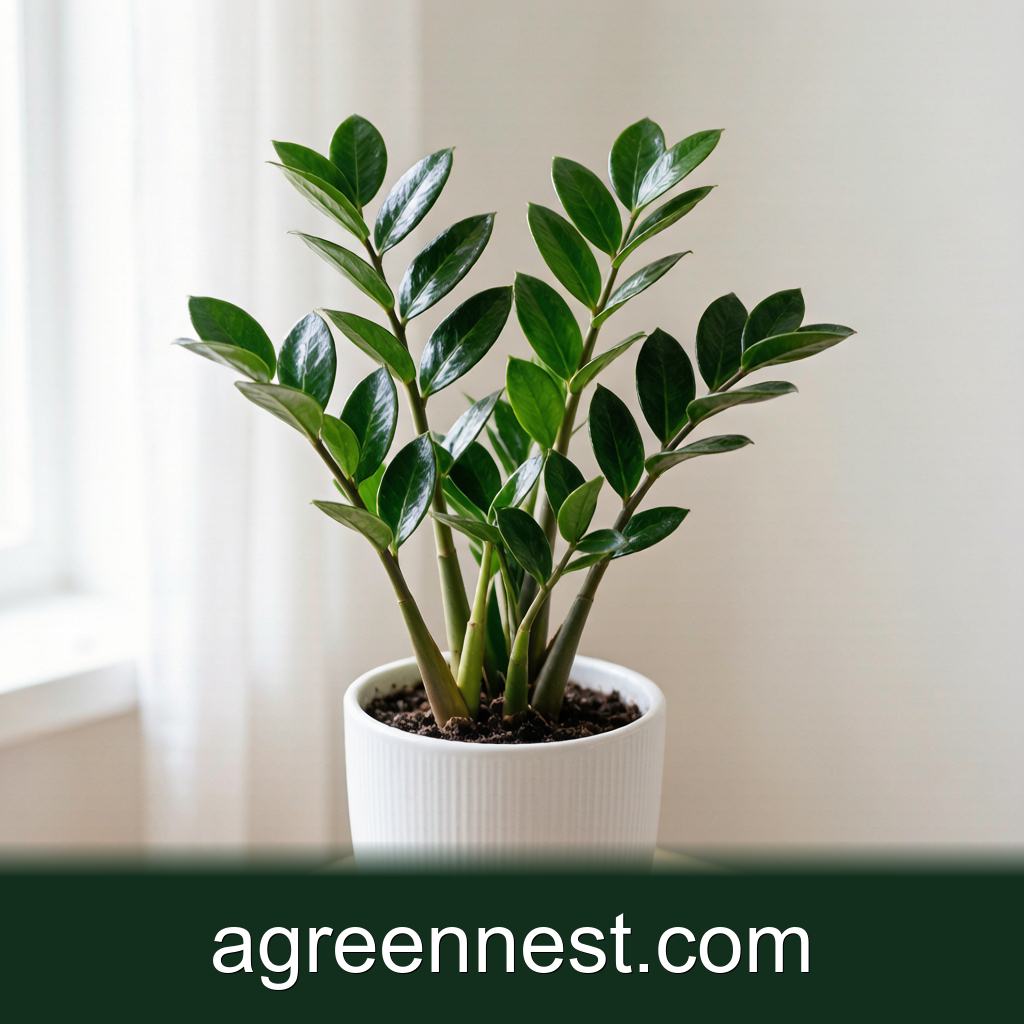
The ZZ plant (Zamioculcas zamiifolia) stores water in thick rhizomes, so it survives low light and months of neglect. Water only when the top 5cm of soil is dry, about every 2 to 3 weeks, give it bright indirect light, and keep it away from pets because the leaves are toxic.
The first ZZ plant I owned came as a sad office castoff, three stems in a coffee mug of mud. I expected it to die within a month. Two years later it had doubled in size and moved with me through three apartments. Zamioculcas zamiifolia earns its reputation the slow, quiet way, and once you understand the one thing it actually needs, it is happy with very little from you.
What makes the ZZ plant so tough?
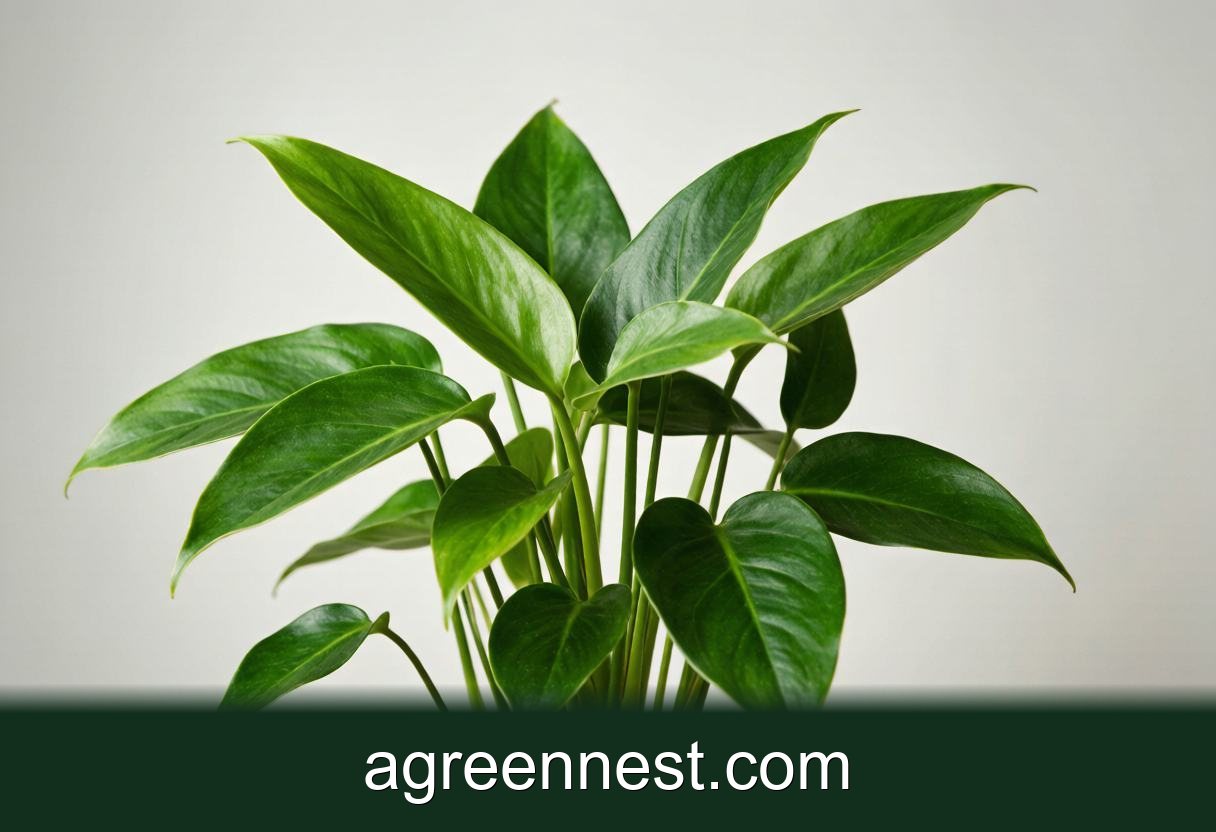
That glossy, almost plastic-looking leaf is the clue. Each leaf is a feather of small leaflets on a single stalk, and the stalks rise from fat, potato-like rhizomes buried in the soil. Those rhizomes are water tanks. They let the plant shrug off a forgotten watering for weeks, which is the real reason it survives on a dim shelf where a fern would sulk.
The plant comes from East Africa, from Kenya down through Tanzania and Zanzibar, where it grows in dry shade and poor soil. Give it conditions anywhere near that and it is content. Push it toward a windowsill that bakes, or a watering can that never stops, and you will see the only two ways a ZZ genuinely struggles.
How Much Light Does a ZZ Plant Need?
Less than you think, and more than a closet. A ZZ does its best in bright indirect light, say 3 to 4 feet from an east or north window, but it tolerates the 50 to 100 foot-candles of a dim corner better than almost any other leafy plant. Mine sits three metres from a north window and puts out a new stalk every couple of months.
What it will not take is hot direct sun. A south-facing sill in summer scorches the leaves to a crisp yellow within days. If your only spot is bright, pull it back or filter the light through a sheer curtain. For a genuinely dark room, a small grow light on a timer keeps it from stalling, and the same rule applies to the other low-light favourites on the shelf.
How Often Should I Water a ZZ Plant?
This is the question that decides whether your ZZ thrives or rots. Wait until the top 5cm of soil is dry, then water thoroughly. In summer that is usually every 2 to 3 weeks; in winter, every 3 to 4 weeks. The rhizome holds the slack, so a missed watering is never the problem. A second watering while the soil is still damp is.
I use a moisture meter pushed two thirds of the way down, and I only water when the reading sits in the dry zone. If you would rather trust your finger, push it to the second knuckle and feel for cool, damp soil. If it is still cool, walk away and check again in a week. Overwatering is the single cause of every yellow ZZ I have been sent to diagnose.
What soil and pot does it want?
ZZ hates wet feet, so the mix has to drain. I use two parts standard potting soil, one part perlite, and one part orchid bark. The bark keeps the rhizome zone airy so water moves through instead of pooling. A terracotta pot helps, because the clay pulls a little extra moisture out of the mix between waterings.
Repot only when you see roots circling the surface or the plant lifting itself out, which for a ZZ is every 2 to 3 years, not every spring. Go up just one pot size, about 2 to 3cm wider. The plant would rather be snug than swimming in soil, and a too-large pot is the fast track to a soggy, rotting base.
Why Are My ZZ Plant Leaves Turning Yellow?
Ninety percent of the time, yellow lower leaves mean too much water. The rhizome has already had its fill, and the soil has not dried, so the plant drops the oldest leaves to cope. Cut watering back hard, let the top half of the pot dry out, and the new growth at the centre should stay green.
The other ten percent is cold shock. ZZ likes it between 18 and 26°C, and a drafty window or an air-conditioning blast in winter can yellow the leaves overnight. Move it away from the cold glass and it usually recovers. Brown crispy tips, by contrast, point to dry air or direct sun, not water, so read the whole plant before you reach for the can.
Is the ZZ plant safe around pets?
No, and this is the one honest caveat I give every new owner. The leaves and rhizomes hold calcium oxalate crystals that sting the mouth and throat of a dog or cat that chews them. The plant is not going to keel over from a nibble, but your pet will be miserable, so keep it on a shelf or in a room the animals do not reach. The same caution applies to most of the easy low-light options, several of which are also irritant if eaten.
Frequently Asked Questions
My ZZ plant has not grown a new stalk in months. Is it dead?
Almost certainly not. ZZ grows in slow waves and rests for long stretches, especially in low light and winter. As long as the stems are firm and green, it is dormant, not dying. Brighter indirect light and a monthly feed in spring usually restarts the push.
Can I propagate a ZZ plant from a leaf?
You can, but patience is the word. A single leaf stuck in damp perlite can root and slowly form a tiny rhizome, but it may take 6 to 12 months to show real growth. Division of the rootball in spring is far faster if your plant is big enough to split.
The stems are flopping over instead of standing up. What is wrong?
Usually too little light plus too much water, which softens the stalks. Move it brighter, let the soil dry, and the new stalks that follow will be firmer. A leaning older plant can also just be top-heavy and worth staking for a season.
Should I mist my ZZ plant?
No need. It comes from dry shade and does not ask for humidity, so misting just wets the leaves for no benefit and can invite spots. Average home air is fine year round.
What fertilizer does a ZZ plant need?
Very little. A half-strength balanced feed once a month through spring and summer is plenty, and none in winter. The beginner fertilizer guide covers which bottles I actually keep on the shelf.
The ZZ plant rewards restraint more than attention. Water it only when the top 5cm of soil is bone dry, keep it in bright indirect light away from pets, and repot rarely, and it will outlast most of the trendier plants on your shelf. If you are still guessing at light levels in the room, our free light calculator turns a quick measurement into a number you can trust.
Recommended Tools for Low-Light Indoor Plants Care
Free, no-signup helpers matched to this guide.
Free Ebooks to Explore
Downloadable handbooks — no email required.
Sources & further reading
GreenNest authors research and write every guide independently. The external links below are reputable references we recommend for deeper reading — they are not the sources we copied from.
- Royal Horticultural Society — Houseplant care — RHS
- Missouri Botanical Garden — Missouri Botanical Garden
- NC State Extension — Plant Toolbox — NC State Extension
Join the Conversation
Have a tip or a question about ZZ Plant Care: Light, Water, and Soil Basics? Share it below — comments are saved on our server.