 AGreenNest
Plant Styling & Display
Style an Entryway With Welcoming Plants
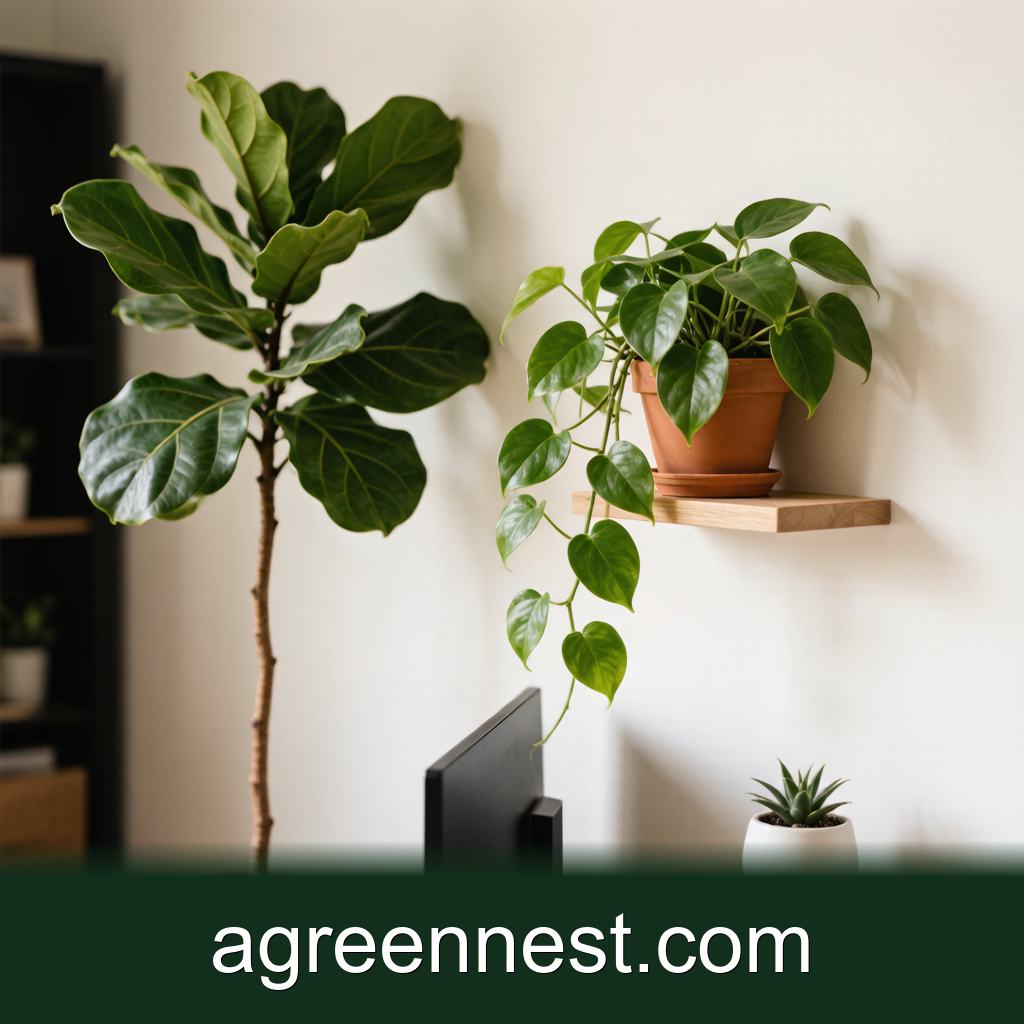
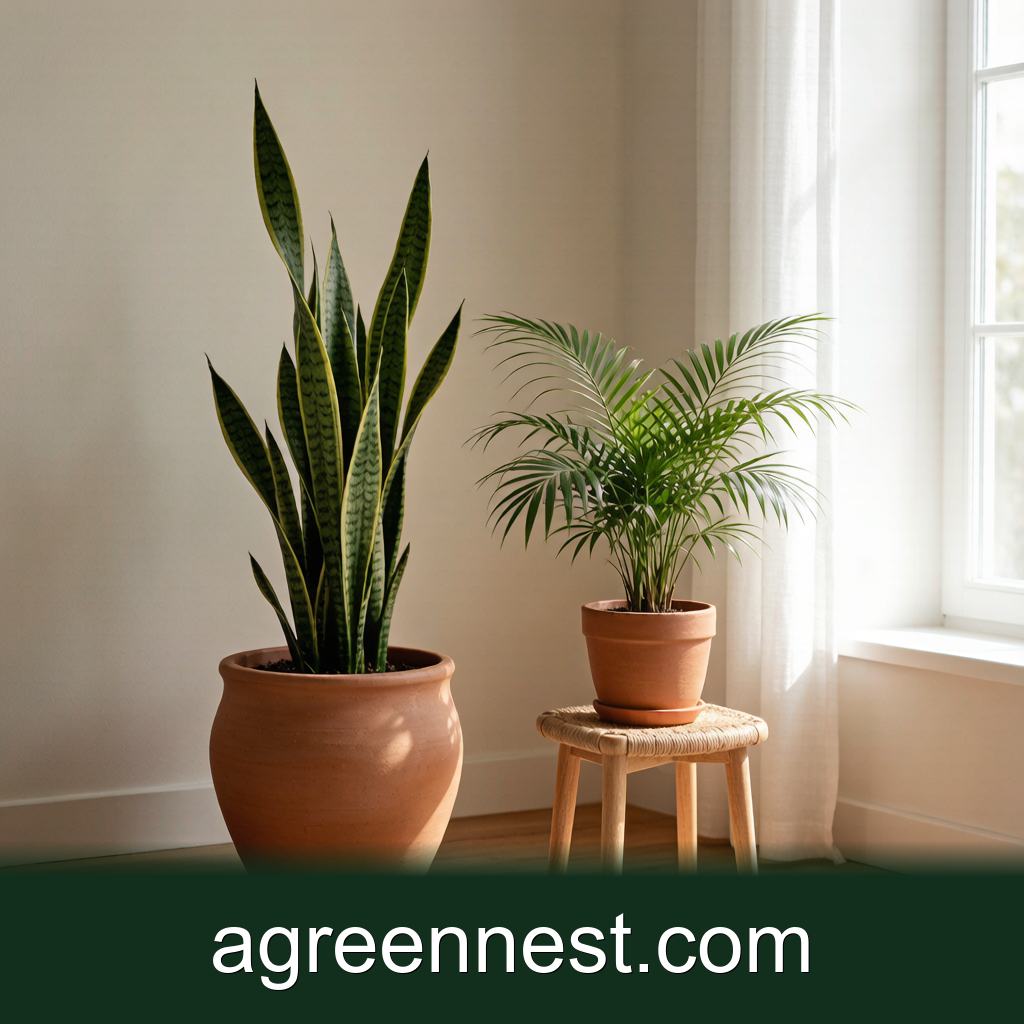
Style an entryway with a floor specimen like *Ficus elastica* in a 25 to 30cm pot beside the door, plus a small *Sansevieria* on a console, both tolerating drafts and 2 to 3 weeks between waterings. Keep pots off the main walk line and out of the direct draft from the opening door.
The hallway is the first green a guest meets. For years mine was a sad corner of dead leaves by the coats. Entryways are hard on plants. That cold draft arrives every time the door opens. Light in my entry is a thin slice from a side window at best. Feet and bags knock anything left in the walk line. I learned to style with tough, resilient plants placed where they can live. My entrance now feels welcoming instead of apologetic.
Why Do Entryway Plants Always Look Tired?
Drafts are the silent killer in most homes. Ten openings a day drop the local temperature by several degrees each swing. Tropical plants hate that change. Light is the second problem here. One to two hours of weak side light is all a hallway often gets, not the four or more that pretty plants need. Traffic is the third issue. Any pot in the path gets bumped, tipped, and forgotten within a week. The answer is to choose plants that evolved for neglect and shade. Then place them out of the draft line. This cast iron plant earns its name in a drafty hall. A snake plant shrugs off the cold gust without complaint. Our bedroom styling guide covers the same low light logic in a busier room.
Which Plants Shrug Off Drafts and Shadows?
My rubber plant, Ficus elastica, stands 90 to 120cm in a 25 to 30cm pot. It tolerates the dim, drafty corner beside the door when I keep it 30cm off the wall. Small Sansevieria on a console table asks for water every 2 to 3 weeks and ignores the cold. The cast iron plant, Aspidistra elatior, is the classic hallway species for good reason. Broad, calm leaves survive 15°C (59°F) drafts and almost no light. On a shelf the ZZ plant, Zamioculcas zamiifolia, stays glossy through a fortnight of neglect. I avoid citrus and gardenia in my entry, because they demand bright, steady warmth a hallway never gives. Coat sleeves also rip a trailing pothos at head height, so I skip that one. More survivors for dim entries appear in our low light roundup.
How Do You Place Pots Without Blocking the Door?
Map the door swing first, before you buy a single pot. Ninety centimetres of clear arc is what a door needs, and any pot inside that arc gets knocked weekly. Beside the door, about 40cm from the jamb, is where I put the floor specimen. Against the far wall a console table holds a 12cm snake plant and a small dish of keys. That setup turns the plant into part of the welcome rather than an obstacle. Use the vertical wall too. A wall planter at 150cm keeps greenery above coat height. Keep the floor walk line empty so the hallway reads as a passage. Odd numbers work here as everywhere. One floor plant and one console plant feel styled, while five pots in a row feel like storage.
Pot Choices That Handle Foot Traffic
Heavy, stable pots survive a stray kick without tipping. A 25cm stone or glazed ceramic base weighs enough to stay put. Light plastic pots topple at a touch, so I avoid them. Glazed ceramic holds moisture longer, which our terracotta guide notes is handy in a drafty hall. I match the pot to the decor, matte grey or cream, so the entry feels considered. A saucer is not optional here. The draft pulls water from the soil quickly. Deep saucers or a self watering pot let the floor specimen coast through a busy week. Empty the saucer after watering so the pot never sits in a hallway puddle.
Seasonal Care for a Busy Hall
Winter is the real test for my entry. Cold air rushes in each time the door opens, and the heating runs dry. I cut watering to every 3 weeks for the snake plant and the ZZ. Once a month I wipe the leaves to clear the dust that foot traffic stirs. Summer brings more light from the open door. Then my Ficus wants water every 10 to 14 days in its 30cm pot. Rotate the floor plant a quarter turn each month. Even growth toward the side window beats a lean into the hall. Within a single season the entryway stops feeling like a plant graveyard. It starts feeling like the handshake of your home.
Frequently Asked Questions
My entryway has no window at all. What can live there?
Snake plant or ZZ under a small LED panel on a 12 hour timer will survive, though growth stays slow. Without any light, choose a quality artificial plant rather than a struggling live one, because a crisp fake beats a drooping real plant in a dark hall.
The draft from my door is strong. Will anything cope?
Both Sansevieria and the cast iron plant tolerate the gust better than most, but keep them 30cm from the direct opening line. Below 12°C (54°F) for hours, even those will stress, so add a door snake or move the plant back a metre.
How do I stop the dog from knocking the entryway plant?
Put a heavy 25cm ceramic pot on the floor behind a narrow console so the dog cannot reach it. Our pet friendly styling guide also flags which species are safe if the tail still connects.
An entryway styled with one tough floor plant and one calm console pot welcomes guests and shrugs off the drafts. Choose survivors, keep them out of the door arc, and water by season. For the rest of the home, our plant grouping rules show how to carry the look into every room.
Recommended Tools for Plant Styling & Display Care
Free, no-signup helpers matched to this guide.
Free Ebooks to Explore
Downloadable handbooks — no email required.
Free Ebook
The AGreenNest Succulent Care Handbook
The complete, beginner-to-confident guide to growing fat, happy succulents — 10 chapters and a 20-plant directory.
Free Ebook
Haworthia & Haworthiopsis Care Handbook
A focused guide to the striped, forgiving Haworthia clan.
Sources & further reading
GreenNest authors research and write every guide independently. The external links below are reputable references we recommend for deeper reading — they are not the sources we copied from.
- Royal Horticultural Society — Plants — RHS
- Missouri Botanical Garden — Missouri Botanical Garden
- Michigan State University Extension — Michigan State University
Share Your Plant Story
Grown something tricky, or found a trick that finally worked? Tell us in the comments, or see what other readers are sharing on our Community page. The best reader tips get folded back into our guides.
Join the Conversation
Have a tip or a question about Style an Entryway With Welcoming Plants? Share it below — comments are saved on our server.